


Louis XV Glazed Bookcase
These Louis XV glazed bookcase pieces bring curvilinear elegance and refined French display to a room, offering both storage and visible charm.
Louis XV Glazed Bookcase
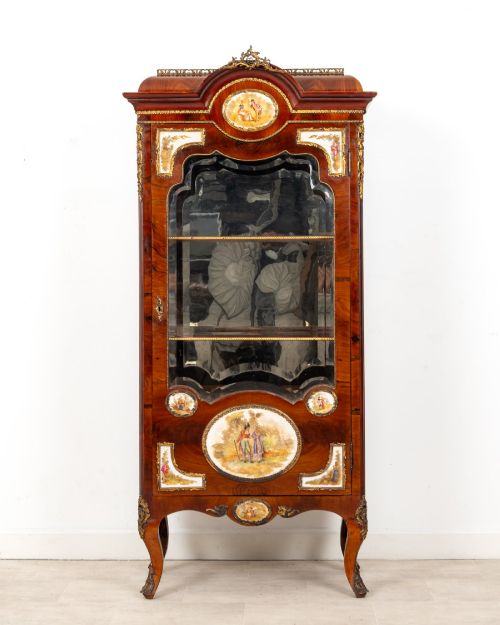
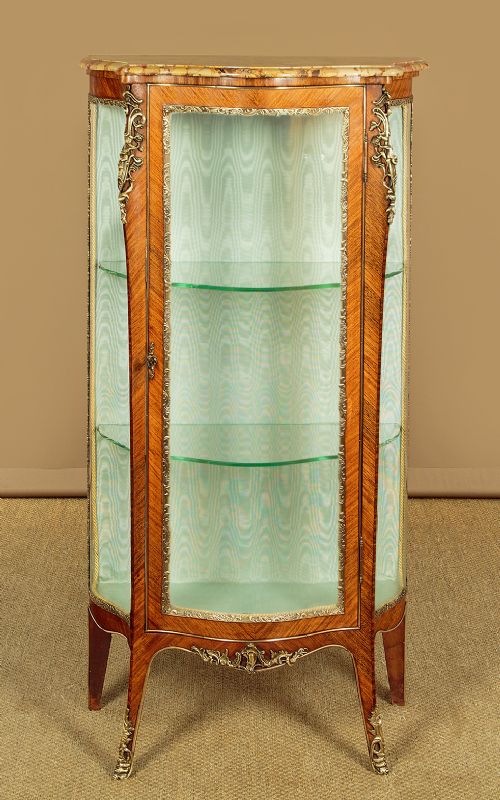
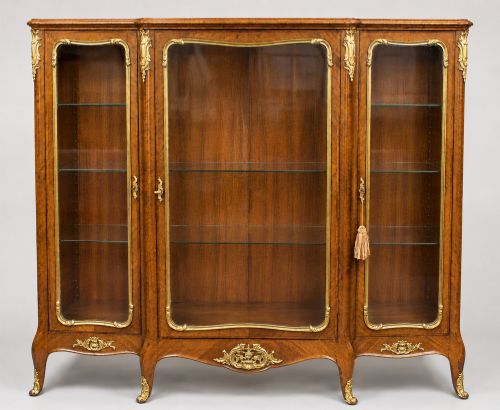
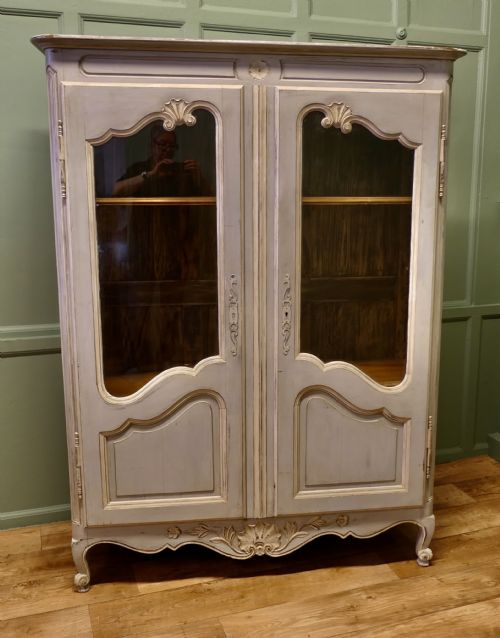
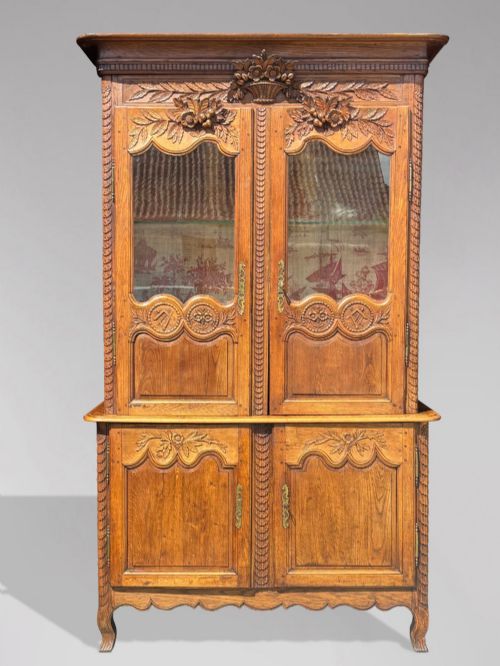
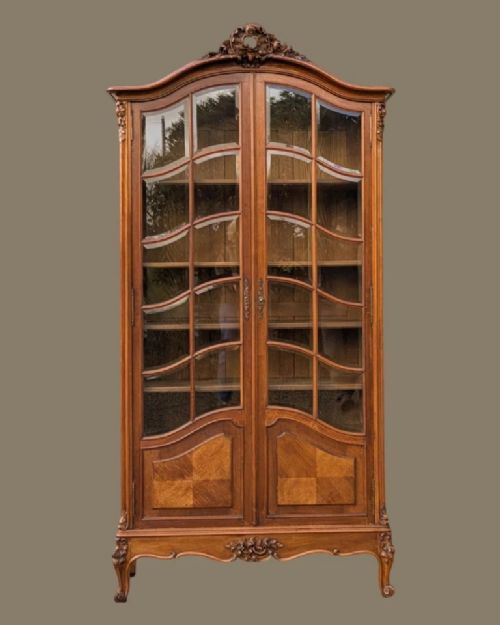
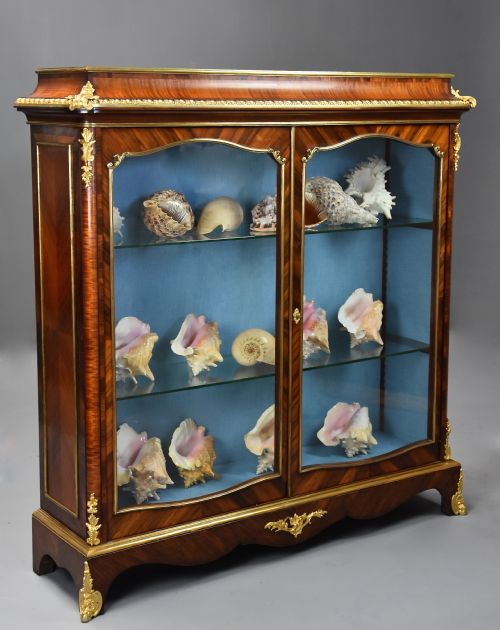
A louis xv glazed bookcase combines the serpentine lines and scrolling motifs of eighteenth-century French design with glazed doors for exhibiting volumes or decorative objects. Pieces matching this search appear across several distinct forms, including dedicated vitrines, display cabinets, two-piece buffets, and side cabinets.
The selection on this page relies heavily on nineteenth-century revivals and twentieth-century interpretations alongside genuine eighteenth-century examples. Walnut, kingwood, and mahogany form the primary timber bodies, frequently shaped with concave glass and curved fronts.
Materials and Construction
Cabinetmakers constructed these pieces using dense hardwoods such as walnut, oak, mahogany, and exotic kingwood veneers laid over carcases. Carpenters shaped curved serpentine outlines and bombe profiles through careful joinery and steaming techniques.
Gilded bronze ormolu mounts, marble tops, and painted porcelain plaques or Vernis Martin panels finish the surfaces. Glazing employs individual glass panes secured within wooden framing bars or curved concave glass panels.
Several cabinets manage to look as though they might waltz across the floor at any moment, courtesy of their energetic rococo curves.
Assessing the Pieces
Quality rests in the precision of the timber matching and the crispness of the cast ormolu mounts affixed to the corners and legs. Finer examples display fluid, uninterrupted serpentine curves in the woodwork and hand-carved detailing rather than cast-resin applied ornaments.
The integration of specialised elements such as marble tops, original painted panels, and concave glass distinguishes exceptional cabinets from standard production furniture. The harmony between the proportion of the glazed upper section and the swelling base dictates the visual balance of the piece.
Paul Sormani·Linke
The Louis XV Glazed Bookcase Glossary
- Vitrine
- A glass-fronted display cabinet designed specifically for showing porcelain and small curiosities. These pieces often feature glazed sides to maximise light inside the interior shelving.
- Ormolu
- Gilded bronze mounts cast and chased with rococo scrollwork or floral patterns. Makers applied these decorative elements to highlight the structural contours of the cabinet.
- Kingwood
- A dense, richly figured Brazilian timber with dark violet-brown grain patterns. Cabinetmakers used it extensively as a veneer on high-end French furniture.
- Vernis Martin
- A type of simulated Japanese lacquer developed in France during the eighteenth century. It employs multiple layers of translucent varnish over painted scenes.
- Serpentine
- A curved line that bulges outward in the centre and curves inward at the sides. This contour defines the characteristic front profile of many rococo revival cabinets.
Louis XV Glazed Bookcase: Frequently Asked Questions
Where should I place a louis xv glazed bookcase?
These cabinets suit reception rooms, studies, or libraries where their glazed doors protect books while displaying them clearly. Position them away from direct sunlight to protect antique timber veneers and interior fabrics.
Ensure the floor is level so the tall doors hang correctly and latch smoothly without binding against the serpentine frame.
How do I distinguish an 18th-century piece from a revival?
Examine the construction methods visible inside the carcase, including dovetailing on drawer linings and tool marks on secondary timbers like oak or pine. Eighteenth-century pieces exhibit hand-cut joints and timber movement consistent with age.
Revival pieces from the nineteenth and twentieth centuries often utilise machine-sawn elements and standardised hardware alongside period-appropriate styling.
What items look best inside the glazed section?
Bound volumes, porcelain collections, and small decorative bronzes sit well behind the glass doors of these cabinets. The refined interiors and mirrored or fabric-lined backs provide a suitable backdrop for curated displays.
Avoid overcrowding the shelves so the light can pass through the side glass panels and illuminate the items.
How do I care for the wood and ormolu?
Dust the surfaces regularly with a soft, dry cloth and avoid silicone-based polishes that can build up on the veneer. Natural beeswax applied sparingly helps nourish antique walnut and kingwood.
Keep ormolu mounts clean by dusting gently with a soft brush, avoiding abrasive cleaners that strip the original gilding from the bronze.