

Louis XV Brass Light
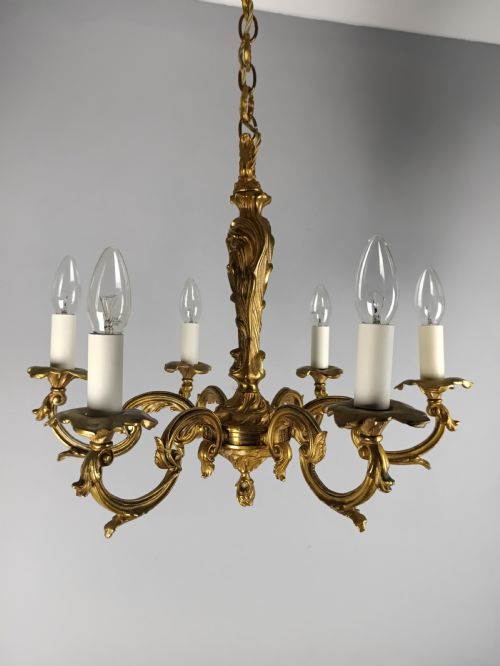
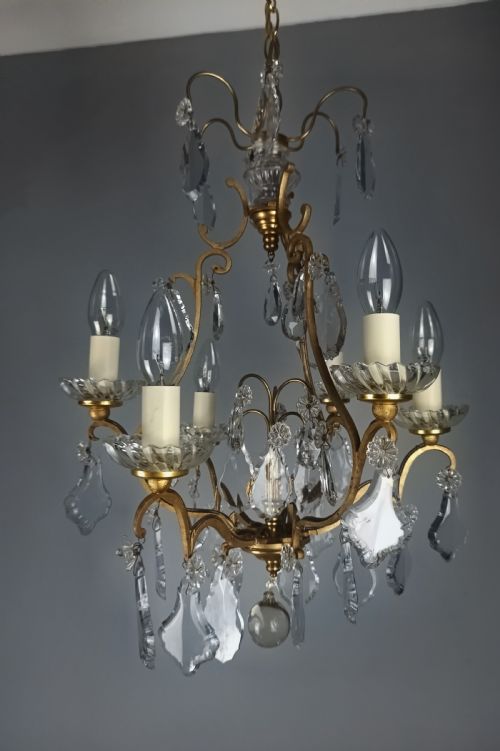
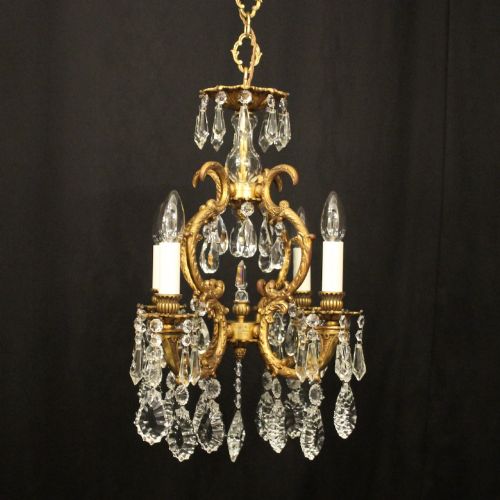
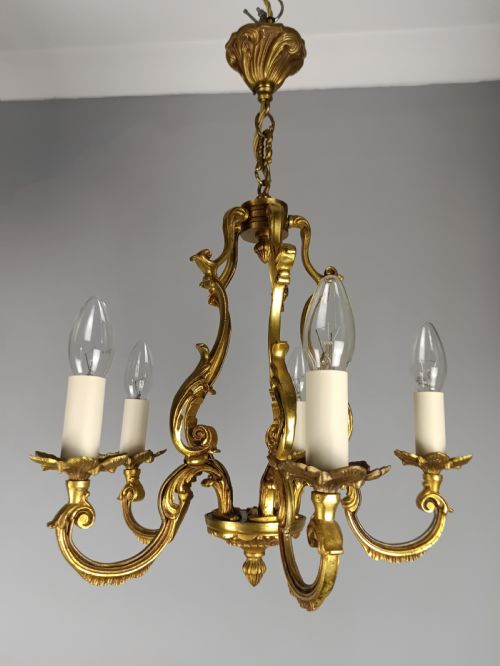
Louis xv brass light fixtures bring ornate French Rococo elegance to interiors through scrolling gilt metal and crystal adornment.
Louis XV Brass Light
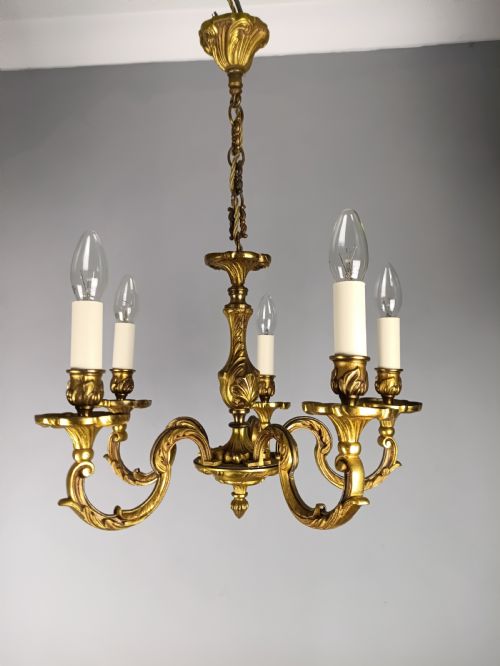
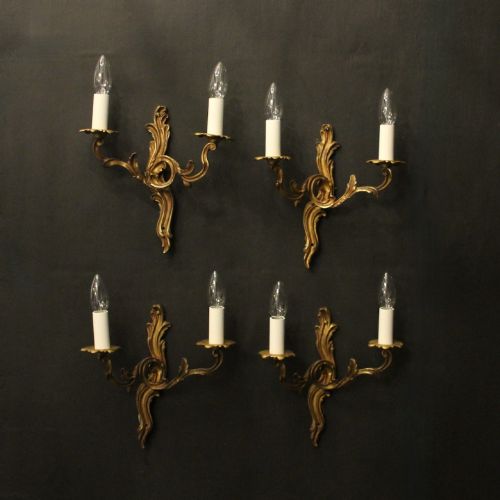
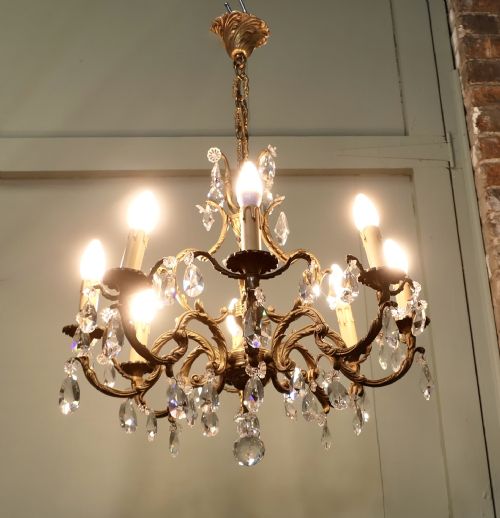
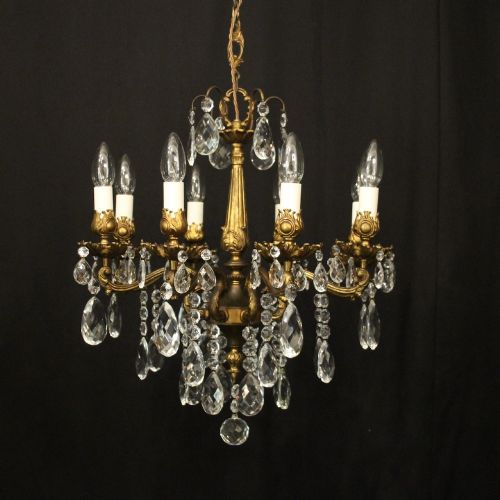
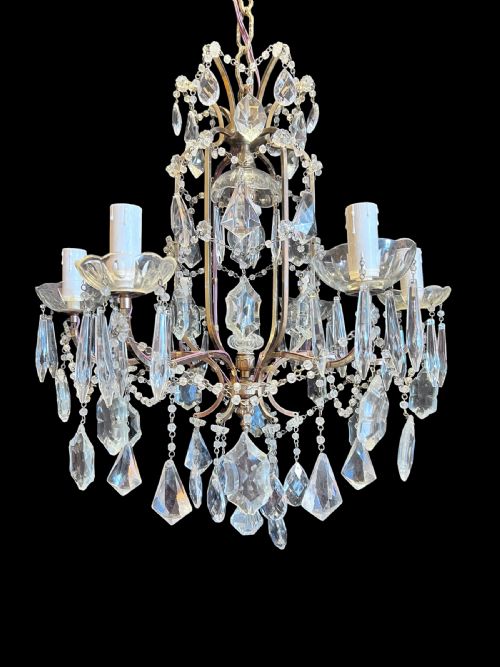
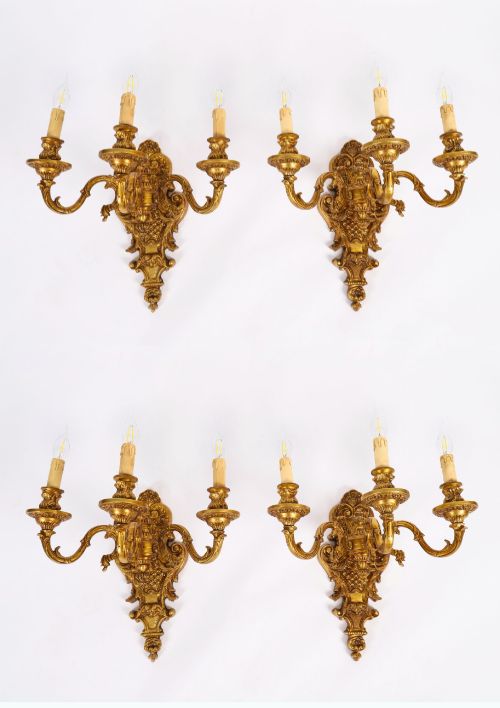
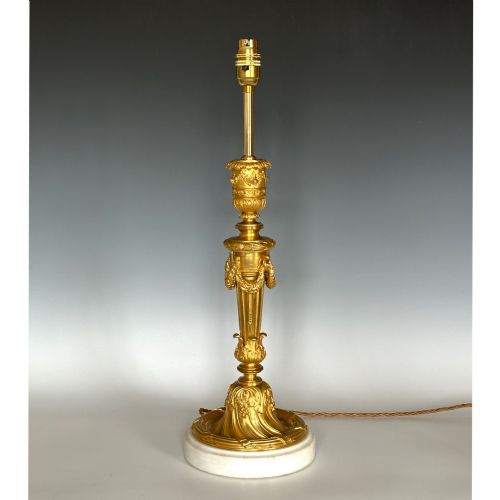
A louis xv brass light search uncovers a rich assortment of French chandeliers, wall sconces, lanterns, and table lamps originating primarily from the late nineteenth and early twentieth centuries. These pieces reflect the enduring influence of French Rococo, Louis XV style, and Rococo revival aesthetics in domestic lighting.
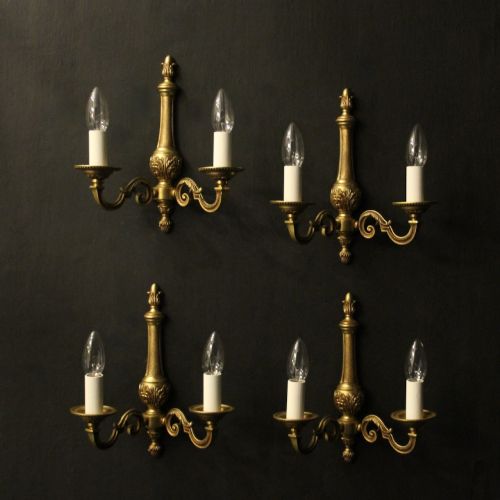
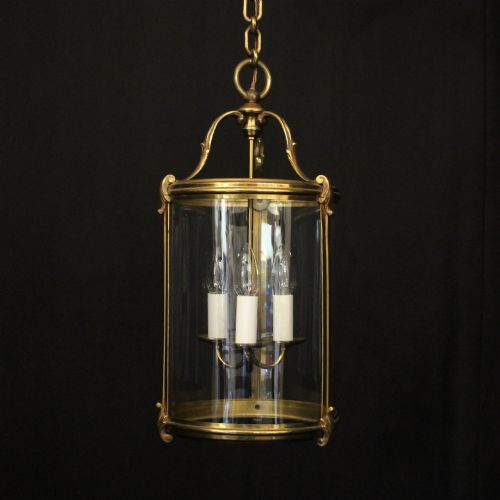
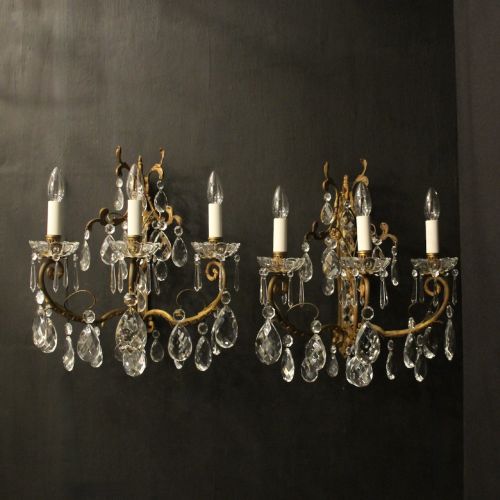
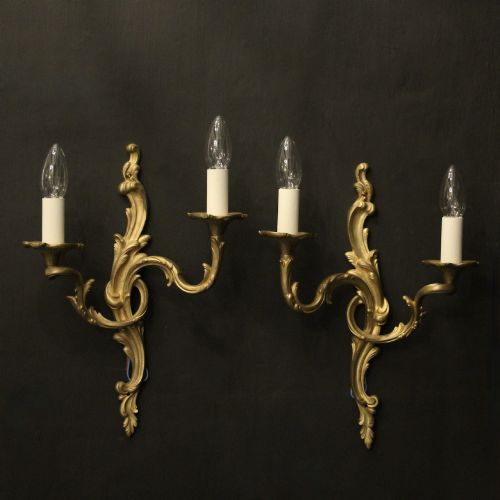
The selections available range from multi-armed chandeliers hung with crystal lustres to twin-arm and triple-arm wall lights designed in pairs or larger matching sets. Hall lanterns and convex ceiling lights also appear frequently, offering varied illumination options for different domestic spaces.
Materials and Technique
Manufacturers utilised cast brass, gilt bronze, and ormolu to create the substantial metal frames that define these fixtures. Gilding techniques applied to brass and bronze surfaces provide the characteristic lustrous golden finish associated with the period.
Many designs incorporate cut glass and crystal pendants, drops, and lustres suspended from the metal arms to enhance light reflection. Construction methods combine sturdy metal casting with detailed chasing and crystal assemblage.
The listings span periods from the late nineteenth century through the nineteen-thirties, dominated by Gilt Bronze, Brass, and crystal materials.
Distinguishing Quality
The refinement of the casting and the depth of the chasing on the gilt bronze or brass surface differentiate standard production from superior examples. Crisp detailing in the asymmetric scrolls and foliage motifs indicates careful hand-finishing by skilled artisans.
The integration and clarity of the crystal components, alongside the substantial weight of the metal frame, distinguish the most accomplished items. Matching sets and larger multi-light configurations also demonstrate greater ambition in design and execution.
The Louis XV Brass Light Glossary
- Ormolu
- A gilded bronze technique utilising a mercury amalgam to adhere gold to a bronze base. This process creates a durable and rich metallic finish characteristic of fine antique lighting.
- Lustre
- A cut glass or crystal pendant hung from a chandelier or wall light to refract and amplify illumination. These elements catch the light dynamically.
- Applique
- A wall-mounted lighting fixture designed to hold candles or electric bulbs, synonymous with a wall sconce. They are frequently found in matched pairs or sets.
- Rococo
- An artistic style originating in France characterised by elaborate ornamentation, asymmetrical curves, and scrollwork inspired by natural forms. It forms the primary aesthetic basis for these pieces.
- Convex lantern
- An enclosed ceiling or hall light featuring curved glass panels set within a metal framework. This design diffuses light evenly across entranceways.
Louis XV Brass Light: Frequently Asked Questions
How do I install a vintage chandelier safely?
Vintage chandeliers require secure ceiling mounting into joists or solid masonry to support the substantial weight of brass and crystal components. Professional rewiring is typically recommended to ensure modern electrical compliance before hanging.
Weight distribution must be calculated carefully, especially for larger multi-light fixtures and crystal-hung designs. Employing a qualified electrician prevents structural damage and ensures safe daily operation.
Were these fixtures originally electrified?
Many examples dating from the late nineteenth and early twentieth centuries were manufactured during the transition to electricity or were subsequently converted from gas or candle power. Adapting to electrical fittings allowed these ornate metal frames to remain functional in modern homes.
Original wiring is rarely retained in safe working order, meaning most pieces have been rewired at some point in their history. The conversion process preserves the external aesthetic while updating internal components.
How should I clean gilt brass and crystal?
Gilt brass and bronze surfaces benefit from gentle dusting with a soft, dry cloth to prevent the accumulation of grime without wearing the delicate metallic finish. Avoid abrasive chemical cleaners that can strip the gilding entirely.
Crystal lustres and pendants can be carefully wiped with a mild solution and dried thoroughly to restore their reflective brilliance. Removing crystals individually makes thorough cleaning safer and more manageable.