

Louis XV Brass Chandelier
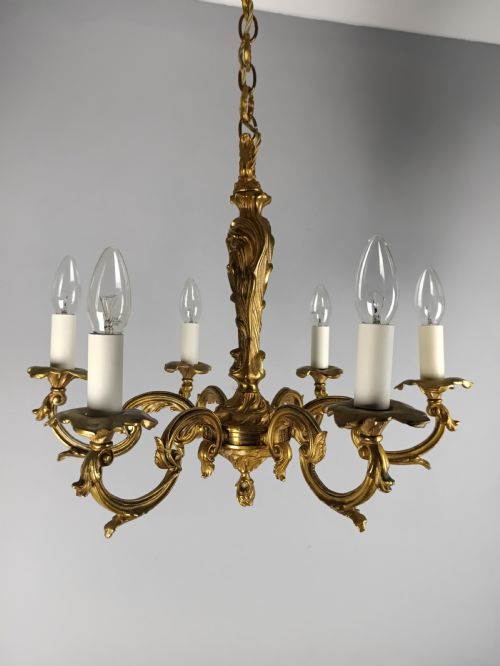
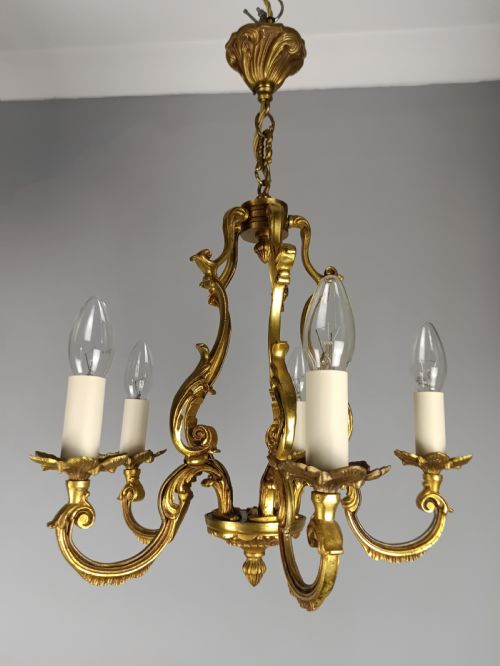
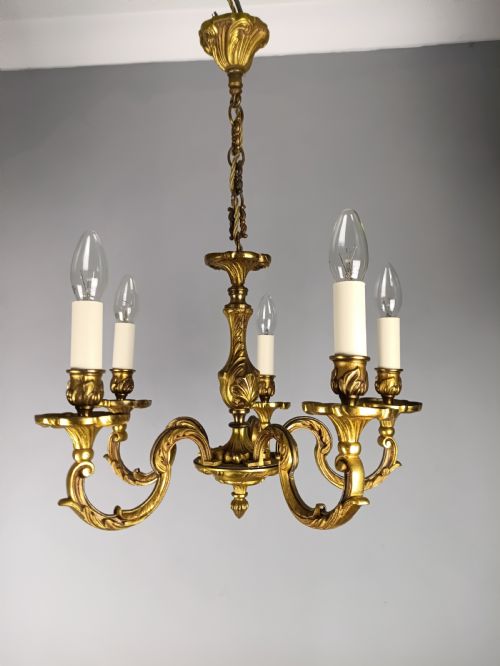
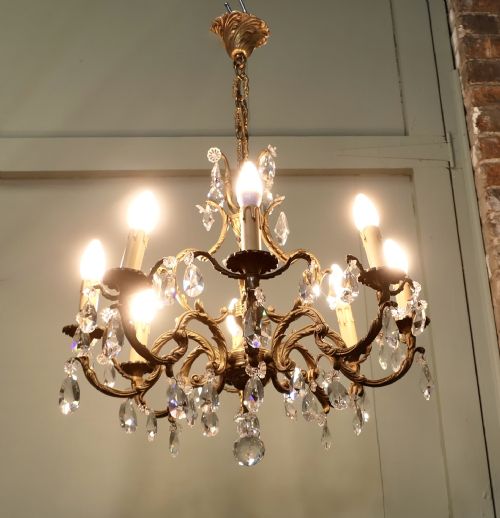
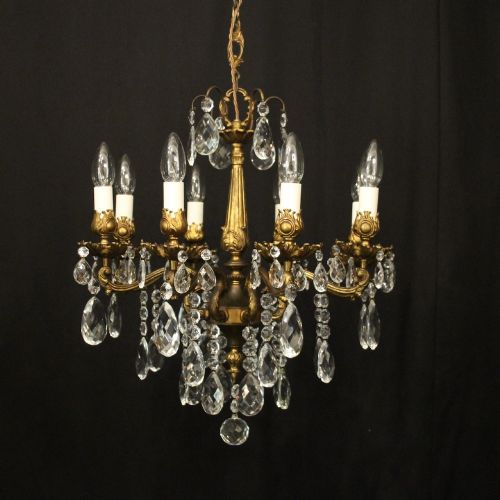
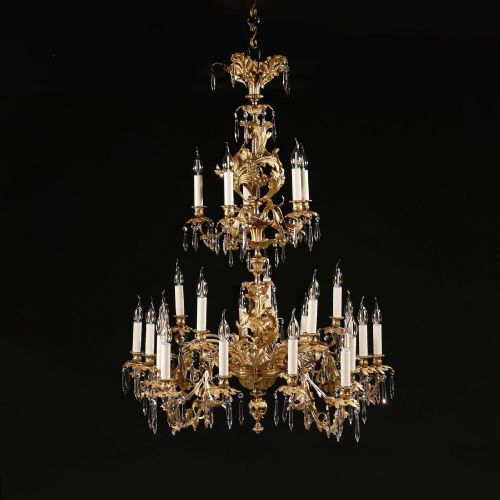
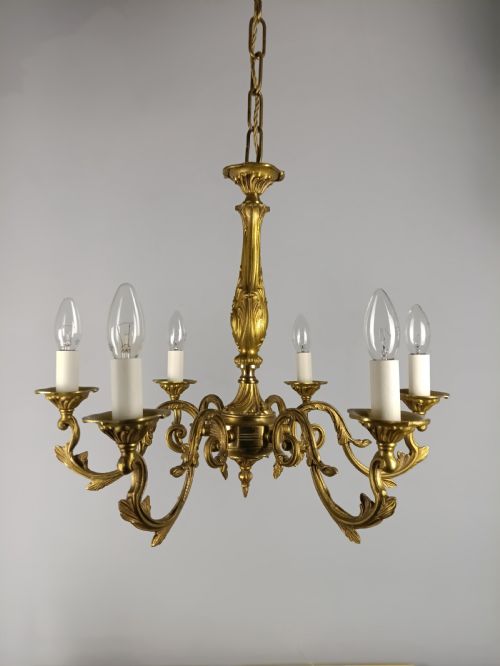
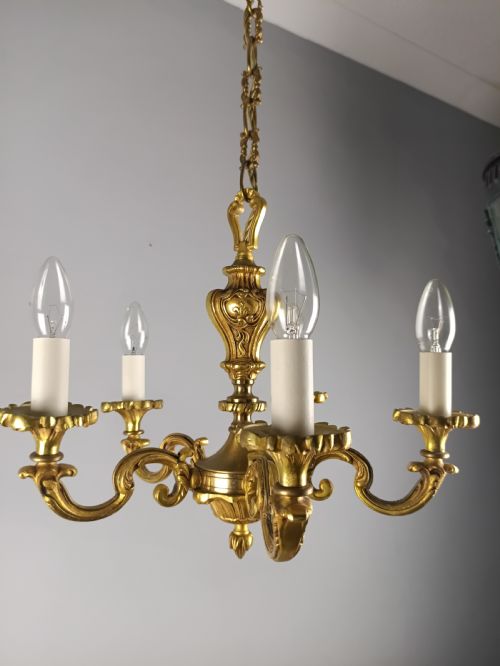
A louis xv brass chandelier brings exuberant French rococo curves and sparkling crystal light into a room.
Louis XV Brass Chandelier
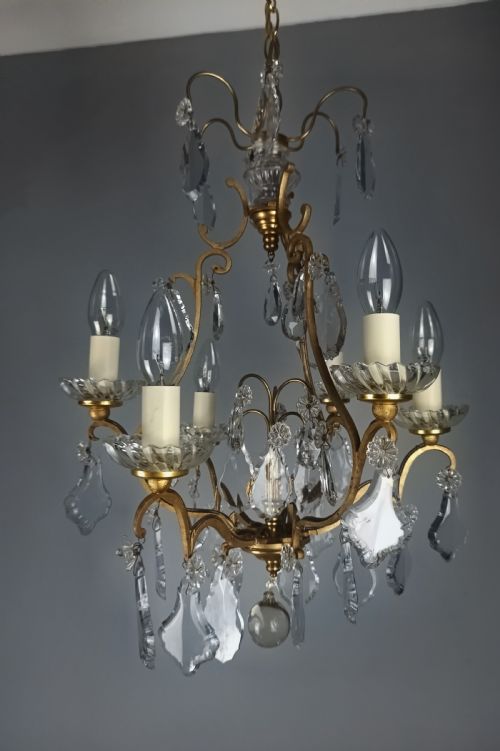
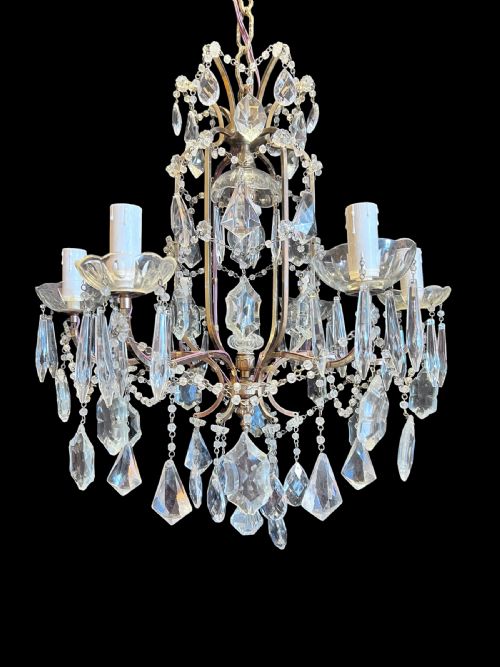
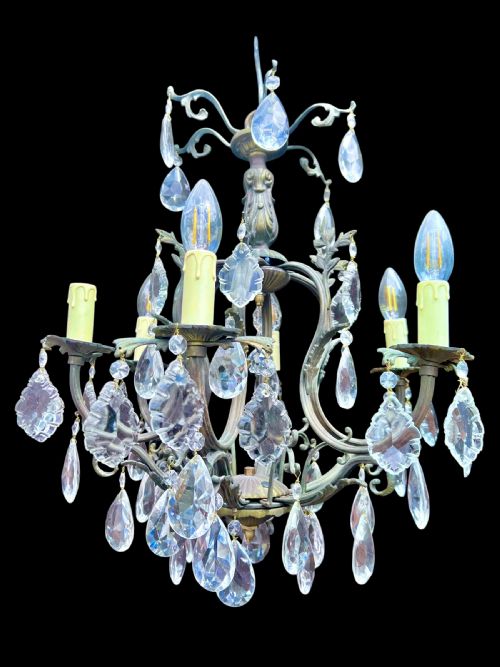
A louis xv brass chandelier is typically a French lighting fixture dating from the late nineteenth century up to the 1930s. Buyers searching this phrase look for ornate forms rooted in the French rococo style, often taking the shape of multi-light fixtures or birdcage chandeliers.
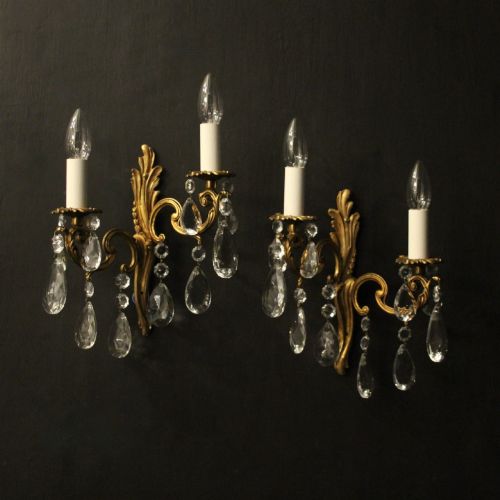
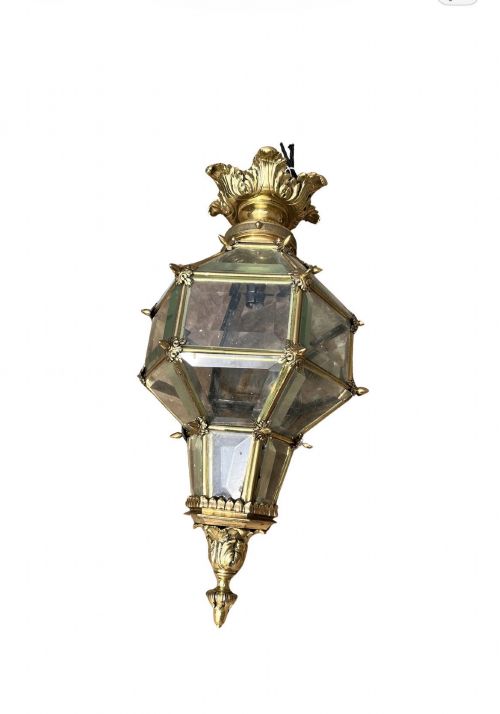
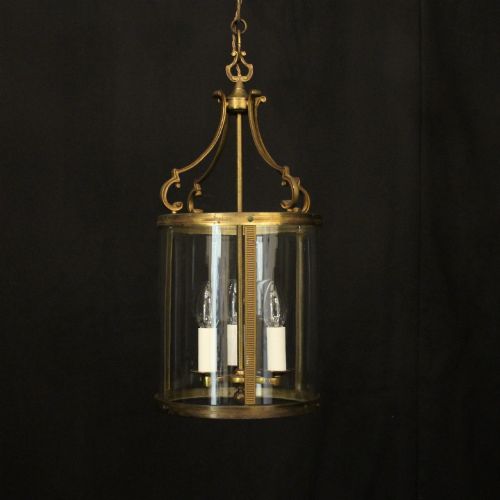
The selections available here span periods such as the Edwardian era and the 1920s and 1930s, alongside nineteenth-century examples. Alongside standard ceiling chandeliers, the category includes related forms such as hall lanterns, wall sconces, and pendant lights.
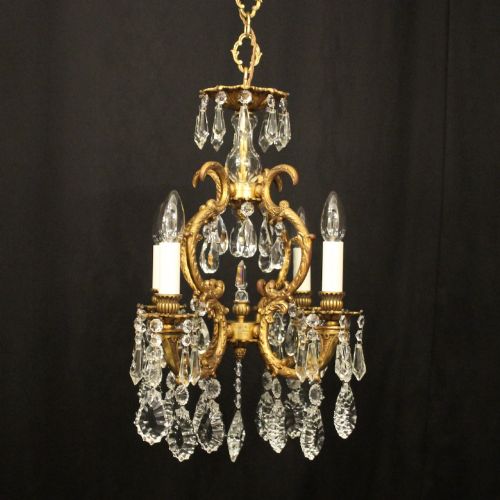
Most pieces display classic French styling, drawing inspiration from French chateau interiors and neoclassical design. The prevalent versions combine metal frames with hanging crystal lustres and glass elements.
How they were made
Makers constructed these fixtures using brass, gilt brass, gilt bronze, and gilded bronze as the primary structural metals. These materials provided a sturdy armature capable of supporting multiple light arms and heavy glass components.
Craftsmen enriched the metal frames with crystal lustres and cut glass drops suspended throughout the design. Birdcage configurations and multi-arm arrangements required precise metalworking to balance the weight of the glass elements.
Some wall lights come in pairs, ready to flank a mirror like very polite metallic sentries.
What varies in quality
The refinement of the casting and the quality of the gilt finish separate standard examples from finer pieces. Heavier bronze work and crisper rococo ornamentation indicate superior craftsmanship.
The quantity and cut of the crystal lustres heavily influence the overall impact of the fixture. Richly appointed examples with extensive glass drops and complex multi-light configurations stand apart from simpler iterations.
The Louis XV Brass Chandelier Glossary
- Birdcage chandelier
- A central open-frame construction resembling a birdcage, from which crystal drops and arms extend. This form is common in French lighting from the early twentieth century.
- Gilt bronze
- Metal alloy coated with a layer of gold, providing a rich metallic sheen that resists tarnishing. It is frequently seen on high-end French rococo revival pieces.
- Crystal lustre
- A cut glass pendant hung from the arms or frame to refract light. These elements catch and multiply the illumination from the bulbs or candles.
- Hall lantern
- An enclosed hanging light designed for corridors or entranceways. These fixtures often feature convex glass panels and decorative brass or bronze mounts.
Louis XV Brass Chandelier: Frequently Asked Questions
How do I hang a heavy chandelier?
Suspension requires securing the fixture directly into ceiling joists using a rated metal hook and bracket. Professional installation is essential to bear the combined weight of the metal and crystal elements safely.
Electrical wiring must also match the voltage requirements of the vintage components. An electrician ensures the mounting box handles the load without strain on the ceiling plaster.
What rooms suit a louis xv brass chandelier?
These decorative fixtures suit formal reception rooms, dining spaces, and high-ceilinged bedrooms. Their ornate profiles draw the eye upward and add character to traditional interiors.
Smaller iterations or wall sconces fit narrower spaces like hallways and landings. They provide ambient illumination while maintaining the French rococo aesthetic.
How do I clean the crystal lustres?
Cleaning involves wiping each glass piece with a mild soapy solution and a soft cloth while the chandelier hangs. Removing the lustres is optional for deep cleaning but requires care with vintage pins.
Harsh chemicals should be avoided to protect the gilded brass or bronze surfaces beneath. Regular dusting maintains the sparkle of the glass without risking the metal finish.
How do I date a brass chandelier?
Dating relies on examining the casting techniques, wiring methods, and material patination. Pieces from the nineteenth century generally show heavier bronze construction and hand-finished details.
Early twentieth-century examples, such as those from the 1920s and 1930s, often incorporate standardised electrical fittings alongside traditional French styling. Comparing the decorative motifs to known period styles helps narrow the origin.