



Louis Style Bed
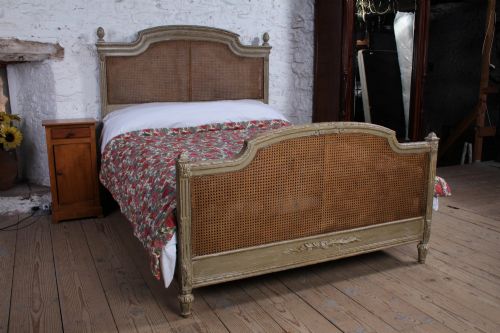
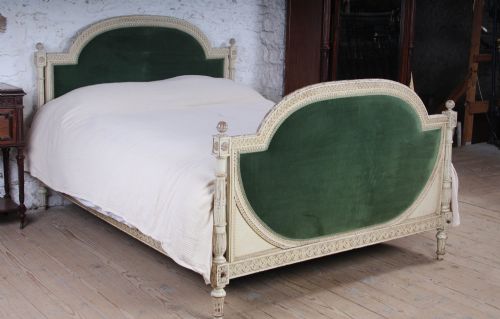
A louis style bed brings dramatic French presence into a bedroom through grand carved woodwork, curved upholstery, and classical revival detailing.
Louis Style Bed
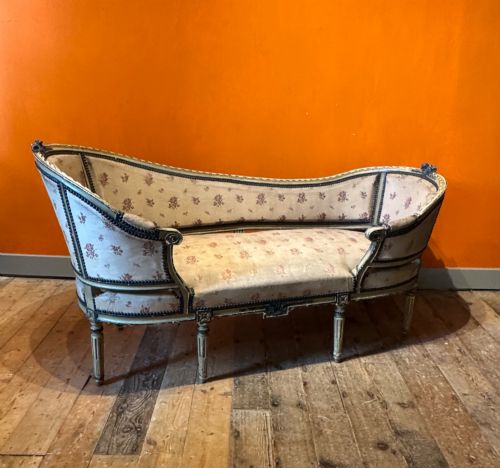
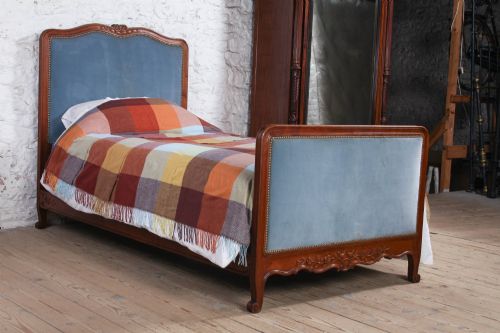
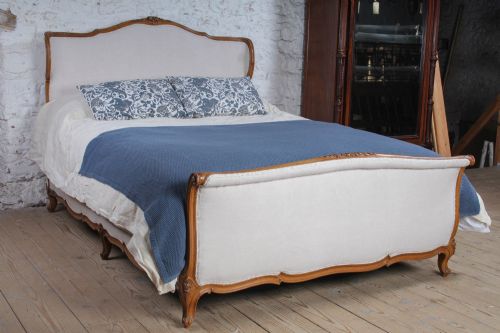
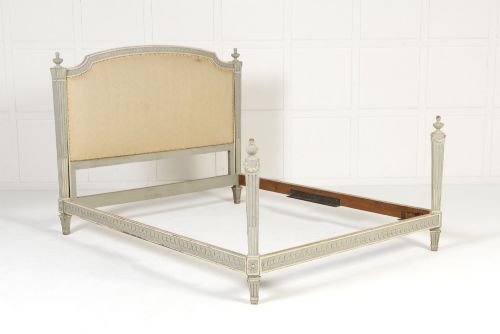
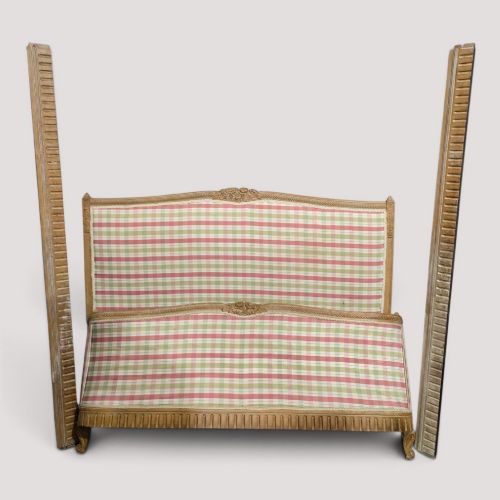
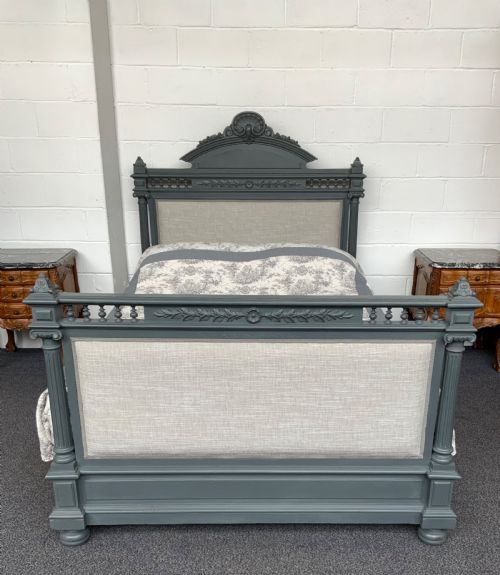
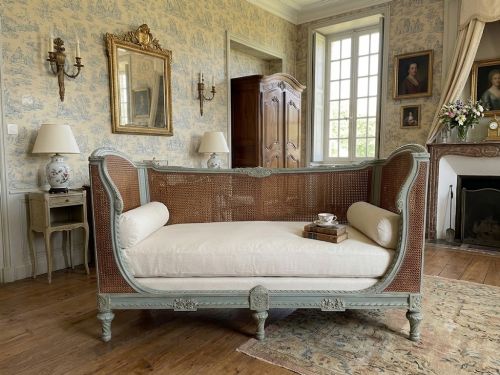
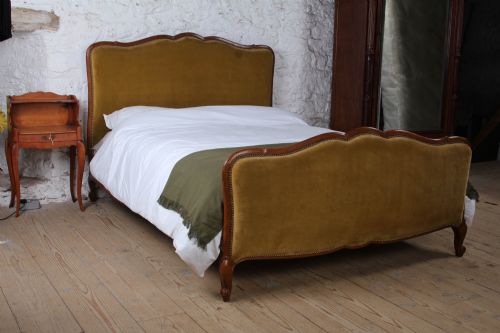
A louis style bed embodies the decorative splendour of historic French royal courts, translating 18th-century aesthetics into substantial furniture built across the nineteenth and early twentieth centuries. These pieces appear in forms ranging from expansive king-size and double bedsteads to cane daybeds and low-end frames.
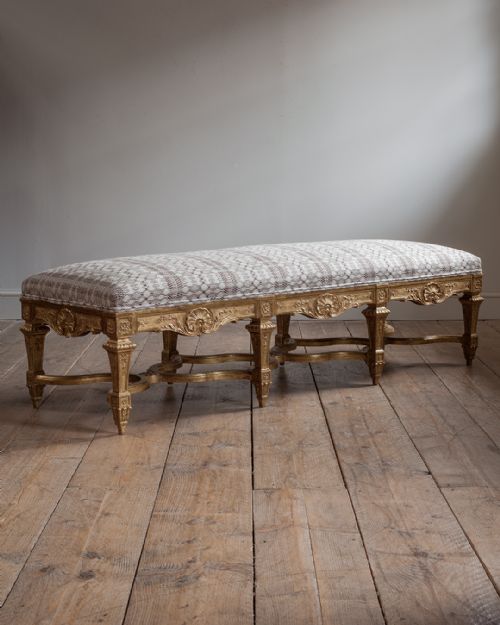
Most examples encountered on this page date from the Victorian era up through the nineteen-thirties, reflecting sustained revival enthusiasm for French Neoclassical and Rococo designs. Alongside full-sized sleeping frames, makers also produced associated seating like benches, stools, and window seats sharing the same stylistic vocabulary.
The aesthetic leans heavily on historical revivalism, incorporating French Chateau and provincial interpretations into domestic sleeping quarters. Walnut, painted wood, and mahogany form the primary structural foundations for these grand domestic centrepieces.
Materials and construction
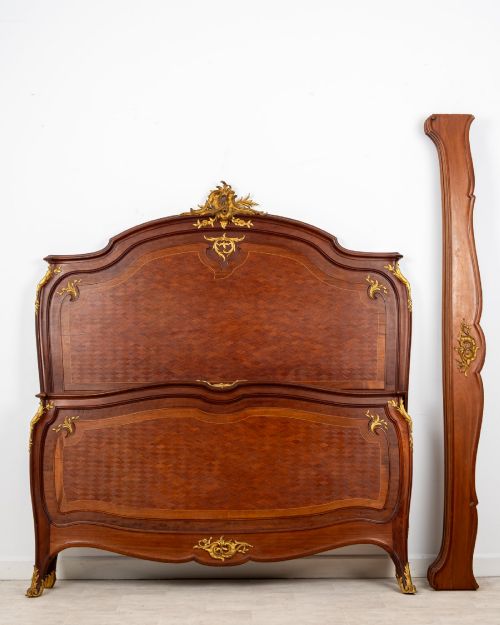
Craftsmen utilised both native and exotic timbers including walnut, kingwood, oak, and mahogany, often enhanced by quarter veneering and intricate parquetry or marquetry patterns. Carved wooden frames receive hand-applied paint finishes, gilt decoration, or limed treatments to achieve distinct textures.
Louis Style Bed Retail Price Guide 2026
Typical asking prices for louis style bed among the pieces listed under this phrase on Sellingantiques today, from the lower quarter to the upper quarter. They describe what is for sale here now, not the wider market.
Several beds arrive equipped with matching brass detailing and hand-painted portrait panels, ensuring your morning alarm clock gazes upon true nobility.
Markers of quality
Depth and crispness of hand-carving separate standard production pieces from superior examples, where floral motifs and scrollwork display deliberate sculptural precision. The choice of secondary woods and the complexity of timber veneers, such as detailed parquetry work, indicate the original maker's investment of time and material.
Quality also rests in the integration of metal mounts, where heavy cast ormolu and clean brass detailing fit flush against the wood grain rather than appearing superficial. The treatment of painted surfaces, including polychrome portrait panels, determines whether a finish possesses genuine depth or reads as flat.
The Louis Style Bed Glossary
- Ormolu
- Gilded bronze or brass mounts applied as decorative highlights to furniture frames. These metal elements catch the light and emphasise structural joints.
- Parquetry
- Geometric wood inlay work arranged in patterns such as squares or chevrons across surfaces. This technique demonstrates high-level cabinetmaking skill.
- Canapé
- A French decorative sofa or daybed form featuring an upholstered back and arms. These pieces share stylistic lineage with larger bed frames.
- Caning
- Woven rattan material used to create open, breathable panels in headboards and footboards. It lightens the visual weight of large wooden frames.
- Giltwood
- Timber treated with a thin layer of gold leaf or gold paint to simulate solid gold enrichment. It provides a luminous finish associated with royal French interiors.
Louis Style Bed: Frequently Asked Questions
How do I choose the right size?
Measure your bedroom space carefully to account for the substantial headboards and footboards characteristic of these French designs. Standard UK or international mattress sizes often fit within antique wooden rails, but verifying interior dimensions remains essential.
Consider the visual weight of the frame within your room layout. Larger king-size walnut or painted models require open floor space to display their carved details properly.
How do I distinguish Louis XV from Louis XVI styles?
Louis XV pieces exhibit asymmetrical curves, flowing Rococo scrolls, and organic, naturalistic lines. These frames favour fluid shapes and exuberant carved movement.
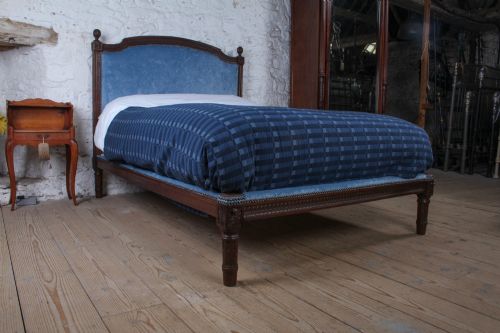
Louis XVI furniture shifts toward classical symmetry, straight tapering fluted legs, and geometric precision. Rectangular panels and architectural restraint define this later Neoclassical aesthetic.
Can I use a modern mattress with an antique bed?
Most antique bed frames accommodate modern mattresses, though interior width and length measurements should be checked against standard sizes. Custom slat systems or modern base supports often need integration to ensure proper mattress height and stability.
Consult the specific rail dimensions listed for each bed to confirm how modern foundations will rest inside the wooden or painted side pieces.
How should I care for painted and gilt wood finishes?
Dust surfaces gently with a soft, dry cloth to prevent particulate buildup on delicate paintwork and gilded details. Avoid chemical sprays, harsh cleaners, and excessive moisture which can damage aged finishes.
Keep wooden frames away from direct sunlight and severe humidity fluctuations to protect the underlying timber and prevent veneer cracking.