


Louis Revival Furniture
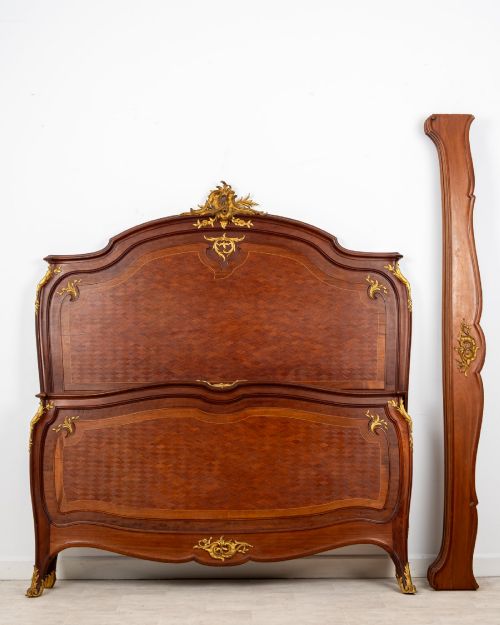
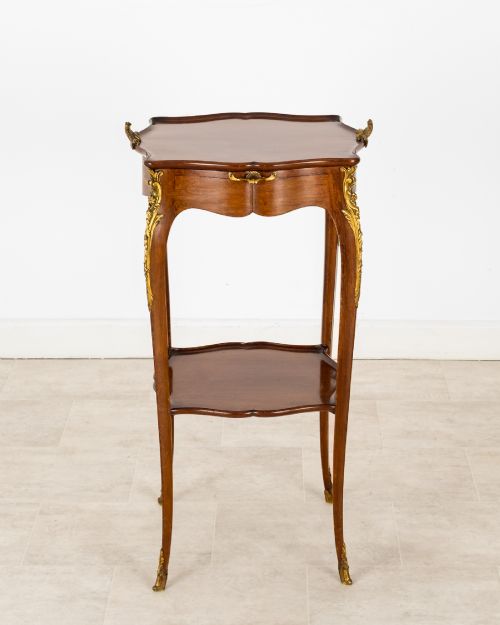
Louis revival furniture brings the opulent curves and gilt mounts of eighteenth-century French courts into Victorian and Edwardian interiors through tables, cabinets and beds.
Louis Revival Furniture
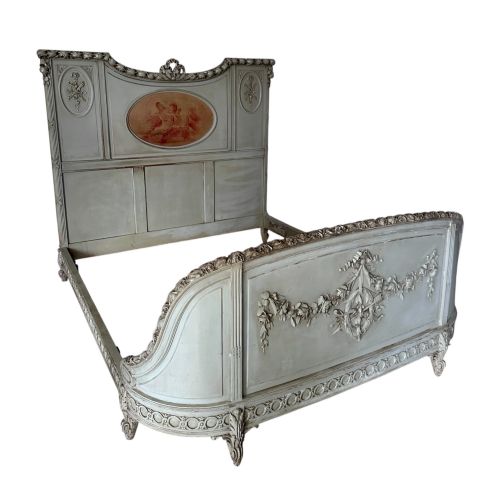
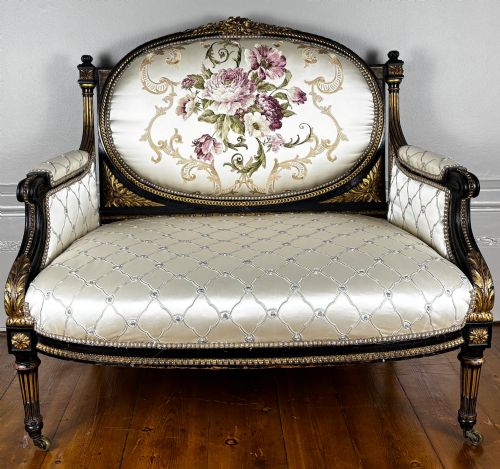
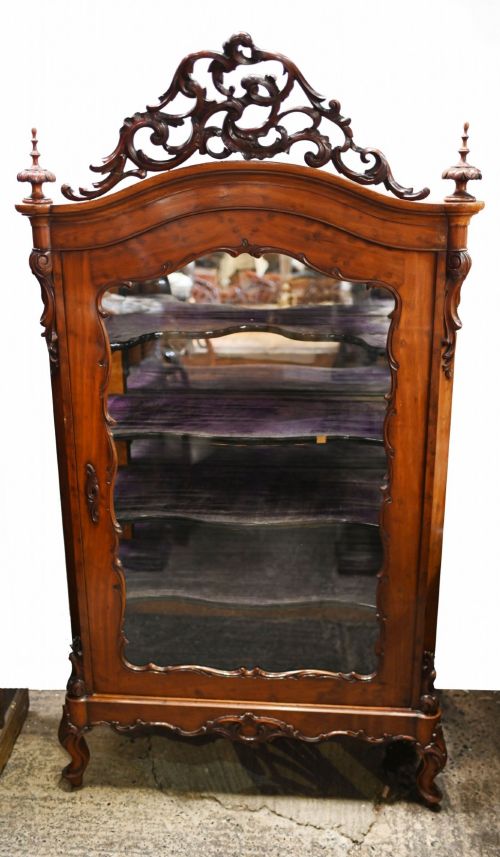
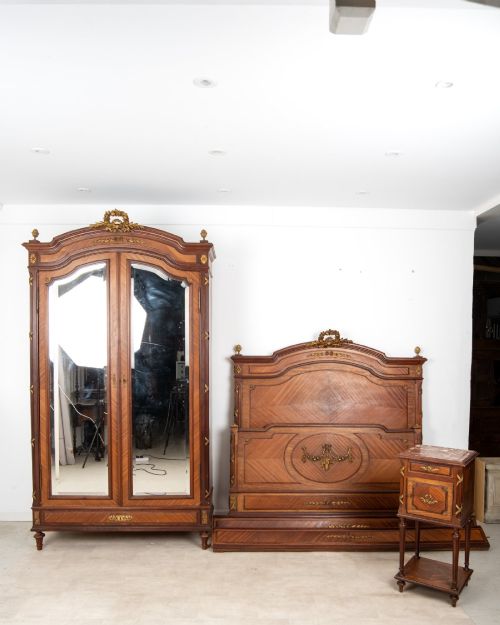
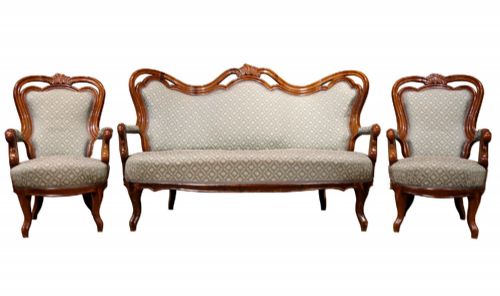
When buyers search for louis revival furniture, they encounter pieces spanning the nineteenth and early twentieth centuries, drawing heavily upon Louis XV and Louis XVI design idioms. These creations range from writing desks and envelope card tables to display cabinets, vitrines and bedroom suites.
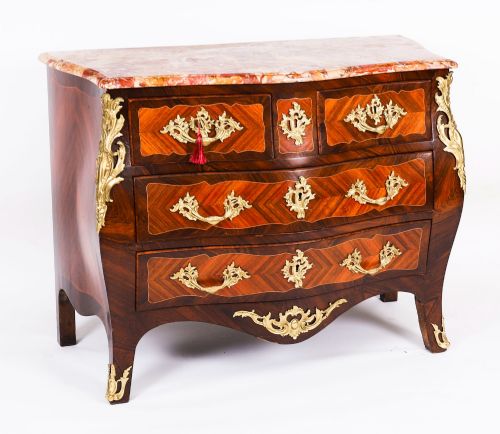
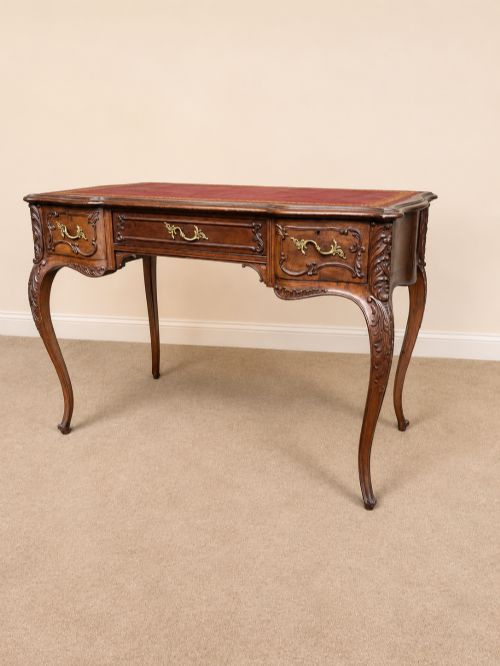
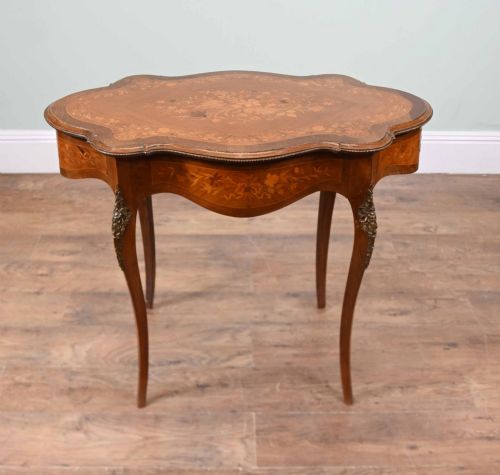
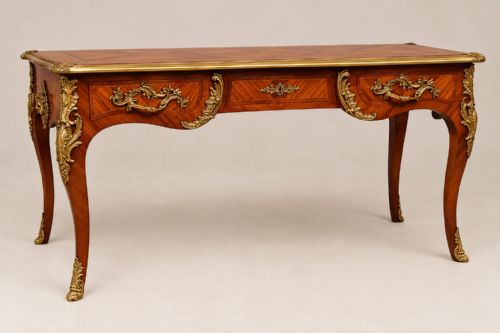
The selections on this page lean heavily towards French and Victorian craftsmanship, frequently incorporating specific forms like the bureau plat, side tables and bombé cabinets. These items bridge the gap between functional household objects and highly decorative salon furnishings.
Originating across Paris, London and Edinburgh workshops, the inventory demonstrates how deeply nineteenth-century makers engaged with Rococo and neoclassical vocabularies. Such works served affluent households seeking the prestige and romanticism associated with Versailles.
How they were made
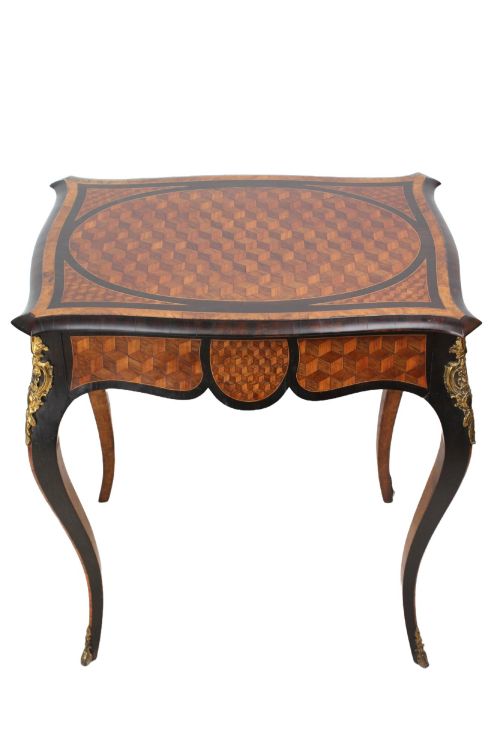
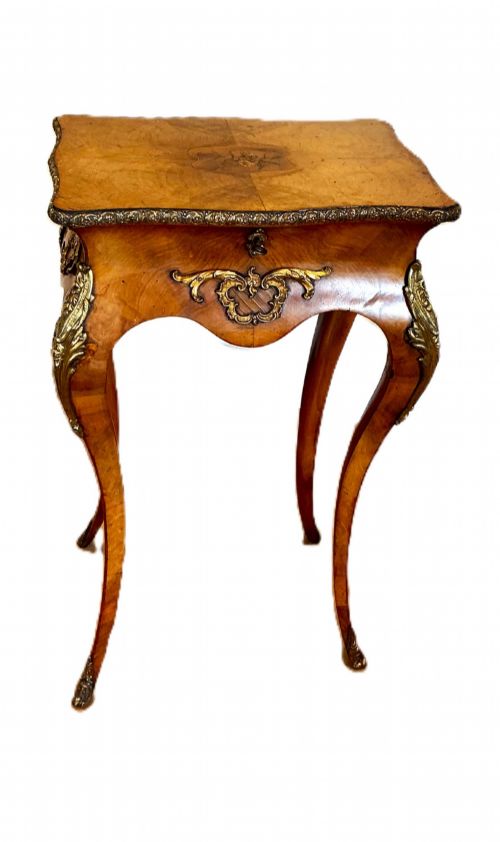
Cabinetmakers constructed carcass frames from dense timbers such as mahogany, walnut, kingwood and rosewood, often applying intricate parquetry or marquetry veneers in geometric and floral patterns. Artisans then integrated cast ormolu and gilt-bronze mounts to accentuate the structural contours and protect vulnerable corners.
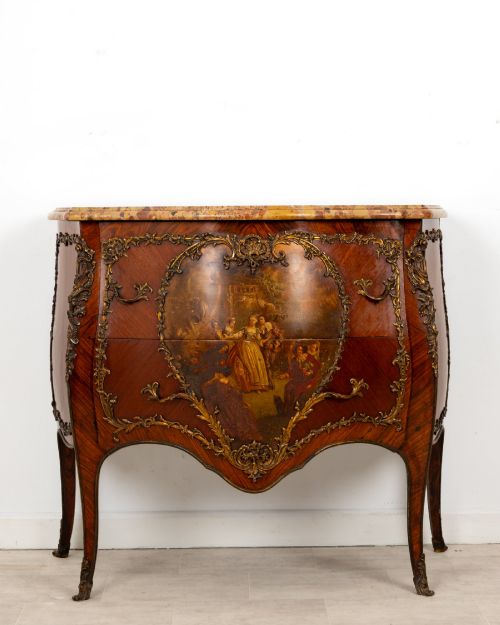
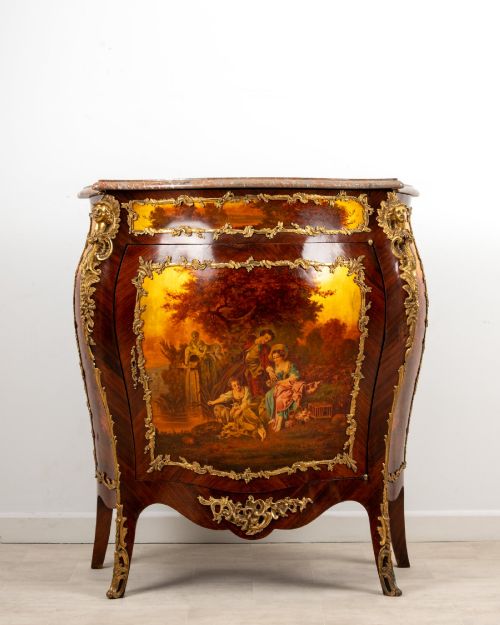
Surface decoration frequently relied on hand-painted floral panels, Vernis Martin lacquer work, inset porcelain plaques and polished marble tops. Specialised joinery allowed for complex curved fronts on bombé cabinets and smooth folding mechanisms on card tables.
Louis Revival Furniture Retail Price Guide 2026
Typical asking prices for louis revival furniture among the pieces listed under this phrase on Sellingantiques today, from the lower quarter to the upper quarter. They describe what is for sale here now, not the wider market.
Listings feature periods from the mid-nineteenth century through the 1930s, utilising mahogany, kingwood, walnut, and rosewood alongside marble and ormolu.
What varies in quality
The distinction between standard commercial output and exceptional studio work rests largely on the crispness of the gilt-bronze chasing and the precision of the timber veneers. Master workshops employed heavier, finely chased ormolu mounts that fit seamlessly against the wood grain rather than relying on mass-produced brass stampings.
Interior secondary woods, the depth of hand-carved detailing on giltwood frames, and the inclusion of signed maker plaques or stamps elevate individual pieces. Items featuring genuine hand-painted panels or Pietra Dura inlays demand closer appreciation for artistic execution.
JAS Shoolbred·Antoine Lampre·G T Morant·François Linke·Donald Ross·Haentgos Freres·Morison and Co·Gillows
The Louis Revival Furniture Glossary
- Ormolu
- Gilded bronze mounts applied to furniture for decoration and edge protection. This technique involved mercury amalgamation in period pieces, yielding a distinct deep lustre.
- Parquetry
- Geometric wood inlay patterns resembling mosaics. Makers utilised contrasting timbers like kingwood and rosewood to create three-dimensional optical illusions on tabletops and drawer fronts.
- Vitrine
- A glass-fronted display cabinet designed to showcase porcelain and objets d'art. These pieces frequently feature mirrored backs and slender cabriole legs.
- Vernis Martin
- A simulated Japanese lacquer technique developed in eighteenth-century France and revived later. It produced translucent, luminous painted panels on cabinets and commodes.
- Bureau Plat
- A freestanding double-sided writing desk with a flat top, usually lined with leather. They often feature multiple drawers and elaborate ormolu sabots.
Louis Revival Furniture: Frequently Asked Questions
What is louis revival furniture?
These pieces are nineteenth and early twentieth-century interpretations of French court styles originally popularized during the reigns of Louis XV and Louis XVI. They include seating, storage cabinets and tables built with traditional European hardwoods and decorative mounts.
Buyers choose them to introduce architectural drama and classical proportion into period or contemporary rooms. Their varied forms reflect both formal salon culture and private domestic use.
How do I distinguish Louis XV from Louis XVI revival?
Louis XV revival pieces are characterised by asymmetrical curves, exuberant Rococo scrollwork, and flowing cabriole legs. The overall aesthetic feels organic and dynamic.
Louis XVI revival pieces pivot toward strict symmetry, straight fluted legs, and neoclassical rectangular geometry. They frequently incorporate urn motifs and crisp architectural lines.
Where were these pieces made?
Many items originated in specialised Parisian cabinet-making workshops that supplied international clientele. British furniture houses in London and Edinburgh also produced significant quantities.
Regional variations often reveal themselves in the choice of secondary timbers and the style of the bronze mounts. Parisian pieces lean toward elaborate ormolu ornamentation.
How should I care for marble and ormolu?
Marble tops benefit from prompt wiping of spills to prevent staining, using mild soapy water rather than acidic cleaners. Wax or harsh chemicals can dull the stone's natural finish.
Ormolu mounts require gentle dusting with a soft dry cloth. Avoid commercial brass cleaners that strip the original gilding.