





Louis Philippe Glass
Louis Philippe glass brings understated French elegance to a room through curved arches and gilded frames.
Louis Philippe Glass
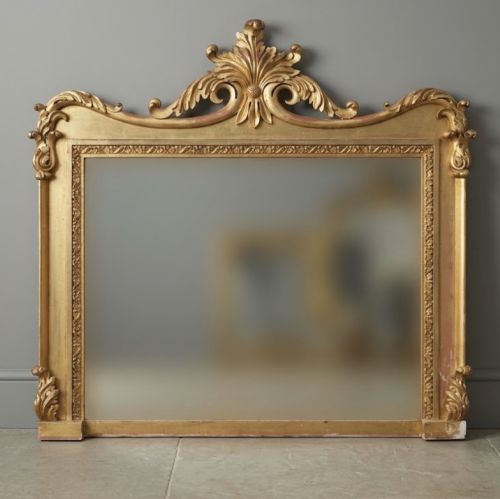
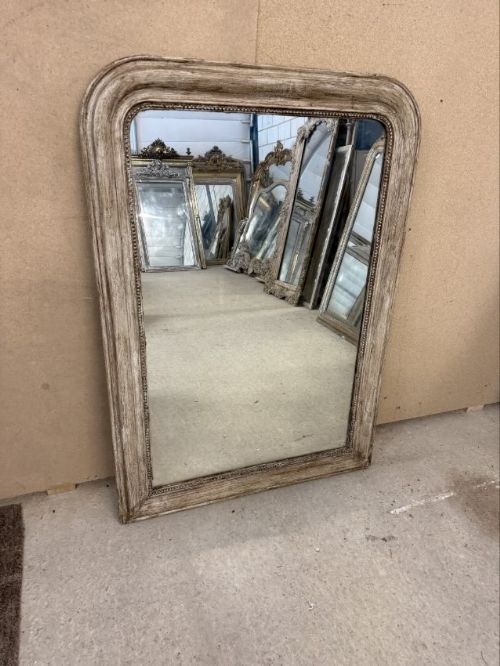
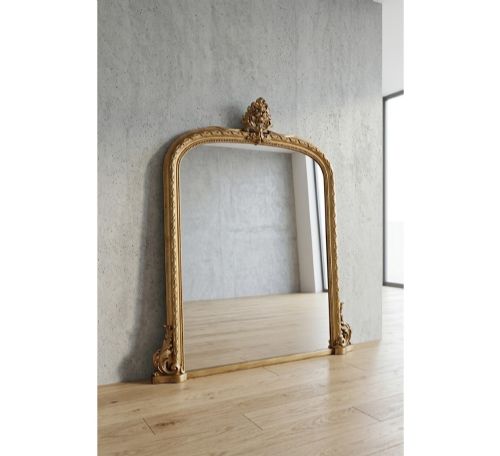
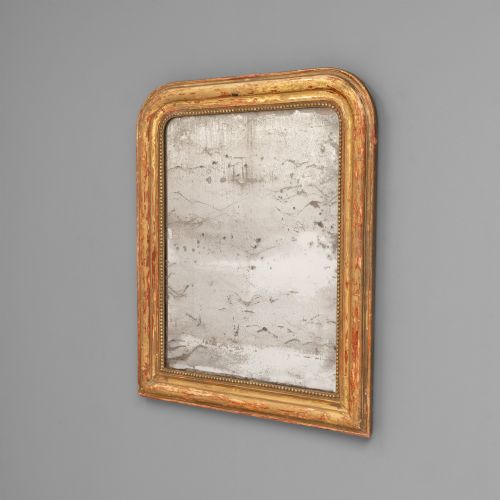
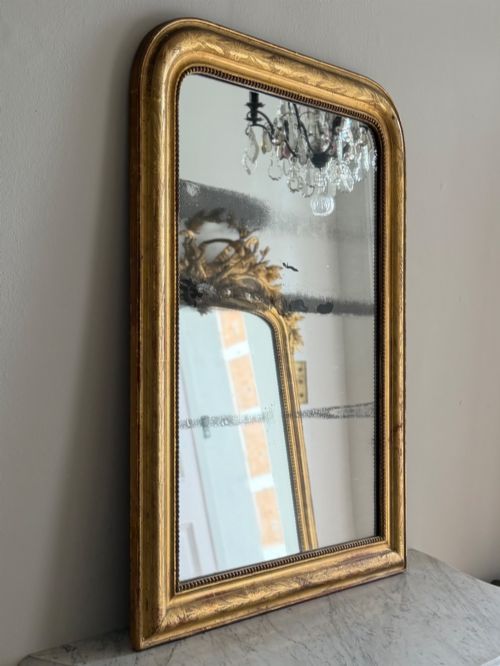
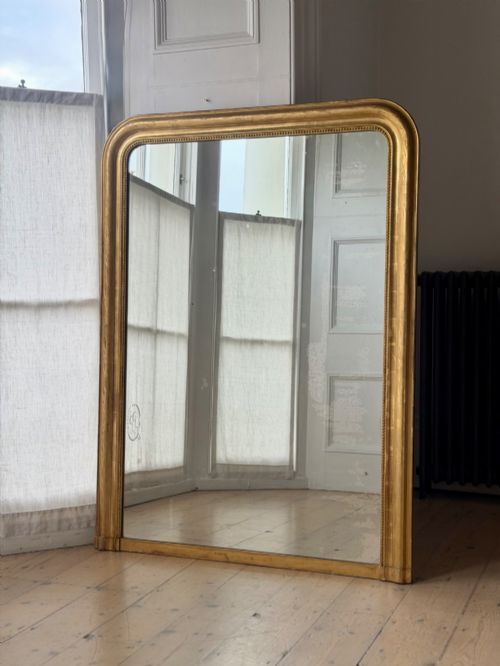
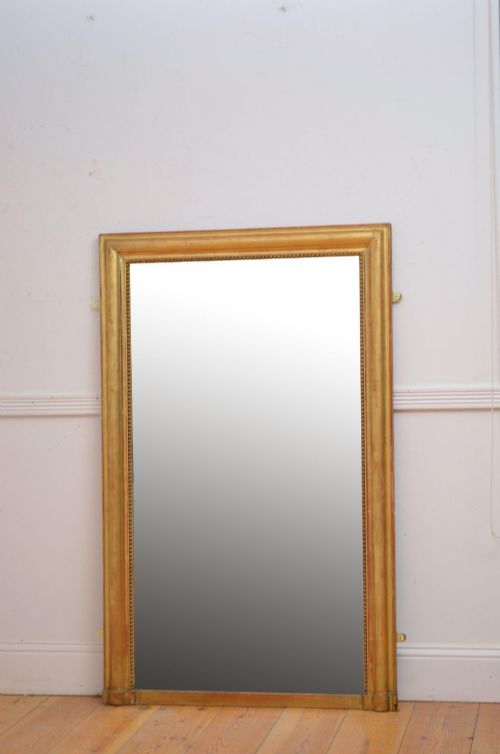
These pieces are primarily mirrors defined by characteristic arched tops and restrained rectangular proportions. When searching for louis philippe glass, buyers encounter large overmantel mirrors and wall mirrors originating from the nineteenth century.
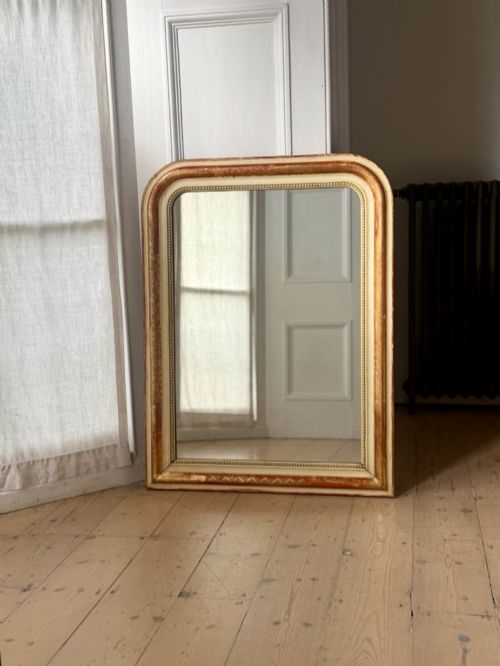
The aesthetic sits between formal Empire design and ornate later Victorian styles. Most examples display gentle curves at the top corners, balancing decorative crests with clean structural lines.
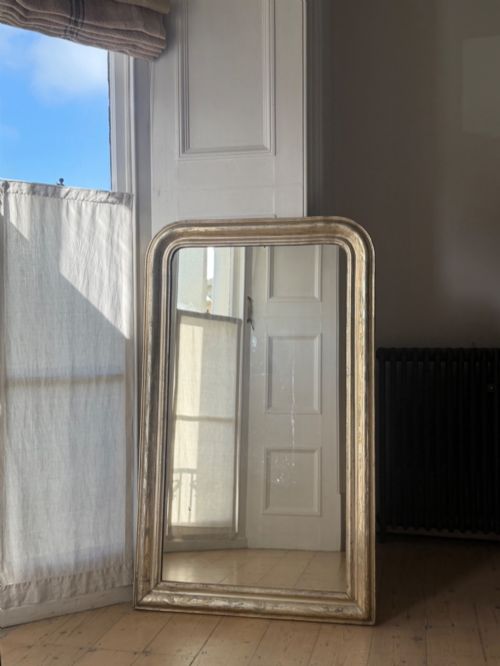
Originating predominantly from France, these mirrors served practical dressing purposes or dominated nineteenth century chimney breasts. The selection includes walnut frames alongside heavily gilded and silvered woodwork.
Materials and Construction
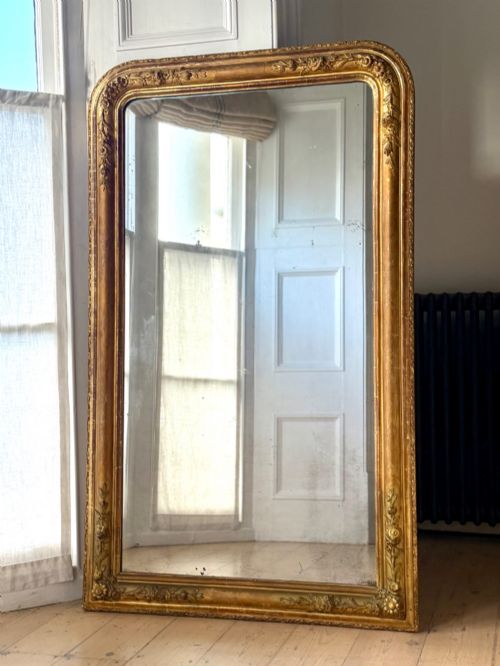
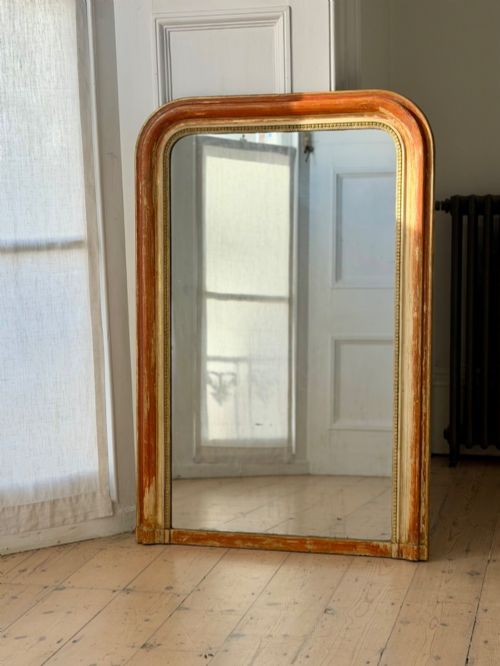
Carved wood and gesso form the foundational structure for the majority of frames. Artisans applied gold leaf, silver leaf, or paint over these prepared surfaces to achieve the desired metallic sheen.
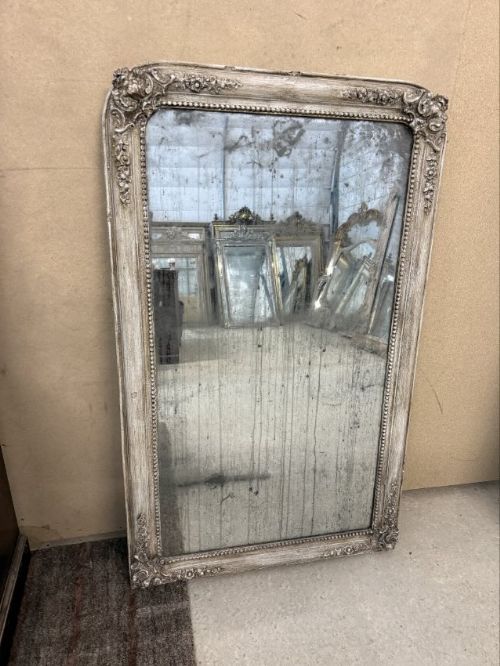
Reflective plates often consist of mercury glass, which produces a distinctive mottled appearance over time. Frames also incorporate walnut and mahogany woods, complemented by embossed floral details and ferns.
Louis Philippe Glass Retail Price Guide 2026
Typical asking prices for louis philippe glass among the pieces listed under this phrase on Sellingantiques today, from the lower quarter to the upper quarter. They describe what is for sale here now, not the wider market.
Listings feature nineteenth century pieces constructed from wood, gesso, and glass, spanning wall mirrors, overmantel mirrors, and dressing mirrors.
Evaluating the Pieces
Craftsmanship shows in the depth and precision of the carved wood and gesso ornamentation. Superior examples maintain crisp floral embossing and well-balanced proportions around the signature arch top.
The character of the glass plate heavily influences the overall appeal of a mirror. Original mercury glass with natural foxing commands attention, while the integrity of the original gilding or silvering defines the condition of the frame.
The Louis Philippe Glass Glossary
- Mercury glass
- A type of mirrored glass produced by pouring a silvering mixture between double-walled blown glass. This technique creates a characteristic mottled reflectivity that develops foxing over time.
- Gesso
- A plaster-like mixture applied to wood frames to create a smooth surface for gilding. Skilled artisans carved intricate floral and leaf details directly into this layer.
- Giltwood
- Timber coated with a thin layer of gold leaf or gold paint. It provides the bright reflective finish seen on many nineteenth century French mirrors.
- Overmantel mirror
- A large mirror specifically designed to hang above a fireplace mantelpiece. These pieces often feature wide proportions and elaborate crests.
- Foxing
- Age-related spots and discoloration within the mirrored glass plate. This chemical oxidation appears as dark patches behind the glass surface.
Louis Philippe Glass: Frequently Asked Questions
What defines a Louis Philippe mirror?
These mirrors are characterised by a distinct arched top and gentle curved corners that soften the rectangular frame. They present a simpler silhouette than earlier ornate French styles, focusing on balanced proportions.
Most examples date from the nineteenth century and incorporate traditional materials like carved wood, gesso, and original mercury glass.
How do I hang a heavy overmantel mirror?
Due to the substantial weight of carved wood, gesso, and glass, secure wall fixings into masonry or direct wooden studs are essential. Professional mirror hangers utilise heavy-duty brackets suited to the exact weight of the frame.
Positioning the piece above a fireplace mantel follows traditional placement, reflecting light across the room.
What is foxed mercury glass?
Foxed mercury glass refers to the natural ageing process where the silver backing oxidises and forms spots behind the reflective surface. This creates a cloudy, mottled appearance unique to older mirrors.
Collectors prize this characteristic for the authentic historic depth it brings to nineteenth century interiors.
Where were these mirrors made?
The majority of these pieces originate from France during the nineteenth century. They reflect the design movements prevalent in French chateaux and urban salons of that era.
British examples also appear, showing similar craftsmanship in carved wood and gesso construction.