


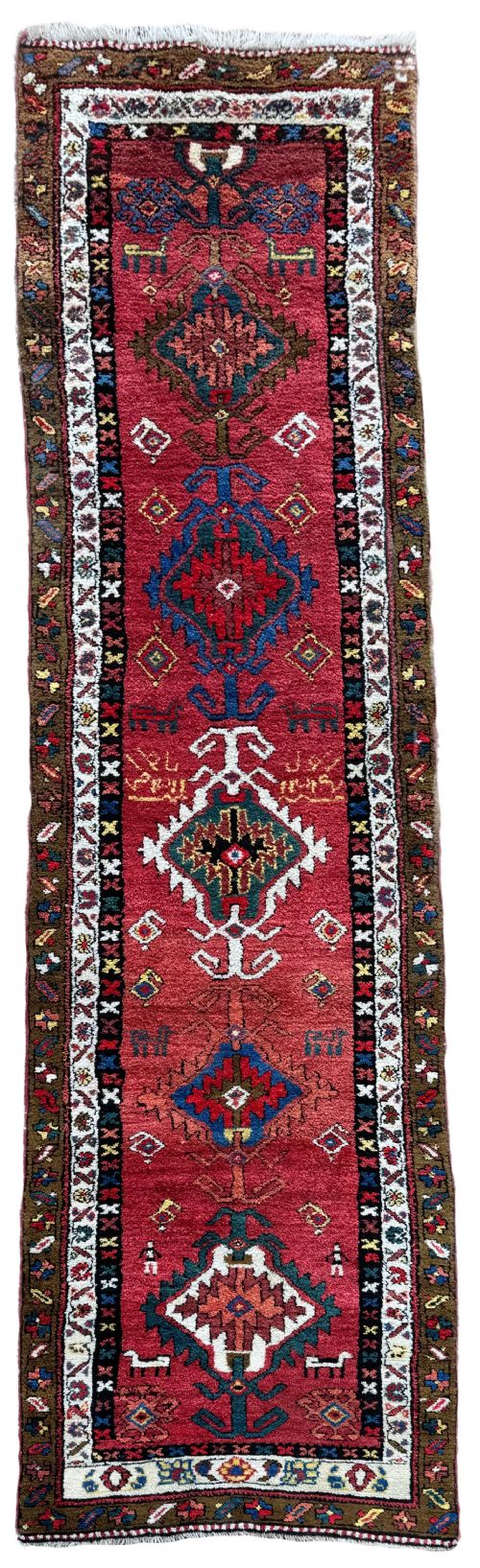
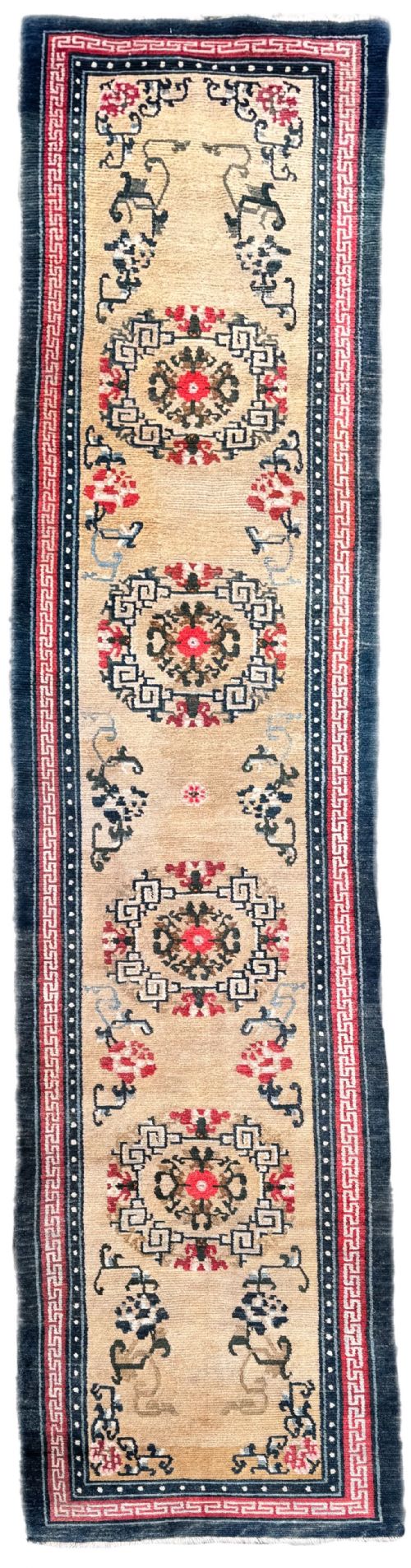
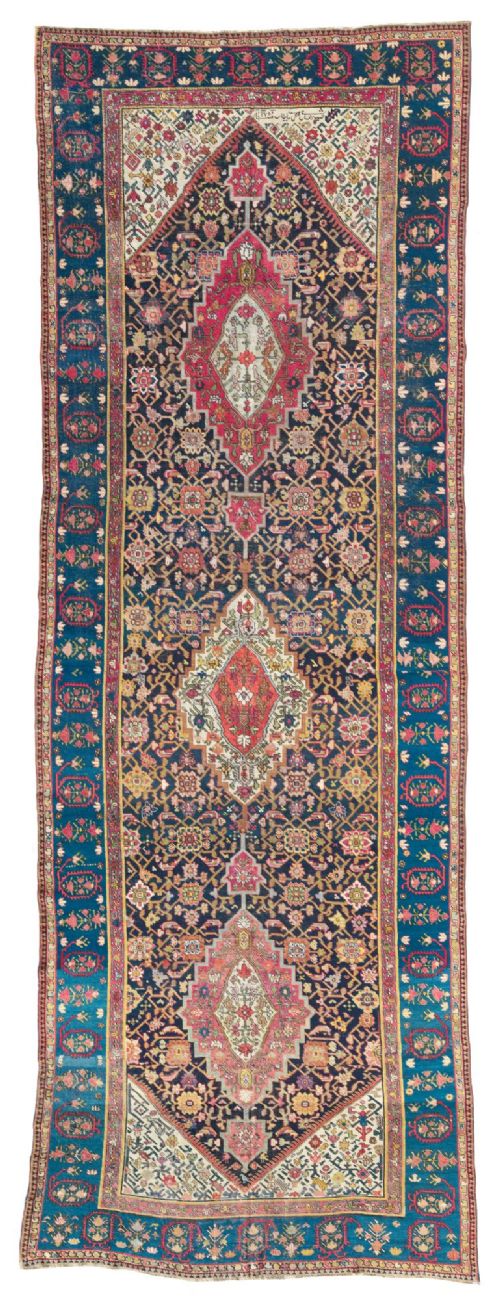

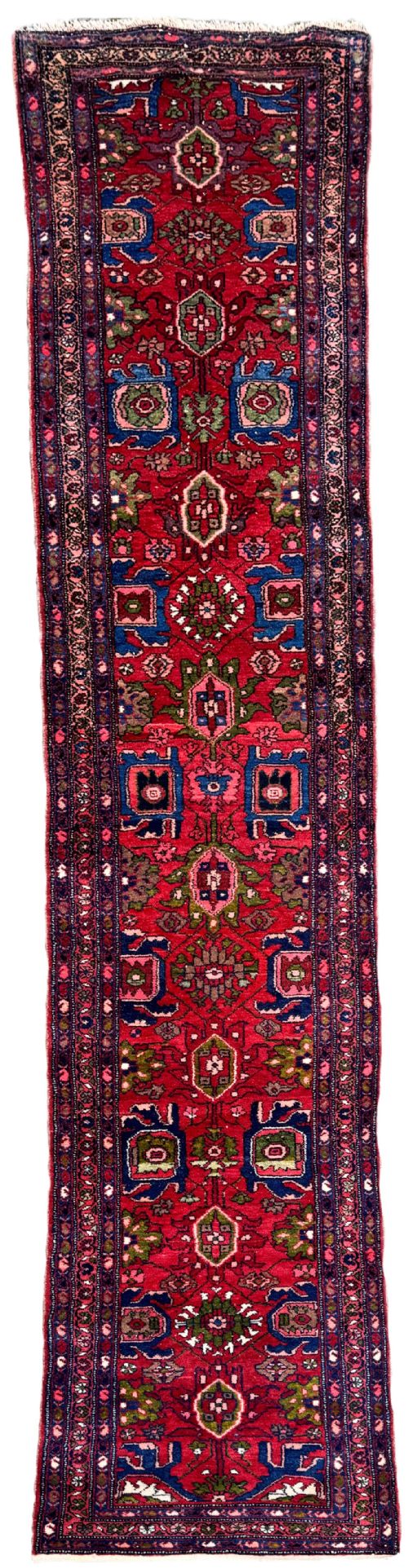
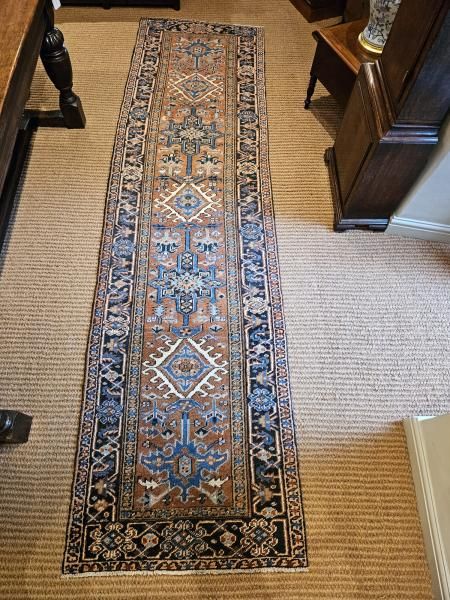
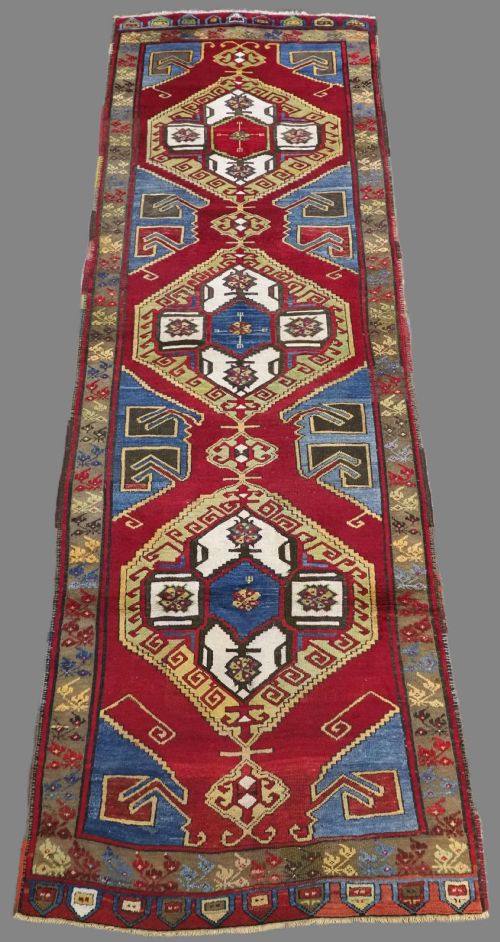
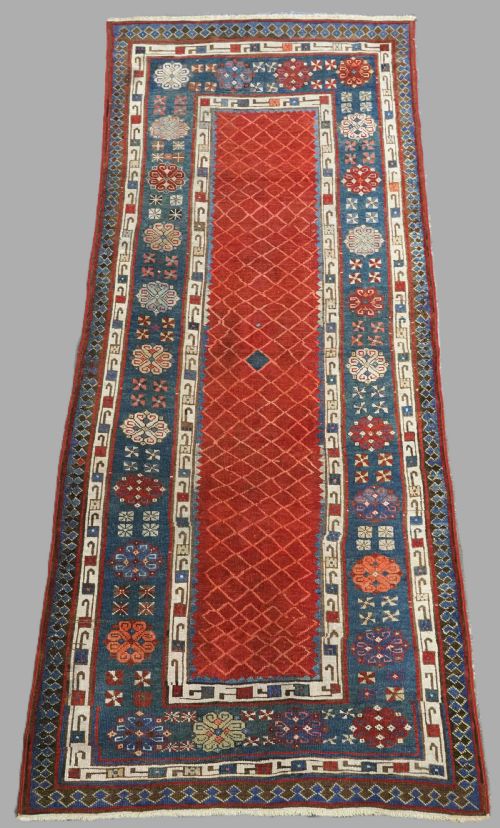
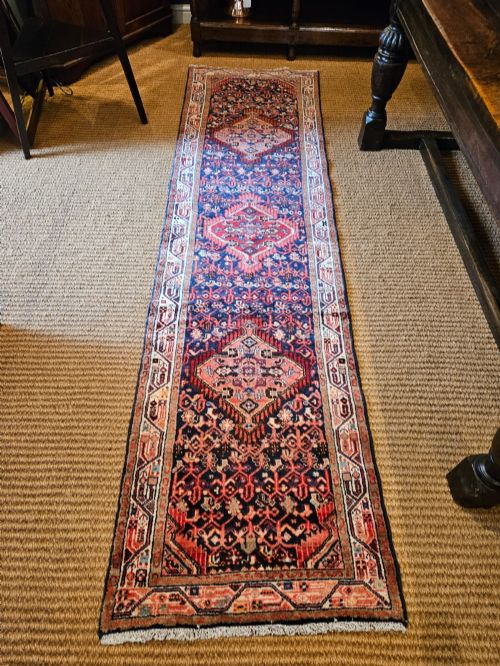
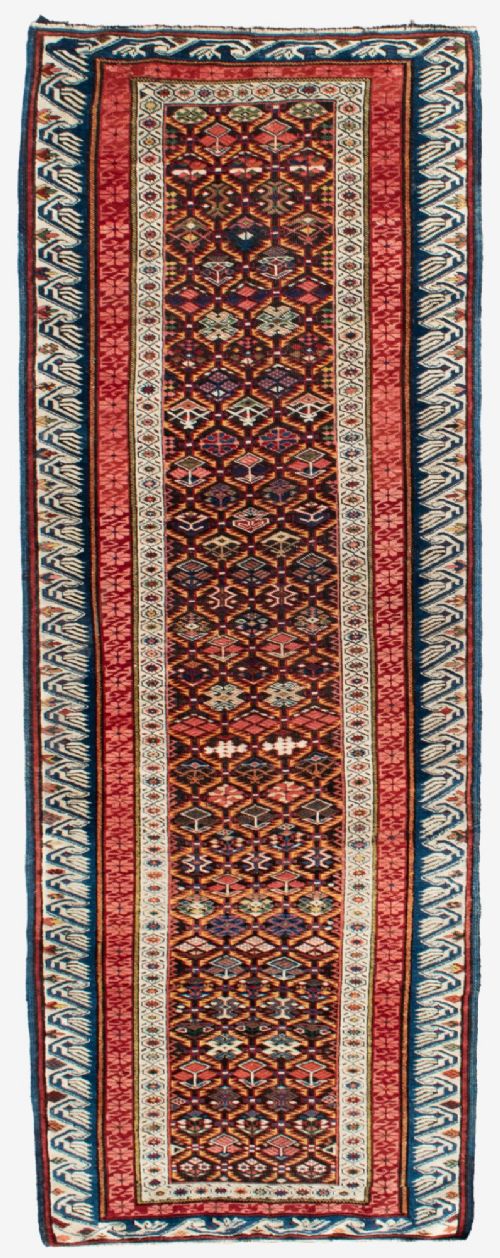
Long Wool Runner
A long wool runner bridges wide halls and narrow landings with genuine tribal character, bringing centuries of hand-knotted heritage directly beneath your feet.
Long Wool Runner
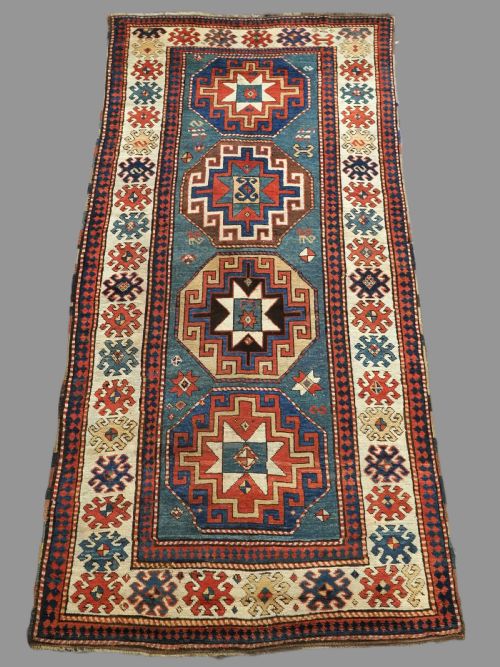
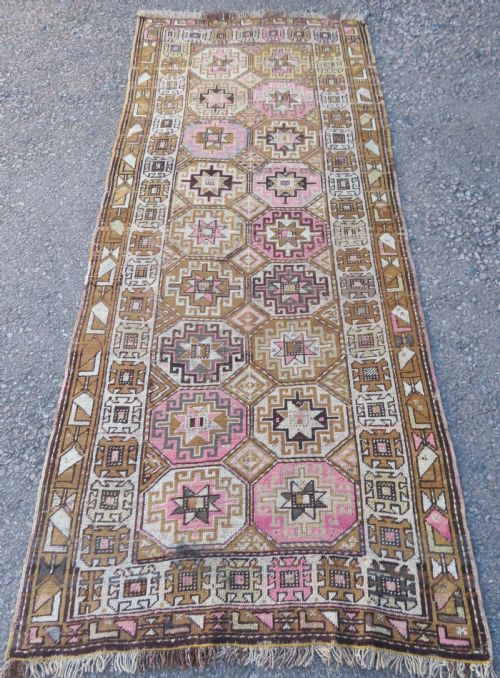
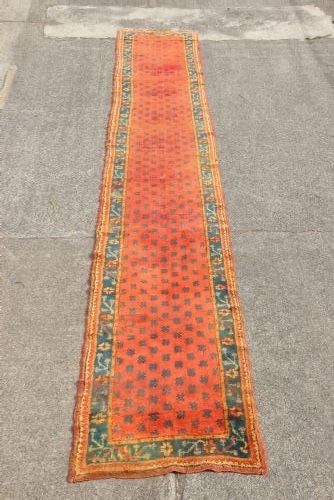
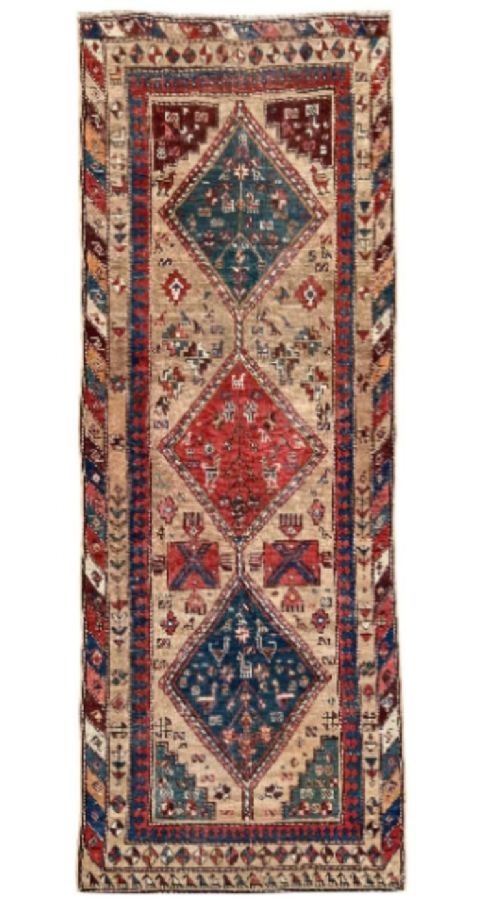
A long wool runner provides a durable floor covering shaped for corridors, stairs, and halls, frequently appearing in forms like Persian, Caucasian, Anatolian, and Kurdish village weaves. These textiles range from narrow village strips spanning a few metres to substantial corridor carpets created by nomadic and town workshops across the nineteenth and early twentieth centuries.
The pieces on this page draw from distinct regional weaving traditions, including Heriz, Oushak, Karabagh, and Shirvan workshops where weavers utilised traditional looms. Buyers encounter formats spanning standard nine-foot lengths up to exceptionally extended hallway dimensions dating from the eighteen-fifties through the nineteen-thirties.
How they were made
These textiles rely principally on wool, cotton, and hand-spun wool fibres manipulated through traditional handweaving and hand-knotting techniques on vertical or horizontal looms. Weavers employed natural dyes to saturate the wool yarn before executing intricate geometric, lattice, and tribal medallion motifs.
Foundation warps generally consist of sturdy cotton or wool threads that support the dense pile of the runner, ensuring structural integrity across long spans of heavy domestic traffic.
Listings span periods from the 1850s through the 1960s, featuring wool, cotton, and hand-spun wool across Persian, Caucasian, and Anatolian traditions.
What varies in quality
Quality rests upon the fineness of the knot count and the tightness of the wool weave, which together dictate how well a runner withstands decades of footfall in a hallway. Pieces featuring hand-spun wool and deeply saturated natural dyes show greater chromatic depth and resilience than later chemical-dyed equivalents.
The precision of the tribal geometry and the integrity of the original wool pile distinguish superior examples from heavily distressed or structurally compromised corridor carpets.
The Long Wool Runner Glossary
- Runner
- A long, narrow carpet format specifically proportioned for hallways, corridors, and staircases. These pieces measure significantly longer than they are wide.
- Kelleh
- A large, room-sized or extended format rug traditionally woven in Persian and Caucasian workshops. They share the elongated proportions common to heavy corridor carpets.
- Gul
- A medallion or repeating octagonal motif frequently found in Turkmen and Afghan tribal weaving traditions. These stylized floral and geometric forms structure the central field.
- Mina Khani
- A repeating pattern composed of interconnected flowers and lattice designs distributed evenly across the field. This classic Persian motif appears on fine antique Kurdish runners.
- Warp
- The stationary vertical threads stretched onto a loom that form the structural foundation of the rug. Weft threads are woven horizontally across these warps to lock the knots in place.
Long Wool Runner: Frequently Asked Questions
Where should I place a long wool runner?
These narrow textiles suit high-traffic thoroughfares such as corridors, hallways, and large landings where their elongated dimensions bridge open spaces.
Their robust wool construction handles daily footsteps while introducing rich tribal patterns to otherwise plain architectural timber or stone floors.
How do I identify the age of an antique runner?
Dating relies on examining the specific wool preparation, dye palette, and regional knotting style characteristic of nineteenth and early twentieth-century village production.
Early examples often display hand-spun wool and organic natural dyes, whereas later twentieth-century pieces incorporate different structural foundations and brighter chemical hues.
Are these runners made with natural dyes?
Many antique village and tribal runners utilise organic natural dyes extracted from plants and minerals, resulting in complex and shifting tones across the wool pile.
These traditional colour sources mature gracefully over decades, displaying subtle variations known as abrash that synthetic dyes rarely replicate.
How do I care for a vintage wool runner?
Regular gentle vacuuming without a rotating brush roll prevents dust from settling deep into the wool pile of the hallway carpet.
Professional specialist cleaning remains essential every few years to protect the hand-spun fibres and maintain the structural integrity of the cotton or wool foundation.