



Long Timber Bench
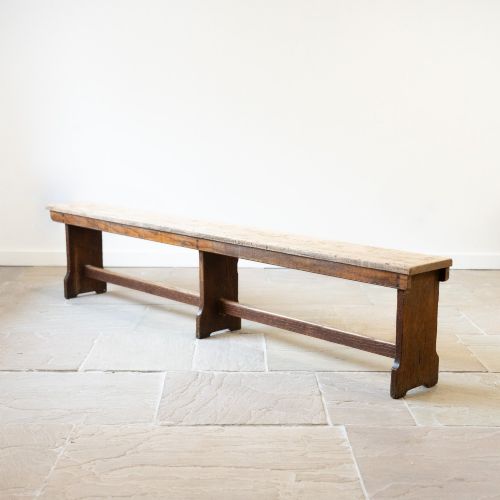
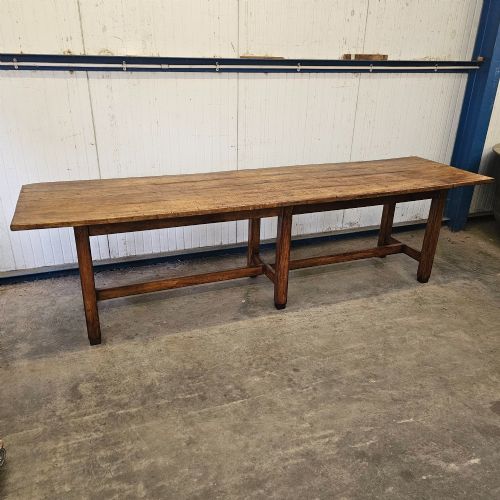
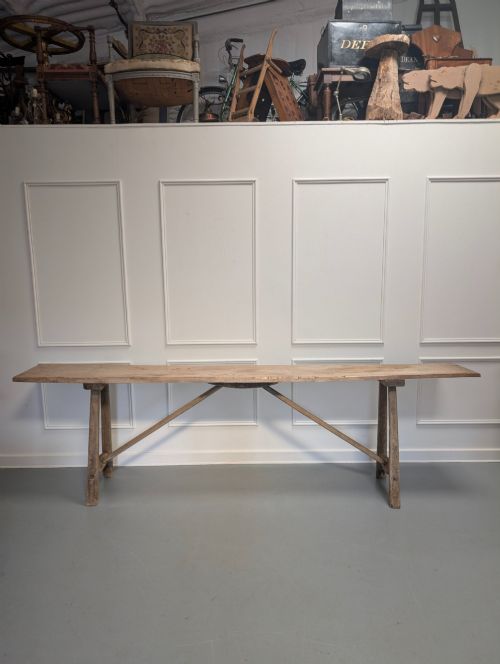
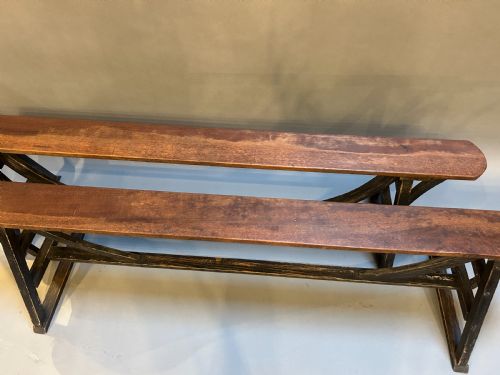
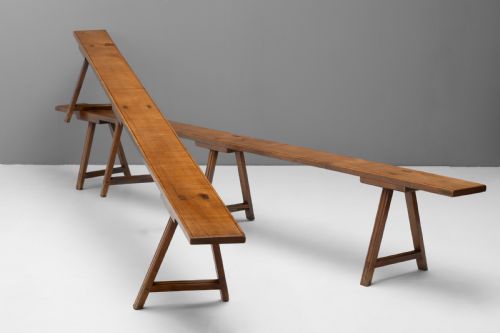
A long timber bench anchors a room with simple presence, offering sturdy seating formed from oak, pine, elm, and cherry.
Long Timber Bench
The pieces on this page encompass oak dining benches, French elm benches, pine seating, and occasional workbenches or hall seats. Surviving examples range from vernacular country pieces originating in France, Wales, and Sweden to formal stylistic expressions like Carolean style low hall seats and Regency revival forms.
How they were made
Construction relies upon solid timbers including oak, pine, elm, beech, walnut, and cherry, occasionally incorporating brass and steel hardware for structural reinforcement. Carpenters and joiners shaped these materials using traditional woodworking tools to build durable frames capable of enduring decades of heavy daily use.
Surfaces display the natural grain of the wood, sometimes shaped through extensive manual preparation on dining preparation tables and workbenches. The joinery reflects period methods, utilising pegged joints, solid panels, and sturdy stretchers to support the considerable length of each bench.
Long Timber Bench Retail Price Guide 2026
Typical asking prices for long timber bench among the pieces listed under this phrase on Sellingantiques today, from the lower quarter to the upper quarter. They describe what is for sale here now, not the wider market.
Period origins span the eighteenth century, the nineteenth century, and the early twentieth century up to the nineteen-twenties.
What varies in quality
Quality rests upon the integrity of the timber and the honesty of the construction, distinguishing vernacular country utility from refined stylistic ambition. Oak and elm examples from the eighteenth and nineteenth centuries demonstrate robust structural timber selection compared to lighter pine or later adaptations.
The proportion and balance of length dictate the visual weight of the bench, where substantial boards and uncompromised support timbers elevate the piece. Provenance and original context, such as pieces originating from identifiable historical locations, further separate standard domestic seating from distinguished examples.
Norris London
The Long Timber Bench Glossary
- Vernacular
- Architecture and furniture built by local craftsmen using traditional regional methods and local materials, without academic design input. These pieces prioritise practical utility over formal style.
- Stretcher
- A horizontal timber connecting the legs of a bench or table to provide lateral stability and rigidity. It prevents the legs from bowing outward under heavy loads.
- Carolean style
- An English design movement spanning the mid to late seventeenth century, characterised by rich carving, scrollwork, and turned elements. Later revival pieces emulate these distinct motifs.
- Panel plane
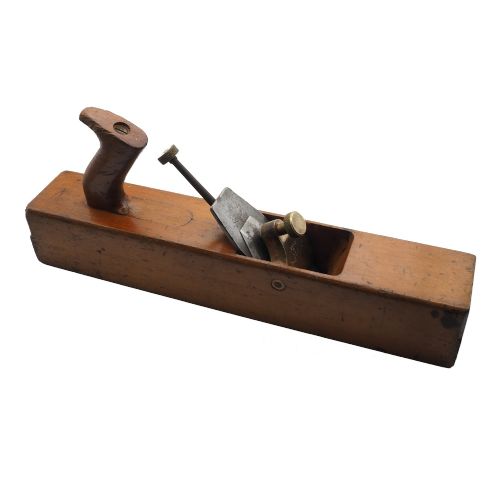
- A woodworking hand plane used by carpenters to flatten and smooth large boards of timber. Norris London represents a notable maker of these precision tools.
Long Timber Bench: Frequently Asked Questions
How do I clean an old timber bench?
Maintain the surface using a soft dry cloth to remove dust without disturbing the aged patina of the wood.
Avoid harsh chemical cleaners or excess moisture, applying traditional beeswax sparingly if the timber appears dry.
Where were long benches used historically?
Long benches served practical functions in domestic dining spaces, preparation rooms, country houses, and ecclesiastical settings.
Examples originating from palaces, churches, and large rural homes indicate they provided communal seating or sturdy work surfaces.
How can I tell an eighteenth century bench apart from a nineteenth century one?
Eighteenth century benches frequently display deep patination on native oak, showing hand-worked joinery and thicker board construction.
Nineteenth century examples often incorporate wider timber availability, different regional woods like elm or pine, and varied revival stylistic influences.
Can I use a heavy timber workbench for daily seating?
Substantial workbenches offer exceptional structural stability and generous proportions well suited for extended seating arrangements.
Their utilitarian design brings industrial character to modern interiors while providing the same robust platform originally intended for manual craft.