

Long Rustic Table
A long rustic table brings timber boards and centuries of domestic utility straight into a modern dining room.
Long Rustic Table
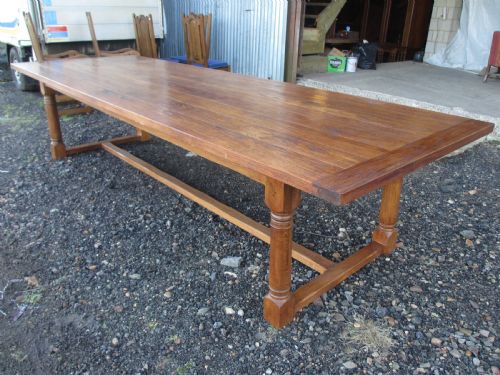
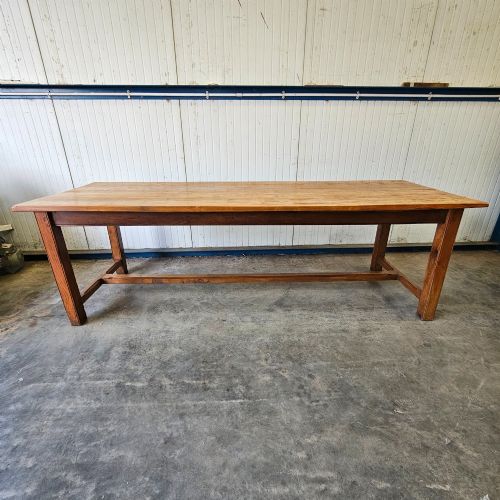
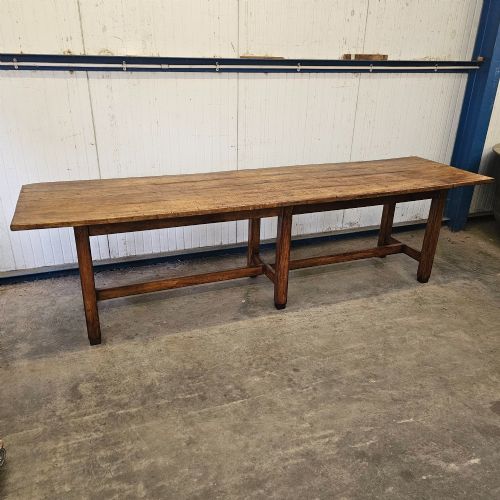
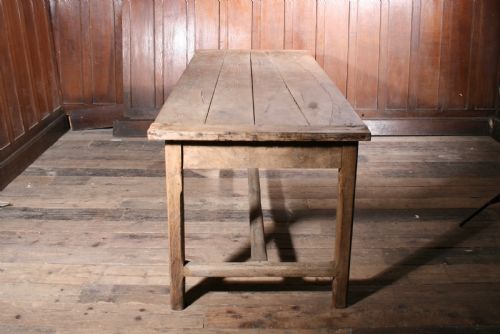
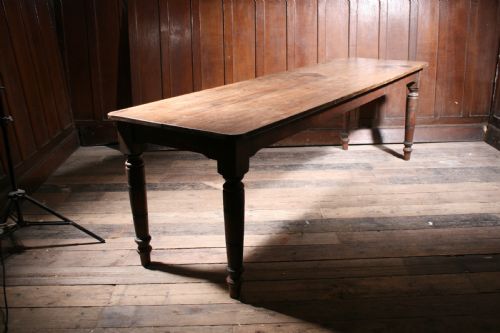
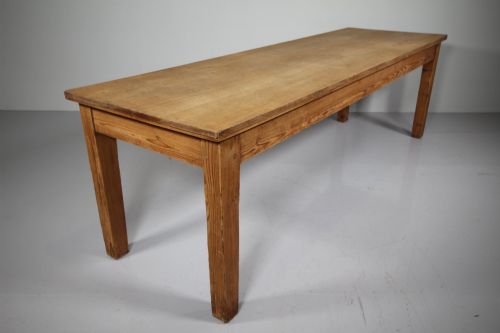
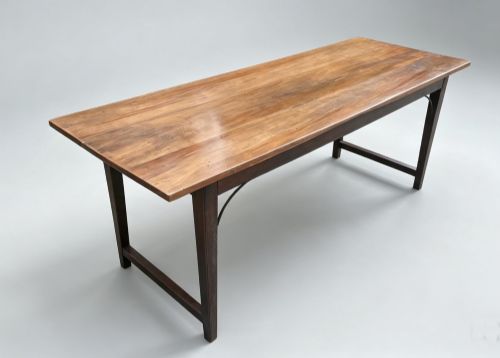
A long rustic table serves as the primary gathering surface in traditional kitchens, dining rooms, and sculleries. These heavy timber boards reflect centuries of domestic work, food preparation, and communal dining.
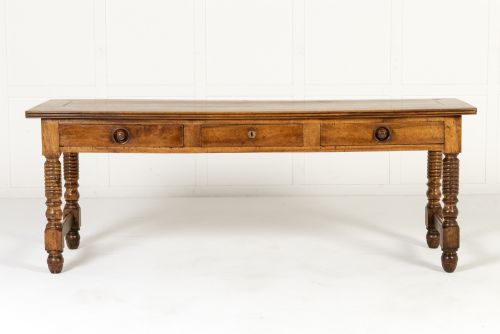
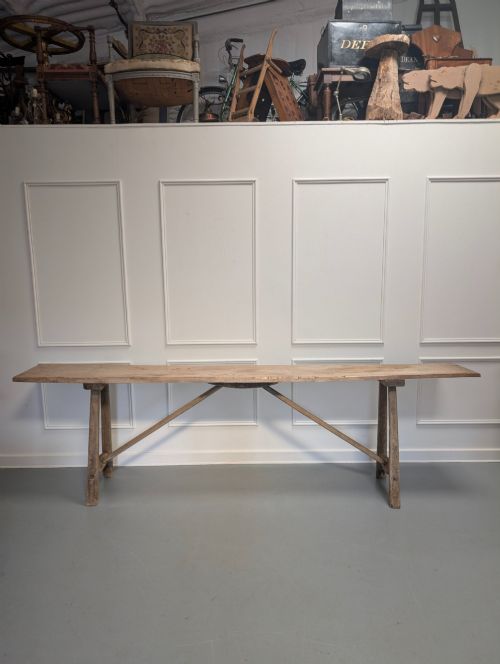
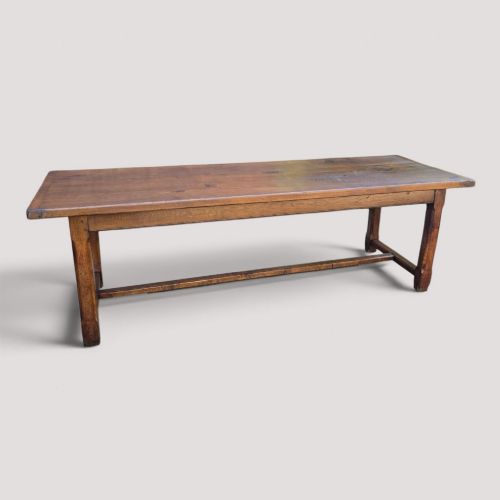
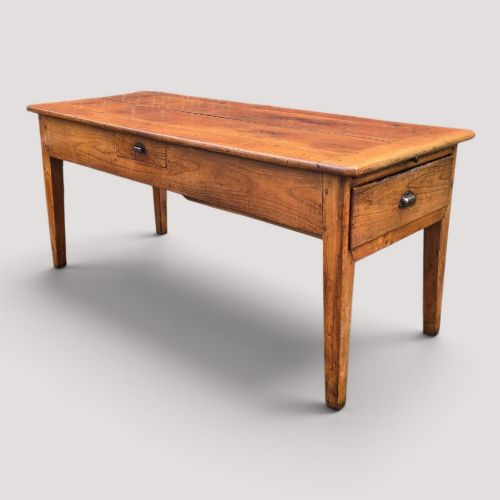
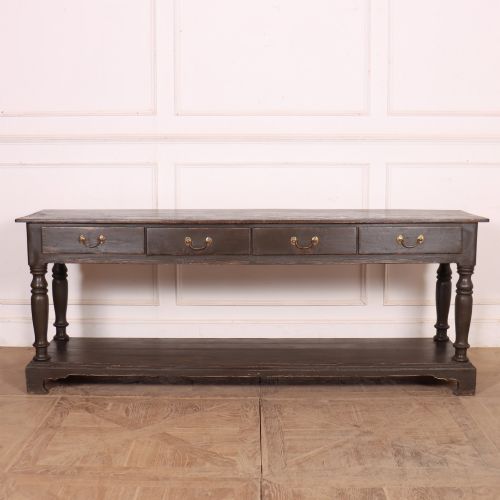
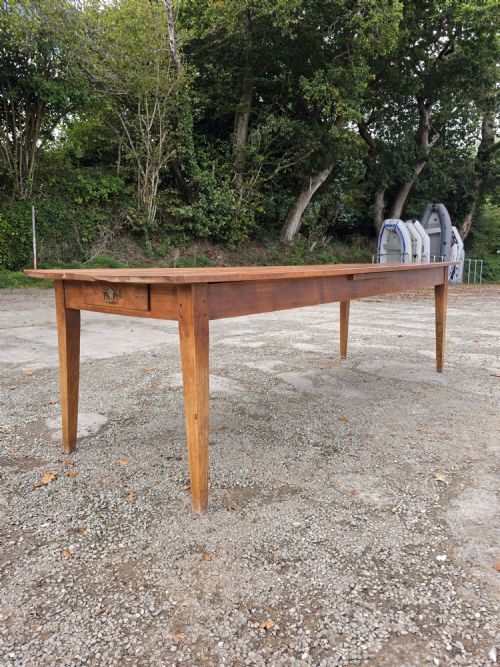
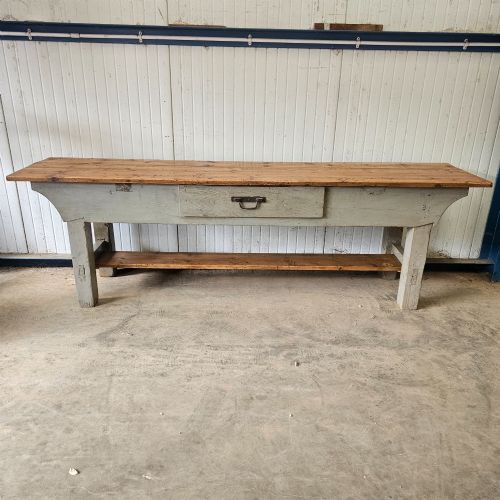
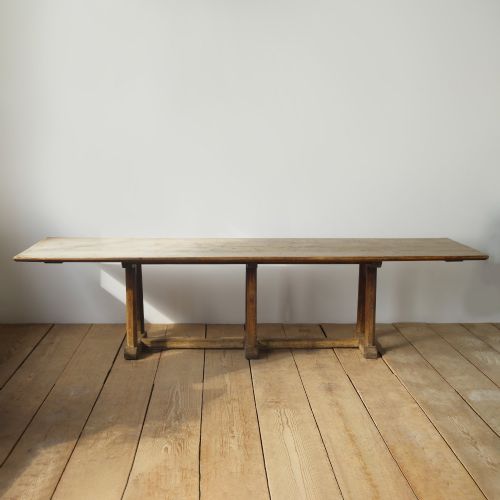
The pieces seen here span the eighteenth, nineteenth, and early twentieth centuries, drawing on English, French, Italian, and Swedish country traditions. Forms range from simple pine worktables and planked refectory boards to painted drapers tables and laundry boards.
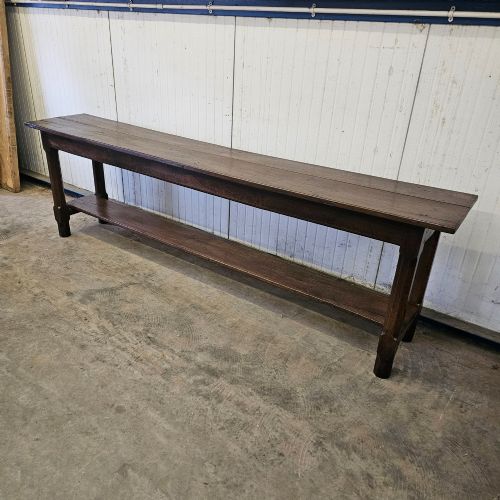
Buyers meet sturdy farmhouse tables alongside narrow console tables, serving tables, and multi-drawer harvest tables. Proportions tend to be generous in length, accommodating benches or rows of mismatched chairs.
Assessing construction and timber grade
Quality rests primarily on the integrity of the timber and the honesty of the construction. Superior examples retain their original structural timber without excessive replacement of boards or supporting stretchers.
The grain and thickness of the top planks define the visual weight of the piece. Tables with dense oak, walnut, or mature fruitwood display deeper tonal variation and wear than lighter utility pine.
Proportion and scale dictate desirability, particularly in exceptionally long formats where stability is essential. Original painted surfaces or untouched dry timber patination hold greater character than stripped or overly sanded boards.
Long Rustic Table Retail Price Guide 2026
Typical asking prices for long rustic table among the pieces listed under this phrase on Sellingantiques today, from the lower quarter to the upper quarter. They describe what is for sale here now, not the wider market.
The Long Rustic Table Glossary
- Refectory table
- A long narrow dining table originally designed for monastic dining halls. These sturdy surfaces feature long stretchers running near the floor between heavy legs.
- Drapers table
- A long utility table traditionally used in textile shops for measuring cloth. They frequently incorporate lower shelves or multiple drawers beneath the primary surface.
- Potboard dresser base
- A heavy base cabinet featuring an open lower shelf designed for storing pots and pans. The upper surface serves as a preparation or serving area.
- Twin plank table
- A dining surface constructed from two wide boards joined side by side. This method utilises mature trees yielding exceptionally broad timber.
- Scullery table
- A utilitarian worktable built for washing, food preparation, and kitchen chores. Pine and fruitwood are common materials for these practical domestic pieces.
Long Rustic Table: Frequently Asked Questions
How do I clean a wooden table top?
Wipe surfaces gently using a slightly damp cloth without harsh chemical detergents. Regular dusting keeps grit from abrading the historic timber grain.
Avoid soaking the wood or applying modern silicone polishes that seal moisture inside the vintage grain. Natural wax applied sparingly helps protect dry timber from atmospheric changes.
Can I use these tables for daily dining?
These boards were built explicitly for heavy daily labour and communal meals. Their robust construction handles everyday family use comfortably.
Use coasters and placemats to protect vulnerable aged finishes from hot dishes and moisture rings. The existing marks and scuffs form part of the ongoing history of the timber.
What is a refectory table?
A refectory table is a long, narrow dining table originally built for communal eating in monasteries and large households. They provide substantial seating capacity along their flanks.
Supporting stretchers run low between the legs to brace the long span against shifting or wobbling. Oak and elm are frequent materials for these substantial structures.
How do I date a rustic table?
Dating relies on observing tool marks, timber species, joinery methods, and structural wear patterns. Hand-sawn boards and pegged joints usually indicate older periods.
Hardware types such as hand-forged iron or early brass also help narrow down the decade of manufacture. Comparing proportions to documented regional styles confirms the likely era.