
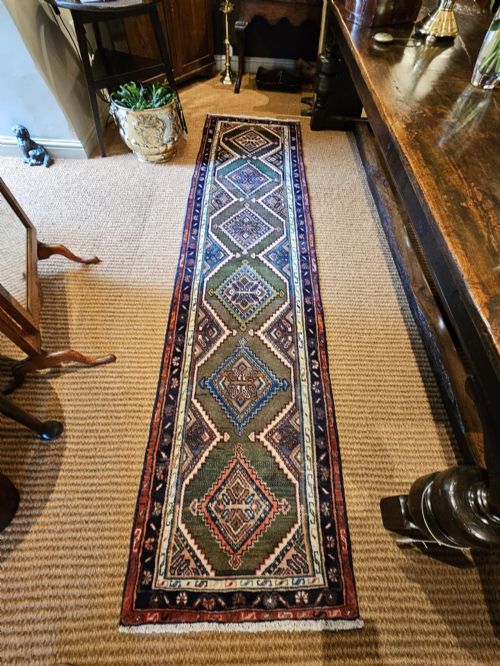
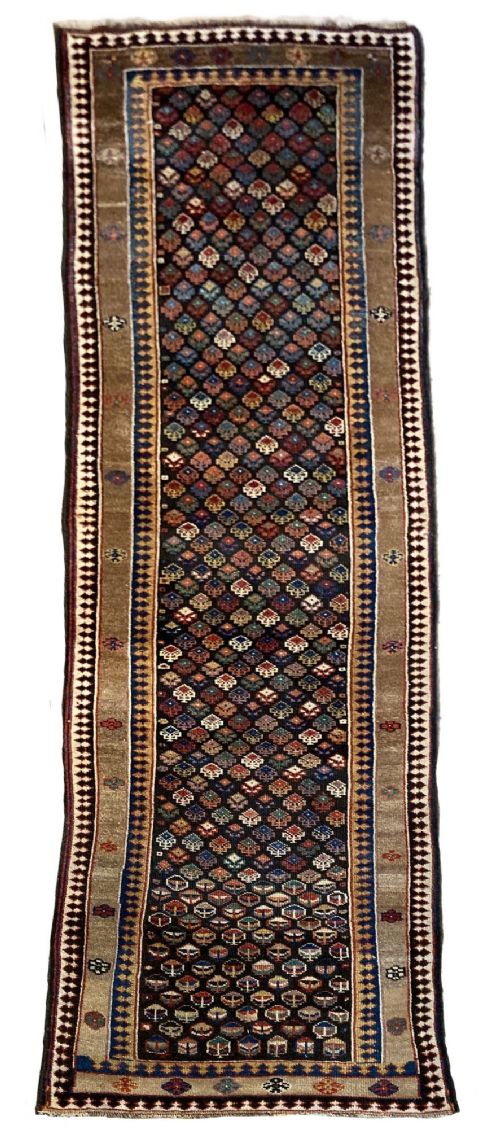


Long Narrow Hallway Rug
A long narrow hallway rug bridges domestic spaces with woven history, offering functional warmth and striking linear pattern underfoot.
Long Narrow Hallway Rug
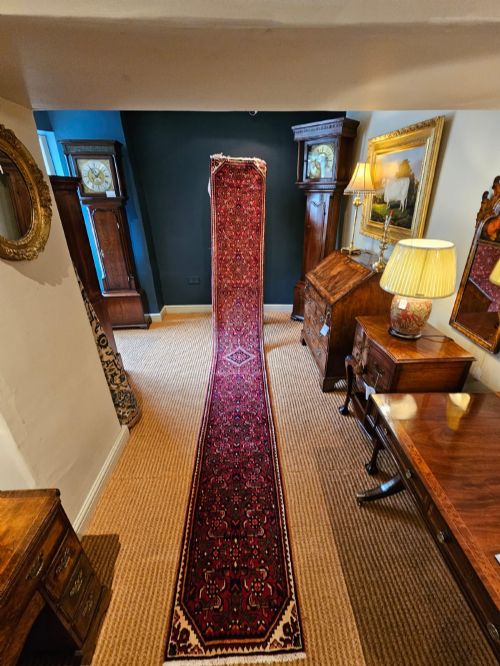
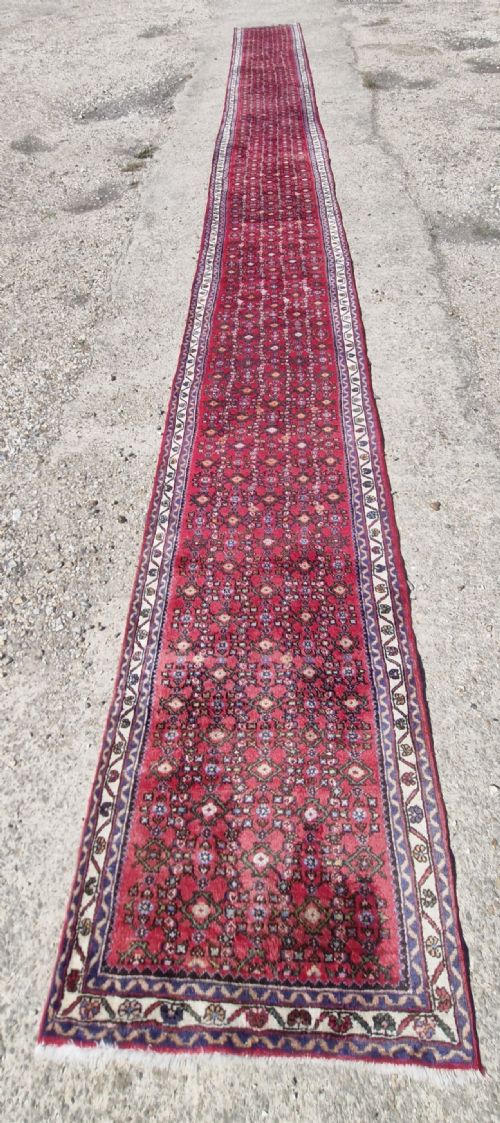
A long narrow hallway rug delivers functional floor covering designed specifically for corridors, landings, and extended entryways. These pieces typically stretch across significant lengths while maintaining a restrained width to suit narrow passage architectures.
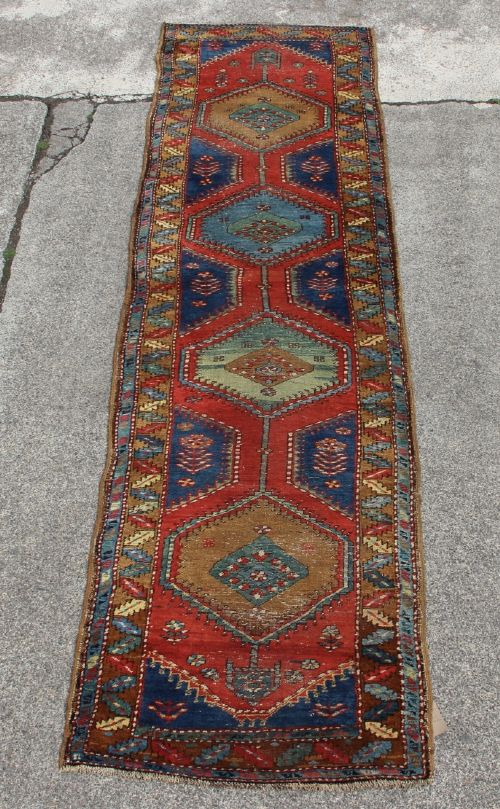
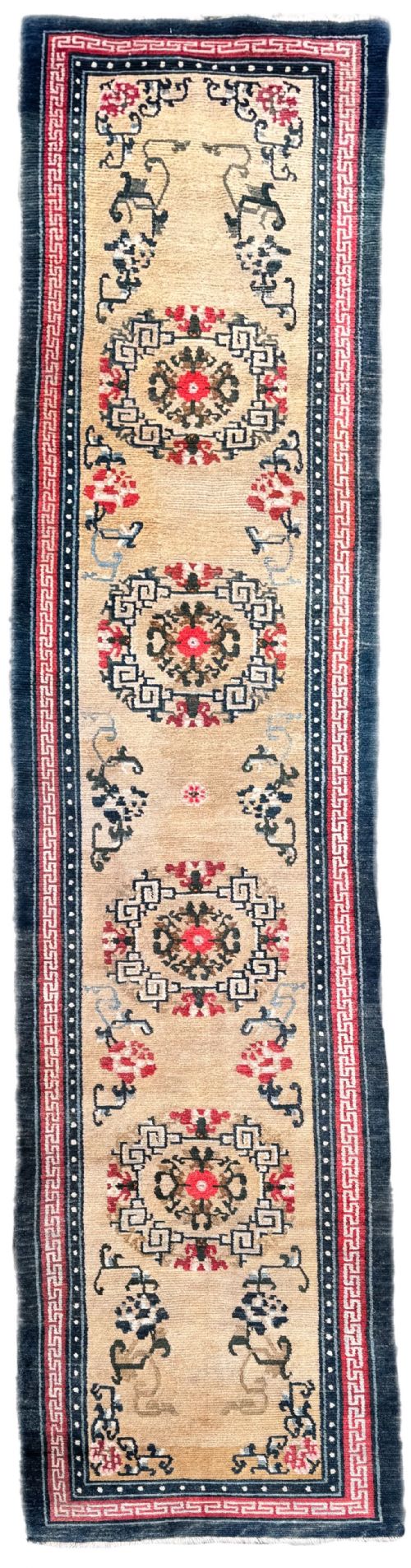
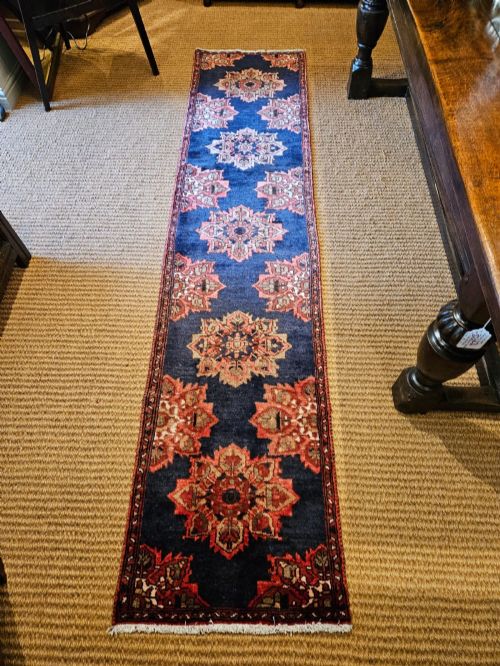
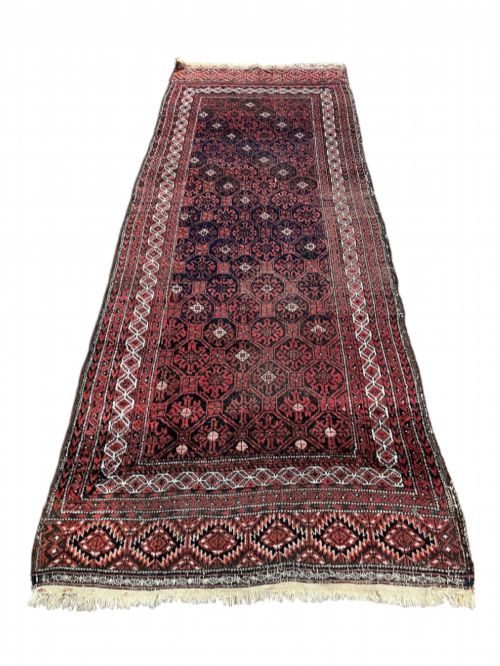
The selections span traditional Persian, Turkish, Moroccan, and Caucasian workshops, dating from the nineteenth century through the mid twentieth century. Buyers encounter regional village weaves, tribal pieces, and long runner carpets featuring distinct geometric and floral medallion formats.
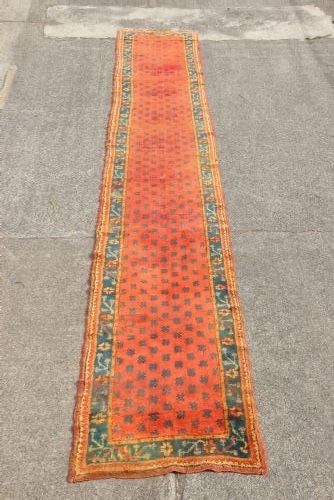
Origin points encompass Heriz, Hamadan, Oushak, and Kurdish regions, providing diverse aesthetic traditions within the linear runner format. The proportions allow these textiles to anchor extended circulation spaces effectively.
Materials and construction
Construction relies heavily on natural wool and cotton foundations, utilising hand-spun wool for pile yarns to ensure resilience underfoot traffic. Camel hair appears in select tribal pieces, adding natural colour variation and texture.
Weaving techniques include knotted pile structures alongside flatwoven kilim methods, creating durable surfaces suited for heavy domestic wear. Natural dye traditions yield mellow colours that soften gracefully over decades of light and use.
Listings feature pieces spanning from the nineteenth century through the 1960s, constructed predominantly from wool, cotton, and camel hair.
Judging the weave
Quality separates by knot density, structural integrity, and the clarity of the underlying geometric or floral design. Tighter foundations and consistent hand-spun wool selection yield greater longevity in high-traffic corridors.
The finesse of the dye palette and the precision of regional tribal motifs distinguish superior examples from standard utility pieces. Balance in proportions across extreme lengths dictates the visual harmony of the runner.
Heriz·Hamadan·Oushak·Bidjar
The Long Narrow Hallway Rug Glossary
- Runner
- A long, narrow carpet format designed primarily for corridors, stairs, and hallways. These pieces direct movement through domestic interiors.
- Kilim
- A flatwoven textile produced without a pile, created by tightly interlocking warp and weft threads. This technique yields a lighter, reversible floor covering.
- Pile
- The upright yarn loops that form the soft surface of a knotted rug. Pile height influences the plushness and wear characteristics of the textile.
- Warp
- The stationary vertical threads stretched across the loom that form the structural skeleton of the rug. Fringe ends typically originate from these foundational yarns.
- Weft
- The horizontal threads passed through the warp yarns to lock the knots or flatweave in place. Proper tension ensures structural stability across long formats.
Long Narrow Hallway Rug: Frequently Asked Questions
How do I measure for a hallway runner?
Measure the clear floor space of your corridor, leaving an equal margin of exposed wood or stone around the perimeter. Ensure doors swing freely over the pile thickness.
Account for length by stopping short of doorways and architectural corners to maintain balanced visual proportions within the hallway.
Are these rugs suitable for high traffic areas?
These historical runners were constructed using dense wool piles and sturdy cotton foundations intended for daily domestic use. Their durable materials withstand corridor foot traffic effectively.
Utilising a quality underlay prevents slipping and cushions the wool pile against premature wear on hard flooring surfaces.
How do I clean an antique wool runner?
Gentle surface vacuuming without a rotating brush roll removes embedded dust and protects the delicate wool pile and foundation yarns. Professional textile cleaning specialists should handle deep washes.
Immediate blotting of spills with a clean, dry cloth prevents moisture from settling into the natural fibres and dyes.
How can I tell regional styles apart?
Regional types display distinct palette choices, knotting structures, and geometric or floral vocabulary passed down through generations of weavers. Heriz pieces often present bold central medallions, while Hamadan runners showcase repeating Herati motifs.
Examining the fringe construction and edge binding provides further clues regarding tribal origin and period manufacture.