

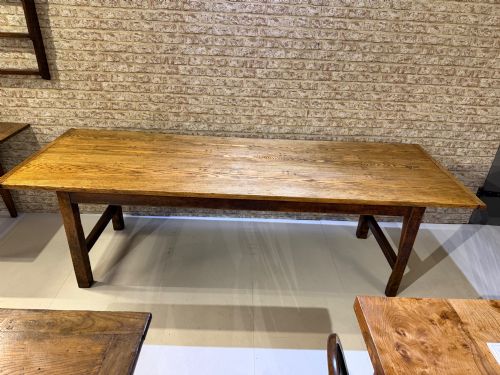
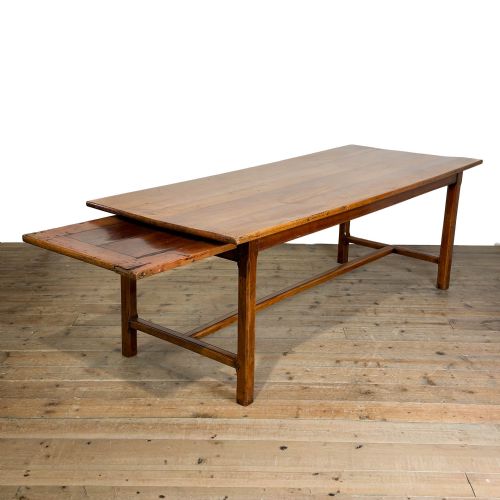
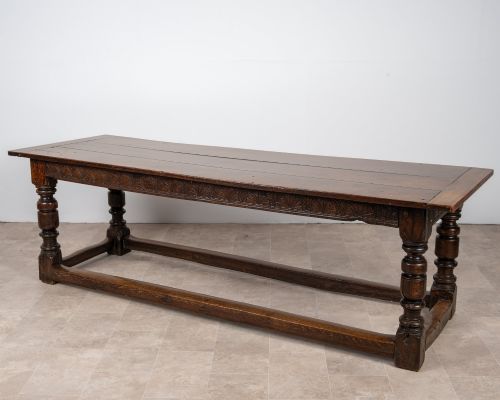
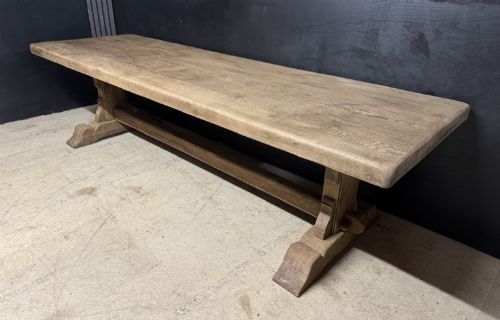
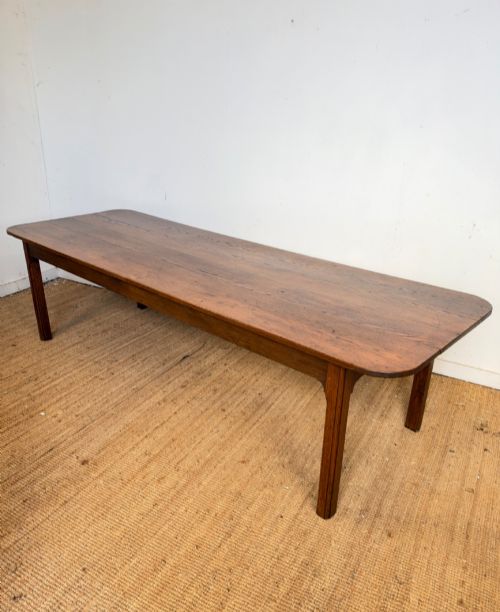
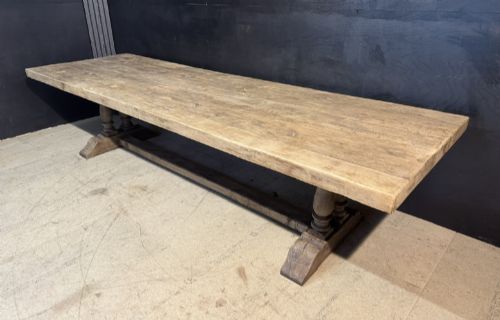
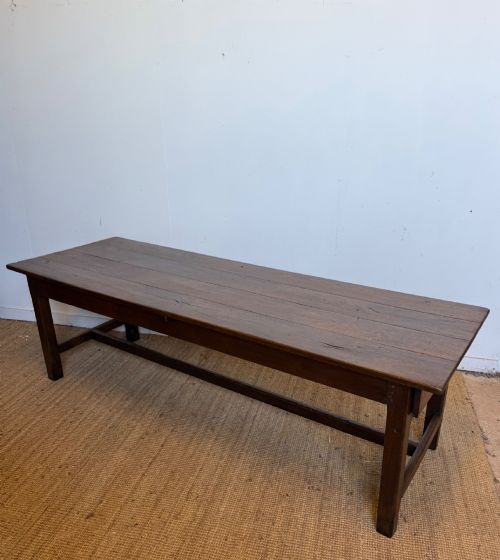
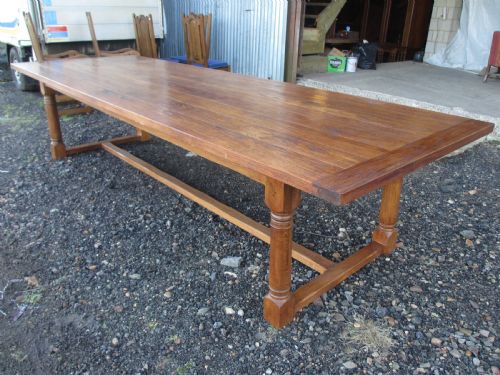
Long Farmhouse Dining Table
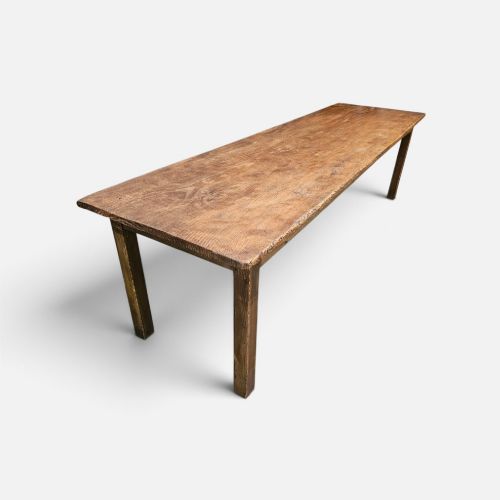
A long farmhouse dining table anchors the room with scale and utility, built to seat large gatherings for daily meals.
Long Farmhouse Dining Table
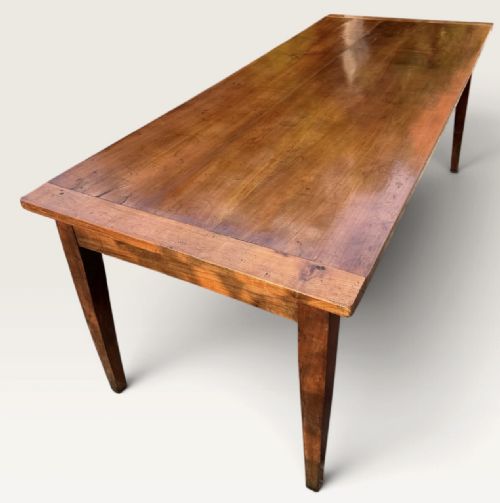
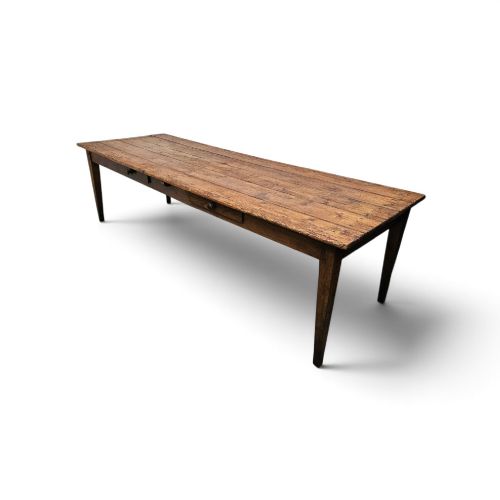
When you search for a long farmhouse dining table, you encounter substantial timber furniture designed historically for communal dining and domestic labour in rural properties. These surfaces provide generous proportions, often spanning several metres to accommodate large households or gatherings.
The examples on this page predominantly date from the eighteenth and nineteenth centuries, alongside regional variations from English and French country traditions. You will frequently find planked construction in solid woods like oak, pine, and fruitwood, shaped by the practical needs of rural kitchens and dining halls.
How they were made
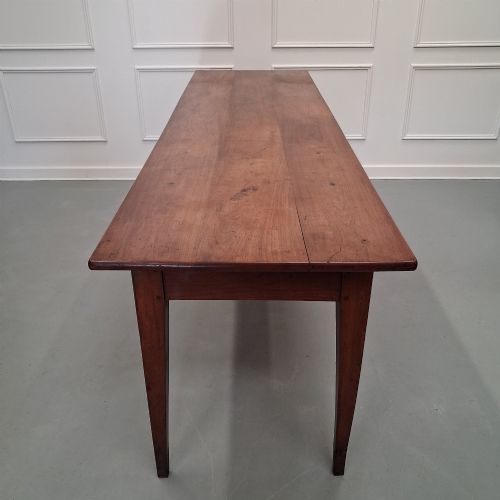
Cabinet makers and local carpenters utilised regional timber such as oak, pine, fruitwood, elm, and cherrywood, selecting woods based on local availability and durability. Boards were often joined as twin planks or multiple boards secured with sturdy framing to withstand heavy daily use.
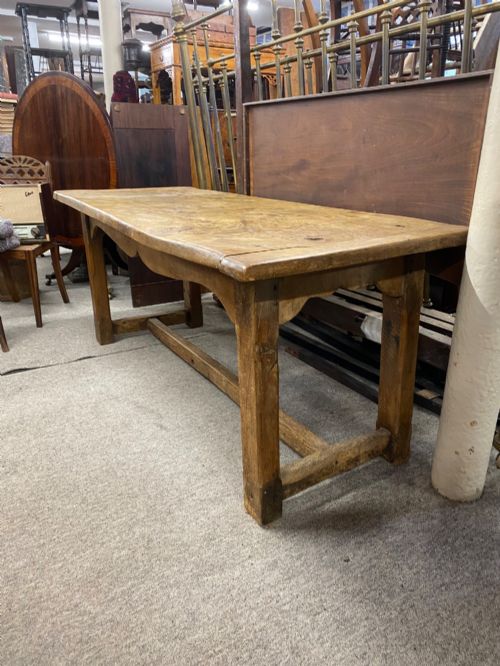
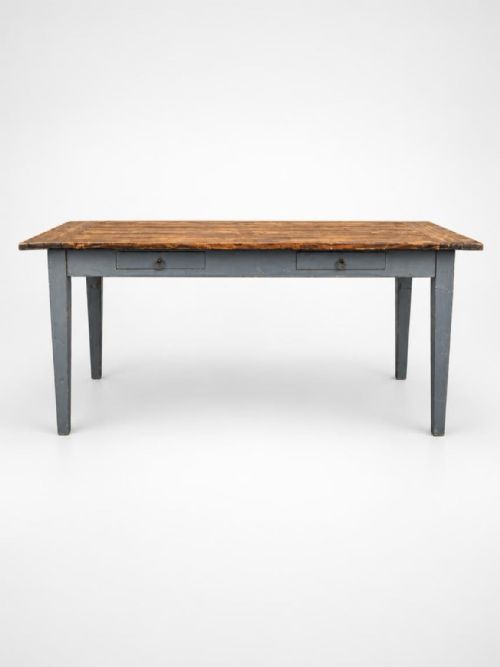
Construction techniques prioritised structural strength, employing pegged joints, trestle supports, and occasionally integrated drawers for storage. Surfaces were shaped by hand tools, leaving natural grain patterns and tool marks that reflect traditional workshop practices.
Long Farmhouse Dining Table Retail Price Guide 2026
Typical asking prices for long farmhouse dining table among the pieces listed under this phrase on Sellingantiques today, from the lower quarter to the upper quarter. They describe what is for sale here now, not the wider market.
Listings feature timbers including oak, pine, fruitwood, elm, cherrywood, poplar, and chestnut across eighteenth and nineteenth-century periods.
What varies in quality
The calibre of a piece rests upon the selection of timber and the integrity of its original construction. Tables built from dense hardwoods like oak or mature fruitwood demonstrate superior longevity compared to lighter secondary timbers.
Proportion and structural balance distinguish finer examples, where the grain alignment, the thickness of the top planks, and the unaltered state of the base frame remain intact. Original surfaces that display natural patina and minimal replacement timber elevate the standing of the piece.
The Long Farmhouse Dining Table Glossary
- Refectory table
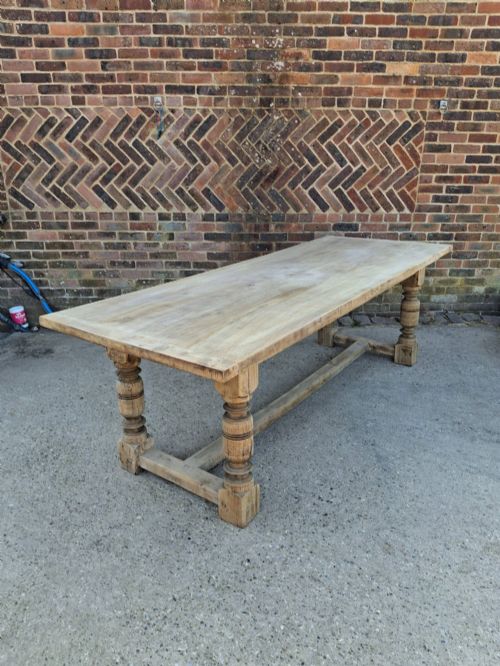
- A long narrow dining table historically used in monasteries and large houses for communal meals. These forms often feature stretcher bases for added stability.
- Plank top
- A table surface constructed from wide boards joined side by side. Twin plank versions use two large boards running the length of the table.
- Harvest table
- A large utilitarian table traditionally employed during seasonal agricultural gatherings and feasts. They often incorporate extended lengths to accommodate numerous diners.
- Trestle table
- A style where the top is supported by two or more vertical frames connected by a horizontal beam. This design allows maximum legroom along the length of the table.
- Patina
- The surface sheen and colour developed through decades of use, cleaning, and exposure to light. This quality indicates age and continuous handling.
Long Farmhouse Dining Table: Frequently Asked Questions
How do I clean a wooden farmhouse table?
Maintain the surface by wiping it down with a damp cloth and mild soap, avoiding harsh chemical cleaners that strip the finish. Dry the timber thoroughly afterwards to prevent moisture damage.
Applying natural beeswax periodically helps nourish the wood and preserves the historical patina without creating an artificial gloss.
Can I seat people comfortably along the sides?
The generous length and lack of obstructive legs on trestle or refectory designs allow chairs or benches to tuck neatly underneath. Consider the position of any structural stretchers or drawers when planning seating arrangements.
Measuring the clearance from the floor to the underside of the aprons ensures your dining chairs will slide in properly.
Are these tables suitable for daily family use?
These robust surfaces were originally built for heavy domestic labour and frequent meals, making them naturally resilient for modern family life. Dents, marks, and stains accumulated over generations are part of their character rather than defects.
Using placemats and coasters helps protect the historic timber from excessive heat and moisture while allowing the daily life of the household to continue.
How do I identify French regional tables?
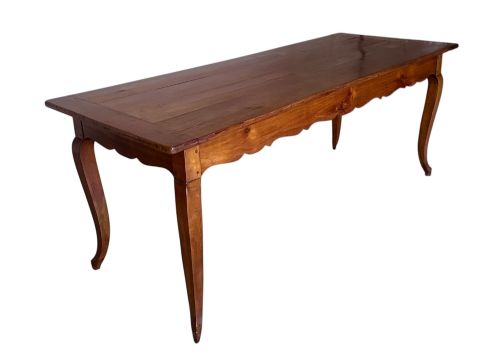
French country examples frequently utilise fruitwood, cherrywood, or oak, often displaying softer lines and lighter proportions than their English counterparts. Details such as subtle drawer integration and specific stretcher placements point to provincial French workshops.
Comparing the timber species and leg turning styles helps distinguish continental traditions from domestic British country furniture.