




London Silver Service
These london silver service pieces bring the weight of Georgian and Victorian dining tables straight into your hands.
London Silver Service
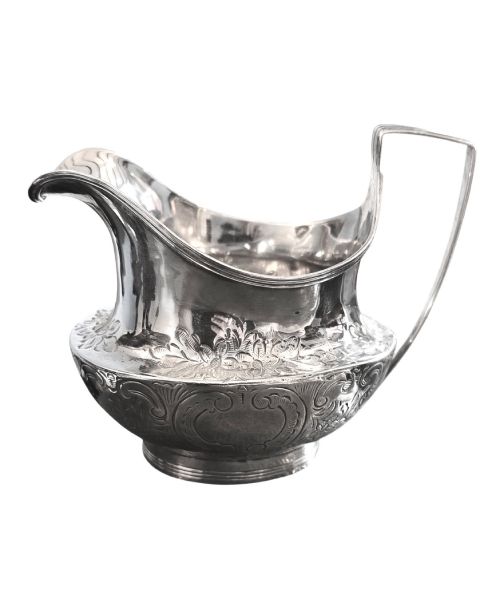
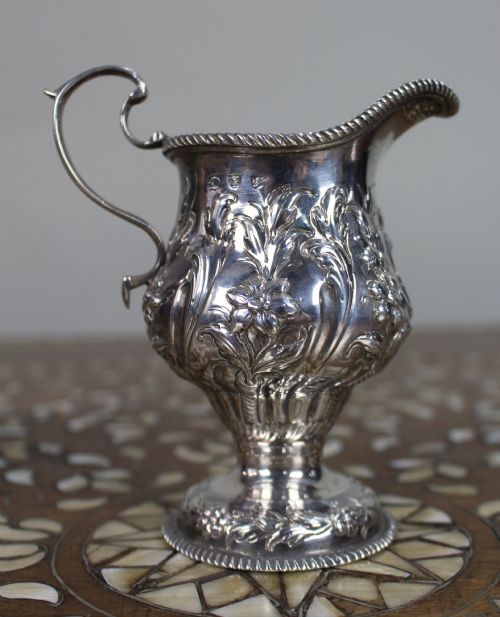
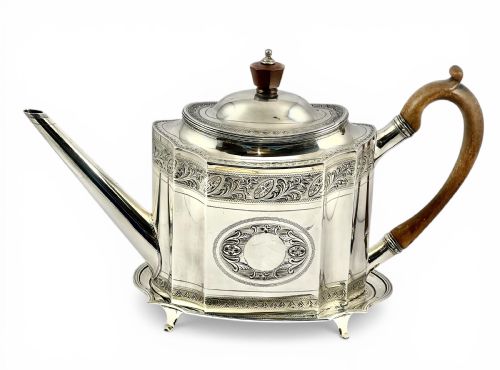
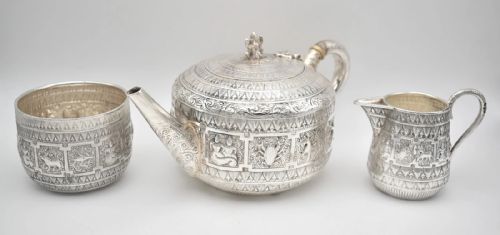
The pieces you are most likely to meet on this page span the Georgian and Victorian eras, ranging from mid-eighteenth-century footed ewers to late-nineteenth-century three-piece teasets. These items reflect the domestic rituals of their periods through matched sets or individual tableware components.
Materials and construction methods
Makers utilised sterling silver as the primary material, occasionally incorporating silver gilt and wooden elements for handles or insulation. Technique relied on traditional smithing methods, shaping solid silver into pedestals, bodies, and spouts.
Decoration often involved intricate repoussé or chased work, seen in grape vine and leaf motifs or Zodiac Indianesque designs. These methods combined structural durability with ornamental detail appropriate for formal table settings.
London Silver Service Retail Price Guide 2026
Typical asking prices for london silver service among the pieces listed under this phrase on Sellingantiques today, from the lower quarter to the upper quarter. They describe what is for sale here now, not the wider market.
Listings span the Georgian and Victorian periods, utilising sterling silver, wood, and silver gilt across various tableware forms.
Factors of distinction
Quality rests upon the crispness of the chased decoration and the proportion of the vessel. Pieces displaying deeply rendered motifs like grape vines retain sharper visual clarity than simpler, worn examples.
The integrity of the form and the presence of maker marks further distinguish the items. Complete sets or well-preserved individual jugs demonstrate the high standards of London workshops across the eighteenth and nineteenth centuries.
Robert Hennell I·John Emes·Thomas Tookey·John Rawlings·George Fox
The London Silver Service Glossary
- Sterling silver
- A standard alloy consisting of a high purity of silver, widely used across British tableware. It provides both the necessary rigidity and lustre for fine domestic items.
- Silver-gilt
- Silver that has been coated with a thin layer of gold on its surface. This finish adds a warm tone to the interior or exterior of tableware vessels.
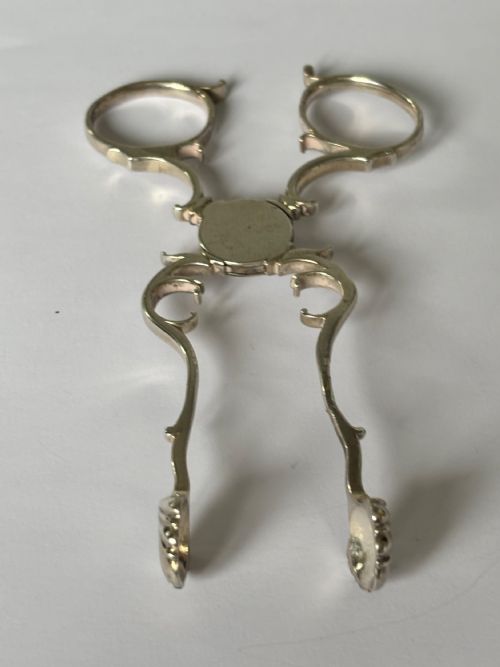
- Sugar nips
- Small scissor-like utensils designed for grasping sugar lumps during tea service. They reflect the refined accessories associated with historic dining habits.
- Ewer
- A large jug with a flared spout and curved handle, traditionally used for holding water or cream. In silver service, these pieces often feature footed bases for stability.
London Silver Service: Frequently Asked Questions
What pieces make up a london silver service?
A service typically comprises functional vessels for tea and dining, including teapots, hot water pots, cream jugs, and sugar nips. Individual items like egg cruet sets also appear alongside complete three-piece teasets.
These objects reflect the comprehensive tableware requirements of Georgian and Victorian households, designed for formal presentation and daily use.
How do I care for antique silver?
Care requires gentle cleaning with appropriate silver cloths to avoid damaging delicate chased surfaces or silver-gilt layers. Storage in dry environments prevents tarnishing and protects wooden components.
Regular handling allows natural oils to interact minimally with the metal, preserving the finish without abrasive polishes.
How do I identify the date of a piece?
Dating relies on examining the hallmarks stamped into the silver, which record the assay office, date letter, and maker's mark. London pieces feature specific town marks alongside stylistic indicators from the Georgian or Victorian periods.
Comparing decorative motifs, such as Neoclassical lines or Victorian grape vine embossing, helps confirm the era of manufacture.
Were these items used daily?
Many of these vessels served practical roles in high-status households during tea and dining rituals. Teapots, cream jugs, and hot water pots were active components of the dining table.
Over generations, their usage patterns varied from everyday hospitality to special family gatherings, resulting in the survival of diverse forms today.