


London Hallmarked Gold Ring
A london hallmarked gold ring carries the stamp of the capital's assay office, offering a tangible link to centuries of British craftsmanship and precious metal standards.
London Hallmarked Gold Ring
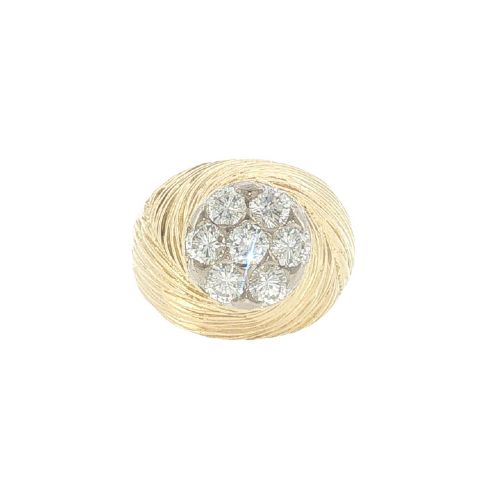
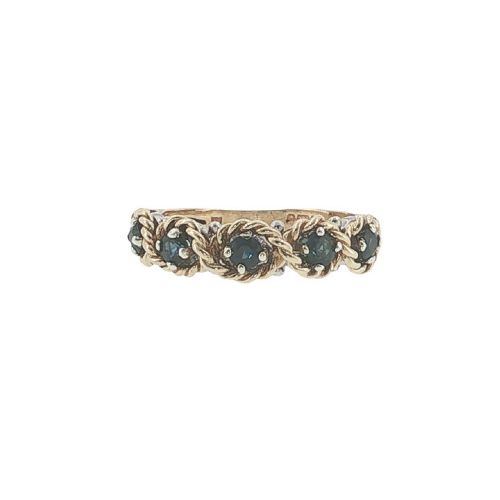
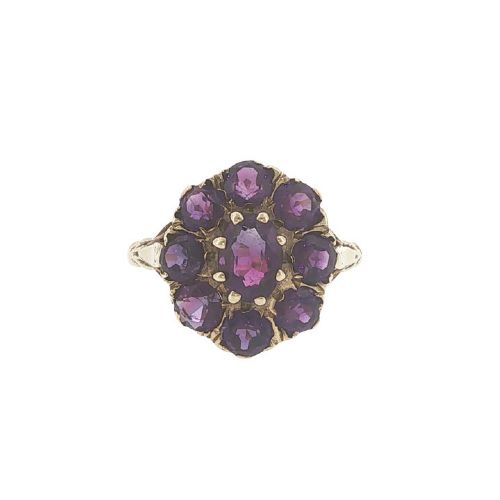
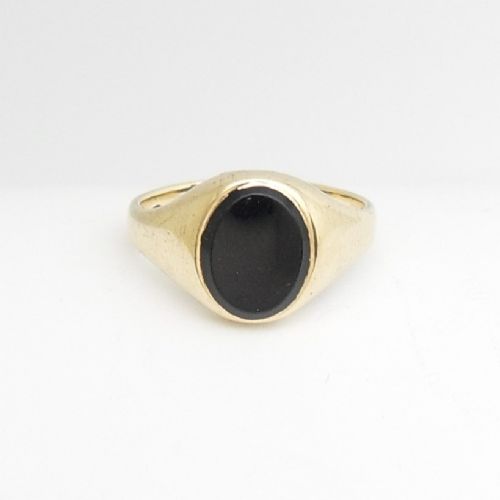
A london hallmarked gold ring spans Victorian, Edwardian, and vintage twentieth-century periods, capturing styles from classic five stone bands to expressive snake motifs. Buyers encounter cluster designs, wedding bands, and signet rings bearing the leopard's head and other official marks of the London assay office.
Materials and Techniques
Goldsmiths shaped these pieces from nine-carat, eighteen-carat, and twenty-two-carat yellow gold, alongside rarer twelve-carat variations. Metal was beaten, cast, or drawn into court-shaped bands and intricate cluster settings.
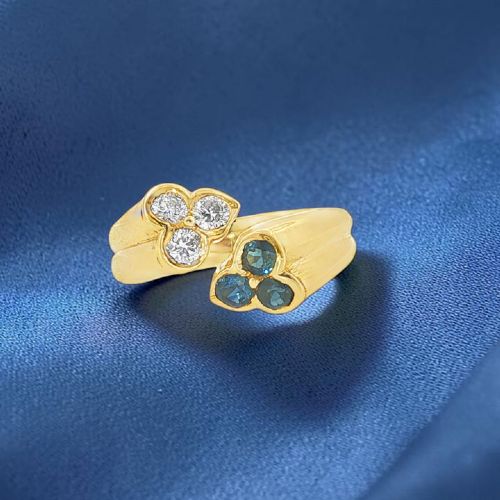
Gemstones such as old mine-cut diamonds, rose-cut diamonds, sapphires, and rubies were secured using claw, flush, or cluster settings. Master jewellers also incorporated detailed engraving, granulation, and serpent designs with diamond eyes.
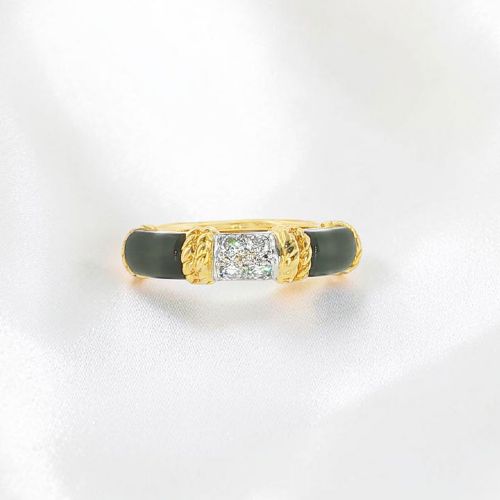
Materials recorded include diamonds, sapphires, rubies, garnets, pearls, and black onyx set in various gold purities.
Judging Quality and Craft
The distinction between standard output and finer work lies in the precision of the stone setting and the crispness of the hand-engraving. Master goldsmiths achieved tighter gemstone alignment and more substantial metal weight, particularly in heavy wedding bands and detailed cluster arrangements.
Preservation of the hallmarks and the integrity of the original shank structure determine the enduring condition of the piece. Clear assay stamps combined with minimal thinning of the gold band indicate careful preservation over decades.
Kutchinsky
The London Hallmarked Gold Ring Glossary
- Hallmark
- An official stamp applied to precious metals indicating purity, origin, and the year of assay. These marks provide a reliable anchor for dating British jewellery.
- Old Mine Cut
- An early form of diamond cut featuring a cushion shape, high crown, and deep pavilion. This cut predates modern brilliant faceting.
- Cluster Ring
- A ring style featuring a central gemstone surrounded by a border of smaller stones. This arrangement maximises visual impact and light reflection.
- Gypsy Ring
- A design where stones are flush-set directly into a thick, tapered gold band. Popular in the Victorian era, this style offers a smooth profile.
- Court-Shaped
- A ring band profile characterised by a curved exterior and a domed interior. This shaping ensures a comfortable fit against the finger.
London Hallmarked Gold Ring: Frequently Asked Questions
How do I read a London hallmark?
A London hallmark typically comprises a maker's mark, a purity standard for the gold, the leopard's head symbol for the London assay office, and a date letter. Each letter corresponds to a specific year of testing.
Examining these stamps through a loupe allows collectors to verify the exact provenance and age of the metal.
Are these rings suitable for daily wear?
Many of these pieces were constructed for everyday use, particularly solid wedding bands and sturdy signet rings. Heavier eighteen-carat and twenty-two-carat rings withstand regular wear well.
Victorian and Edwardian gemstone rings require more care due to delicate settings and older stones, making them ideal for mindful daily rotation.
What is the difference between 9ct and 18ct gold?
Nine-carat gold contains a lower proportion of pure gold alloyed with other metals to increase durability. Eighteen-carat gold contains a higher percentage of pure gold, resulting in a richer colour and softer metal.
Both purities were standard in British manufacturing and carry distinct assay marks.
How should I clean my antique gold ring?
Warm water, mild soap, and a soft brush will remove everyday oils from gold and durable gemstones. Harsh chemical dips should be avoided, especially with softer stones like pearls or opals.
Regular inspection by a jeweller ensures that older claw settings remain secure.