



London Hallmark Gold
London hallmark gold items comprise jewellery, decorative objects, and accessories bearing official assay office marks from the capital, prized for verified precious metal standards.
London Hallmark Gold
Items associated with the search phrase london hallmark gold span a diverse range of objects, including rings, necklaces, brooches, earrings, bracelets, and smoking accessories. These pieces bear official marks from the London assay office, verifying their metal purity.
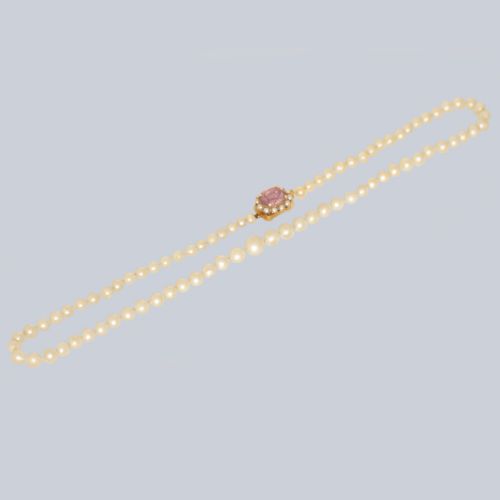
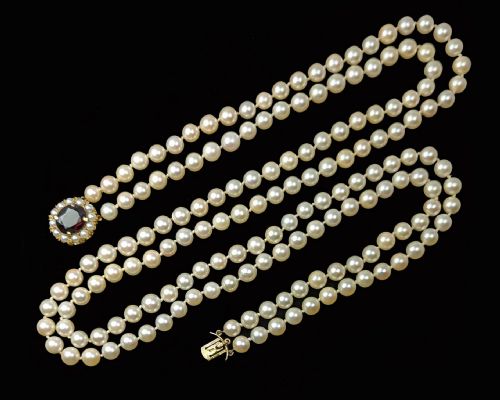
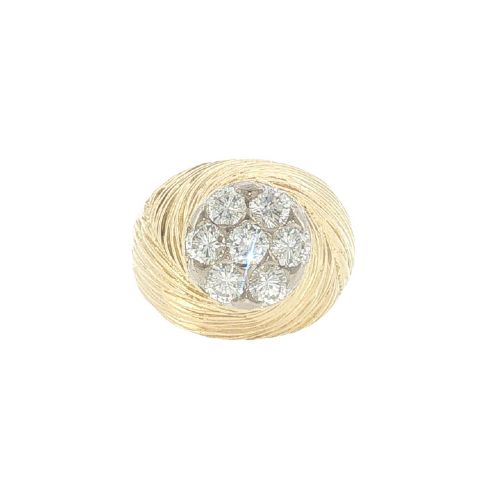
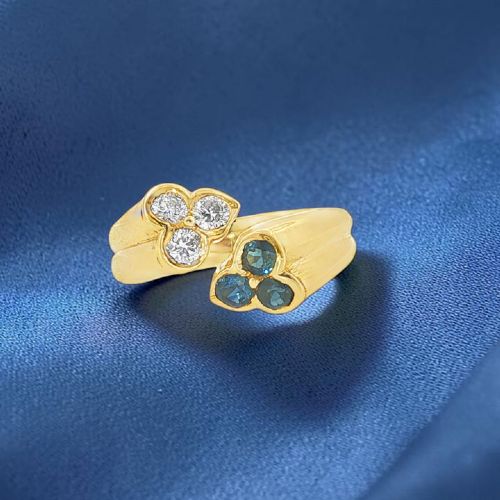
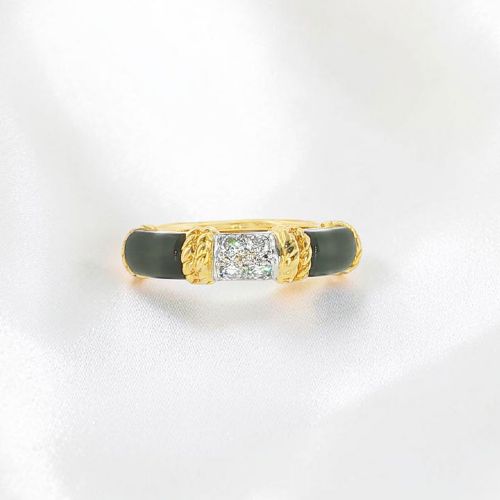
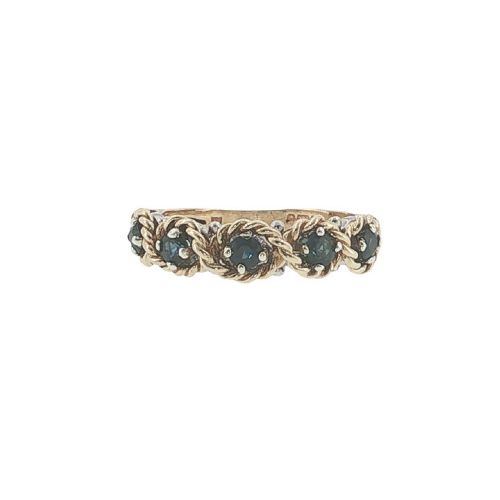
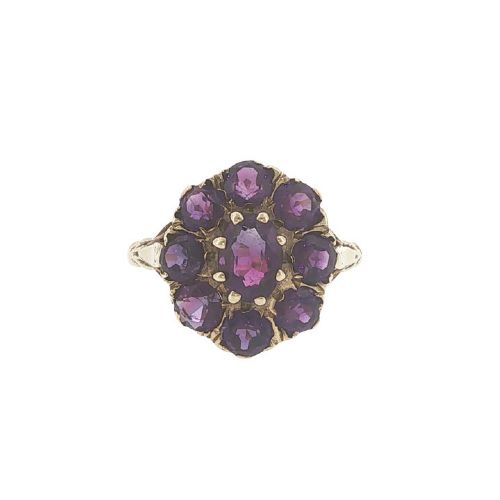
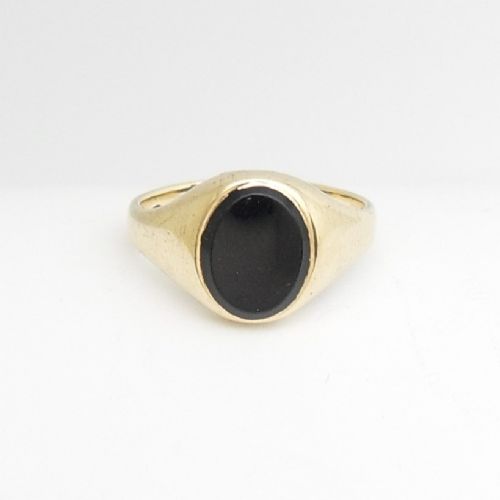
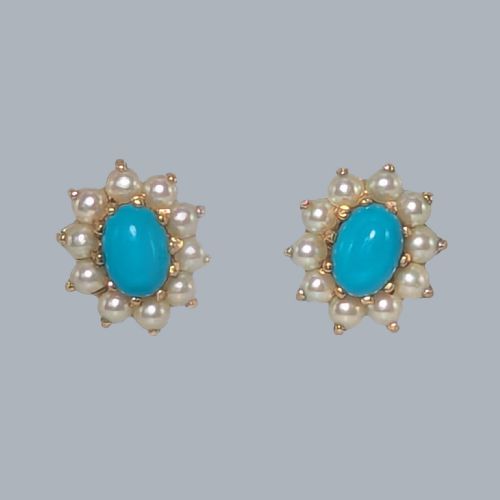
Rings form a significant portion of the selection, encompassing diamond clusters, gemstone bands, signet rings, wedding bands, and serpent designs from various eras. Buyers also encounter necklaces featuring cultured pearls with gold clasps, alongside matching earrings and bracelets.
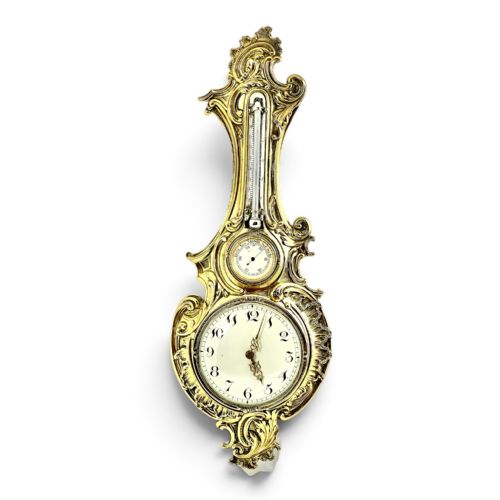
The selection extends into decorative items and timepieces, such as cigarette cases, trinket boxes, pocket-sized memorandum cases, and desk weather stations. These objects originate from Victorian, Edwardian, and mid-century periods, showcasing the sustained output of London makers.
How they were made
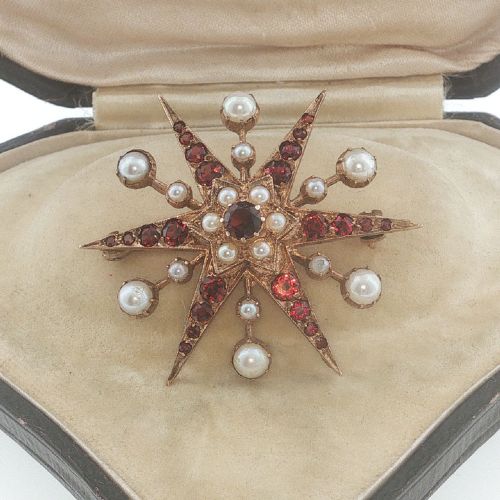
Maker's workshops utilised 9ct, 18ct, and 22ct yellow and white gold, often combining these metals with gemstones such as diamonds, sapphires, rubies, garnets, and turquoise. Pearls, onyx, and black enamel frequently appear as secondary materials in rings, brooches, and clasps.
Craftsmen employed casting, hand-knotting for pearl strands, and detailed stone-setting techniques including cluster, gypsy, and old-cut prong methods. Silver gilt and tortoiseshell structures also provide the foundation for select decorative cases and station pieces.
Listings feature 9ct and 18ct gold across rings, necklaces, and cigarette cases spanning Victorian to mid-century eras.
What varies in quality
The distinction between tiers rests upon the clarity and cut of set diamonds, the depth of gemstone colour, and the precision of the metalwork. Pieces featuring maker signatures or specialised motifs display superior artisan execution.
Condition and completeness influence standing, particularly in multi-component items like pearl strands with matching clasps, or mechanical desk accessories. Clear, legible assay marks and maker stamps provide additional assurance of origin and standard.
Cartier·Kutchinsky·Roy King·Goldsmiths And Silversmiths Co·Harry Atkin·Berthold Muller·Bueche Girod
The London Hallmark Gold Glossary
- London Hallmark
- An official stamp applied by the London assay office, guaranteeing the purity of precious metals. It typically includes symbols for the sponsor, metal standard, and date letter.
- Old Cut
- A precursor to the modern brilliant cut, characterised by a smaller table, higher crown, and open culet. These stones were shaped by hand during the Victorian and Edwardian periods.
- Serpent Ring
- A jewellery form fashioned as a coiled snake, often utilised during the Victorian era to symbolize eternity. Eyes are frequently set with gemstones like diamonds or rubies.
- Silver Gilt
- Silver covered with a thin layer of gold, combining the appearance of solid gold with a silver base structure. This technique appears on decorative boxes, chatelaines, and station instruments.
- Cluster Ring
- A design featuring a central gemstone surrounded by a border of smaller stones, typically diamonds or pearls. This arrangement maximises the visual impact of smaller gems.
London Hallmark Gold: Frequently Asked Questions
How do I read a London gold hallmark?
A London gold hallmark typically consists of a leopard's head symbol indicating the London assay office, a numerical standard mark such as 375 for 9ct or 750 for 18ct, and a specific date letter.
Additional marks include a sponsor's mark identifying the maker or retailer, and sometimes a purity symbol like a crown for gold.
What is the difference between 9ct and 18ct gold?
Eighteen-carat gold contains a higher proportion of pure gold mixed with alloy metals compared to nine-carat gold, resulting in a richer colour and greater intrinsic value.
Nine-carat gold offers increased durability against daily wear, making it common for functional items like signet rings and everyday bands.
How should I care for antique gold jewellery?
Antique gold items require gentle cleaning with a soft cloth and warm soapy water, avoiding harsh chemical dips that can damage softer gemstones or pearls.
Stored pieces benefit from individual soft pouches to prevent scratching between items, particularly when pearls or delicate onyx elements are present.
How can I date pieces without a clear hallmark?
Dating relies on stylistic clues such as setting techniques, gemstone cuts like old mine or rose cuts, and overall manufacturing motifs characteristic of Victorian, Edwardian, or mid-century design.
Comparative analysis with documented pieces from known makers also assists in establishing an approximate period of origin.