
London Dial Clock
When you choose a london dial clock, you acquire a precise timekeeper rooted in centuries of metropolitan craftsmanship.
London Dial Clock
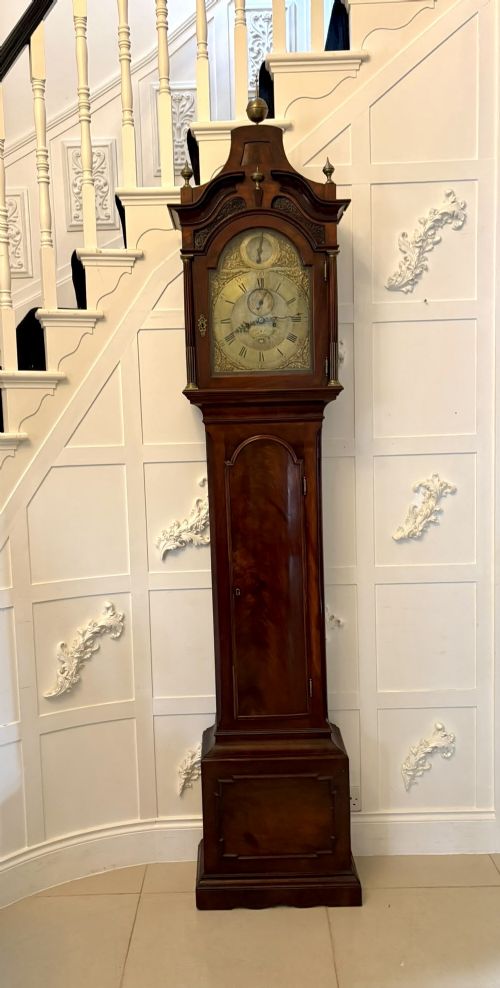
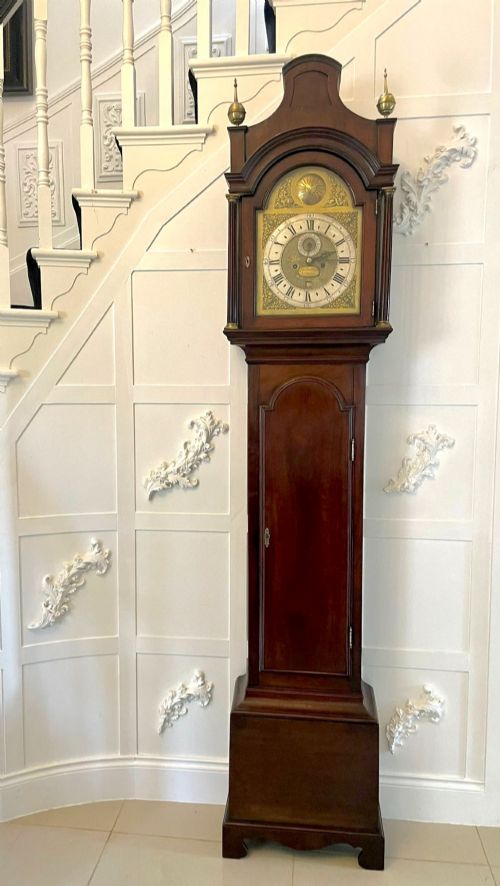
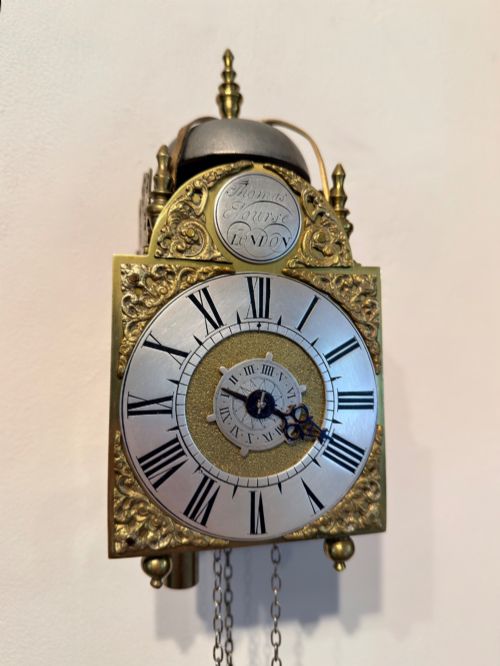
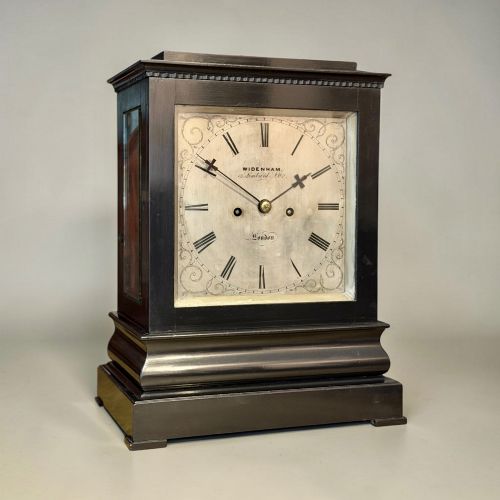
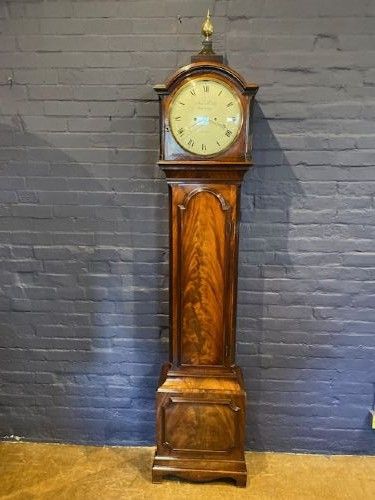
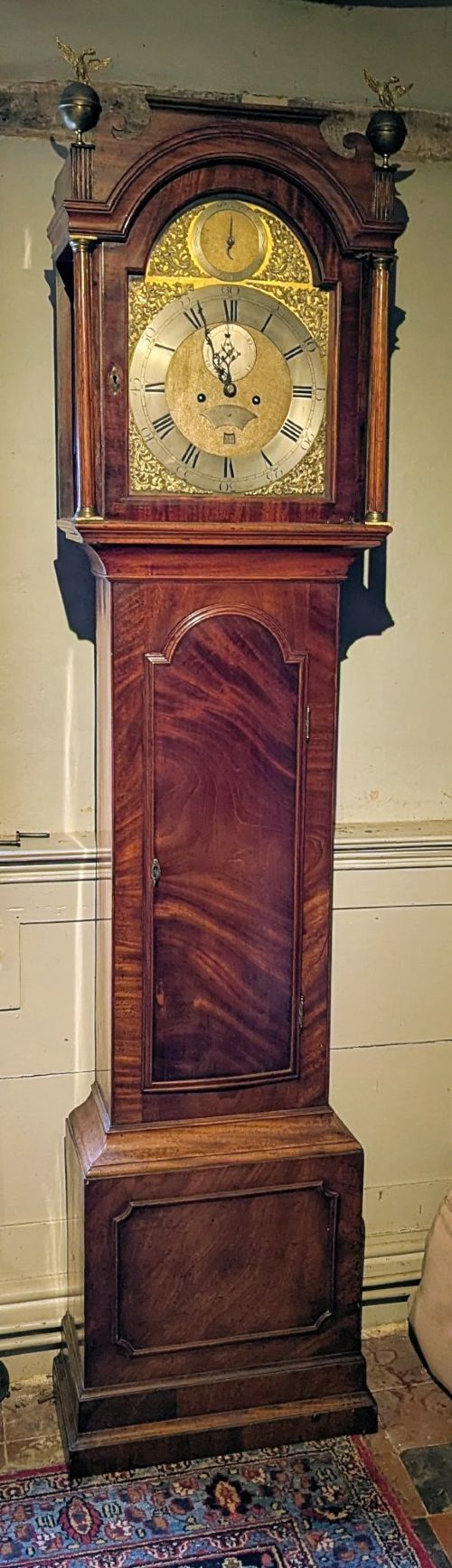
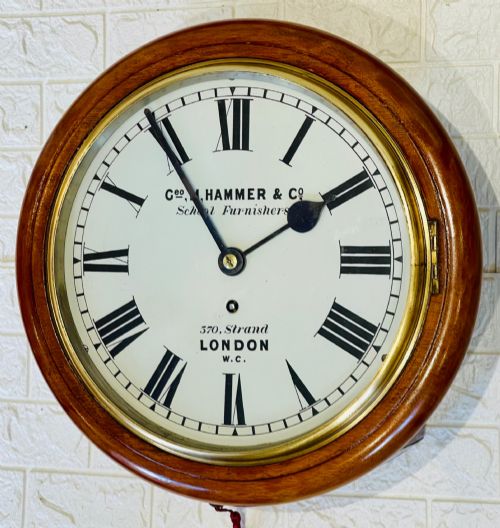
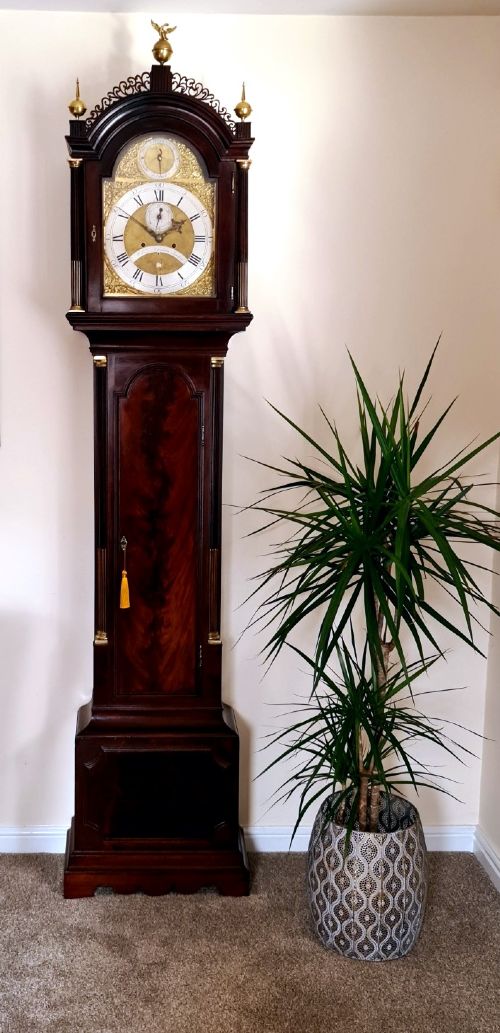
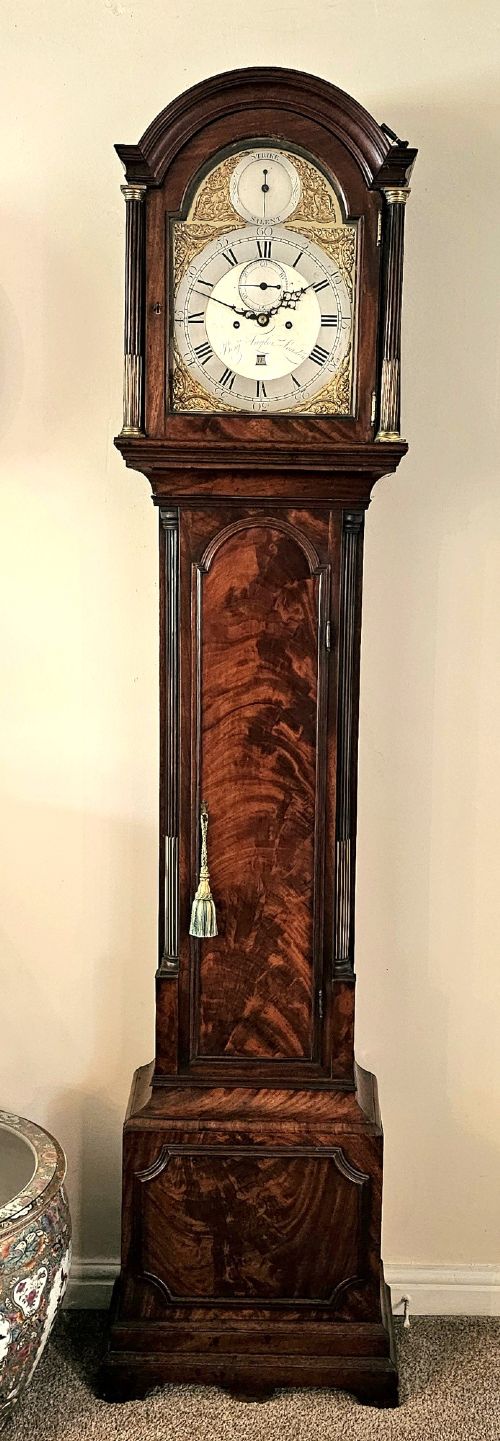
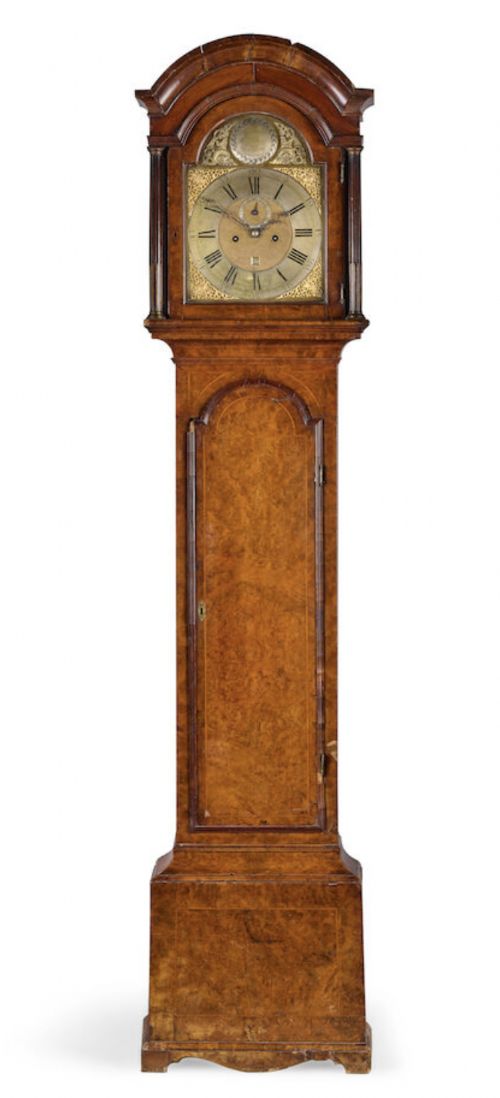
A london dial clock is a timekeeping instrument created by makers working within the capital, encompassing both wall-mounted timepieces and substantial floor-standing longcase examples. These items serve as functional horological objects and decorative centrepieces for domestic and public spaces alike.
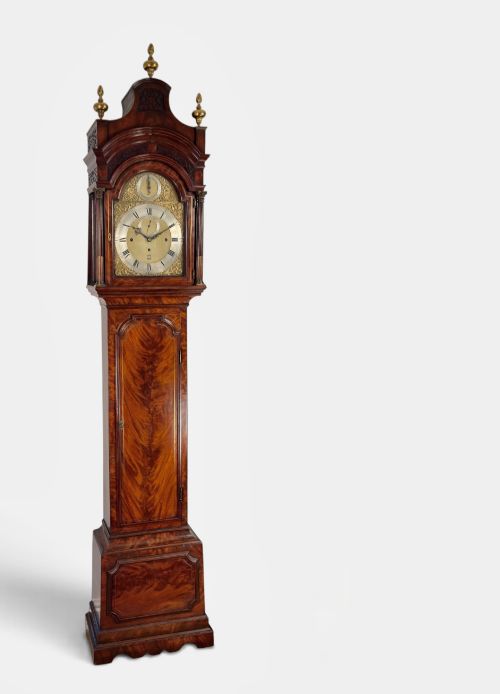
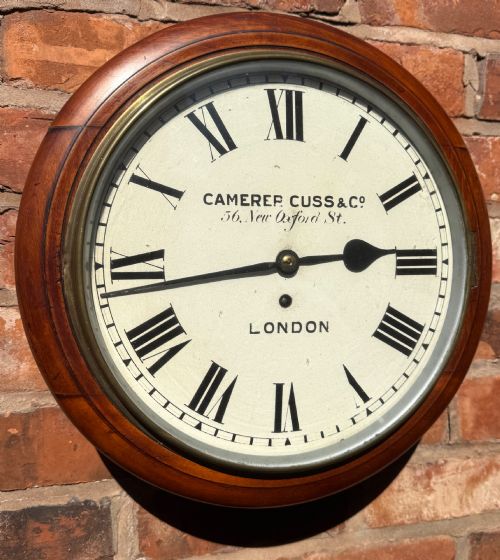
The wall-mounted versions frequently present circular faces set within mahogany, walnut, or ebonised timber surrounds, often featuring drop dials or fusee movements. Alongside these, the tallcase grandfather clocks display regional eighteenth-century cabinetry and brass or silvered metal dial faces.
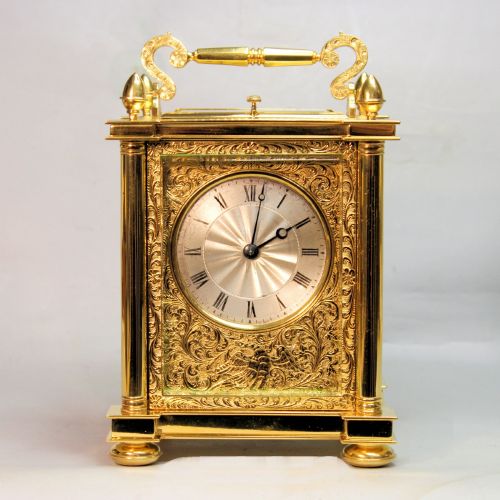
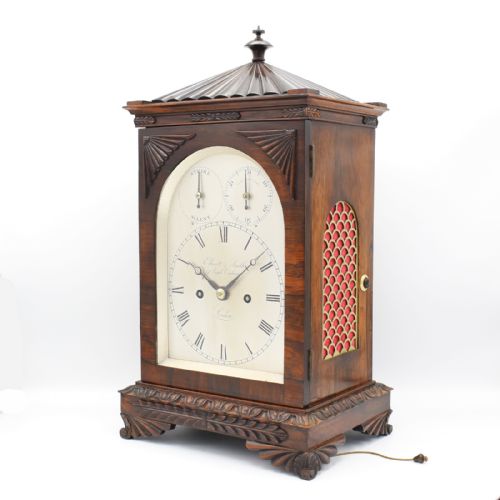
Examples span Georgian, Victorian, and Regency periods, reflecting changing aesthetic preferences from classical proportions to nineteenth-century railway and station timekeeping requirements. Buyers encounter both simple wooden wall timepieces and elaborate musical bracket or library clocks.
How They Were Made
Horologists constructed these mechanisms using durable metals such as brass and steel for gear trains, escapements, and fusee cones that equalised the pull of the mainspring. Dial faces typically employed silvered metal, painted enamel, or convex wood, protected behind hinged glass doors set within bezels.
Cabinetmakers housed these movements in dense timbers including mahogany, walnut, burr walnut, and rosewood, frequently applying polished finishes or black lacquer for Chinoiserie styles. Joinery methods relied on solid wood framing and brass fixings to support heavy pendulum drives and weight-driven mechanisms.
Some nineteenth-century railway versions feature convex wooden dials designed to prevent glare for rushing commuters checking train times.
What Varies In Quality
The calibre of a london dial clock depends upon the precision of its movement construction, signed maker provenance, and the integrity of its timber casing. Master horologists produced hand-finished gear trains with refined escapements that maintained more accurate time over multi-day power reserves.
Material selection and cabinetwork distinction separate standard examples from superior pieces, particularly regarding figured grain veneers, cast brass bezels, and engraved silvered dial plates. Original components, minimal timber restoration, and documented maker signatures elevate the standing of an individual timekeeper within the historical record.
The London Dial Clock Glossary
- Fusee
- A conical pulley connected to the mainspring by a chain or cord, designed to maintain even torque as the spring unwinds. This mechanism improves timekeeping consistency throughout the running period.
- Drop Dial
- A wall clock configuration where the circular dial sits above an extended wooden box that houses a swinging pendulum. This design accommodates the drop shape characteristic of many nineteenth-century British station and office clocks.
- Silvered Metal
- A brass dial plate treated with a silver compound to produce a bright, matte finish that highlights engraved numerals and maker signatures. It provides high contrast against dark clock hands.
- Bracket Clock
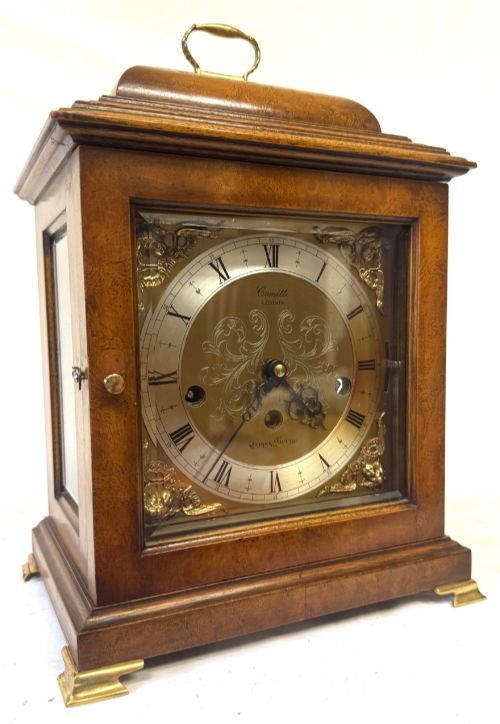
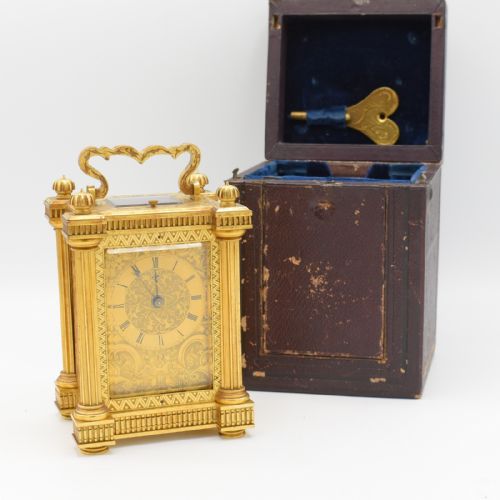
- A portable spring-driven clock originally designed to sit on a bracket or shelf, often featuring a striking or musical movement. These pieces commonly incorporate fine wooden cases and carrying handles.
- Longcase Clock
- A tall floor-standing timekeeper enclosed in a wooden case with a pendulum and hanging weights, frequently termed a grandfather clock. The proportions allow the driving weights to descend over long operating intervals.
London Dial Clock: Frequently Asked Questions
What is a fusee movement?
A fusee movement uses a conical pulley and chain to equalise the power delivered by the mainspring as it winds down. This ensures the clock receives steady energy from fully wound to empty.
Such systems indicate higher manufacturing standards in British timepieces and help maintain reliable daily accuracy.
How do I date a dial clock?
Dating relies on stylistic clues in the wooden case, the shape of the bezel, and the materials used for the dial face. Georgian examples often feature mahogany framing and brass ornamentation, while Victorian and Edwardian items reflect changing industrial designs.
Maker signatures inscribed on the dial plate also provide direct reference points against historical trade records.
Where were these clocks used?
These timepieces served in domestic hallways, formal drawing rooms, and commercial offices across the British capital and beyond. Railway companies also installed robust versions in stations to coordinate train departures.
Their widespread placement demanded reliable movements housed in sturdy timber enclosures suited to daily operation.
Are these clocks difficult to maintain?
Routine upkeep involves careful weekly or eight-day winding using the appropriate key and ensuring the clock hangs level on a secure wall. Professional servicing is recommended every few years to clean the gear trains and prevent excessive wear on pivots.
Proper environmental placement away from direct heat sources helps preserve the wooden casework and internal components.