


Living Room Coffee Table
These living room coffee table examples range from Regency rosewood to Art Deco walnut, offering practical surface space for any interior.
Living Room Coffee Table
A living room coffee table provides a low, central surface for the sitting room, drawing on periods from the nineteenth century to the twentieth century. These pieces appear as single low tables or practical nests of tables, shaped in round, oval or rectangular formats.
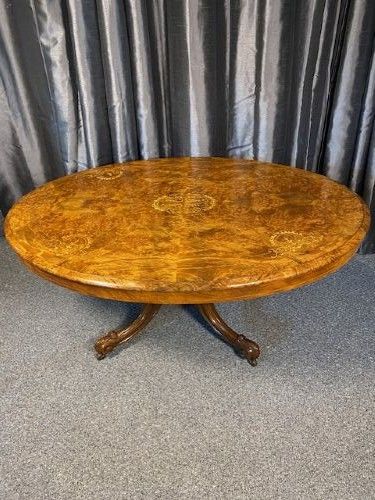
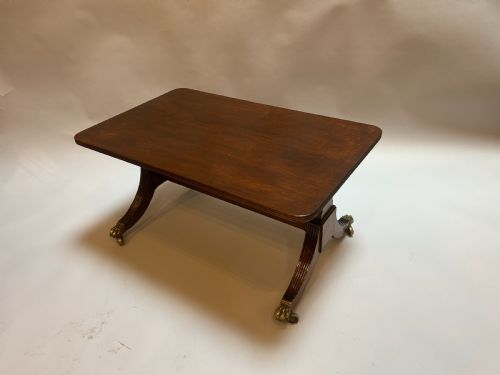
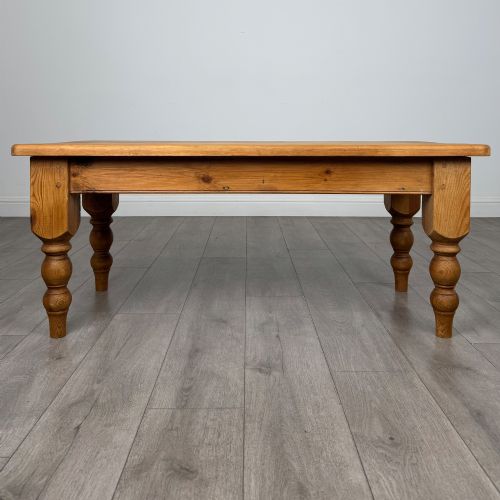
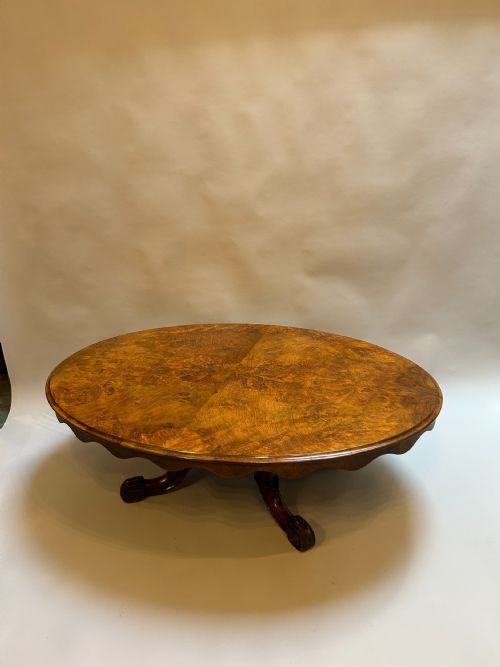
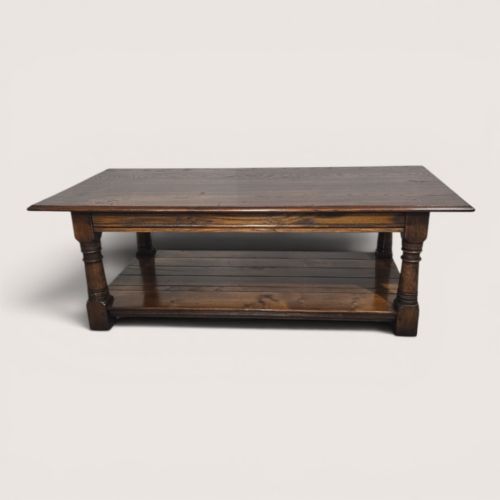
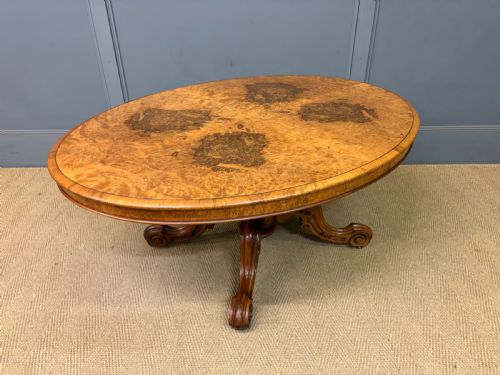
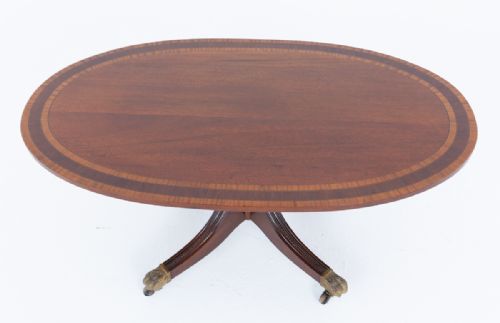
The most common examples on this page are mahogany and burr walnut tables from the Edwardian era and the nineteen-twenties. Buyers also encounter heavier oak farmhouse designs alongside decorative Art Deco and Chinoiserie lacquer pieces from the nineteen-thirties.
What varies in quality
The distinction between standard and finer examples rests on the selection of timber and the precision of the veneer work. Tables featuring carefully matched burr walnut or intricate inlay demonstrate superior craftsmanship compared to plain utility items.
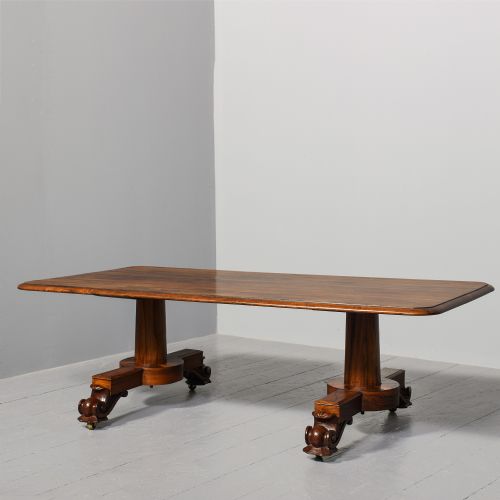
Structural integrity of the legs, pedestals and joints determines daily utility, alongside the preservation of original surface finishes. Well-executed carving and shaped tops indicate a higher grade of workshop production.
Several sets thoughtfully multiply into nests of up to five individual tables, ensuring nobody is ever left without a proper place for a teacup.
Harry and Lou Epstein
The Living Room Coffee Table Glossary
- Burr walnut
- A figured wood grain derived from the warted growth of a walnut tree, highly prized for its swirling patterns on tabletops. Cabinet makers slice this wood into thin veneers.
- Nest of tables
- A set of graduated small tables designed to slide neatly beneath one another when not in use. This form became particularly popular during the Edwardian period and the nineteen-twenties.
- Regency
- A British design style spanning the early nineteenth century, characterised by classical restraint and dark timbers like rosewood and mahogany. Pieces often incorporate brass detailing.
- Art Deco
- A twentieth-century design movement favouring sleek geometric forms, streamlined silhouettes and polished walnut surfaces. These items frequently date from the nineteen-thirties.
Living Room Coffee Table: Frequently Asked Questions
How do I choose the right size?
Consider the proportion of your seating area and the available floor space in your room. Single low tables suit central placement, whilst nests offer flexible surface area that expands when needed.
Makes sure to allow adequate walking clearance around the edges of the furniture. Smaller nests work well beside armchairs, while larger oval and rectangular surfaces anchor the main sofa.
Are nests of tables practical?
Nests of tables provide exceptional versatility for entertaining by offering multiple movable surfaces from a single footprint. They stack together neatly to save space when not in use.
These sets appeared frequently during the Edwardian period and the nineteen-twenties in mahogany and oak. They suit modern living spaces that require adaptable furniture arrangements.
How do I identify Art Deco tables?
Art Deco pieces display clean geometric lines, smooth walnut veneers and pedestal bases typical of the nineteen-thirty era. They often feature minimal ornamentation focused on the grain of the wood.
Some examples incorporate Chinoiserie lacquer and raised relief detail. These stylistic markers separate them clearly from earlier Victorian and Edwardian productions.
What woods were commonly used?
Mahogany, walnut and oak form the foundation of these tables across both the nineteenth and twentieth centuries. Cabinet makers also employed decorative rosewood and burr walnut veneers for ornamental surfaces.
Pine appears in rustic farmhouse examples from the Edwardian period. Each timber imparts a distinct colour and grain character to the finished piece.