

Liquor Cabinet Furniture
Liquor cabinet furniture encompasses everything from Georgian cellarettes to Art Deco cocktail cabinets designed to store and serve beverages.
Liquor Cabinet Furniture
Liquor cabinet furniture covers dedicated storage pieces built for holding bottles and glassware across several centuries. Buyers searching this phrase meet everything from early timber wine coolers to interwar cocktail chests.
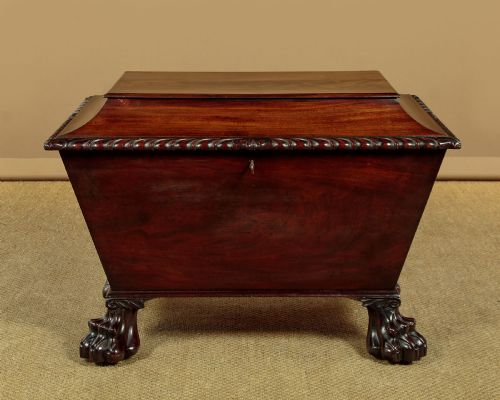
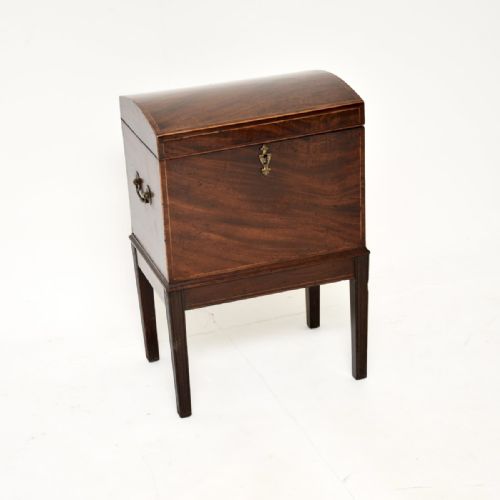
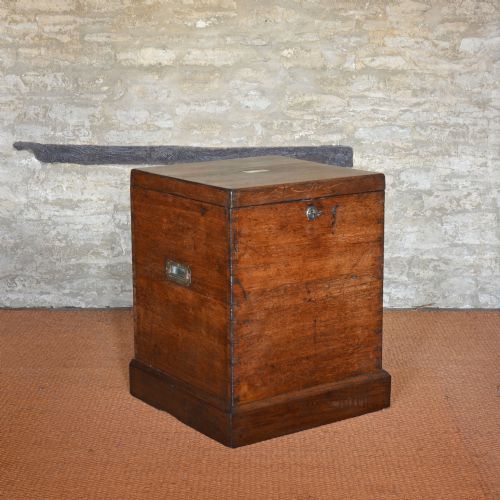
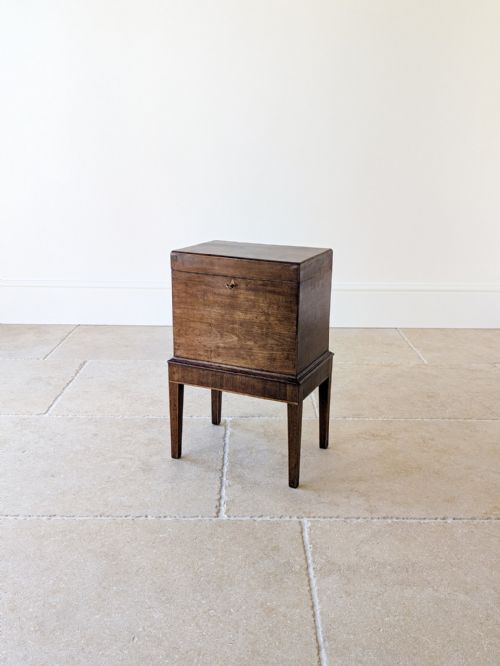
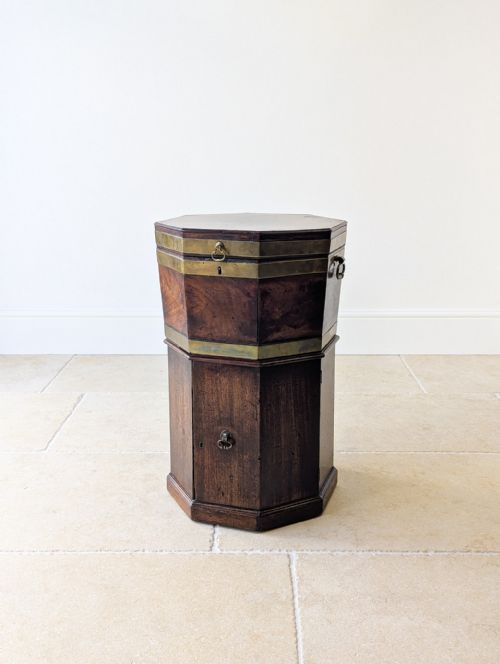
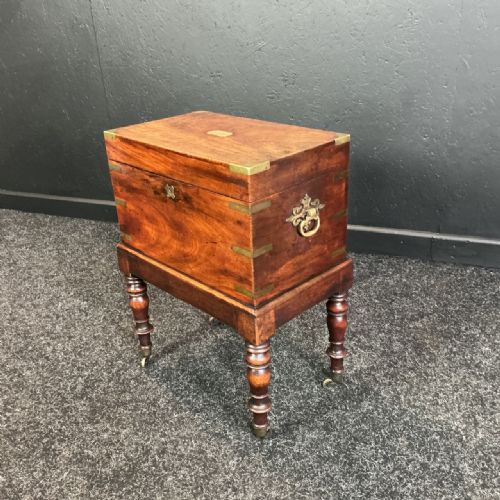
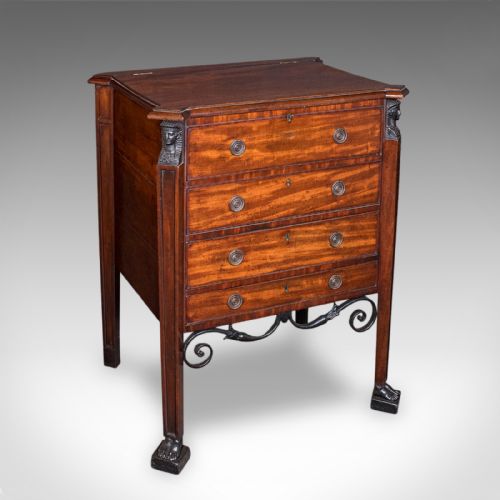
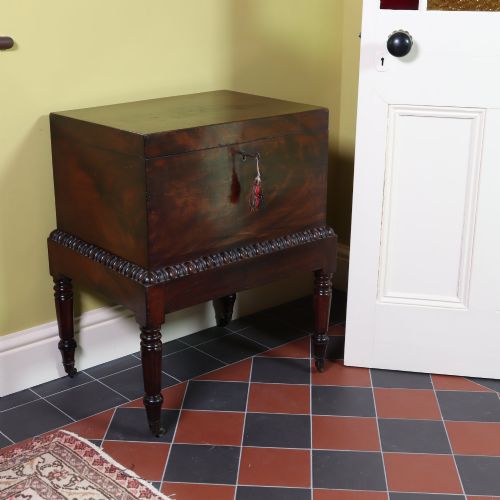
The oldest examples take the form of cellarettes and wine coolers from the eighteenth century, constructed to sit beneath sideboards or beside dining tables. These timber vessels held individual bottles securely during grand dinners.
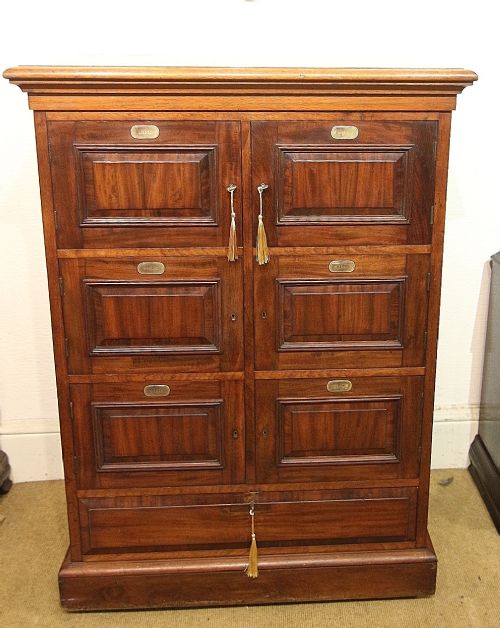
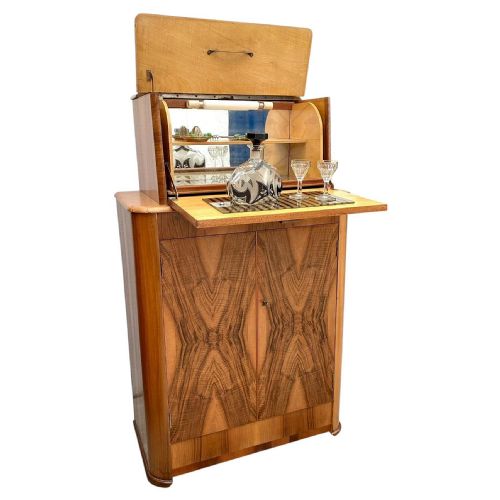
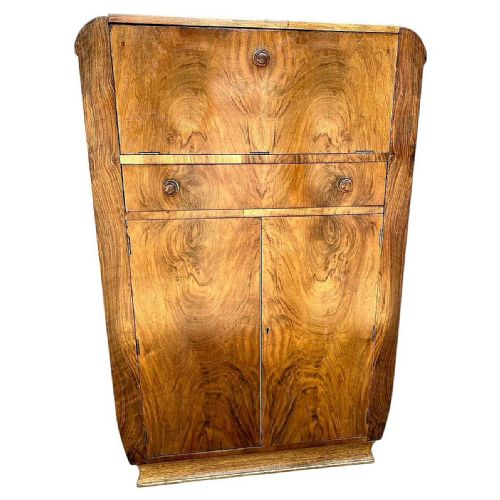
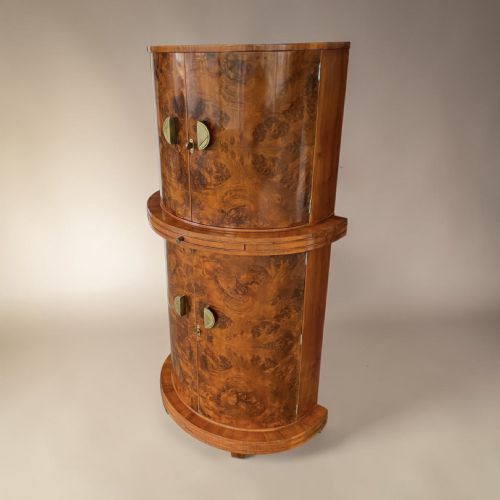
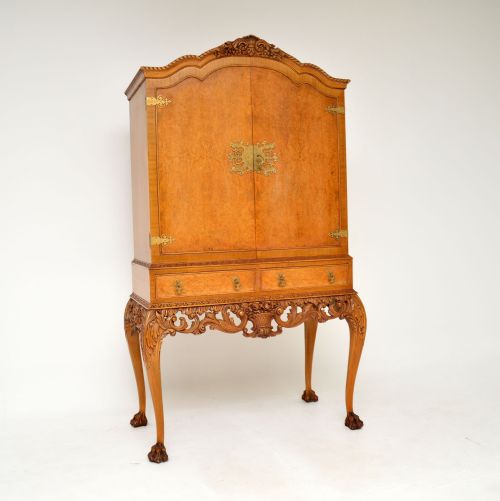
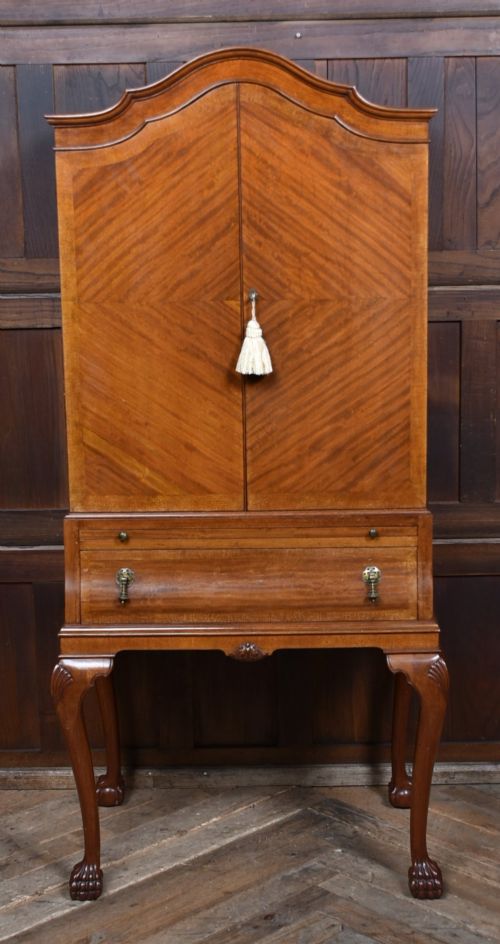
Later pieces shift towards upright drinks cabinets and cocktail furniture from the art deco period. These twentieth-century iterations often feature drop-down serving surfaces and dedicated glass shelves.
Materials and construction
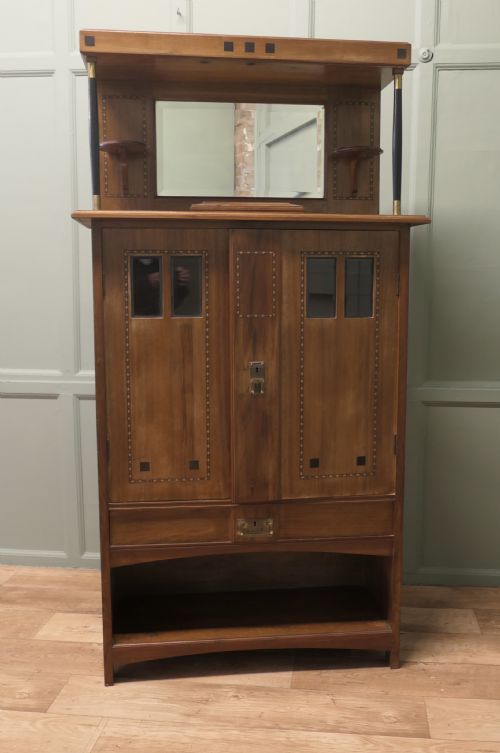
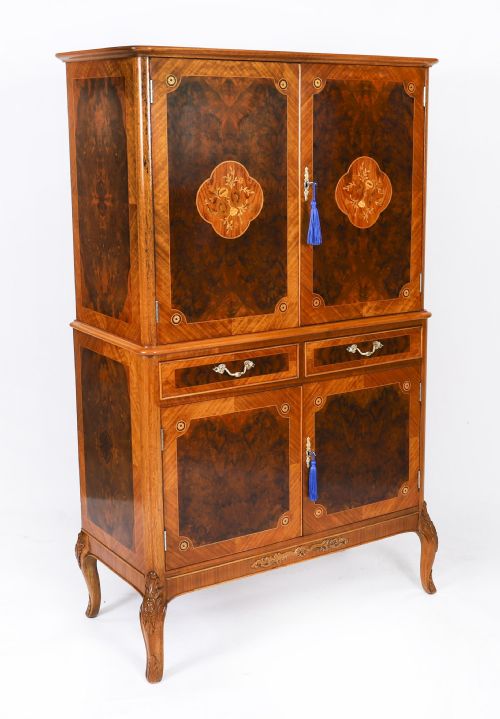
Makers relied heavily on solid timber and figured veneers, choosing mahogany for eighteenth-century cellarettes and rich burr walnut for later art deco cabinets. Brass bands, castors, and hinges provided both structural reinforcement and decorative contrast.
Interior fittings reveal careful planning, with lead-lined compartments in early wine coolers for melting ice and mirrored back panels in twentieth-century cocktail cabinets to reflect internal lighting. Artisans applied marquetry, inlay, and lacquer to finish the exterior surfaces.
Liquor Cabinet Furniture Retail Price Guide 2026
Typical asking prices for liquor cabinet furniture among the pieces listed under this phrase on Sellingantiques today, from the lower quarter to the upper quarter. They describe what is for sale here now, not the wider market.
Listings feature mahogany, walnut, and burr walnut veneer, spanning periods from the eighteenth century through the art deco era.
Craftsmanship and distinction
Quality rests on the selection of timber figures, such as flame mahogany or burr walnut veneer, matched symmetrically across doors and panels. Superior pieces retain original internal fittings, glass shelves, and functioning drop-down mechanisms rather than modern replacements.
Attribution to known workshops elevates certain items, while bespoke touches like brass-bound octagonal framing or intricate marquetry separate standard production from exceptional furniture.
Epstein·Hille·Gillows·Gillingtons
The Liquor Cabinet Furniture Glossary
- Cellarette
- A lockable container used for storing wine and spirits near the dining table, often fitted with internal partitions. Many eighteenth-century examples feature octagonal shapes and brass banding.
- Cocktail cabinet
- A dedicated twentieth-century piece designed for mixing and serving drinks, usually featuring a drop-down flap that serves as a shelf. These often include mirrored interiors and glass holders.
- Wine cooler
- A large vessel or freestanding piece intended to chill bottles before serving. Georgian versions typically utilise lead linings to hold ice safely.
- Marquetry
- The art of applying decorative veneer pieces to a structure to form intricate patterns. This technique appears frequently on art deco drinks furniture.
- Cabinet on stand
- A raised storage unit supported by a distinct frame or set of legs. This form elevates the main compartment for easier access.
Liquor Cabinet Furniture: Frequently Asked Questions
What is a liquor cabinet?
A liquor cabinet is a specialised piece of furniture designed to store bottles, decanters, and glassware securely. These items range from compact boxes to large standing display units.
Historically, they evolved from portable cellarettes used in dining rooms to elaborate cocktail cabinets built for entertaining during the twentieth century.
How were cellarettes used?
Cellarettes held wine and spirits close to the dining table during formal meals before dining rooms featured built-in sideboards. Servants retrieved bottles from them as needed.
Many early examples contained lead linings designed to hold ice and water, keeping the wine chilled throughout the evening.
How do I date a cabinet?
Dating relies on stylistic clues, construction methods, and materials used in the piece. Georgian items typically feature solid mahogany and brass hardware, while art deco pieces utilise burr walnut veneer and mirrored glass.
Hardware types, such as original castors and locks, also help narrow down the period of manufacture.
Where should I place a cabinet?
These cabinets suit dining rooms, living spaces, and home bars where guests gather for drinks. Upright cocktail cabinets work well against living room walls as focal points.
Lower cellarettes function effectively as side tables or beneath wall art, keeping their traditional low profile.