




Limewood Figure
Limewood figures are expressive carved sculptures in pale timber, prized by collectors for their intricate detail and historical depth.
Limewood Figure
A limewood figure represents a carved sculpture executed in lime or linden wood, spanning centuries of European craftsmanship. These works range from devotional religious subjects to playful folk art figures and animal studies.
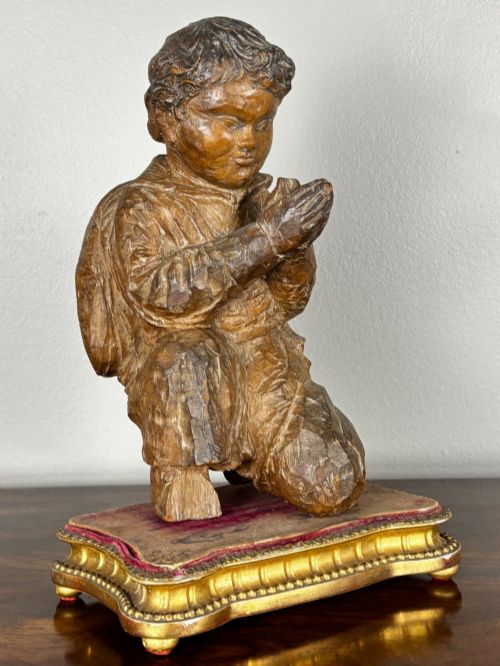
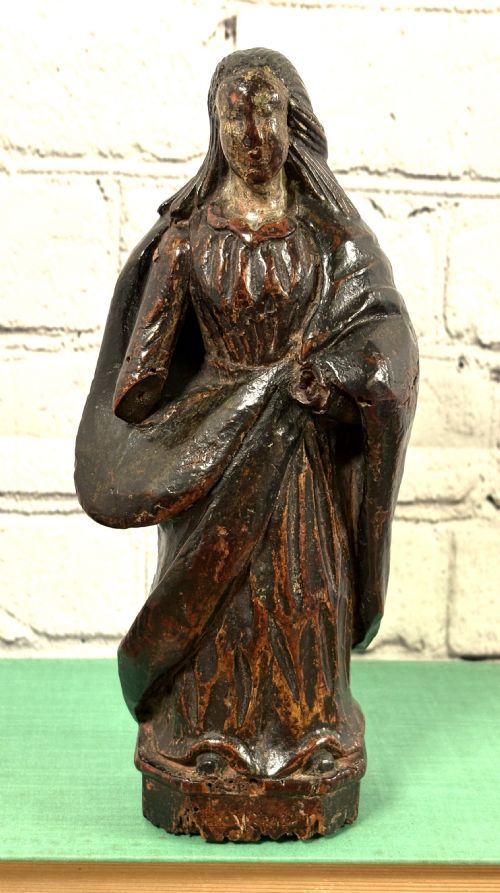
You will most frequently encounter Continental European examples on this page, particularly German Baroque pieces and Swiss Black Forest carvings. The selection includes saints, putti, mythological figures, and animals such as fawns and ibexes.
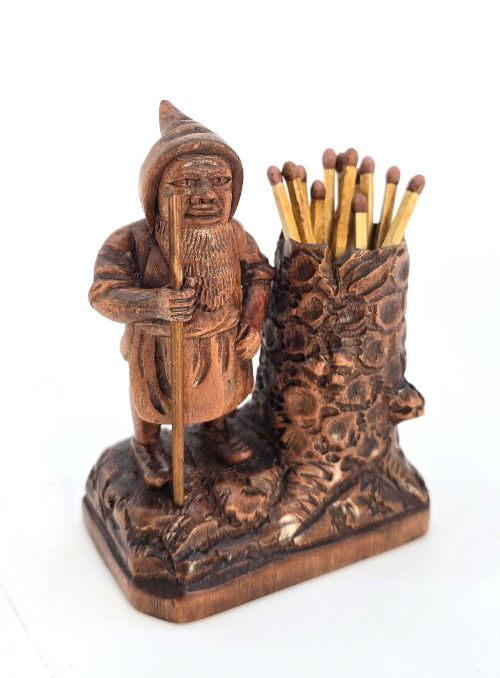
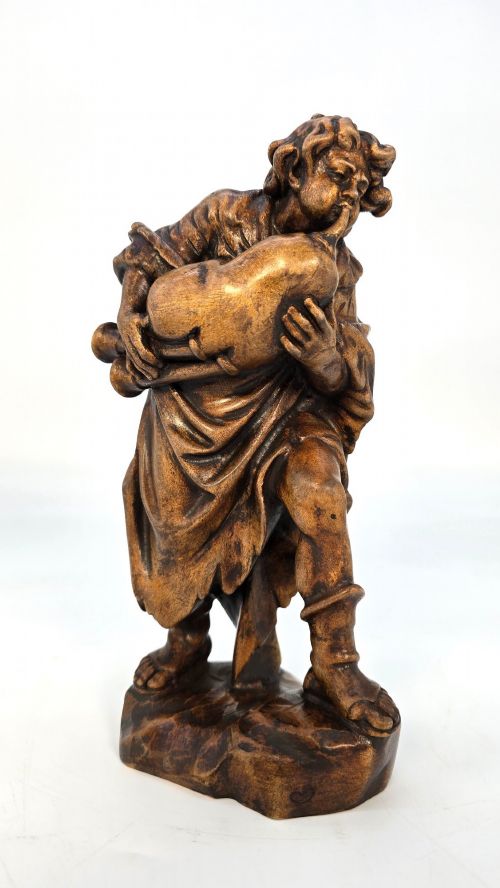
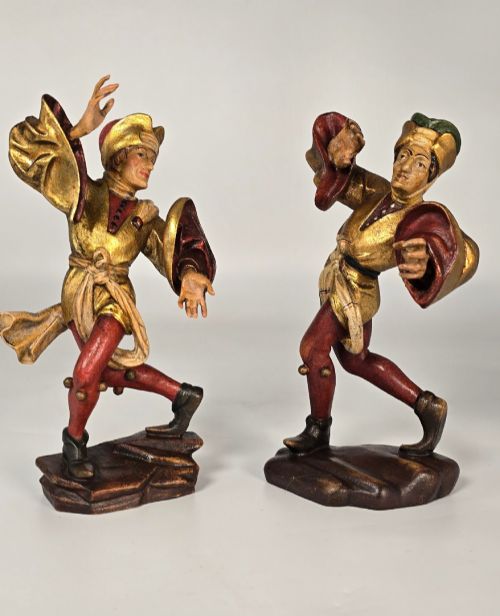
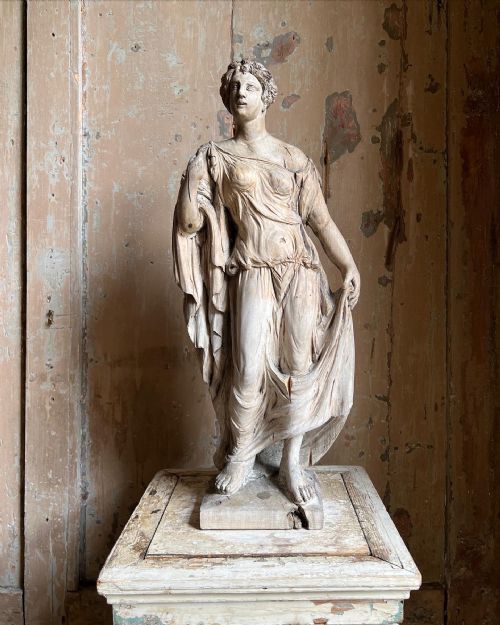
Some pieces serve utilitarian functions alongside their sculptural form, such as match holders or sculptural stands. Others capture specific cultural narratives, from medieval musicians to classical figures after the antique.
Materials and carving techniques
Carvers utilise limewood, also known as linden wood, for its fine, even grain and soft texture which permits minute, undercut detailing without splitting. This timber takes a crisp edge, making it the preferred medium for intricate Renaissance and Baroque sculpture.
Surfaces are occasionally embellished with gold leaf, parcel gilt, or painted polychrome layers to enhance the visual drama of religious and decorative subjects. Unpainted examples rely entirely on the subtle tonal qualities and smooth patina of the bare wood.
Limewood Figure Retail Price Guide 2026
Typical asking prices for limewood figure among the pieces listed under this phrase on Sellingantiques today, from the lower quarter to the upper quarter. They describe what is for sale here now, not the wider market.
Among the historical figures stands a gnome holding matches, proving that nineteenth-century carvers maintained a sense of humour.
Judging the carving
The distinction between ordinary and exceptional work lies in the depth of the undercut and the anatomical conviction of the carving. Master carvers render drapery, hair, and facial expression with a fluid realism that lesser hands miss.
Proportion and the preservation of original surface finishes dictate desirability. Pieces retaining untouched historical patinas or original polychrome and gilding command greater respect among serious collectors.
Hans Müller
The Limewood Figure Glossary
- Polychrome
- Painted decoration applied to wood or stone sculpture. This technique was frequently utilised on religious figures to heighten realism.
- Parcel gilt
- The practice of gilding specific portions of an object with gold leaf while leaving other areas of the material exposed. It creates a striking contrast against the pale limewood ground.
- Putto
- A figure of a small chubby infant, frequently winged, appearing in Renaissance and Baroque art. These figures often symbolise divine or secular love.
- Black Forest
- A style of wood carving originating from the Swiss and German border regions during the nineteenth century. These works typically depict local wildlife and folk characters with deep, naturalistic texturing.
Limewood Figure: Frequently Asked Questions
What are limewood figures?
Limewood figures are three-dimensional carvings executed in lime or linden timber, produced across Europe from the sixteenth century onwards. They encompass both sacred devotional art and secular decorative objects.
The material's fine grain allows carvers to achieve remarkable textural delicacy, distinguishing these sculptures from heavier oak or pine works.
How were antique limewood figures used?
Historically, these figures served multiple purposes ranging from church altarpieces and devotional aids to domestic ornaments and functional items like match holders. Religious pieces occupied sacred spaces, while later folk art pieces decorated parlours.
Over time, many transitioned from functional or devotional objects into pure collector pieces displayed for their artistic merit.
How do I care for limewood?
Maintain stable indoor humidity levels to prevent the timber from drying out, cracking, or warping over time. Keep sculptures away from direct heat sources and strong sunlight.
Dust the carved surfaces gently with a soft, dry brush rather than using wet cloths or liquid furniture polishes that might damage the patina.
How can I tell different periods apart?
Early pieces from the sixteenth and seventeenth centuries frequently depict religious subjects with dramatic drapery influenced by Renaissance and Baroque aesthetics. Later nineteenth and twentieth-century works lean towards animal studies, folk art, and detailed genre scenes.
Stylistic cues, such as the exuberant movement of Baroque carvings versus the rustic charm of Black Forest pieces, help establish the era of execution.