


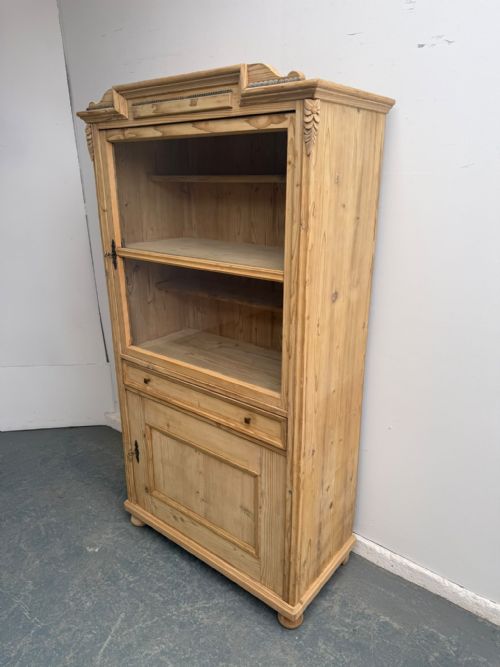


Light Wood Cabinet
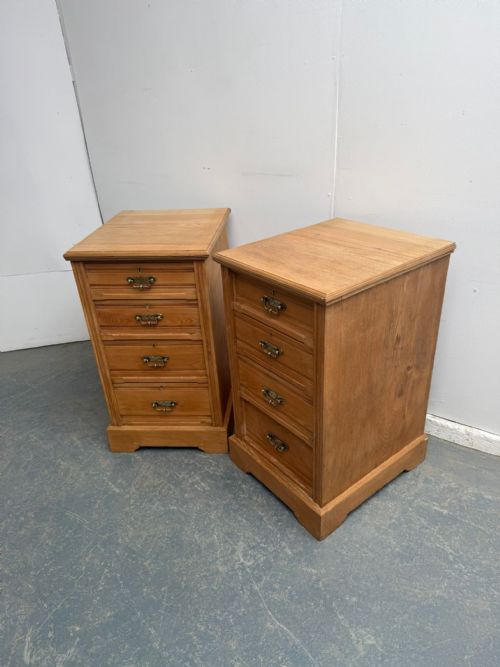
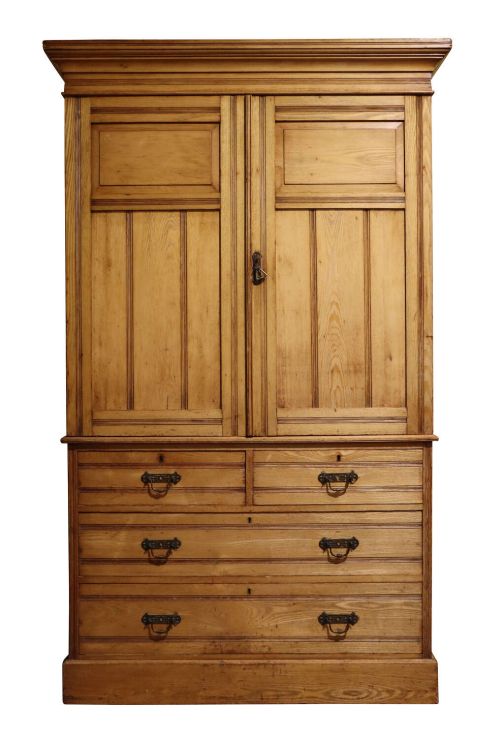
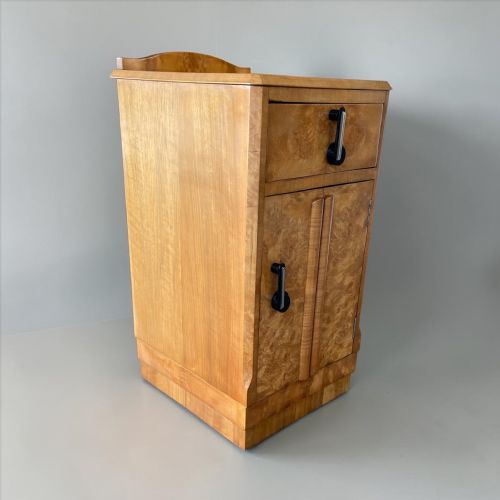
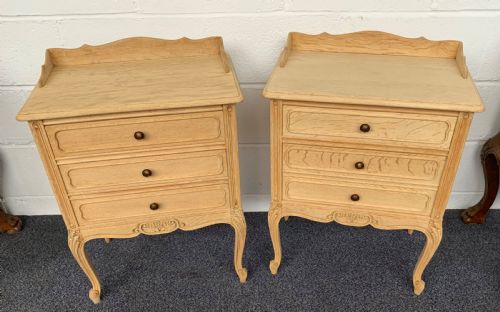
Light wood cabinet options span bedside tables, wardrobes, and bookcases in ash, pine, satinwood, and birch, offering pale tones that brighten a room.
Light Wood Cabinet
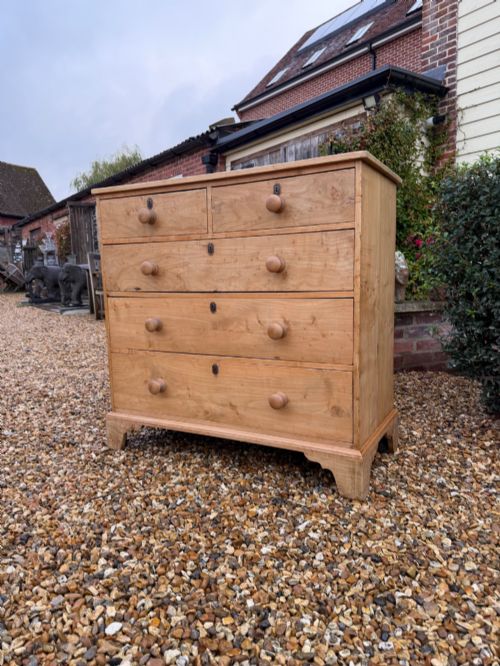
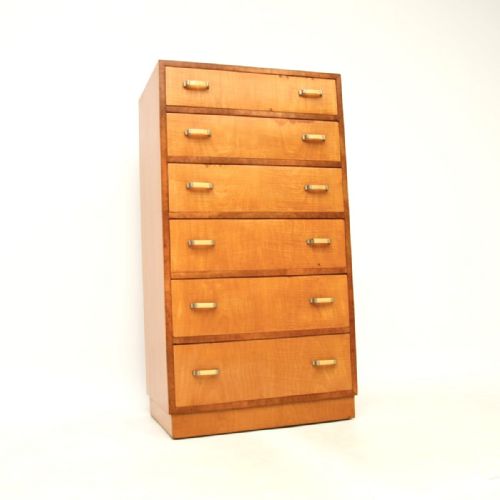
A light wood cabinet selection brings together items designed for storage and display, appearing in forms from bedside tables and chests of drawers to tallboys and bookcases. These storage items originate from various periods including Victorian, Edwardian, and Art Deco eras, alongside nineteenth-century examples.
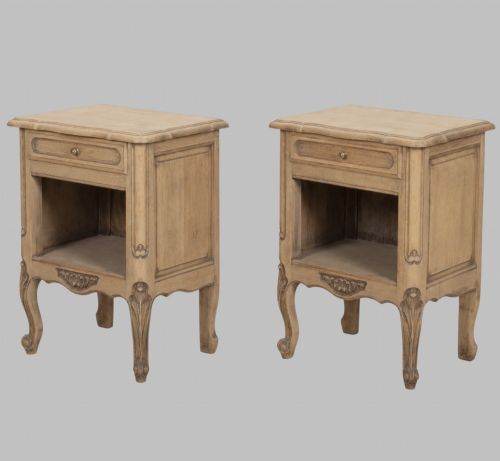
Most pieces seen here lean toward smaller bedside items, bleached oak pairs, and satinwood or ash furniture. Buyers encounter items made in Swedish birch, French provincial styles, and English arts and crafts workshops, offering pale natural grain finishes.
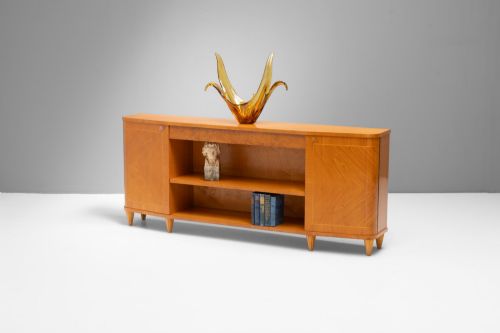
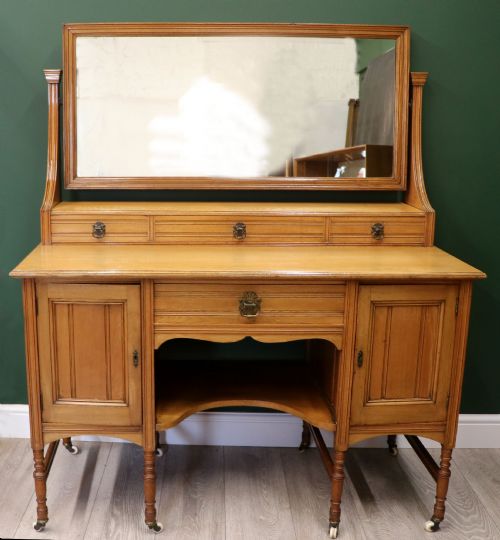
The assortment includes specialised forms such as shop display units, haberdashery chests, and chiffoniers alongside domestic wardrobes and cupboards. Each piece utilises timbers chosen for lighter natural hues or bleached finishes rather than dark polish.
How they were made
Construction relies on solid timbers like ash, pine, oak, and birch, frequently shaped with panelled doors, dovetailed drawers, and turned supports. Cabinetmakers employed waxed, painted, or natural surfaces to protect the grain while preserving pale colouration.
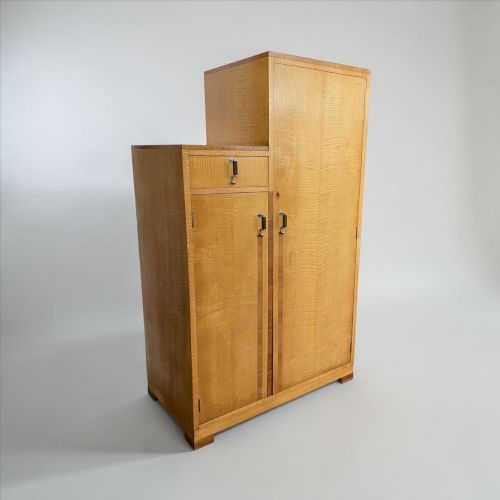
Art Deco examples utilise satinwood, walnut, and birds eye maple veneers applied to carcases, combining geometric lines with figured wood patterns. Earlier Victorian and Edwardian items rely on solid pine, ash, and mahogany or walnut treated with light finishes or later bleaching techniques.
Light Wood Cabinet Retail Price Guide 2026
Typical asking prices for light wood cabinet among the pieces listed under this phrase on Sellingantiques today, from the lower quarter to the upper quarter. They describe what is for sale here now, not the wider market.
Listings feature items from the Victorian, Edwardian, and Art Deco periods, alongside nineteenth-century examples in oak, ash, walnut, and pine.
What varies in quality
Quality rests in the selection of timber figure, such as the grain of satinwood or birds eye maple, and the precision of joinery in drawer linings and backboards. Finer items demonstrate careful matching of veneers and thoughtful integration of original brass hardware.
The distinction between standard utility items and finer workshop pieces lies in the crispness of carved details, structural stability of timber frames, and integrity of historical surfaces whether waxed, polished, or painted.
Maple and Co·Betty Joel·Hille
The Light Wood Cabinet Glossary
- Ash
- A pale, tough hardwood with a pronounced open grain, frequently utilised in Arts and Crafts furniture and Victorian bedside cabinets.
- Satinwood
- A durable hardwood yielding a smooth, lustrous yellow-brown surface that takes a high polish, popular in eighteenth and nineteenth-century decorative pieces.
- Birch
- A pale, close-grained timber favoured by Scandinavian and English cabinetmakers for clean-lined wardrobes, bookcases, and chests.
- Tallboy
- A tall chest of drawers standing higher than a standard chest, often combining drawer tiers with a cupboard section.
- Chiffonier
- A low sideboard or cabinet featuring drawers and doors, common in Victorian and Edwardian domestic interiors.
Light Wood Cabinet: Frequently Asked Questions
How do I date a light wood cabinet?
Dating relies on observing construction methods, timber choices, and stylistic cues such as Victorian mouldings or Art Deco geometric veneering. Hardware fixings and drawer dovetailing provide further clues to the decade of manufacture.
Comparing pieces against documented examples from periods like the Edwardian era or the nineteen-thirties helps narrow down the probable age of the timber frame.
Are bleached oak cabinets period originals?
Bleaching oak is a treatment applied both historically and in later conservation to lighten dark timbers and achieve pale decorative effects. Examining the interior surfaces and finish depth helps determine when the lighter tone was applied.
Many pieces from the nineteen-twenties and nineteen-thirties embraced pale wood aesthetics intentionally, matching contemporary tastes for brighter domestic interiors.
How do I care for satinwood furniture?
Satinwood benefits from gentle dusting with a soft, dry cloth and occasional application of traditional beeswax to nourish the polished surface. Avoiding direct sunlight and excessive moisture protects the timber grain and prevents fading.
Maintaining stable room temperatures prevents veneer lifting and keeps the pale finish looking crisp and clean over decades of domestic use.
What rooms suit a small pine cabinet?
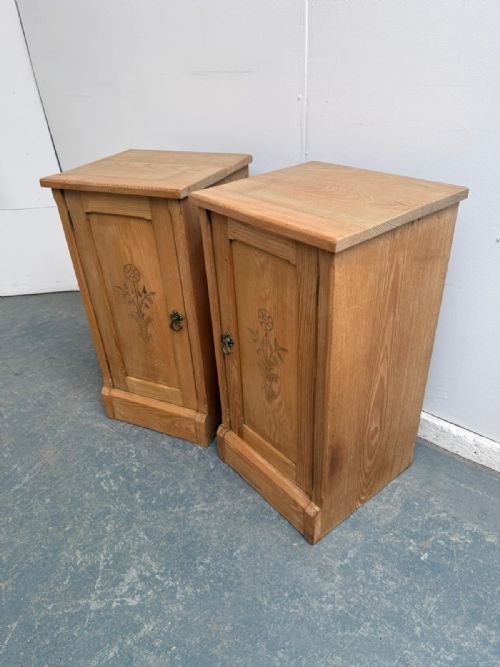
Small pine cabinets and bedside tables offer versatile storage in bedrooms, hallways, or compact living spaces where floor area is limited. Their neutral pale tones blend easily with various interior colour schemes and wall finishes.
These pieces provide practical surface space and enclosed drawer storage while maintaining a visually light footprint in smaller rooms.