




Lidded Glass Dish
A lidded glass dish is a practical vessel for the dressing table or dining room, prized for combining sparkle with utility.
Lidded Glass Dish
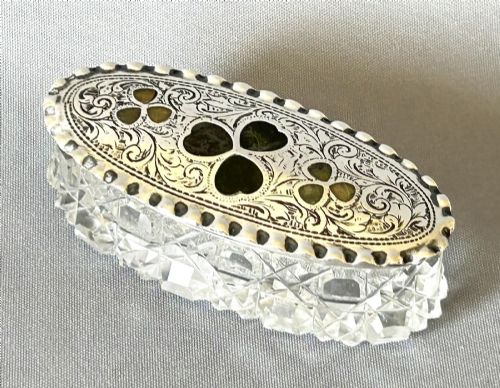
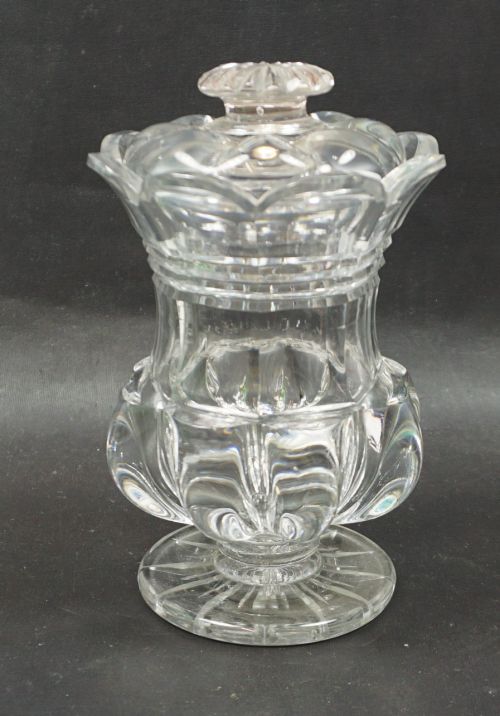
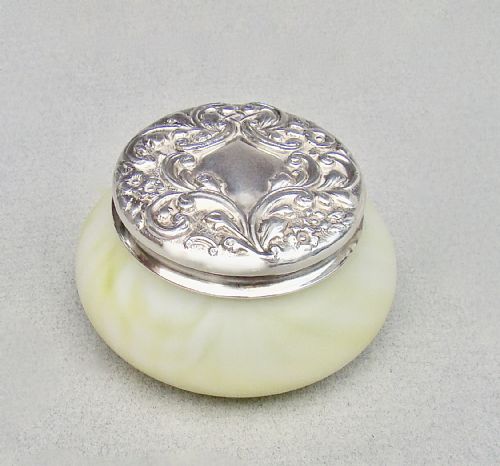
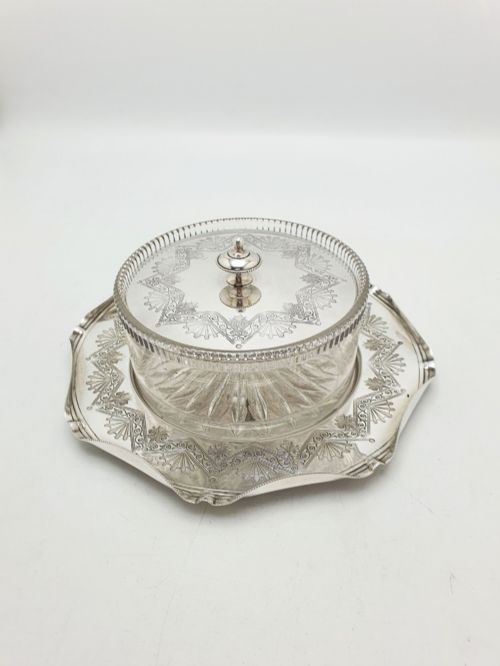
A lidded glass dish covers a range of useful forms spanning the Georgian, Victorian, Edwardian, and Art Deco eras. Buyers searching for a lidded glass dish will encounter dressing table trinket boxes, vanity jars, butter dishes, and sweetmeat jars.
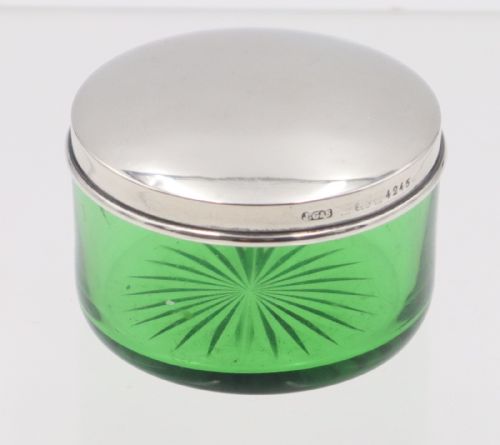
The material combination typically pairs a moulded, cut, or coloured glass body with a fitted metal lid in silver, silver plate, or gold. Forms vary from simple circular bowls to heart-shaped boxes and large serving vessels.
Originating from English, Scottish, and French workshops, these pieces served functional domestic roles before becoming decorative tabletop accessories.
How they were made
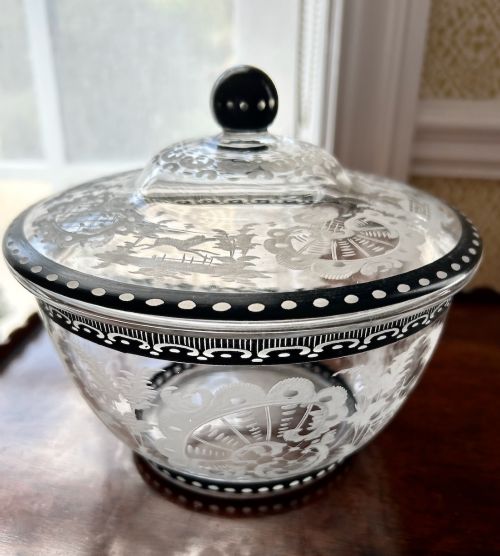
Glass bodies were produced through blowing, moulding, or heavy cutting to create faceted lead crystal, cranberry glass, satin glass, and latticinio varieties. Techniques such as wheel-engraving added surface detail to bowls and covers.
Lids and mounts utilised sterling silver, silver plate, and gold, often hallmarked with assay office marks and maker stamps. Additional ornamentation frequently incorporated blue enamel, tortoiseshell, and fitted glass liners.
Lidded Glass Dish Retail Price Guide 2026
Typical asking prices for lidded glass dish among the pieces listed under this phrase on Sellingantiques today, from the lower quarter to the upper quarter. They describe what is for sale here now, not the wider market.
Listings feature items from the Victorian, Edwardian, and Art Deco periods, utilising cut glass, cranberry glass, lead crystal, sterling silver, and enamel.
What varies in quality
Quality rests in the weight and clarity of the glass, whether standard glass, cut glass, lead crystal, or specialist coloured wares like cranberry and latticinio. Crisp, deep facets and smooth polished pontil marks distinguish superior glass bodies.
The metalwork on the lid provides another measure, with solid sterling silver and gold mounts demonstrating superior craftsmanship compared to silver plate. Intricate additions such as hand-applied enamel, tortoiseshell panels, and secure hinge fittings elevate the standard of the piece.
A. J. Pepper & Co·A. Bromet & Co·Hoffman·Baccarat
The Lidded Glass Dish Glossary
- Cranberry glass
- A rich red-pink transparent glass coloured with gold chloride during production. It is frequently seen in Victorian butter dishes and vanity pots.
- Lead crystal
- Glass containing metal oxide to increase weight, refractive index, and brilliance. This material allows for deep, sharp cutting.
- Latticinio
- An Italian glass technique featuring fine opaque white threads twisted within clear glass. It creates delicate net-like patterns across bowls and covers.
- Hallmark
- A set of official marks stamped on precious metal components indicating the assay office, metal purity, and year of manufacture. These help date the silver lids securely.
- Sweetmeat jar
- A covered glass vessel designed to hold small sweet confections or preserved fruits on the dining table. They often feature pedestal bases and matching covers.
Lidded Glass Dish: Frequently Asked Questions
How do I clean an antique glass dish with a silver lid?
Use a soft cloth and mild soapy water for the glass body, taking care to keep moisture away from any fabric or paper linings inside. Polish the silver lid separately with a dedicated silver cloth to avoid transferring polish onto the glass.
Avoid submerging pieces that feature glued components, enamel work, or tortoiseshell mounts in water. Gentle spot-cleaning preserves both the metal surface and the integrity of the hinges.
What is the difference between a trinket box and a vanity jar?
Trinket boxes generally feature hinged metal lids attached to shallow glass bases, designed for holding small jewellery items on a dressing table. Vanity jars often possess taller upright glass bodies with lift-off or screw-on silver covers intended for creams or powders.
Both forms utilise heavy cut glass or crystal, but their proportions reflect their original domestic functions in the bedroom or boudoir.
How can I tell a Victorian lidded dish from an Edwardian one?
Victorian pieces often display heavier proportions, deep wheel-engraving, or rich cranberry colouring paired with robust silver-plated mounts. Edwardian examples frequently shift towards lighter sterling silver mounts, heart shapes, and crisper cut crystal designs.
Checking any hallmarks on the metal lid provides a definitive year of manufacture that confirms the exact period.
Were these glass dishes used for dining or display?
Many lidded glass vessels served specific dining purposes, such as butter dishes with glass liners, sugar bowls, and sweetmeat jars for the table. Others were manufactured exclusively for the dressing table as vanity pots and trinket boxes.
The presence of a fitted silver-plated liner or a pedestal base usually points towards dining use, while flat-bottomed boxes suggest use on a surface for personal items.