

Leaded Glass Display
Leaded glass display pieces bring together timber frames and geometric glazing to hold treasured china and books.
Leaded Glass Display
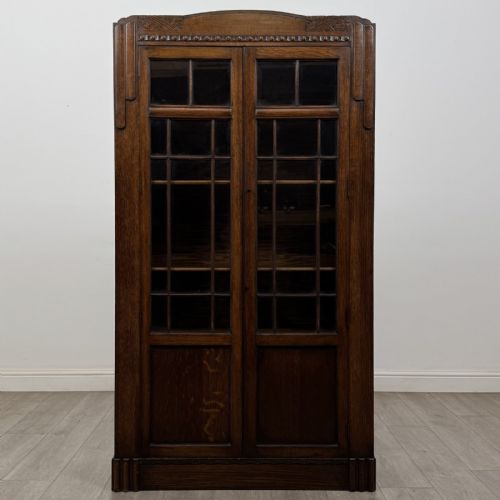
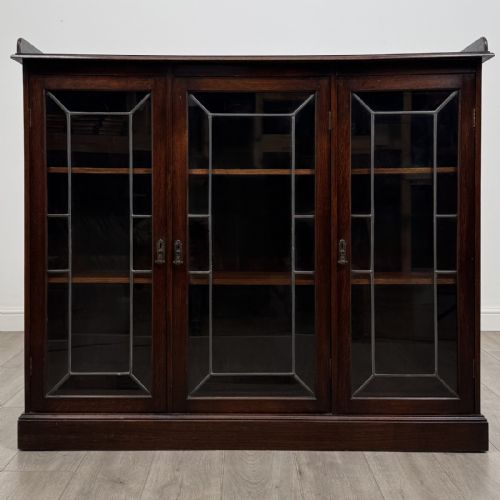
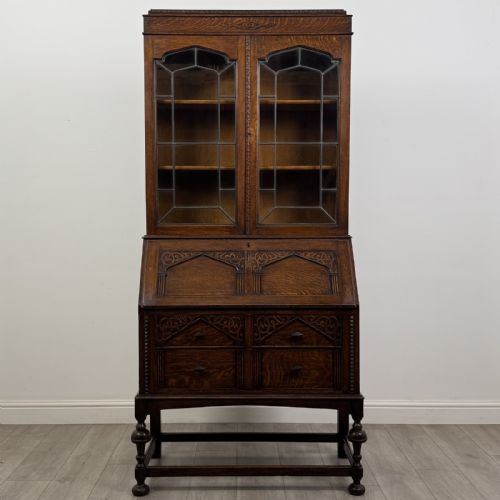
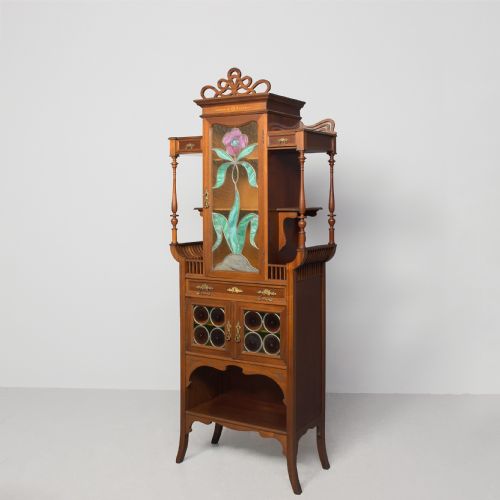
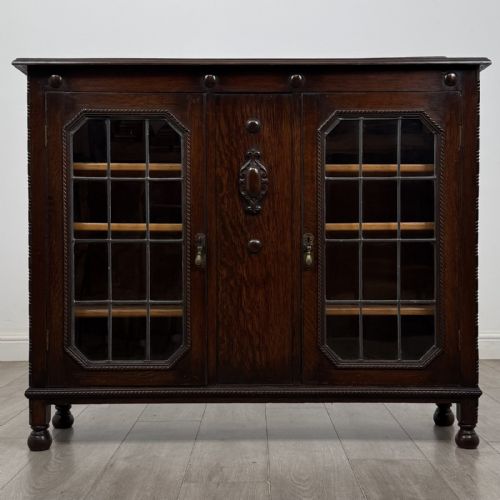
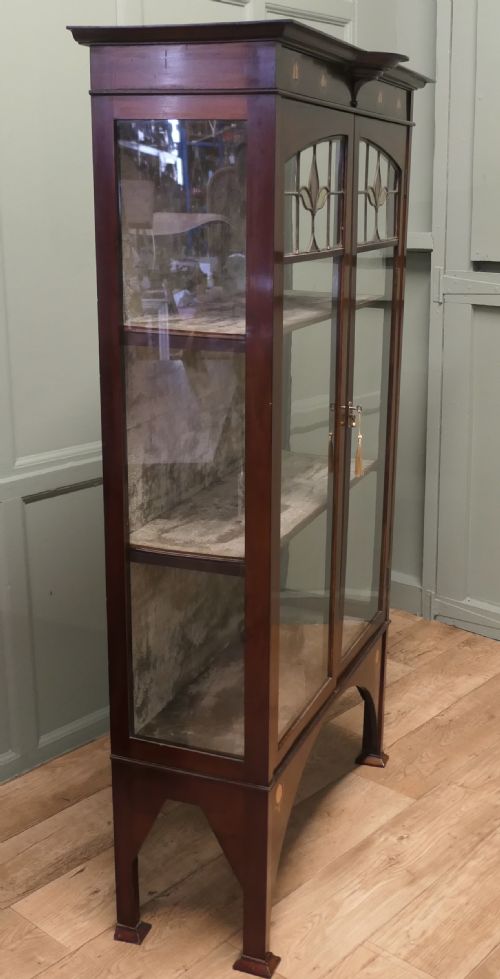
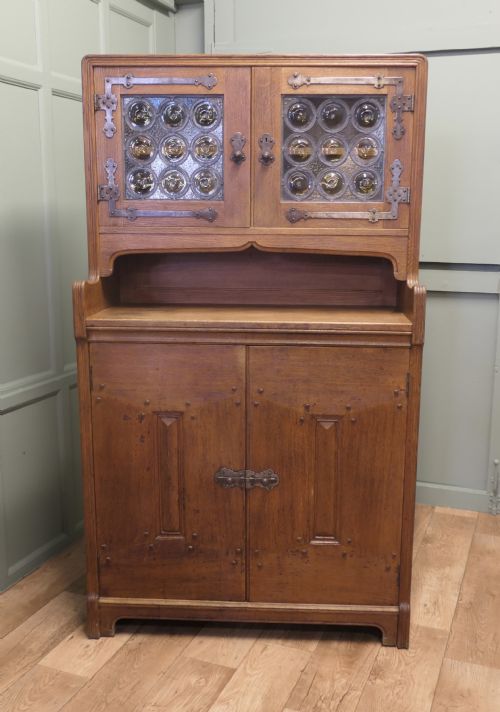
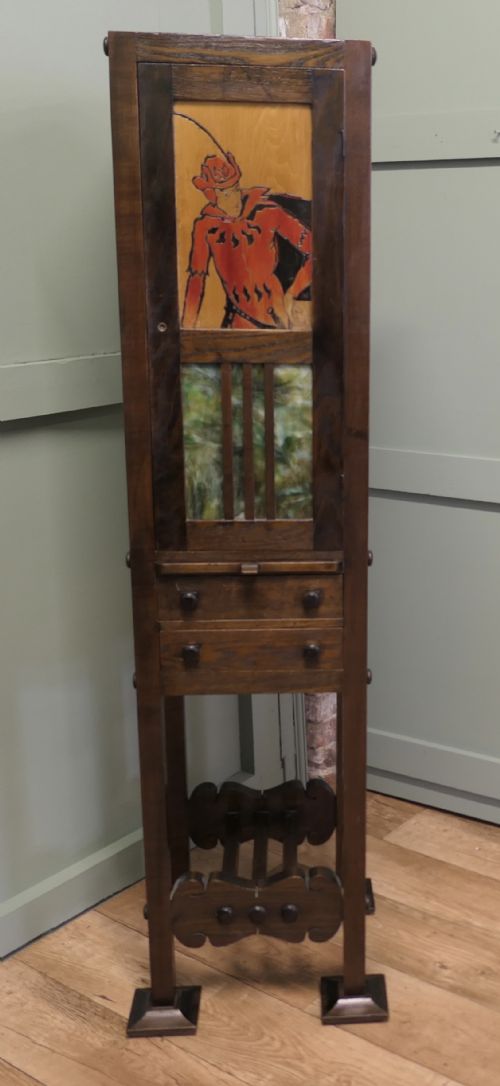
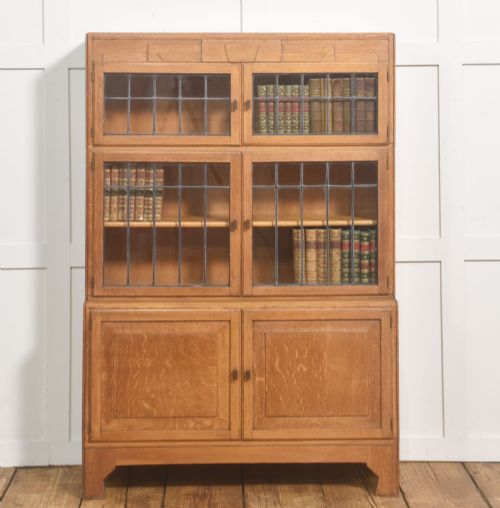
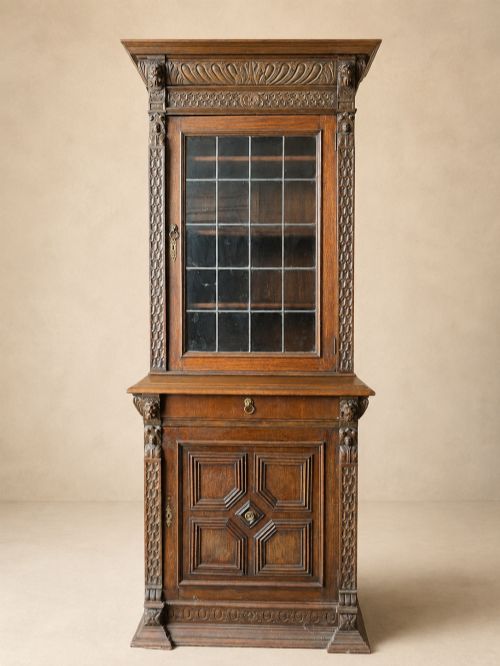
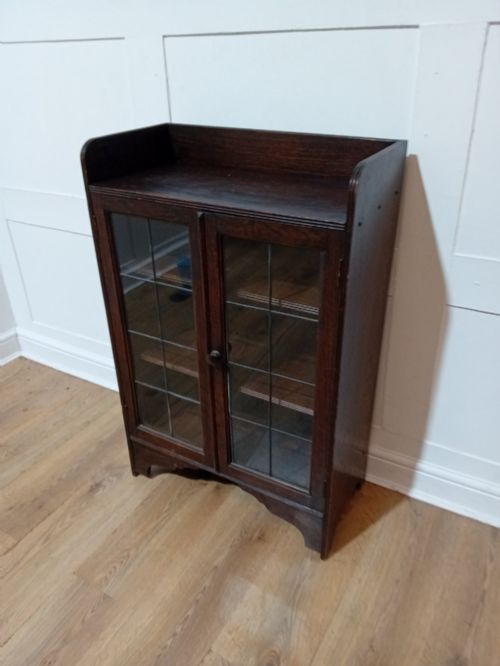
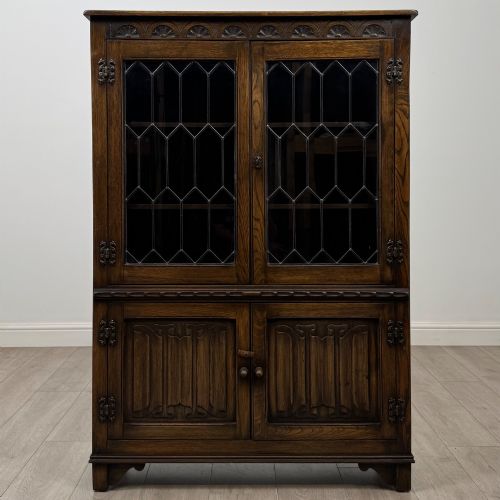
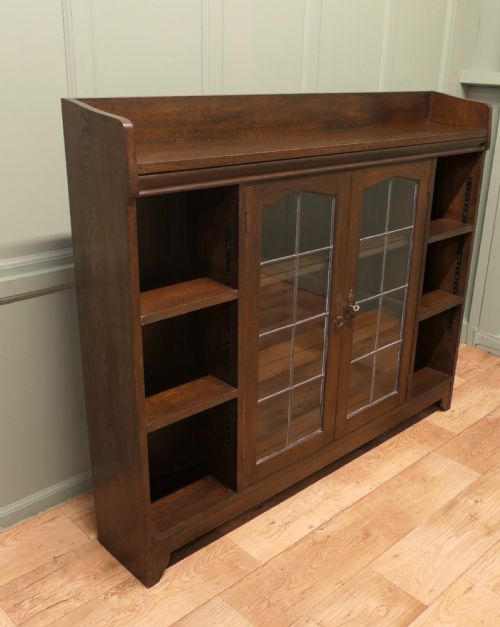
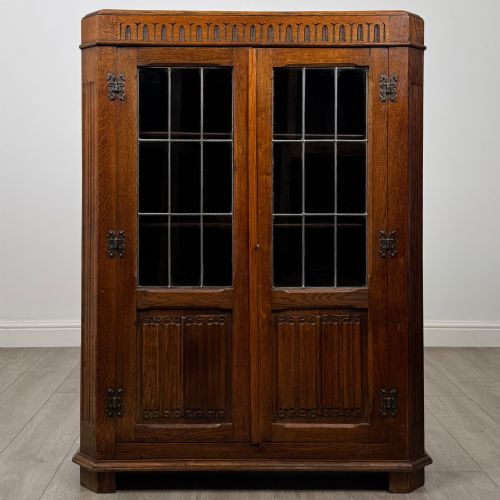
A leaded glass display search reveals a selection of bookcases, display cabinets, and bureau bookcases spanning the nineteenth and twentieth centuries. Oak and mahogany provide the structural framework for these cabinets, often taking tall, slim, or corner configurations.
Makers from the Edwardian era and the Arts and Crafts movement dominate the selection, alongside Art Deco and Victorian examples. Pieces range from straightforward stacking bookcases to elaborate sideboards and dressers fitted with glazed doors.
Distinctions in Quality
The distinction between standard utility furniture and superior cabinetmaking lies in the precision of the timber joinery and the complexity of the leaded glazing. Workshop attribution, such as pieces linked to notable retailers or designers, elevates the standing of an item.
Finer examples demonstrate careful grain selection in the oak or mahogany, integrated carving, and robust stacking mechanisms in modular barrister bookcases.
Leaded Glass Display Retail Price Guide 2026
Typical asking prices for leaded glass display among the pieces listed under this phrase on Sellingantiques today, from the lower quarter to the upper quarter. They describe what is for sale here now, not the wider market.
Listings feature oak, mahogany, walnut, and maple joined with lead, brass, and iron across Victorian, Edwardian, and Art Deco styles.
Shapland and Petter·Liberty and Co·Maple and Co·Minty·Lambs of Manchester
The Leaded Glass Display Glossary
- Leaded glass
- Glass panes held together by lead cames to form windows or cabinet doors. This technique allows for decorative geometric patterns.
- Barrister bookcase
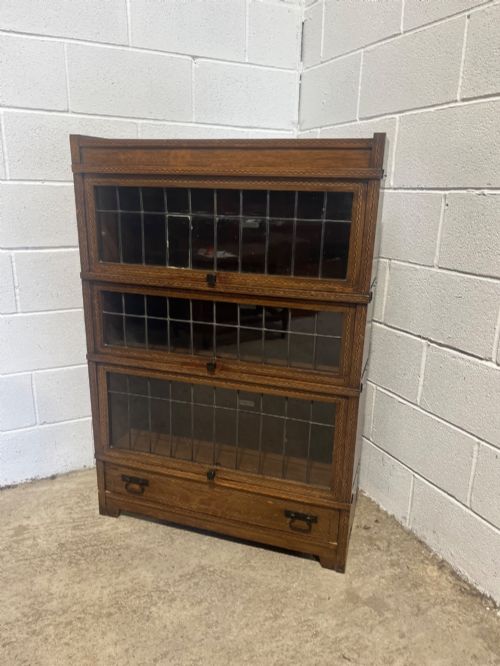
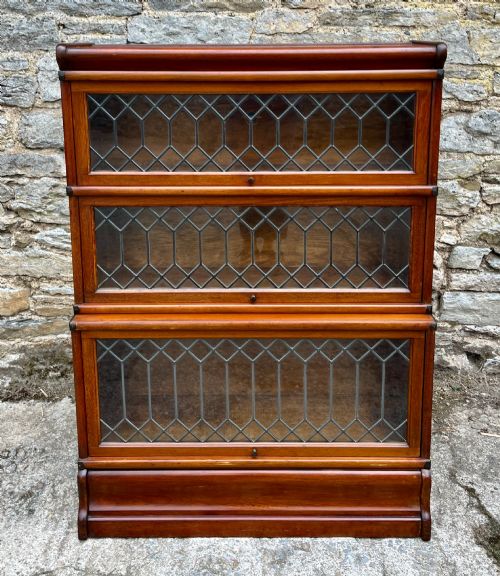
- A modular bookcase featuring stacked shelving units with upward-lifting glass doors. This design protected law books from dust.
- Linenfold
- A style of wood carving that mimics folded fabric or linen. It is frequently seen on Tudor revival and Edwardian panels.
- Globe Wernicke
- A proprietary style of modular stacking barrister bookcase popular in the early twentieth century. These units interlock to form custom shelving towers.
Leaded Glass Display: Frequently Asked Questions
What is a leaded glass display cabinet?
These pieces are wooden cabinets fitted with glass panes joined by lead strips, designed to showcase books, china, and ornaments while keeping dust away.
They appear in forms ranging from tall bookcases and corner cupboards to modular stacking units and sideboards.
How do I identify an Arts and Crafts bookcase?
Arts and Crafts examples emphasise plain oak construction, visible joinery, and functional design, sometimes incorporating inlaid motifs or copper hardware.
Such pieces often originate from the late nineteenth or early twentieth century and match the aesthetic of leading design houses of the period.
Where were barrister bookcases used?
Barrister bookcases were designed for offices and studies to hold legal volumes, utilising modular stacking shelves with glass fronts that lifted overhead.
This format allowed lawyers to expand their library by adding individual sections without buying a new piece of furniture.
How do I care for antique oak display furniture?
Maintain the timber by keeping it away from direct heat sources and applying appropriate wax polish to nourish the grain of the oak or mahogany.
Inspect the brass hardware and lead cames periodically to ensure the structure remains stable and the glass stays secure.