




Lattice Door Cabinet
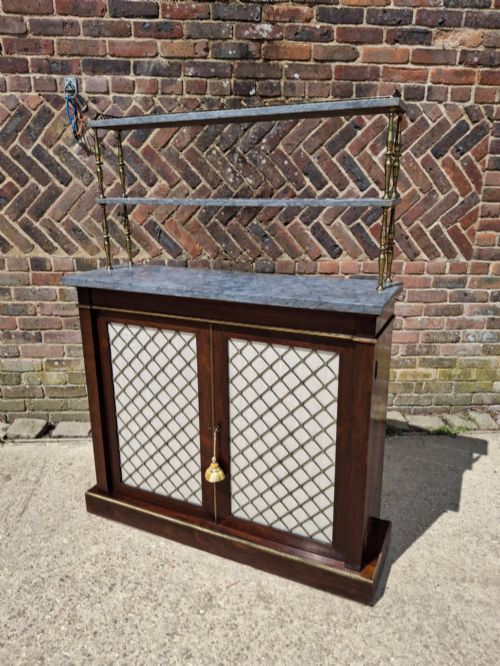
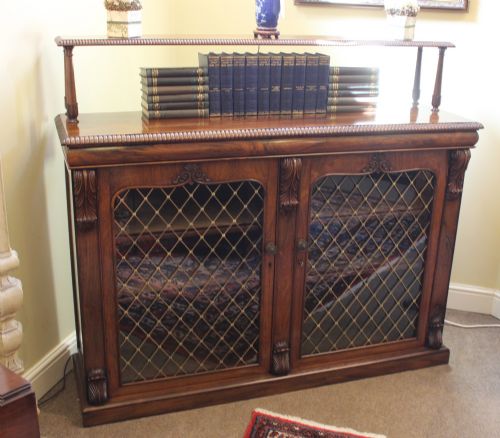
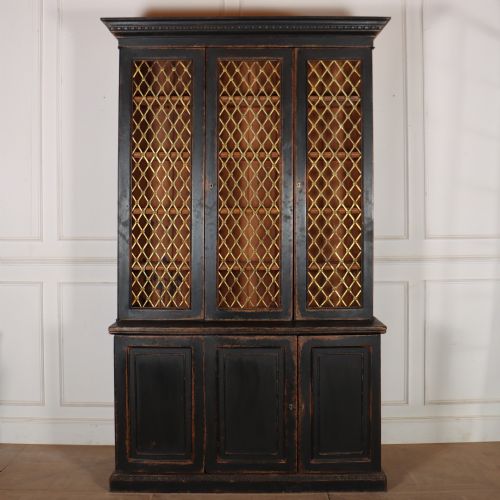
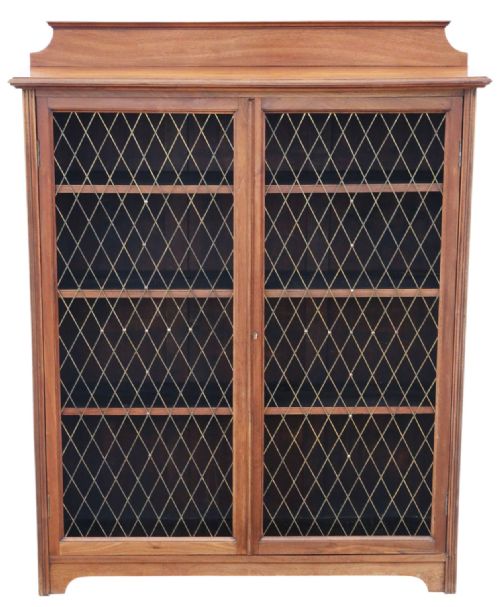
These lattice door cabinet pieces bring warmth and refined storage to any room, offering the classic visibility of glazed or grilled panels paired with sturdy timber frames.
Lattice Door Cabinet
A lattice door cabinet unites practical storage with display capability, typically taking the form of bookcases, chiffoniers, side cabinets, and cupboards. These items serve to house books, linens, and household provisions while keeping dust at bay.
Most examples found in these listings trace back through the nineteenth century, encompassing Regency, Victorian, and William IV eras. Formats range from grand rosewood bookcases down to country house cupboards and pantry pieces.
Makers utilised various timber foundations including mahogany, walnut, rosewood, and painted pine. Certain designs incorporate single brass grill doors or glass panels set into wooden frameworks to create the signature lattice effect.
How they were made
Cabinet makers constructed these pieces using dense hardwoods like mahogany, rosewood, and walnut, alongside utilitarian painted pine for vernacular items. Timbers were selected for their grain and durability, forming the structural carcass and shelving.
Glazing bars and metal grilles formed the characteristic lattice patterns across the doors, often backed by fabric linings. Fine examples featured boxwood inlay and brass fittings to accent the woodwork.
Lattice Door Cabinet Retail Price Guide 2026
Typical asking prices for lattice door cabinet among the pieces listed under this phrase on Sellingantiques today, from the lower quarter to the upper quarter. They describe what is for sale here now, not the wider market.
Periods represented span the Regency, Victorian, William IV, and Edwardian eras.
What varies in quality
Quality rests in the selection of timber veneers and the precision of the joinery within the cabinet carcass. Superior pieces display refined boxwood inlay, well-matched rosewood grain, and robust internal shelving.
The refinement of the lattice work itself defines the tier of the piece, whether through delicate wooden glazing bars or neat brass grilles. Maker attribution and harmonious proportions further elevate the standing of an item.
John McClean
The Lattice Door Cabinet Glossary
- Chiffonier
- A low sideboard or cabinet featuring cupboards beneath, popular during the nineteenth century. It often includes shelving on top for display.
- Glazing bar
- The narrow strip of wood or metal holding panes of glass within a lattice door. These bars define the geometric pattern across the front.
- Brass grill
- A woven or perforated metal mesh fitted into cabinet doors in place of glass. This material allows ventilation while concealing the contents.
- Veneer
- A thin layer of fine timber applied over a secondary wood base. This technique creates rich surface patterns on rosewood and mahogany furniture.
- Vernacular
- Everyday domestic furniture made for regional use rather than high-fashion urban workshops. Painted pine cupboards often fall into this practical category.
Lattice Door Cabinet: Frequently Asked Questions
What is a lattice door cabinet?
A lattice door cabinet is a storage piece featuring glazed or grilled doors divided by wooden bars or metal mesh. These items range from grand bookcases to modest country cupboards.
They provide enclosed storage while allowing visibility into the interior, making them suitable for displaying books or fine objects.
How old are these cabinets?
The pieces seen here primarily date from the nineteenth century, covering Regency, Victorian, and William IV periods. Each era brought distinct stylistic touches to the woodwork.
Craftsmen of these periods relied heavily on dense hardwoods like mahogany and rosewood, alongside regional painted pine.
Where were these cabinets used?
These pieces served multiple rooms in historical homes, functioning as libraries, parlours, dining rooms, and pantries. Bookcases housed literature, while chiffoniers and cupboards held household provisions and linens.
Their enclosed design kept contents protected from dust and light while remaining accessible for daily use.
How do I care for rosewood?
Rosewood furniture benefits from stable indoor environments away from direct sunlight and sudden temperature shifts. Dusting with a dry cloth preserves the polished surface.
Applying specialised wax sparingly helps maintain the natural moisture and grain depth of the timber over time.