



Late Victorian Walnut Seating
Late victorian walnut seating combines solid timber frames with upholstered comfort, offering period craft for everyday rooms.
Late Victorian Walnut Seating
Late victorian walnut seating encompasses a diverse range of domestic furniture created during the final decades of the nineteenth century. Buyers searching this phrase encounter everything from formal dining sets to comfortable wing armchairs and small occasional stools.
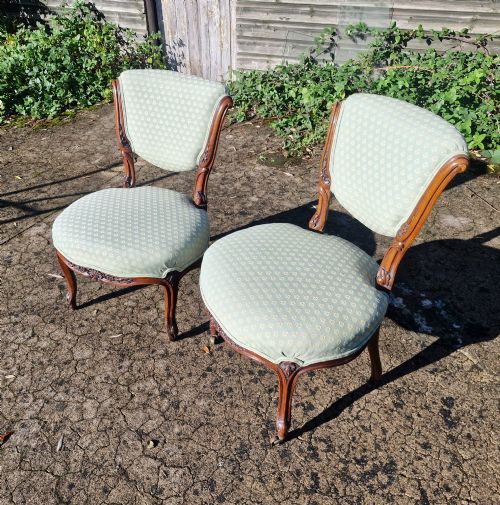
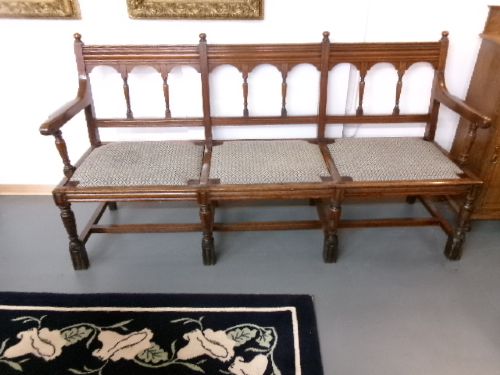
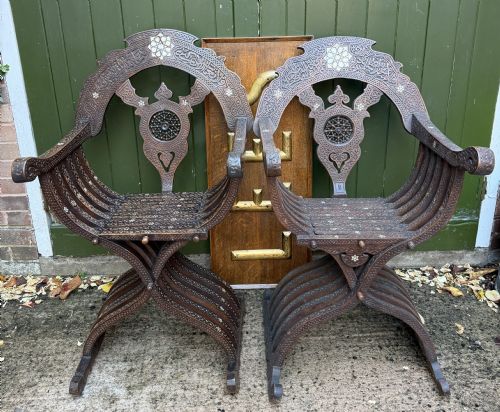
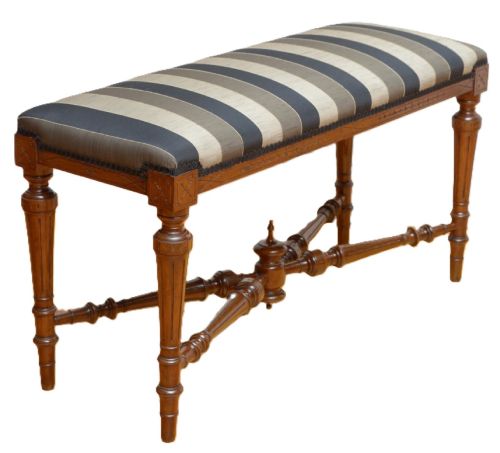
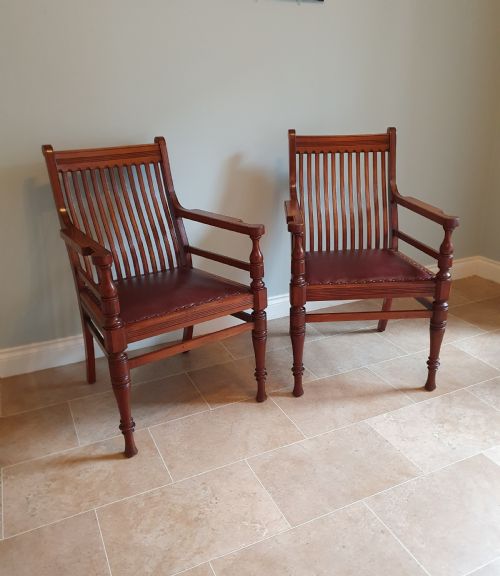
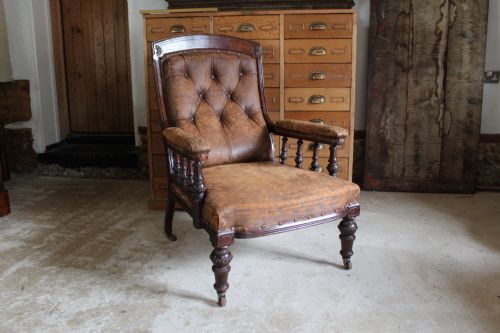
The domestic interior of this period utilised walnut extensively for seating frames, often shaped into revivalist or aesthetic movement forms. Dining chairs and armchairs dominate the selections, frequently accompanied by specialist pieces such as music stools and chaise longues.
Most pieces date between eighteen eighty and nineteen hundred, reflecting the height of late nineteenth-century cabinet making. These items bridge the gap between heavy mid-century forms and lighter twentieth-century aesthetics.
Materials and Construction
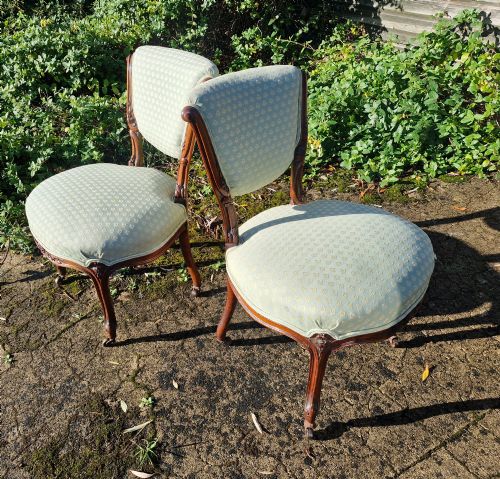
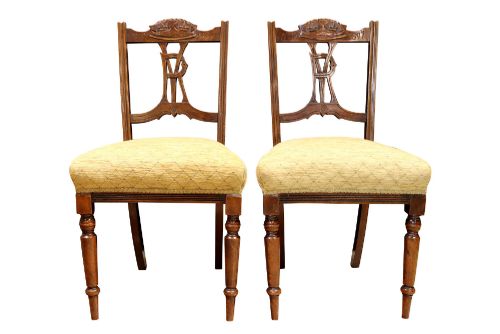
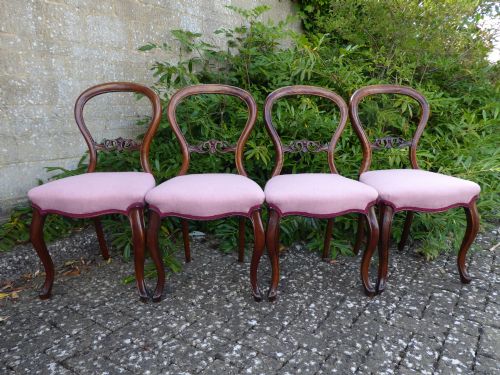
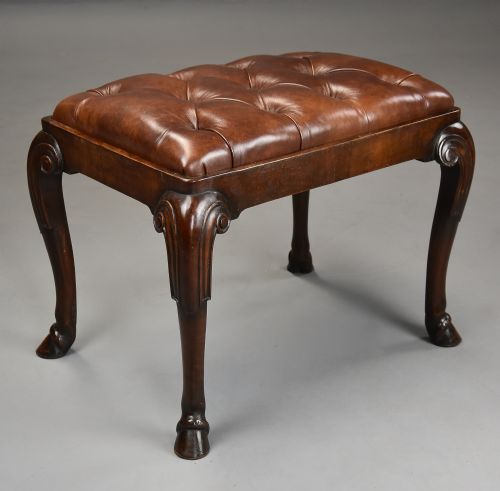
Walnut serves as the primary timber across these frames, valued for its rich grain and capability for crisp carving. Cabinet makers shaped the wood into cabriole legs, pierced splat backs, and structural supports using traditional joinery techniques.
Upholstery materials play an essential role in the construction, incorporating leather, velvet, needlework covers, and simple textiles. Brass fittings and metal elements occasionally appear on adjustable swivel chairs and revolving music seats.
Late Victorian Walnut Seating Retail Price Guide 2026
Typical asking prices for late victorian walnut seating among the pieces listed under this phrase on Sellingantiques today, from the lower quarter to the upper quarter. They describe what is for sale here now, not the wider market.
Canines take physical form as side tables in the Black Forest selections.
Standards of Execution
Quality in these pieces depends heavily on the depth and precision of the hand-carved details on the walnut frame. Finer examples display carefully pierced splats and well-proportioned cabriole legs rather than mechanical production marks.
The integrity of the original timber and the choice of upholstery materials separate standard utility seating from high-end commission work. Sets that retain matching frames and period covers demonstrate superior preservation.
Lamb of Manchester·Blyth & Sons·James Shoolbred
The Late Victorian Walnut Seating Glossary
- Cabriole leg
- A furniture leg that curves outward and then tapers inward, mimicking an animal limb. This form appears frequently on Queen Anne revival pieces from the period.
- Aesthetic movement
- A late nineteenth-century design style focusing on art for art's sake, often featuring simplified lines and Japanese-inspired motifs. Pieces in this manner reject heavy mid-century ornamentation.
- Wing armchair
- An upholstered seat with high sides designed to shield the sitter from draughts. Late nineteenth-century versions often feature exposed walnut framing and deep padding.
- Pierced splat
- The central vertical strip of a chair back that has been cut through to create an openwork pattern. Carvers used this technique to lighten the visual weight of walnut dining chairs.
Late Victorian Walnut Seating: Frequently Asked Questions
How do I identify late victorian walnut seating?
Look for dense walnut timber framing combined with late nineteenth-century stylistic cues like aesthetic movement lines or revivalist carving.
Check the construction methods and upholstery styles to confirm the manufacturing era sits between eighteen eighty and nineteen hundred.
Were these chairs used for dining?
Many of these pieces were specifically created as sets of dining chairs for formal nineteenth-century homes.
Makers also produced single armchairs, desk chairs, and bedroom chairs for private rooms.
How should I care for walnut furniture?
Keep wooden frames away from direct sunlight and sudden temperature changes to prevent the walnut from drying out. Dust the carved surfaces regularly with a dry cloth.
What styles are common in this furniture?
The selection includes aesthetic movement designs, Queen Anne revival forms, and classical Victorian shapes.
Carved details and exposed wood frames unite these diverse aesthetic approaches.