




Late Victorian Wall Artwork
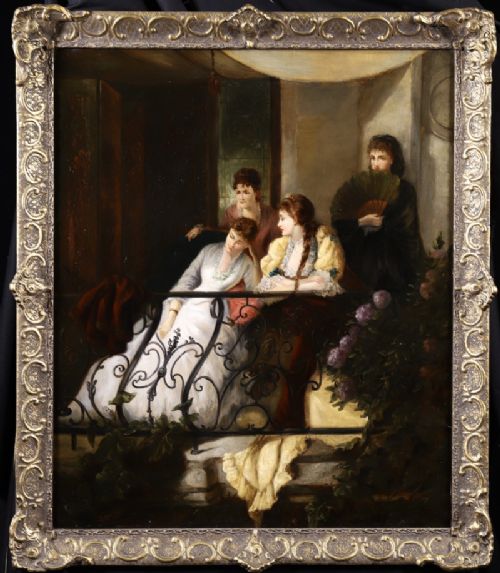
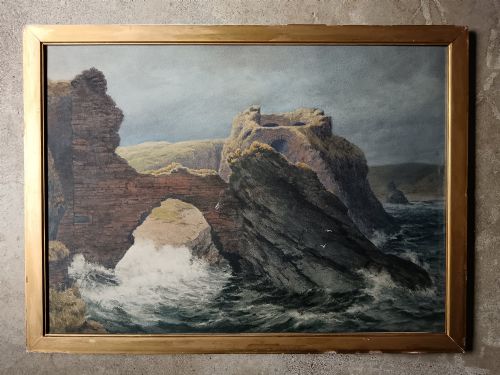
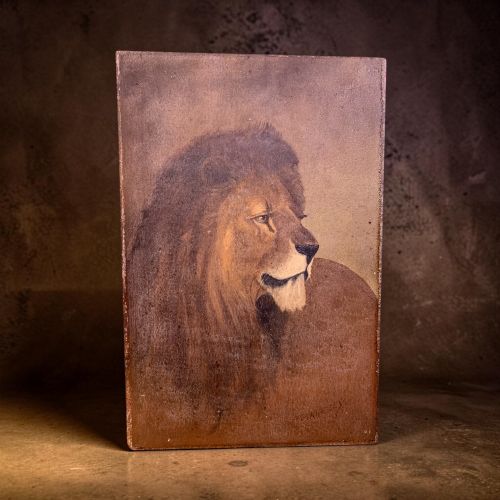
Late victorian wall artwork brings together original watercolours, oils, and early prints capturing maritime scenes, pastoral landscapes, and character portraits.
Late Victorian Wall Artwork
Late victorian wall artwork comprises original paintings, watercolours, sketches, and period prints created near the turn of the nineteenth century. Buyers seek these items to introduce authentic nineteenth-century atmosphere and traditional subject matter into domestic interiors.
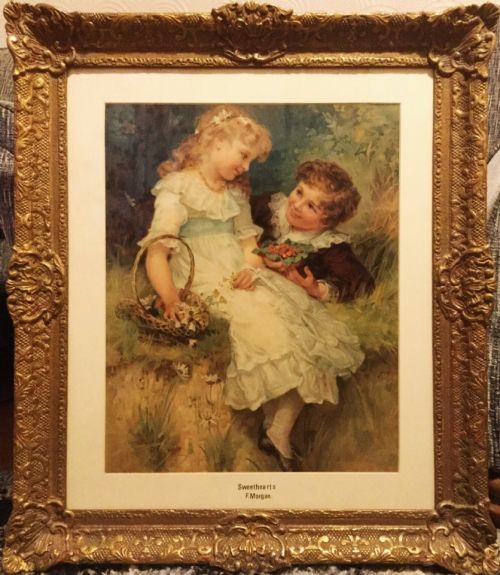
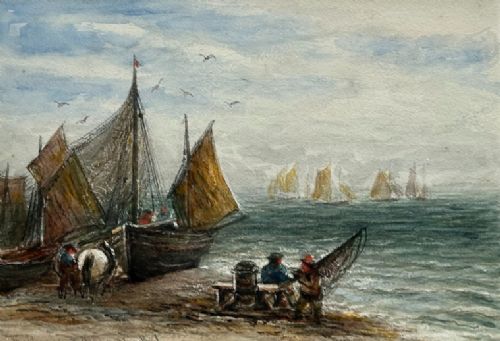
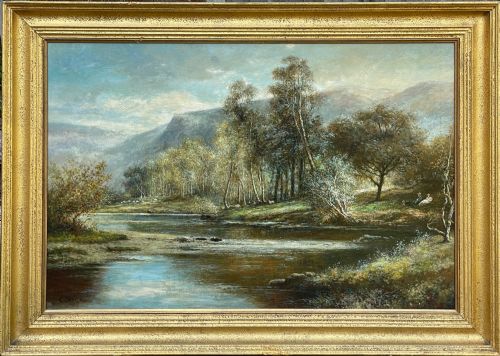
The selection on this page centres on British coastal views, river landscapes, woodland scenes, and portraiture executed in oil or watercolour. Common subjects include fishing boats, rural haymaking, and domestic animals rendered with academic skill or naive charm.
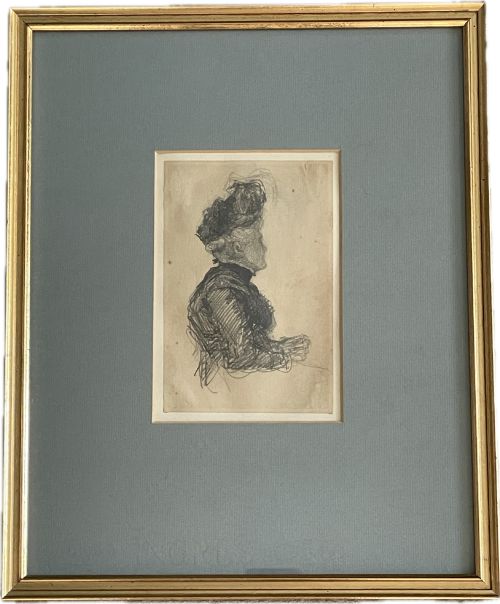
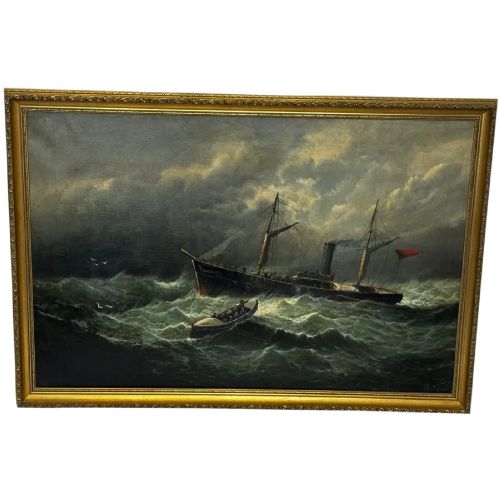
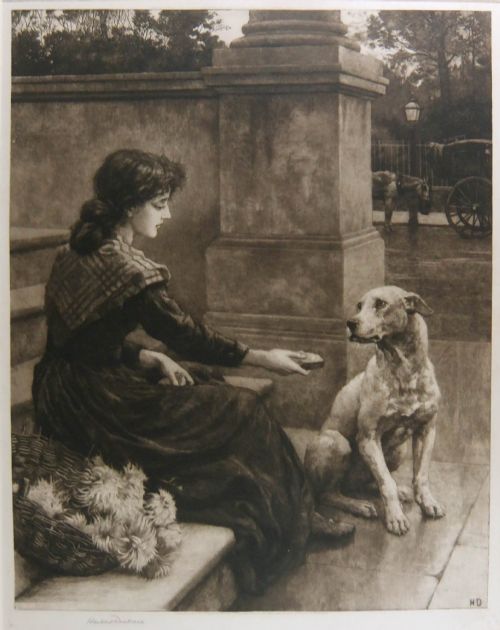
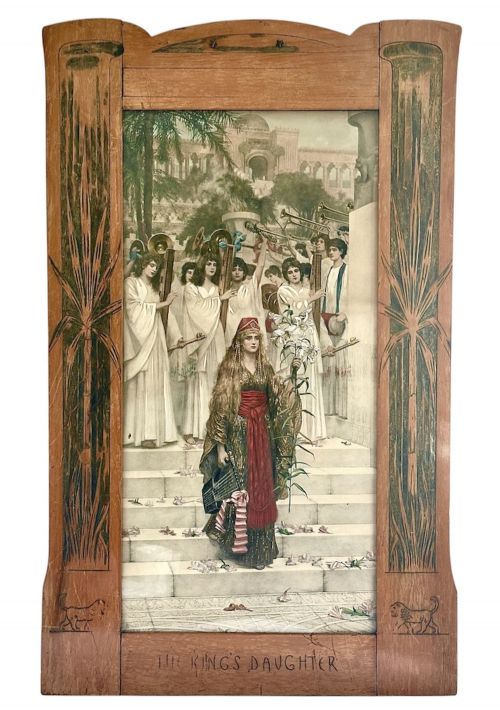
Works range from detailed maritime rescues in heavy seas to delicate pencil and watercolour portraits and advertising prints. These pieces reflect the varied aesthetic tastes of late nineteenth-century households, from fine art landscapes to popular domestic prints.
How they were made
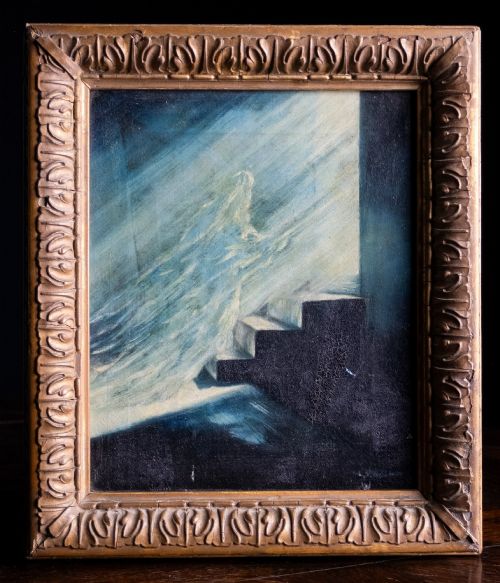
Painters of this era applied oil or watercolour to canvas, panel, board, or heavy paper, often housed within original giltwood frames. Artists utilised traditional pigments and varnishes, building compositions through layered washes or textured brushwork.
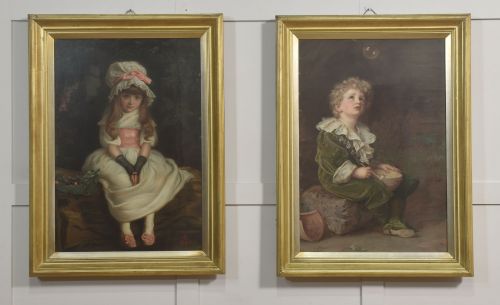
Print production involved techniques such as photogravure, etching, and colour lithography, notably seen in mass-market advertising and portrait reproductions. Framing often combined moulded wood with applied gesso and gilt finishes to display the artwork securely.
Late Victorian Wall Artwork Retail Price Guide 2026
Typical asking prices for late victorian wall artwork among the pieces listed under this phrase on Sellingantiques today, from the lower quarter to the upper quarter. They describe what is for sale here now, not the wider market.
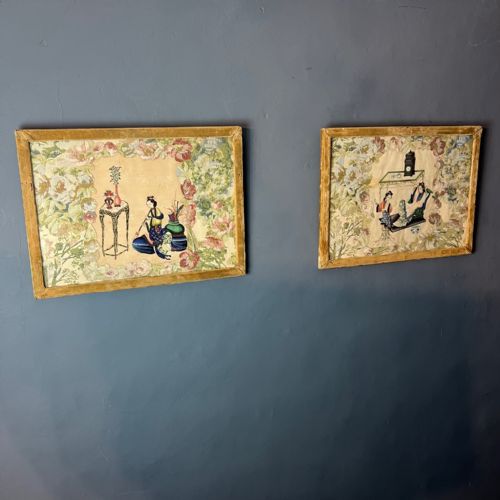
Listings combine original oil paintings, watercolours, gouache miniatures, and Victorian advertising prints from the nineteenth and twentieth centuries.
What varies in quality
Quality rests upon the artist's command of perspective, light, and anatomical accuracy within the medium. Finer examples display confident brushwork and subtle tonal shifts that convey atmosphere and movement convincingly.
Condition of the paper, canvas, and original frame influences the overall integrity of the piece. Works preserved with stable pigments and minimal surface craquelure command greater appreciation among collectors.
James Orrock·Alfred Young Nutt·William Banks Fortescue·John Rose Miles·Thomas W Lascelles·William Broome·Herbert Dicksee·Herbert Gustave Schmaltz·Emily Eyres·John Moxon·William George Tennick·Arthur Herbert Rigg·Thomas Bromley Blacklock·Robert John Hammond·Henry Bailey·Charles Burton Barber·William Manners·Clara Montalba·William Joseph Carroll·Thomas Pyne·John Syer Junior
The Late Victorian Wall Artwork Glossary
- Watercolour
- A painting method where fine pigment is suspended in a water-based solution and applied to paper. It allows for translucent washes and delicate tonal gradations.
- Giltwood
- Timber that has been coated with a thin layer of gold leaf or gilt paint. It is commonly found on traditional Victorian picture frames.
- Photogravure
- A printmaking technique that produces photographic images with continuous tones through an etched copper plate. This method was widely used for reproducing fine art in the late nineteenth century.
- Crystoleom
- A Victorian method of applying a colour print to convex glass, then painting the back to create a dimensional image. These pieces were sealed and framed for domestic display.
Late Victorian Wall Artwork: Frequently Asked Questions
How should I hang these framed pieces?
Ensure your wall hooks or fixings match the weight of the heavier giltwood frames typical of this period. Hang artwork at eye level away from direct sunlight to protect watercolours and paper from fading.
Maintain stable indoor humidity levels to preserve both the canvas or paper and the integrity of the original wooden frames.
Are these works original or prints?
The selection includes both unique hand-painted oils and watercolours alongside period prints and advertising plates. Individual titles specify whether a piece is an original painting, an etching, or a published print.
Examining the surface texture under magnification helps distinguish between hand-applied paint and mechanical printing dots.
How do I identify a late nineteenth century frame?
Period frames often feature moulded plaster or gesso over a wooden base, finished with gold leaf or metallic paint. They tend to show minor age-related wear, such as small cracks or chips in the gilt surface.
Many frames retain original backing boards and old paper labels from framers active during the Victorian era.