



Late Victorian Table Novelty
These late victorian table novelty pieces bring wit and function to the dining table or desk, combining practical utility with clever craftsmanship.
Late Victorian Table Novelty
A late victorian table novelty represents an imaginative form of functional tabletop decor, often taking the shape of animals, military items, or architectural objects. When exploring late victorian table novelty items, collectors encounter various domestic implements designed to amuse dinner guests and spark conversation.
The selections range from condiment holders and spoon warmers to toast racks and decorative boxes, spanning the decades from the eighteen eighties to the turn of the twentieth century. Many examples adopt familiar Victorian tropes, including equestrian themes, nautical motifs, and exotic animal representations.
Makers of the period applied clever engineering to everyday dining table accessories, turning mundane tasks like serving toast or warming spoons into theatrical gestures. These whimsical items bridge the gap between serious nineteenth century silver or brassware and playful ornament.
How they were made
Makers utilised sterling silver and silver plate alongside brass, carved hardwood, and painted wood to construct these imaginative table pieces. Techniques varied from intricate wirework stands to detailed metal casting, as seen in the gilded brass candlelamps modelled on cavalry swords.
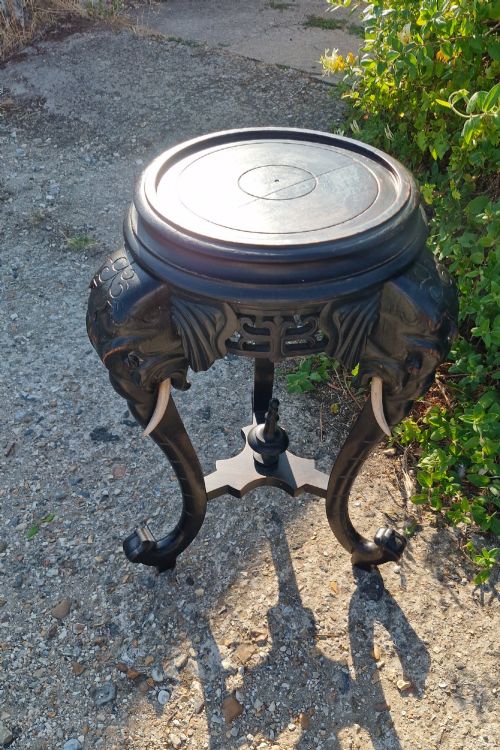
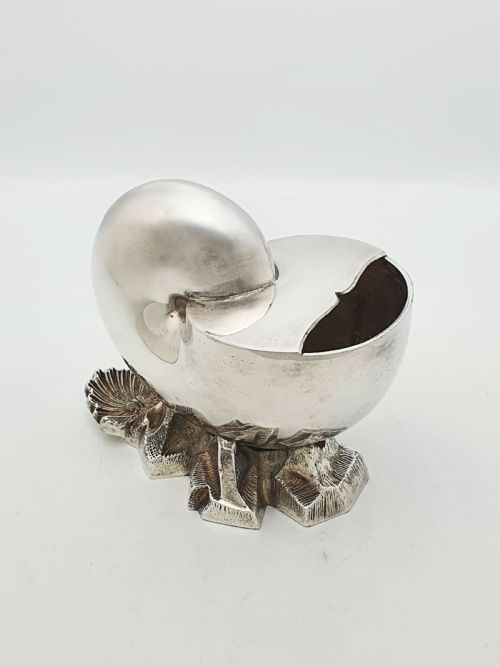
Artisans combined mixed media such as glass, paper, and oak to achieve realistic textures, evidenced by the painted wooden tusks on elephant forms and nautilus shell spoon warmers. Structural integrity was matched with decorative plating or polishing to create resilient domestic items.
Late Victorian Table Novelty Retail Price Guide 2026
Typical asking prices for late victorian table novelty among the pieces listed under this phrase on Sellingantiques today, from the lower quarter to the upper quarter. They describe what is for sale here now, not the wider market.
Elephants with painted wooden tusks stand ready to serve.
What varies in quality
The distinction between standard and superior pieces rests on the precision of the modelling and the complexity of the mechanism or form. Finer examples display meticulous attention to anatomical or structural detail, whether in the casting of an equestrian toast rack or the assembly of a desktop compendium.
The choice of materials also dictates the grade of the piece, with substantial sterling silver castings and heavy gauge brass outlasting simpler plated or wooden constructions. Preservation of original finishes, such as gilding or painted elements, marks the higher tier of surviving items.
The Late Victorian Table Novelty Glossary
- Spoon warmer
- A vessel designed to hold hot water and warm silver spoons before serving soup or sauces. They frequently took fantastical shapes like shells or animal figures.
- Toast rack
- A small metal frame with vertical dividers used to keep slices of toast upright and crisp at the breakfast table. Victorian iterations often incorporated animal or sporting motifs.
- Cruet set
- A matched group of bottles or containers for holding condiments such as oil, vinegar, salt, and pepper. Novelty versions often sat within miniature butler trays or frames.
- Desktop compendium
- A multi-functional desk accessory housing clocks, barometers, or writing implements in a single housing. Industrial series examples often mimicked machinery or scientific instruments.
Late Victorian Table Novelty: Frequently Asked Questions
What is a late victorian table novelty?
These items are functional dining and desk accessories shaped to resemble animals, weapons, or machinery.
They reflect the Victorian appetite for whimsical design combined with practical utility in the home.
How were table novelties used?
Hosts placed these clever objects on dining tables and sideboards to serve condiments, toast, or warm spoons.
They served as both conversation starters and working tools during formal nineteenth century meals.
What materials did makers utilise?
Craftsmen employed sterling silver, silver plate, brass, and glass alongside carved hardwood and painted wood.
Some pieces also incorporated wirework, paper, and oak to build complex miniature structures.
How do I date these pieces?
Dating relies on stylistic clues, hallmarks on silver components, and manufacturing techniques from the late nineteenth century.
Pieces often carry specific hallmarks or patent dates from the eighteen eighties and nineties.