




Late Victorian Stick Rack
A late victorian stick rack keeps a hallway ordered while showing the robust metal and timber craftsmanship of the period.
Late Victorian Stick Rack
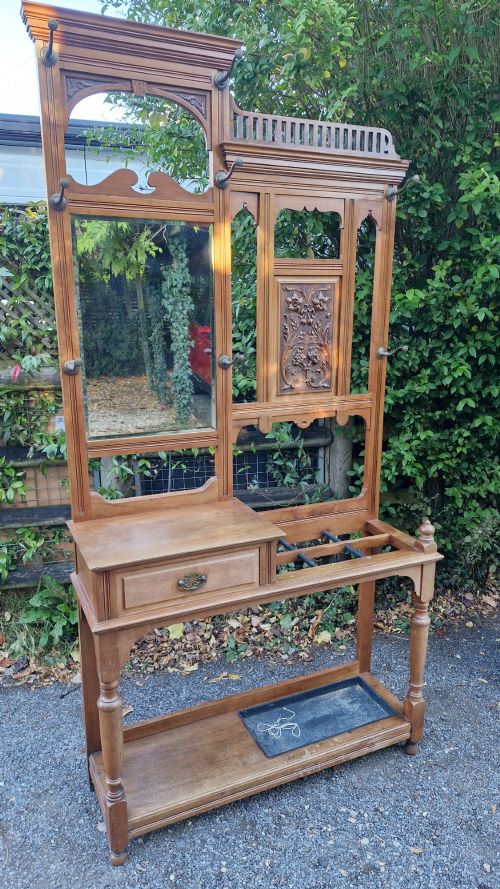
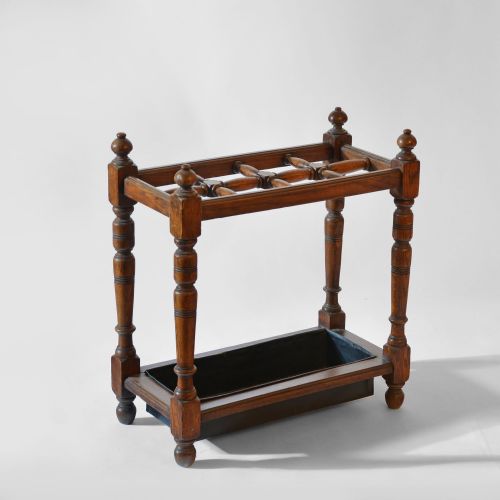
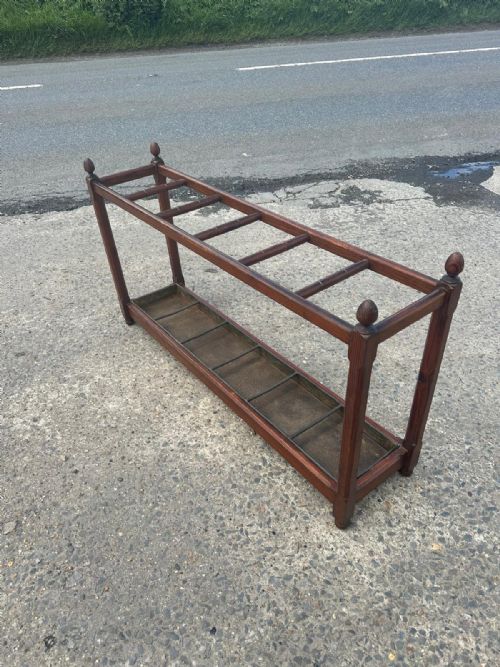
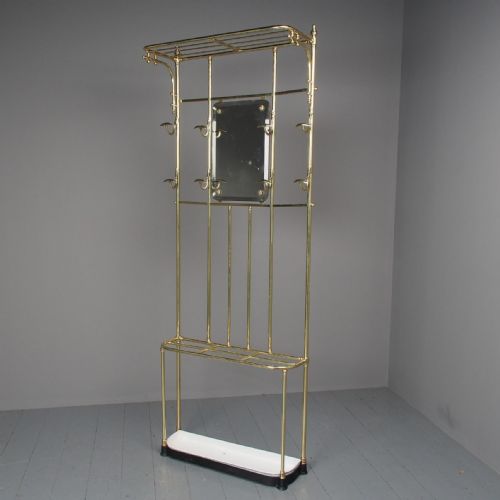
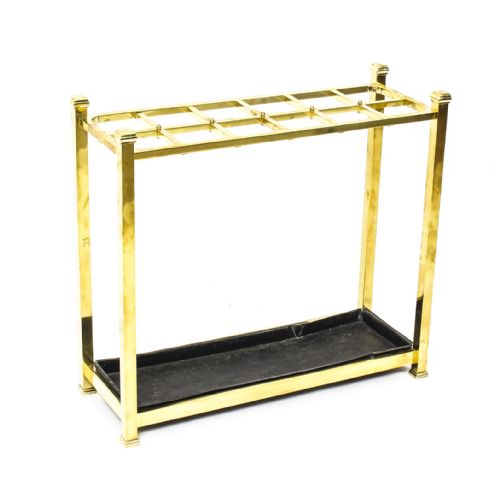
A late victorian stick rack is a functional hallway furnishing designed to hold walking sticks, umbrellas and sometimes hats or coats. These pieces appear in forms ranging from compact umbrella stands to larger multi-functional hall stands.
The materials span oak, mahogany, pitch pine, brass, cast iron and metal, reflecting both domestic country house needs and formal hall requirements. You are most likely to encounter timber stands alongside brass and cast iron versions on this page.
Origins include English and French workshops, with specific examples showing influences from the Aesthetic Movement, Gothic Revival and Victorian Country styles. They serve as practical entry furniture that doubles as a sculptural focal point in a corridor.
Materials and construction
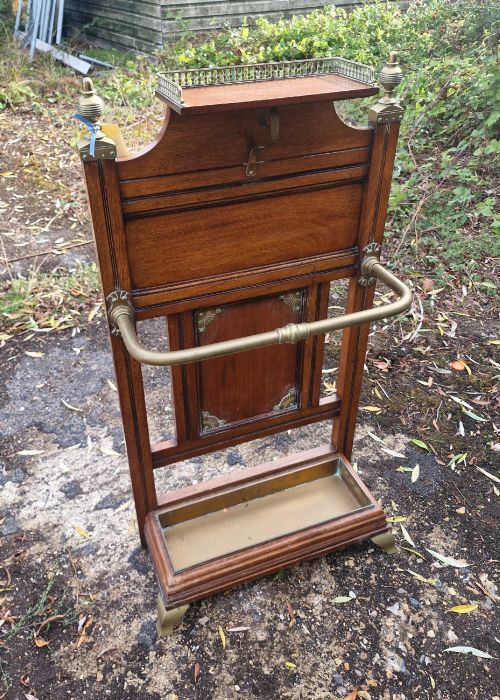
The construction relies heavily on solid hardwoods like mahogany and oak, often paired with structural metals. Cast iron and brass feature prominently in frameworks and drip trays, providing the necessary weight to support heavy walking poles and wet umbrellas.
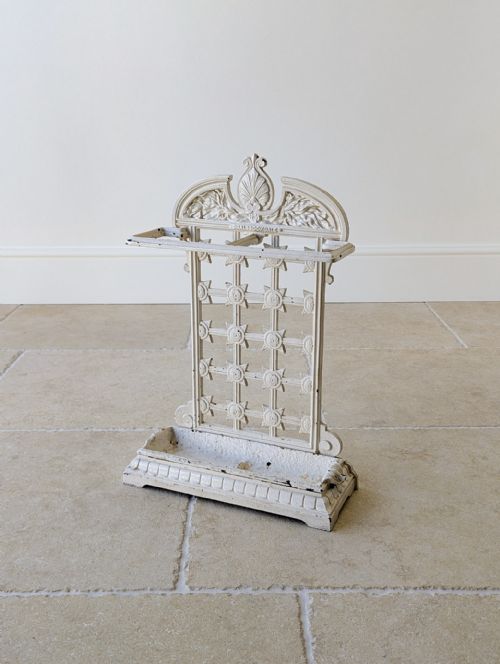
Techniques range from traditional timber joinery for hall stands to cast metal fabrication for faux bamboo or pierced lattice designs. Ebonised finishes and specialised turnings also appear across the surviving pieces.
Late Victorian Stick Rack Retail Price Guide 2026
Typical asking prices for late victorian stick rack among the pieces listed under this phrase on Sellingantiques today, from the lower quarter to the upper quarter. They describe what is for sale here now, not the wider market.
Design styles span Gothic Revival, Aesthetic Movement and French nineteenth-century influences.
Distinctions in quality
Quality shows in the substance of the materials and the complexity of the design, such as heavy cast brass components versus lighter pressed metal. The integration of original drip pans and structural integrity also separate standard utilitarian items from finer examples.
Maker attribution and decorative ambition, including French faux bamboo moulding or Gothic Revival detailing, elevate specific pieces above basic domestic utility.
Coalbrookdale·Shoolbred
The Late Victorian Stick Rack Glossary
- Drip tray
- A shallow metal or ceramic pan placed at the base of a stick rack to catch rainwater from umbrellas. It protects the surrounding wooden flooring from moisture damage.
- Hall stand
- A larger piece of hallway furniture combining a stick rack with a mirror, coat hooks and umbrella wells. It serves as a central greeting point in a period home.
- Ebonised
- Wood finished with a dark stain or pigment to imitate ebony. This technique was popular in nineteenth-century furniture for a dramatic, formal appearance.
- Faux bamboo
- Furniture carved or moulded to resemble natural bamboo stalks. It was a popular exotic motif during the late nineteenth century.
Late Victorian Stick Rack: Frequently Asked Questions
Where should a stick rack go?
A late victorian stick rack belongs in a hallway, porch or boot room where people enter the house. It stands against a wall near the front door for easy access to walking aids and umbrellas.
Placing it on hard flooring rather than carpet prevents trapped moisture from damaging textile underlays over time.
How do I care for timber stands?
Wooden frames require occasional cleaning with a dry or barely damp cloth to remove dust. Keeping them away from direct heat sources prevents the mahogany or oak from drying out.
Metal components like brass and cast iron benefit from gentle dusting without harsh chemical polishes that strip original patination.
What is the difference between an umbrella stand and a hall stand?
An umbrella stand focuses strictly on holding upright items like walking sticks and umbrellas in a compact footprint. It usually consists of a frame with divided sections and a base tray.
A hall stand is a taller, combined piece that adds hat hooks, clothes pegs and frequently a mirror to the stick rack design.
How can I tell the age of a rack?
Dating relies on material combinations, construction methods and stylistic cues associated with the late nineteenth century. Cast iron frameworks, aesthetic movement motifs and pitch pine point directly toward the Victorian and Edwardian transition eras.
Examining the fixings, timber shrinkage and wear patterns inside the umbrella wells also helps confirm the period of manufacture.