



Late Victorian Silver Holder
When you handle a late victorian silver holder, you touch the domestic rituals of the late nineteenth century through solid metal and plated wares.
Late Victorian Silver Holder
A late victorian silver holder encompasses a remarkably broad family of domestic objects designed to secure, organise, or display specific items around the nineteenth-century home. When you search this phrase, you encounter everything from desk accessories and pocket items to dining table apparatus.
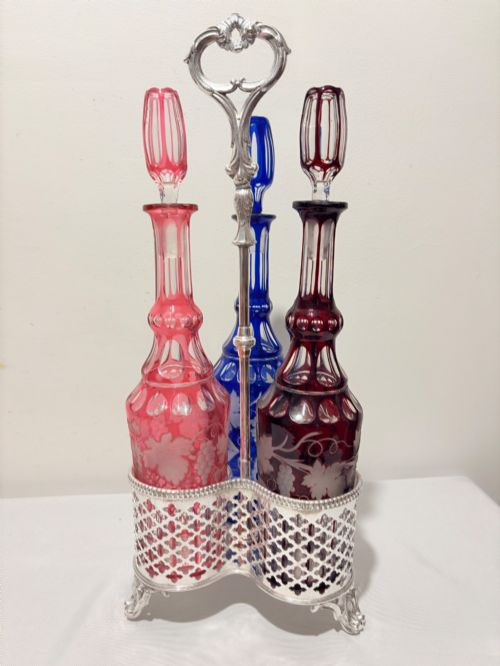
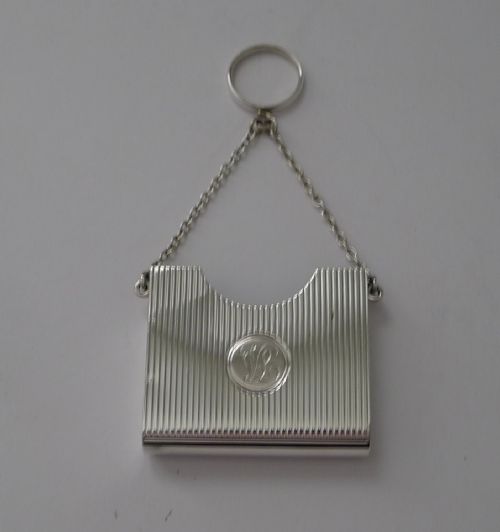
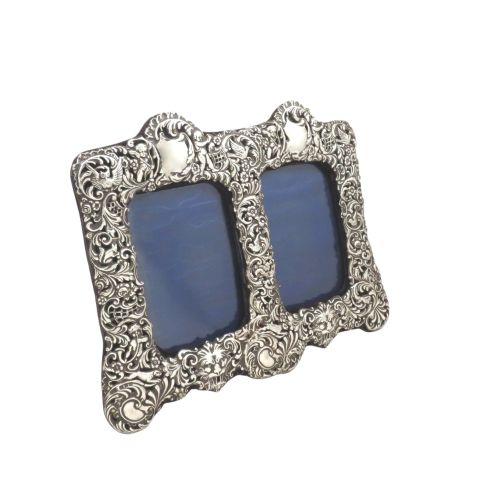
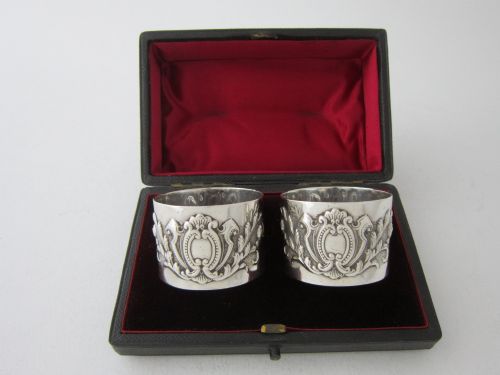
The objects span solid sterling silver and silver plate, taking forms such as prayer book covers, photo frames, vesta cases, match safes, and napkin rings. Candlesticks, chamber sticks, and candelabra appear alongside bottle stands, decanter cradles, and menu holders.
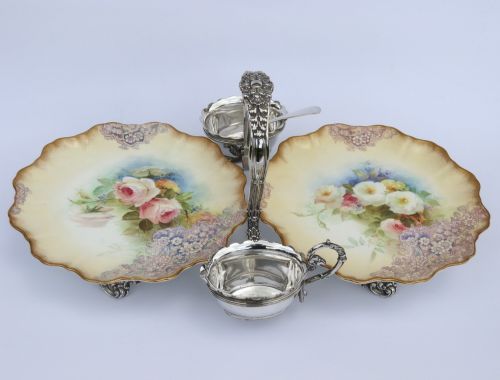
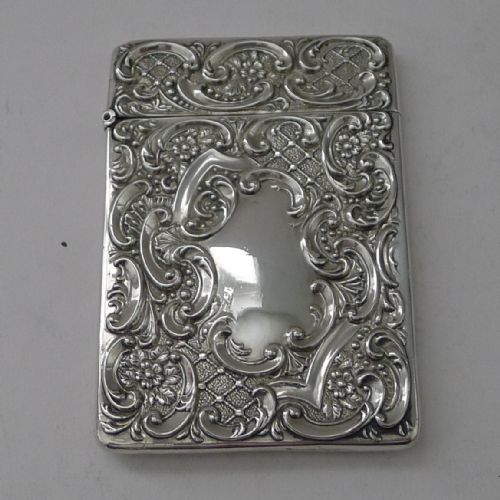
Dining table accessories form a substantial portion of the record, including toast racks that double as letter holders, fruit and dessert sets, and cruet frames. Desk and pocket wares are equally prominent, featuring sovereign cases, card cases, letter openers, and inkwells.
Dating primarily from the eighteen-eighties and eighteen-nineties into the turn of the century, these pieces reflect the Victorian and late Victorian taste for specialised domestic silver. Historicism and Art Nouveau styles surface among the standard Victorian output.
How they were made
Makers utilised sterling silver and silver plate over base metals, often combining metalwork with cut glass, ceramic inserts, leatherette, wood, velvet, silk, horn, and pewter. These mixed-media pieces required collaborative craftsmanship between silversmiths, glass cutters, and ceramic painters such as those at Doulton Burslem.
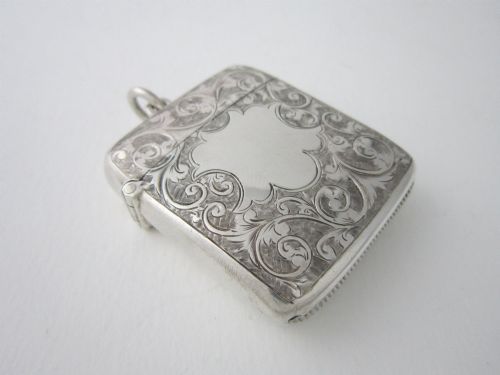
Techniques ranged from solid casting and hand-engraving to piercing, wirework construction, and electroplating. Engravers ornamented vestas and match safes with figural scenes like golfers, while silversmiths shaped frames and napkin rings with structural details like belts and repoussé borders.
Victorian diners kept ham bones steady at the table with dedicated silver plated holders shaped precisely for the task.
What varies in quality
Quality in these utilitarian objects rests upon the crispness of the initial cast or pressed form and the depth of the hand-engraving. Pieces featuring crisp pierced work, well-defined figural elements, and robust gauge silver distinguish themselves from lighter, mass-produced counterparts.
The integration of secondary materials dictates the standard of a piece. High-grade examples pair solid sterling silver or heavy silver plating with unblemished cut glass, hand-painted ceramic plaques, or intact silk linings, whereas lesser examples show compromises in the secondary materials.
Sampson Mordan·Walker and Hall·WMF·Syner & Beddoes·Martin Hall & Co·Lawrence Emanuel·James Dixon & Sons
The Late Victorian Silver Holder Glossary
- Vesta Case
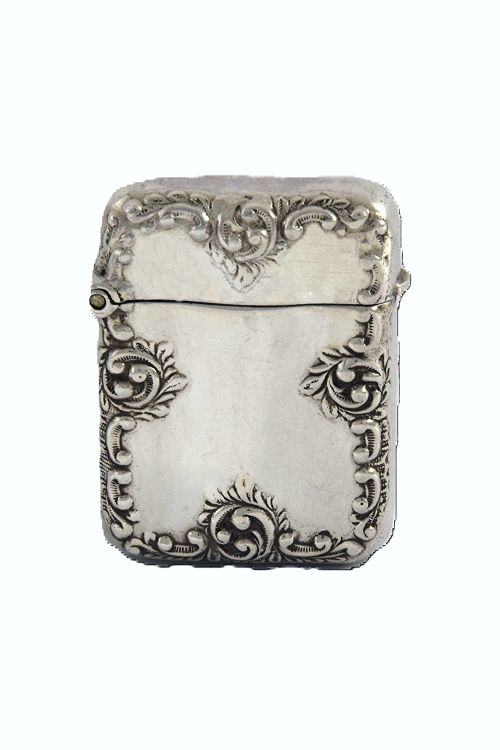
- A small pocket container designed to hold matches, typically fitted with a striking stripe on the base. These portable boxes often feature intricate hand-engraved decoration.
- Tantalus
- A locking beverage container holding decanters visible behind a barred wooden frame. This domestic security device prevented servants from sampling the contents.
- Toast Rack
- A framed table accessory featuring vertical metal dividers to hold slices of toast upright. Many Victorian examples double as letter or note holders.
- Chamber Stick
- A low portable candlestick fitted with a handle and a drip pan for carrying through a house at night. They frequently include a matching conical snuffer.
- Cruet Set
- A matched collection of glass bottles for condiments and sauces fitted within a metal frame. These frames usually include a central carrying handle.
Late Victorian Silver Holder: Frequently Asked Questions
What is a vesta case?
A vesta case is a small pocket box designed to hold safety matches securely while keeping them dry. They were essential daily accessories for Victorians before the widespread availability of box matches.
Most examples feature a hinged lid and a striated panel on the bottom for striking the match. Silversmiths frequently engraved them with initials, monograms, or pictorial scenes.
How do I date a Victorian silver piece?
Dating British silver relies on the set of hallmarks stamped into the metal by official assay offices. These marks typically include a maker's mark, a standard mark indicating silver purity, a town mark, and a date letter.
By cross-referencing the specific shape of the date letter and the town mark against assay office records, you can determine the exact year the piece was tested and hallmarked.
What was a tantalus used for?
A tantalus held decanters of spirits securely on a sideboard or in a smoking room. The locking mechanism prevented unauthorized access to the liquor.
The device earned its name from the mythological figure Tantalus, because guests could see the drinks locked inside the frame but could not reach them without the key.
How do I clean antique silver?
Cleaning antique silver requires gentle handling to preserve the patina accumulated over decades of existence. Use a non-abrasive silver cloth or a mild, specialised silver cream rather than harsh chemical dips.
Avoid scrubbing engraved lines too vigorously, and wash away any residue with warm water before drying the piece thoroughly with a soft cloth.