


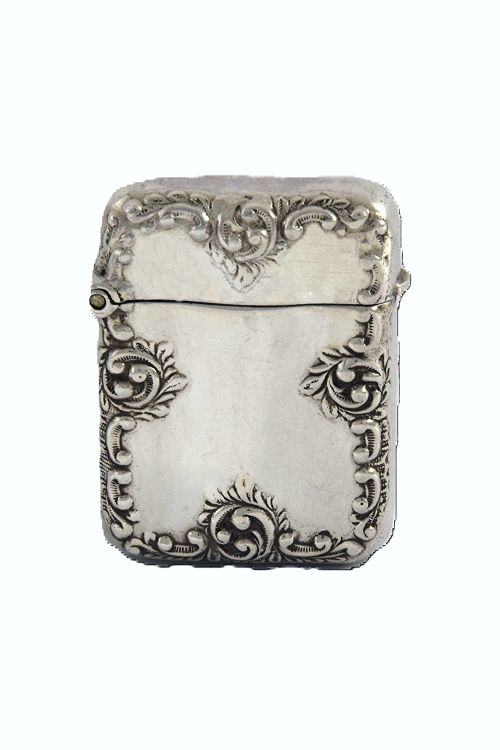


Late Victorian Silver Accessory
These late victorian silver accessory pieces bring practical elegance to desks and dining tables through solid sterling and plated forms dating from the final decades of the nineteenth century.
Late Victorian Silver Accessory
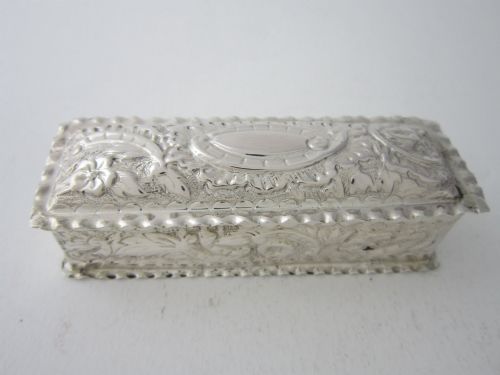
A late victorian silver accessory encompasses a diverse range of domestic and personal items created during the closing decades of the nineteenth century. These selections include desk appointments such as inkstands and bookmarks alongside dining implements like napkin rings and butter dishes.
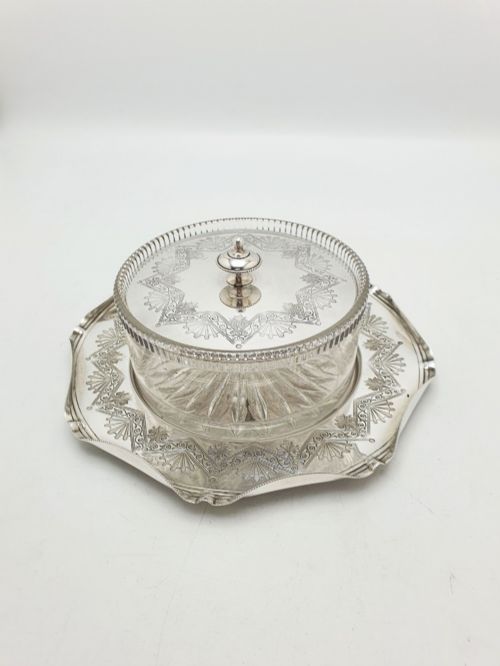
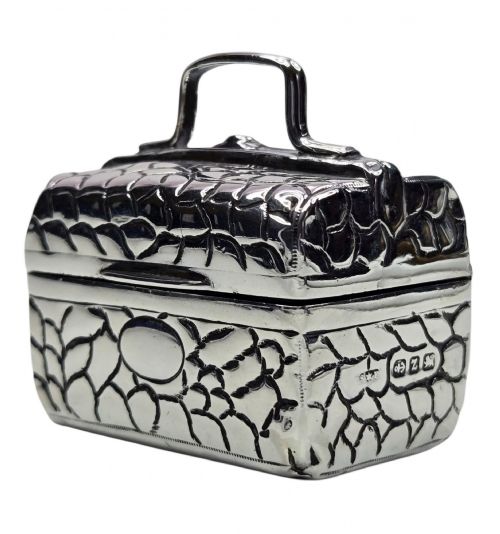
Buyers encounter both solid sterling silver and silver plated versions spanning the eighteen-eighties and eighteen-nineties. Desk pieces range from double inkstands with chambersticks to novelties shaped like owls with glass eyes and crocodile skin trunks.
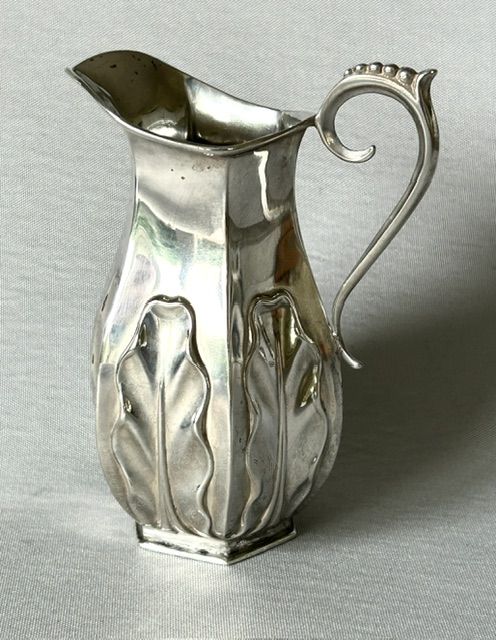
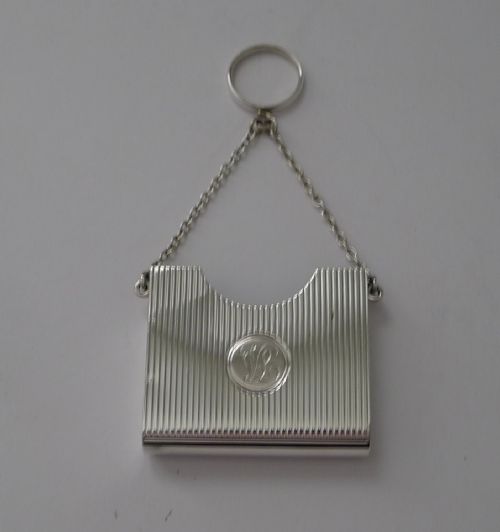
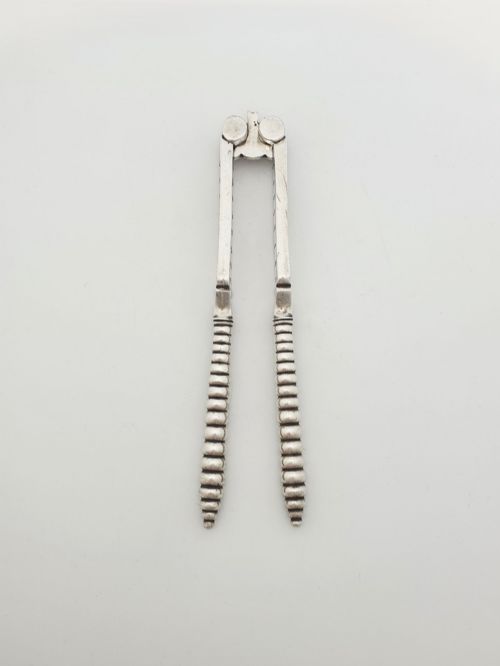
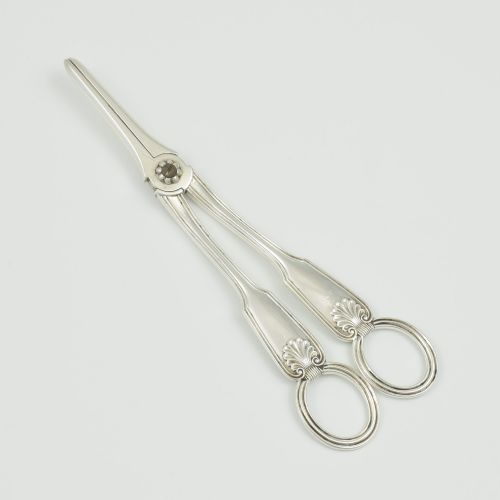
Tableware forms feature grape scissors, lobster crackers, and cream jugs often accompanied by glass liners or mother of pearl handles. Personal items such as sovereign cases and prayer book holders complete the assortment found in this period.
How they were made
Silversmiths utilised sterling silver and silver plate combined with traditional media like cut glass, velvet, leatherette, and silk. Horn, ebonised wood, and mother of pearl frequently appeared in handles, bases, and decorative inlays.
Manufacturing techniques involved casting, piercing, and engraving to achieve intricate patterns on napkin rings, trowel bookmarks, and inkwells. Fitted cases lined with silk or velvet housed delicate matched sets including pepper pots and salt cellars.
The listings combine sterling silver and silver plate with organic materials including horn, mother of pearl, velvet, and glass.
What varies in quality
The degree of ornamentation and the complexity of the silversmithing define the distinction between standard and exceptional pieces. Elaborate novelty forms like bird inkwells or crocodile skin trunks require advanced craftsmanship compared to plain functional napkin rings.
The integrity of secondary materials such as intact glass liners, unblemished mother of pearl, and well-preserved fitted presentation boxes elevates the standing of an item. Solid sterling construction generally commands greater distinction than silver plate equivalents.
Sampson Mordan·Goldsmiths & Silversmiths Co·Gibson & Langman
The Late Victorian Silver Accessory Glossary
- Sterling silver
- An alloy consisting of 92.5 percent silver by mass, widely utilised for durable tableware and desk items during the period.
- Silver plate
- A base metal foundation coated with a thin layer of silver, common in larger serving pieces and dining accessories.
- Vesta case
- A small pocket box designed to hold matches, frequently decorated with engraved patterns or textured finishes.
- Sovereign case
- A small round container engineered to store British gold sovereign coins safely.
Late Victorian Silver Accessory: Frequently Asked Questions
How do I clean tarnished sterling silver?
Apply a specialised silver polish with a soft cloth using gentle circular motions, taking care around engraved details. Rinse with lukewarm water and dry thoroughly to restore the original shine.
Avoid abrasive brushes or harsh chemical dips that strip away the fine patination accumulated over more than a century of existence.
How are nineteenth century date letters read?
Assay office marks in cities such as Birmingham, London, and Sheffield include specific alphabetical letters that correspond to exact years of testing. Reference charts for each office match the lowercase or uppercase letter font style to the manufacturing date.
These tiny stamped symbols provide the most reliable method for dating desk accessories and tableware accurately.
Were these items used daily?
Many desk pieces and dining accessories served practical daily functions in Victorian households, from holding ink to securing napkins at dinner. Wealthy families utilised specialised tools like grape scissors and lobster crackers exclusively during formal meals.
Over time, changing domestic habits transformed these functional implements into collectible display items.