



Late Victorian Hall Tree
A late victorian hall tree is a hardworking entryway fixture that organises coats, hats and umbrellas whilst anchoring a period interior.
Late Victorian Hall Tree
A late victorian hall tree is a substantial piece of entrance furniture designed to receive outerwear, hats and umbrellas as visitors step inside a home. These utilitarian items combine coat hooks, umbrella wells and frequently a central mirror into a single architectural unit.
The versions most commonly met on this page belong to the Victorian period and the late nineteenth century, appearing as both freestanding hall stands and wall-hanging racks. Oak is the primary timber encountered alongside mahogany, whilst cast iron and brass serve for metal variants.
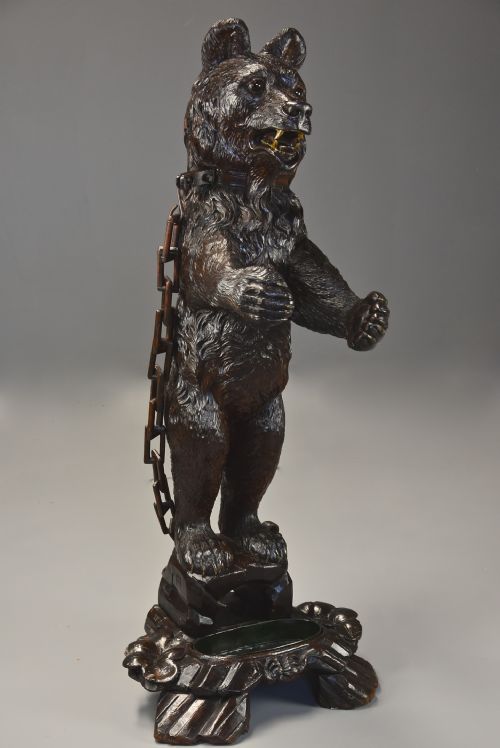
Makers of the era drew on diverse aesthetic influences, producing standard timber furniture alongside more theatrical pieces in the Black Forest style and French nineteenth-century taste. Forms range from narrow hall stands suited to compact corridors to expansive carved oak examples bearing figurative motifs.
How they were made
Carved wood provides the structural core for most examples, utilising solid oak, mahogany and linden wood shaped by hand with deep relief carving. Artisans fashioned elaborate ornamentation such as Greenman faces, animal figures and deer antlers directly into the timber.
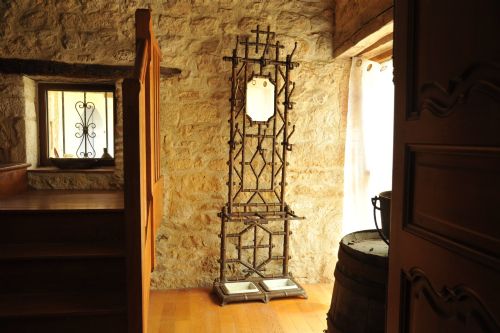
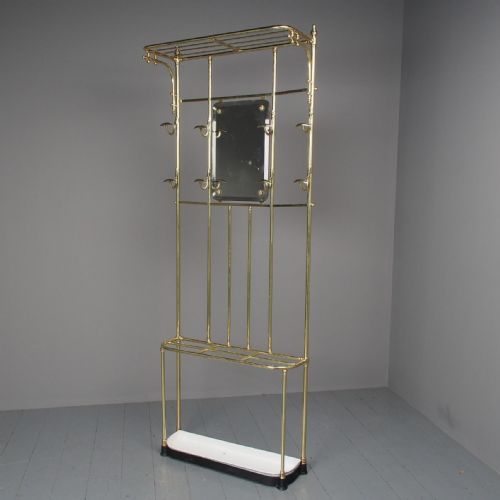
Metal components involved cast iron and brass, utilised for structural frames, faux bamboo elements, and robust coat hooks designed to bear heavy winter garments. Certain pieces incorporate specialised manufacturing techniques like silver plating or ebonising to alter the appearance of the base material.
Glass is integrated reliably into the design through bevelled mirrors set into the backboards of larger hall stands, while metal drip pans catch moisture from umbrellas stored below.
Listings feature items from the Victorian and Edwardian periods, constructed in oak, mahogany, cast iron, and brass.
What varies in quality
The distinction between ordinary and exceptional pieces rests upon the ambition of the carving and the integrity of the materials. Deeply rendered figural work, such as naturalistic bears or detailed Greenman masks, demonstrates a higher degree of sculptural competence than standard turned spindles.
Material selection dictates the character of the object, moving from straightforward utility timbers to specialist mediums like natural deer antler and horn. The inclusion of integrated metalwork, such as robust cast brass hooks or intricate cast iron faux bamboo frames, elevates the execution.
Proportion and decorative coherence also separate the range, as successful designs balance the mirror, coat hooks and stick stands into a unified composition rather than a random assembly of parts.
The Late Victorian Hall Tree Glossary
- Hall stand
- A piece of furniture combining coat hooks, a mirror, and umbrella holders designed for an entrance hallway. These pieces coordinate the storage of outdoor wear in domestic spaces.
- Greenman
- A sculptural motif depicting a human face emerging from or entwined with foliage and vines. This decorative carving appears frequently on nineteenth-century oak furniture.
- Faux bamboo
- Metal or timber shaped and painted to imitate the segmented stalks of natural bamboo. This decorative treatment gained popularity during the nineteenth century.
- Black Forest
- A style of wood carving originating from the wooded mountain region of Central Europe, characterised by realistic depictions of animals and natural forms. Bears and deer antlers are typical motifs within this tradition.
- Halberd
- A two-handed pole weapon combining a spear tip and a axe blade, sometimes replicated in decorative metalwork for hallway stands. These arms-inspired designs reflect nineteenth-century historicism.
Late Victorian Hall Tree: Frequently Asked Questions
What is a hall tree?
A hall tree is a piece of furniture made for the entrance hall to hold coats, hats, and umbrellas.
Most examples include hooks, a mirror, and a base with trays to catch rainwater from sticks and umbrellas.
How were they used?
These fixtures served as the primary drop-off point for outerwear when family members or guests entered the house.
Visitors could check their appearance in the mirror and deposit wet umbrellas into the built-in stands before moving further into the home.
How do I date a hall stand?
Dating relies on observing the timber, hardware, and decorative style relative to recorded periods like the late nineteenth century.
Details such as cast iron construction, oak carving techniques, and specific motifs like the Greenman point directly to Victorian manufacturing eras.
Are these pieces freestanding?
Many examples are freestanding structures designed to stand steadily against a hallway wall under their own weight.
Others are wall-hanging racks meant to be securely mounted directly to the wall surface above floor-standing umbrella holders.