


Late Victorian Gold Band
A late victorian gold band brings tangible history to the hand, combining precious metal with enduring gemstones from the late nineteenth century.
Late Victorian Gold Band
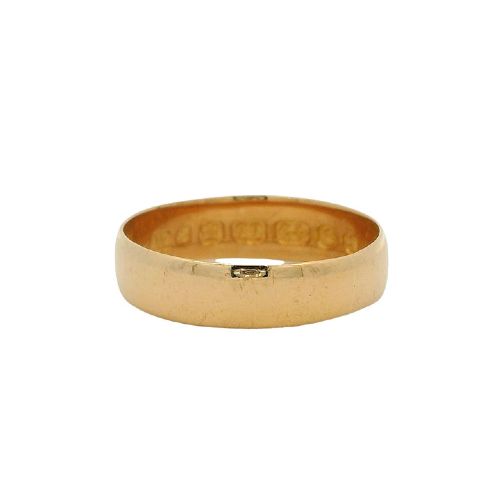
When you search for a late victorian gold band, you are looking at rings and brooches originating predominantly from the Victorian era around 1890 to 1900. These pieces frequently manifest as patterned bands, wedding bands, or gem-set rings utilising precious stones.
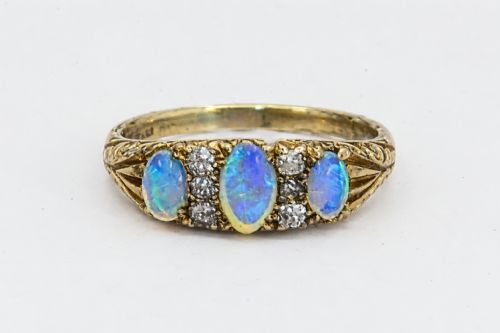
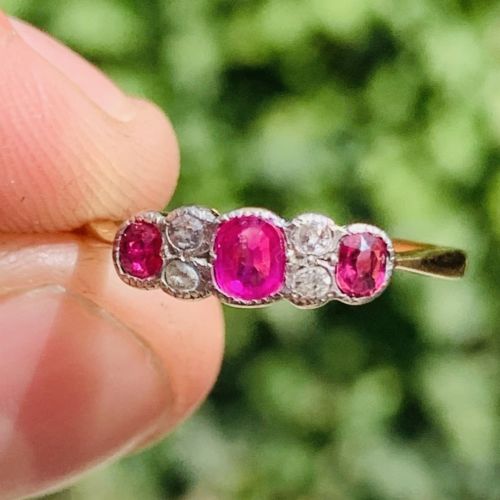
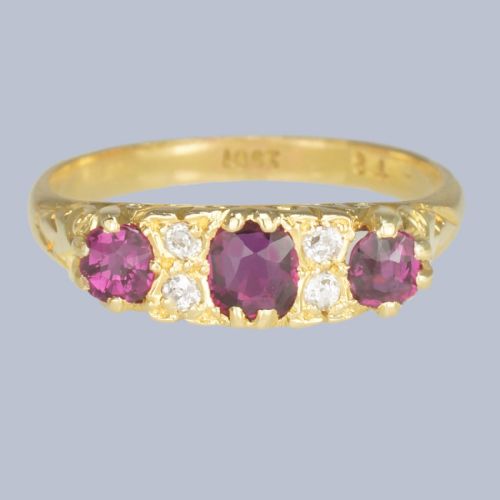
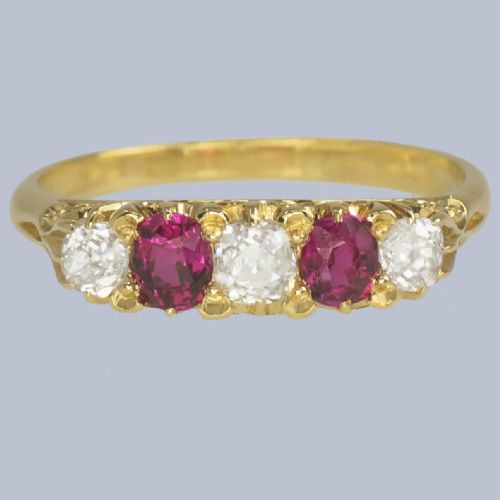
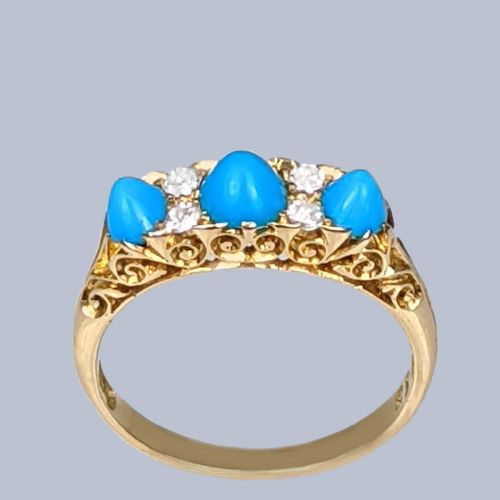
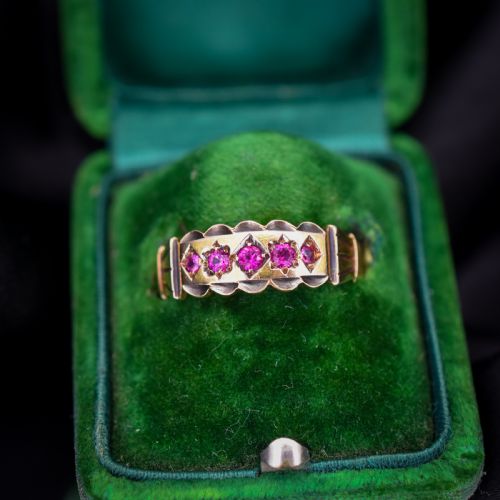
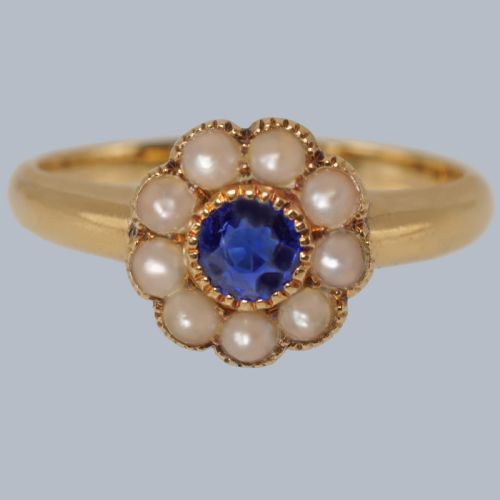
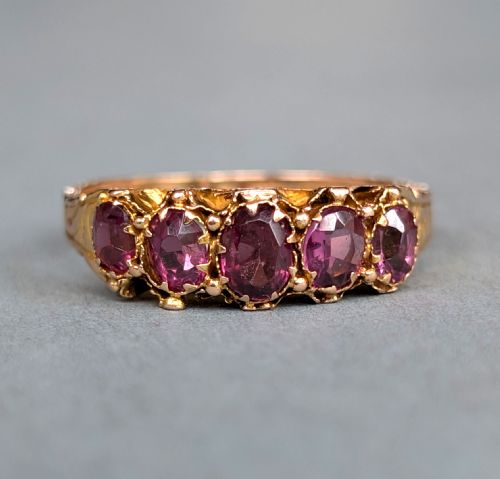
The versions you are most likely to meet on this page are 18ct gold and 15ct gold rings incorporating diamonds, rubies, sapphires, and turquoise. Examples range from simple wedding bands to multi-stone cluster and boat ring formations.
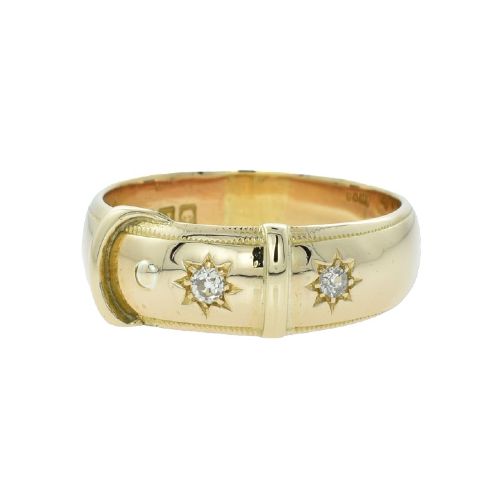
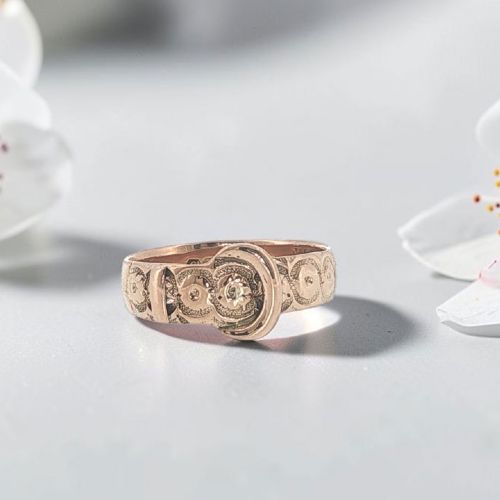
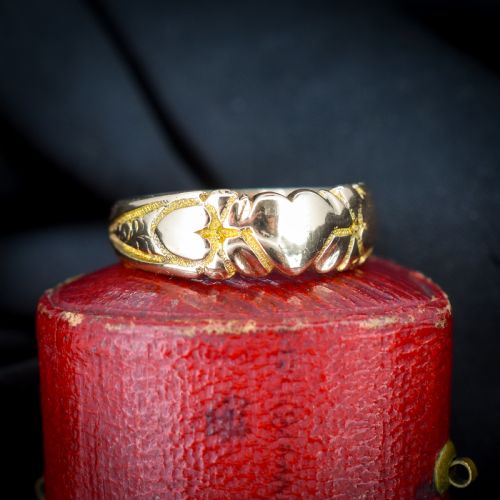
Makers of this period utilised yellow gold, rose gold, and occasionally platinum settings to showcase old cut diamonds and coloured gemstones. The designs often reflect late nineteenth-century sentiments through buckle motifs, love hearts, and multi-stone arrangements.
Materials and Techniques
Goldsmiths of the period constructed these bands primarily in 18ct yellow gold, 15ct gold, and 9ct rose gold, often pairing the metal with platinum for secure stone settings. Gemstones such as old mine cut diamonds, Burmese rubies, sapphires, and turquoise were hand-set into the metal mounts.
Craftsmen applied engraved patterns and full hallmarks from assay offices including Chester and Birmingham to certify the metal purity and date of manufacture. Structural forms such as boat rings and buckle rings required precise shaping of the gold to secure the stones and decorative elements.
Distinctions in Quality
The quality of a late victorian gold band is determined by the selection of materials, such as the clarity of old cut diamonds and the saturation of Burmese rubies or sapphires. Higher quality examples maintain crispness in engraved patterns and secure, well-balanced stone settings.
The presence of clear full hallmarks from regional assay offices adds historical integrity to the piece. Substantial gold weight and refined proportions separate exceptional rings from simpler commercial output of the period.
The Late Victorian Gold Band Glossary
- Old Cut Diamond
- A diamond cut in the late nineteenth or early twentieth century featuring a smaller table, higher crown, and deep pavilion. These stones exhibit distinctive light return under candlelight.
- Boat Ring
- A ring style featuring a curved, boat-shaped setting that tapers toward the shoulders. This design accommodates multiple stones in a graceful horizontal arrangement.
- Buckle Ring
- A ring fashioned in the shape of a belt and buckle, symbolising loyalty and fidelity in nineteenth-century jewellery. These bands wrap around the finger with realistic metal folds.
- Full Hallmarks
- A complete set of official stamps marked inside the band indicating the maker, metal purity, assay office, and year of testing. They provide definitive documentary evidence of origin.
- Trilogy Ring
- A ring set with three gemstones, often signifying the past, present, and future. Common combinations include diamonds paired with rubies or sapphires.
Late Victorian Gold Band: Frequently Asked Questions
How do I identify a late Victorian ring?
Look for specific hallmarks, regional assay office marks, and characteristic design motifs such as boat settings or buckle shapes. These elements point directly to the manufacturing period around the end of the nineteenth century.
Examination of the gemstone cuts, particularly old mine cuts and old European cuts, also helps confirm the era of production alongside the characteristic gold purities of 15ct and 18ct used at the time.
What gold purities were common?
Jewellery from this era frequently utilises 18ct yellow gold and 15ct gold, alongside 9ct rose gold for specific regional pieces. These higher gold standards reflect the metallurgical practices of the nineteenth century before later standardisation.
Assay offices in cities like Chester and Birmingham stamped these specific purities alongside date letters, allowing modern buyers to trace the exact year the metal was tested and approved.
Can I wear these rings daily?
Many people wear these historic bands daily, provided the setting and metal weight are robust enough to withstand regular contact. Consideration must be given to softer stones like turquoise or pearls, which require greater care than diamonds.
Regular inspection by a jeweller ensures that the claws holding old cut diamonds and rubies remain secure and that the gold band maintains its structural integrity over time.
What is an old cut diamond?
An old cut diamond is a hand-faceted stone shaped before modern automated cutting techniques were developed in the twentieth century. These diamonds feature smaller tables and larger culets, giving them a unique charm under ambient lighting.
They are characteristic of nineteenth-century rings and brooches, where each stone was individually shaped to fit its specific gold mount by hand.