

Late Victorian Dresser
A late victorian dresser brings robust utility and honest joinery into a modern interior.
Late Victorian Dresser
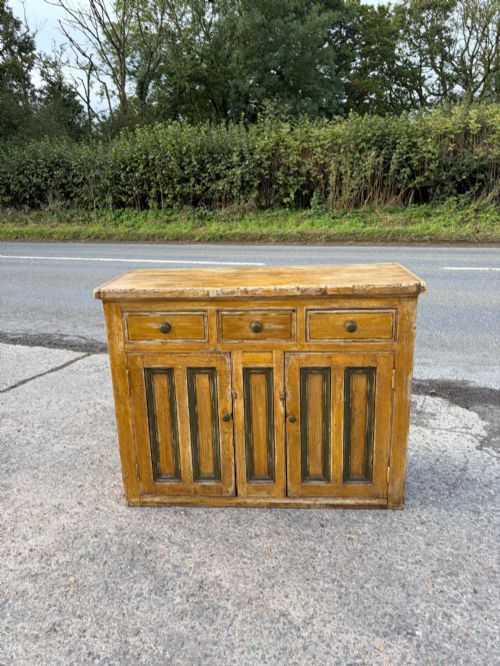
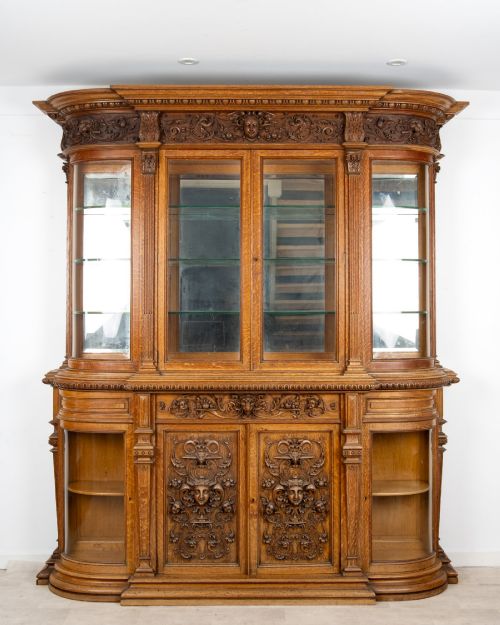
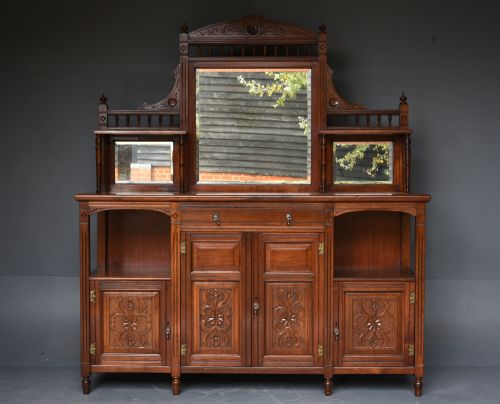
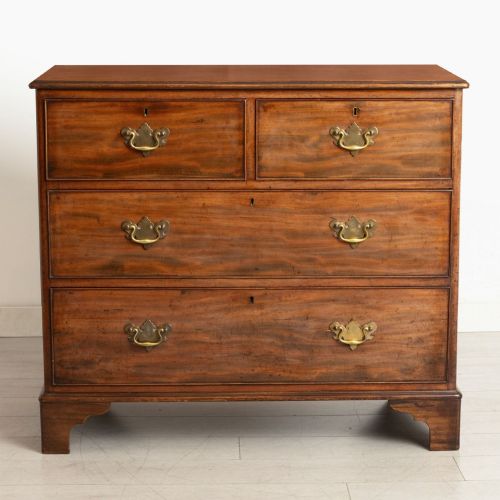
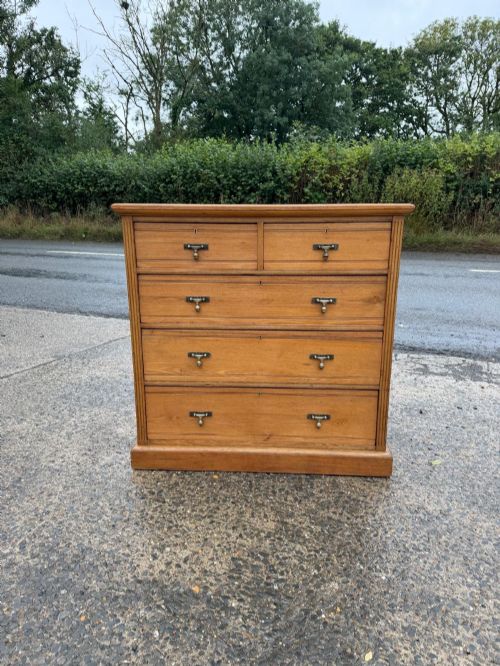
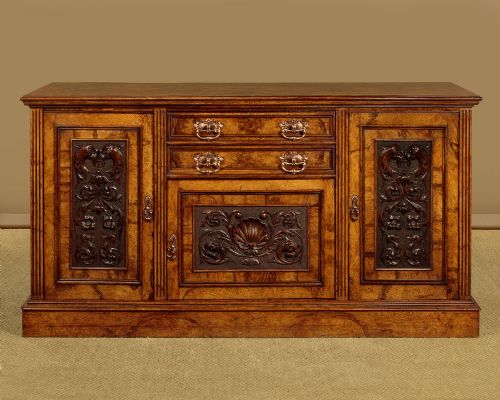
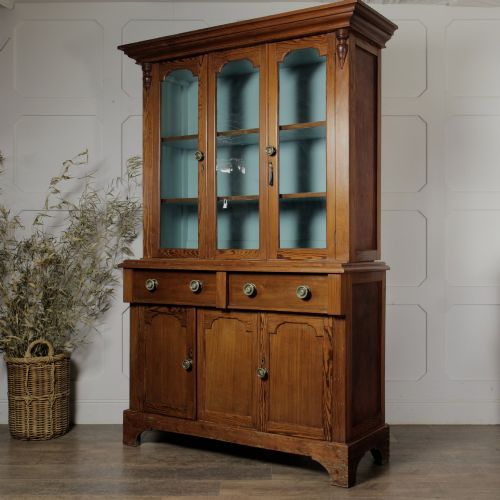
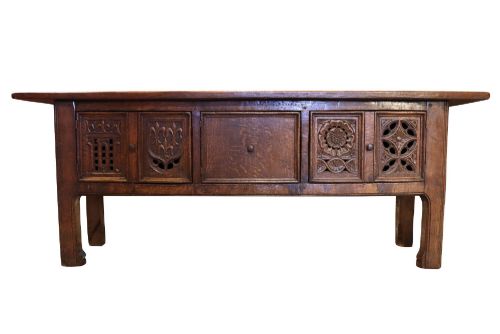
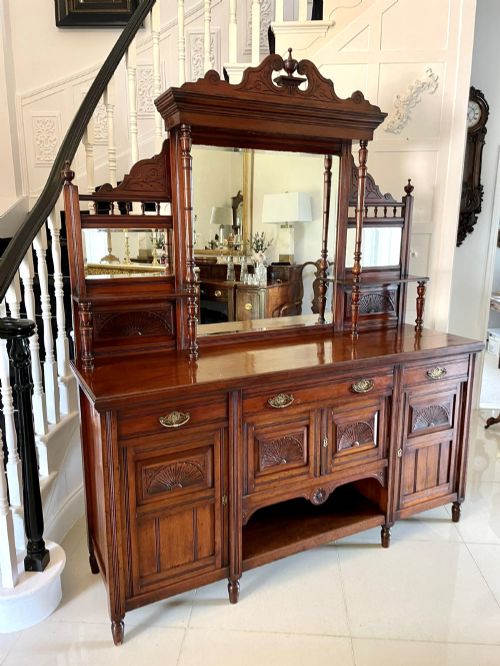
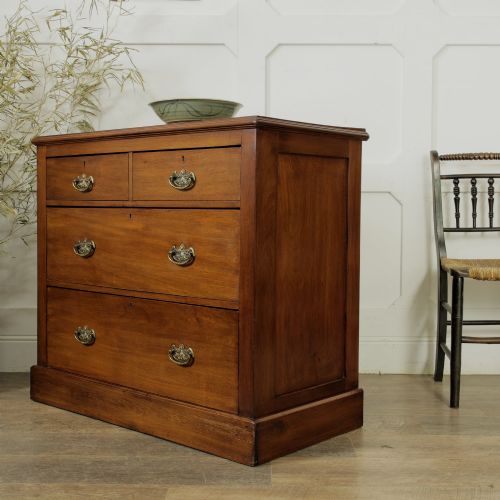
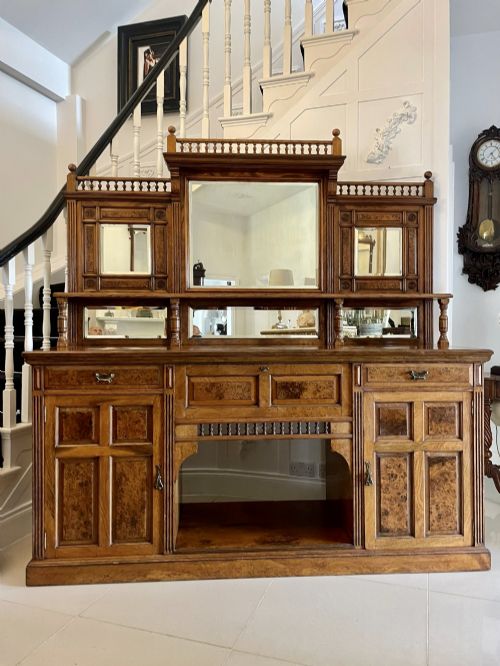
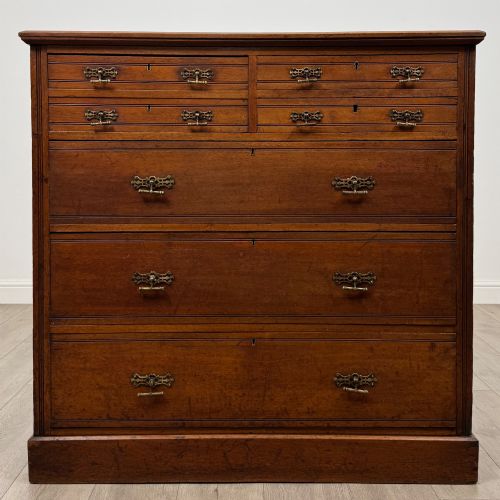
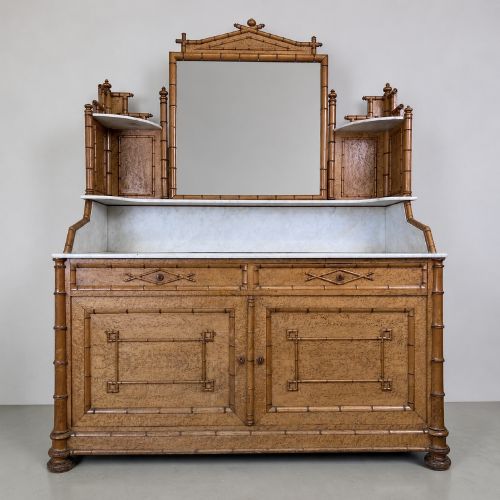
When you search for a late victorian dresser, you encounter heavy timber furniture designed for domestic storage and display, spanning kitchen dressers with plate racks and polished mirror-back sideboards. The pieces meeting this description emerge predominantly from the late nineteenth century, reflecting regional vernacular styles across English, Scottish, and Welsh workshops.
Kitchen examples often present stripped or painted pine with open plate shelves, whilst formal parlour iterations utilise figured walnut, pollard oak, or mahogany with carved details. Buyers most frequently meet large farmhouse pine dressers alongside compact oak dresser bases fitted with pot shelves or cupboards.
The aesthetic vocabulary bridges traditional domestic practicality with the artistic reforms of the period, incorporating Arts and Crafts simplicity and Gothic Revival motifs. These items served dining rooms and pantries alike, functioning as both work surfaces and display furniture for domestic ceramics.
Materials and Construction
Cabinet makers relied heavily on domestic and imported hardwoods and softwoods, selecting oak, walnut, and mahogany for formal reception rooms, and pitch pine or yellow pine for utilitarian kitchen storage. Surfaces often show hand-planed finishes, dovetail joints connecting drawer boxes, and applied mouldings or hand-carved panels including green man motifs.
Glazed display sections utilise leaded or plain glass held in timber framing, sometimes accompanied by sliding doors or brass hardware. Pine carcasses frequently receive layers of traditional paint or stripped finishes that expose the natural grain of the wood.
Late Victorian Dresser Retail Price Guide 2026
Typical asking prices for late victorian dresser among the pieces listed under this phrase on Sellingantiques today, from the lower quarter to the upper quarter. They describe what is for sale here now, not the wider market.
Listings feature walnut, oak, mahogany, and pine across Victorian and Edwardian domestic contexts.
Quality Distinctions
The grade of a piece rests upon the selection of timber veneers, the precision of structural joinery such as hand-cut dovetails, and the integrity of the original hardware and glass panels. Master workshops employed finely figured pollard oak and dense burr walnut, whereas utilitarian country pieces utilised simpler construction methods suited to heavy daily domestic work.
Proportion and decorative restraint set finer examples apart, distinguishing workshop-attributed furniture from standard commercial output. Original surfaces, untouched patination, and intact plate racks significantly elevate the standing of surviving storage furniture.
Harris Lebus·Druce and Co
The Late Victorian Dresser Glossary
- Dresser base
- A low sideboard or cupboard unit comprising drawers and lower doors, lacking the upper plate rack superstructure.
- Plate rack
- An open wooden shelving attachment fixed to the top of a kitchen dresser, featuring vertical grooves to display ceramic plates safely.
- Pot shelf
- An open lower tier fitted between the legs of a dresser base, traditionally used for storing heavy pots and culinary utensils.
- Dog kennel
- A central open recess situated between lower cupboards in a multi-part sideboard or dresser configuration.
- Biedermeier
- A Central European style emphasising utilitarian comfort and clean lines, influencing domestic furniture design of the nineteenth century.
Late Victorian Dresser: Frequently Asked Questions
How do I care for a pine kitchen dresser?
Maintain timber surfaces by applying natural beeswax sparingly to nourish the wood and protect against dry indoor environments.
Avoid placing wooden furniture near direct heat sources or in areas subject to rapid humidity fluctuations to prevent splitting.
Where were these dressers originally used?
Kitchen dressers stood in domestic pantries and farmhouses to hold earthenware, kitchenalia, and daily provisions.
Sideboard dressers occupied dining rooms and parlours, serving as display areas for silverware and serving platters during meals.
How do I distinguish oak from ash?
Oak displays prominent medullary rays creating distinct silver fleck patterns across quarter-sawn surfaces, alongside a coarser open grain.
Ash presents a paler, more uniform straw-coloured tone with a pronounced ring-porous structure and contrasting darker grain lines.
Are plate racks always removable?
Many large kitchen examples utilise a two-part construction where the upper plate rack rests securely upon the lower base cabinet without permanent fixings.
Other configurations integrate the superstructure directly into the structural backboards, making separation impractical.