




Late Victorian Display Stand
A late victorian display stand brings architectural presence and surface interest to a room, offering elevated tiers or glazed enclosures designed to showcase decorative objects.
Late Victorian Display Stand
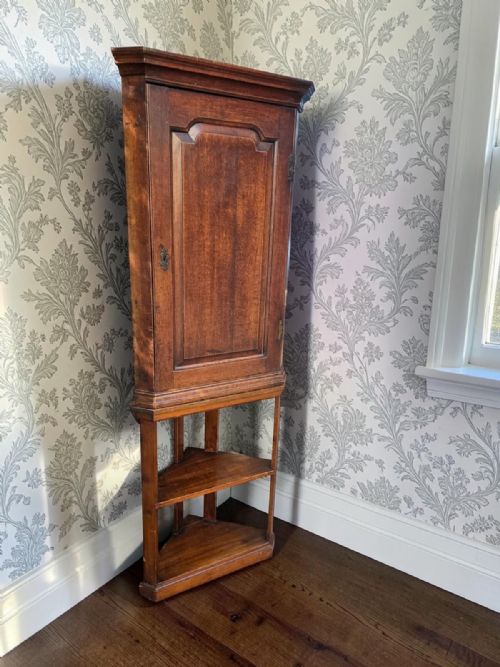
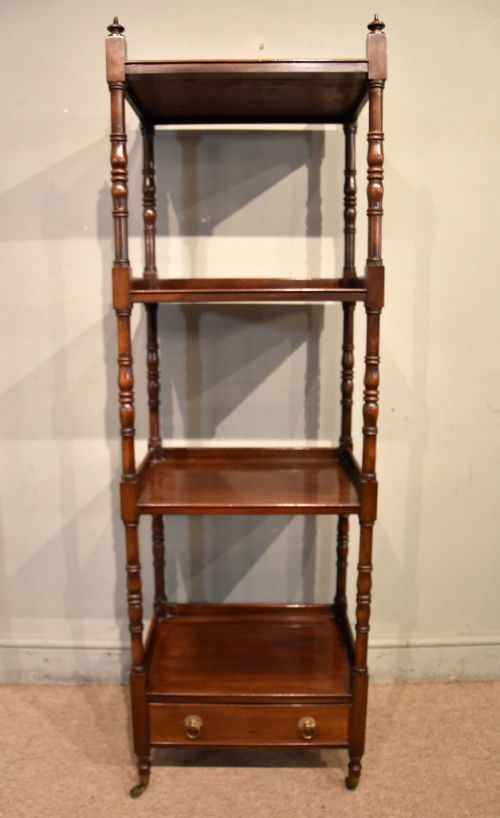
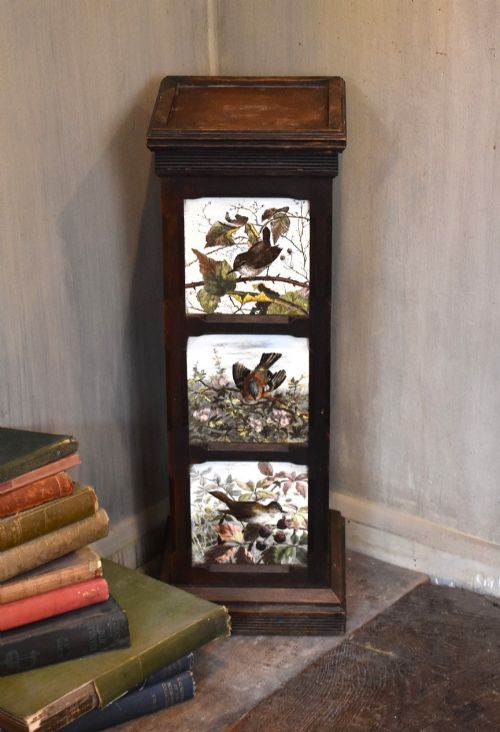
A late victorian display stand encompasses a broad variety of forms designed to hold or exhibit items within a domestic interior. Pieces recorded in this category include multi-tiered etagères, corner display cabinets, pedestals, and occasional tables dating from the final decades of the nineteenth century.
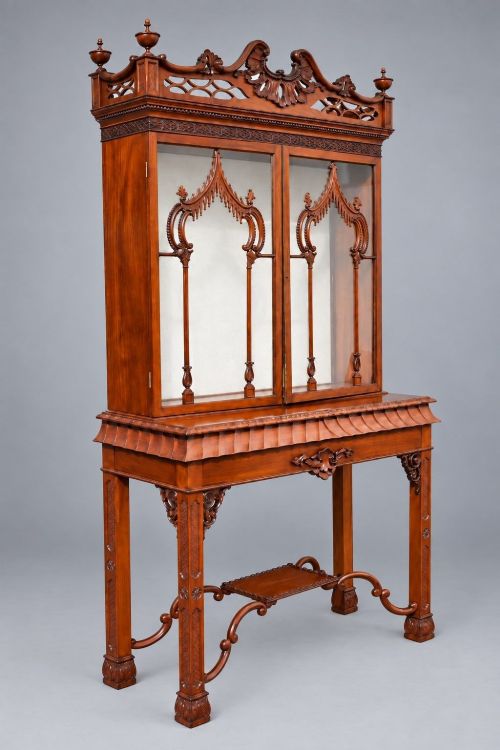
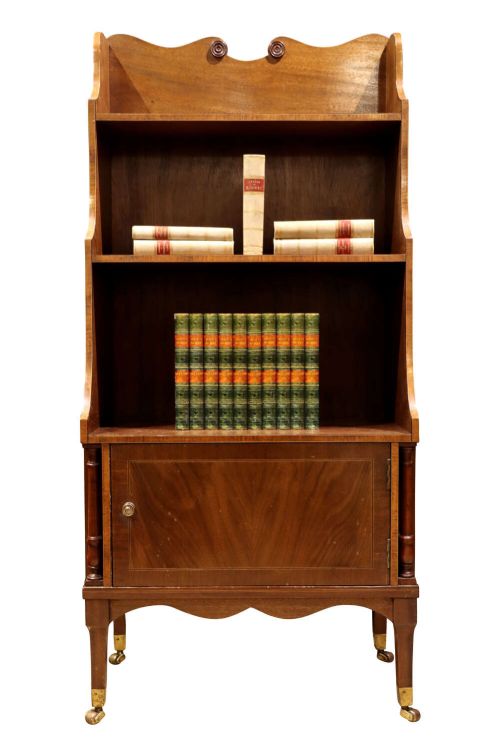
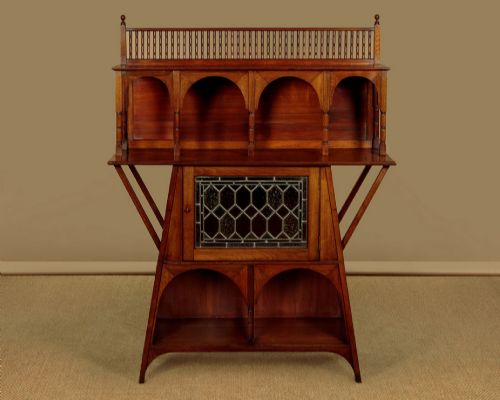
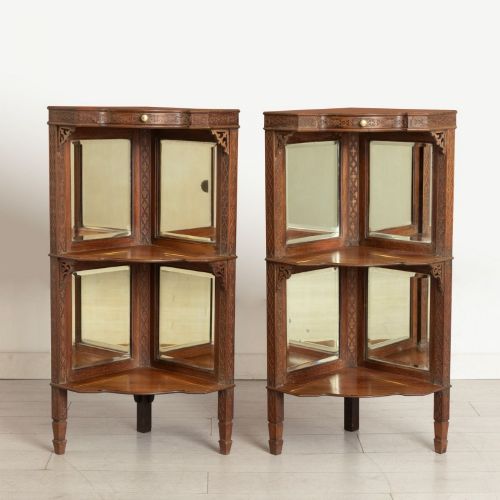
The version most commonly met on this page is constructed from mahogany, walnut, or rosewood, often taking the form of a glazed cabinet, bookcase, or open shelf unit. These items reflect the diverse stylistic vocabulary of the period, drawing on Chippendale revival, Aesthetic Movement, and classical design principles.
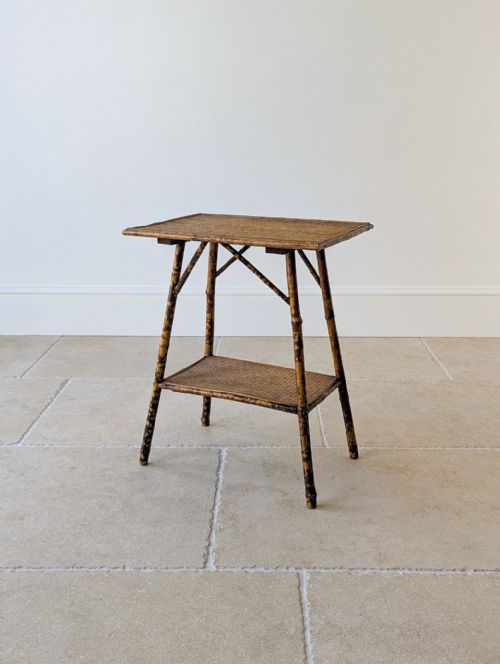
Makers and workshops of the era utilised specific woods and decorative schemes to suit both formal drawing rooms and eclectic interiors. Buyers encounter everything from bamboo occasional tables to walnut corner cupboards, each serving a distinct spatial function.
How They Were Made
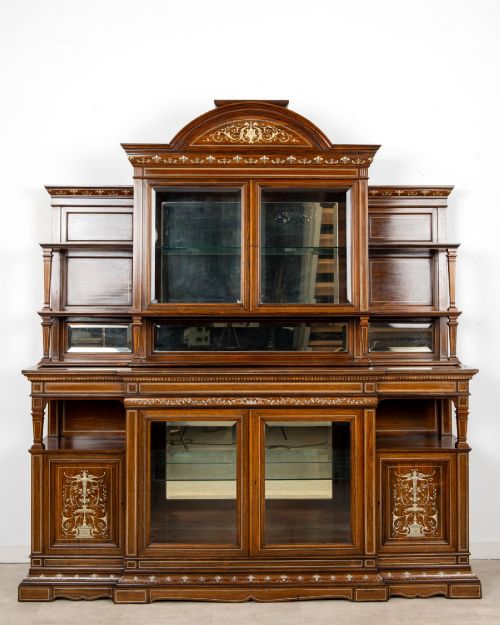
Construction relies heavily on traditional cabinet timbers such as mahogany, walnut, and rosewood, frequently enhanced with marquetry inlay, satinwood banding, or parcel gilding. Workshops employed skilled joinery techniques to build multi-tiered etagères, bookcases, and cabinets with structural stability.
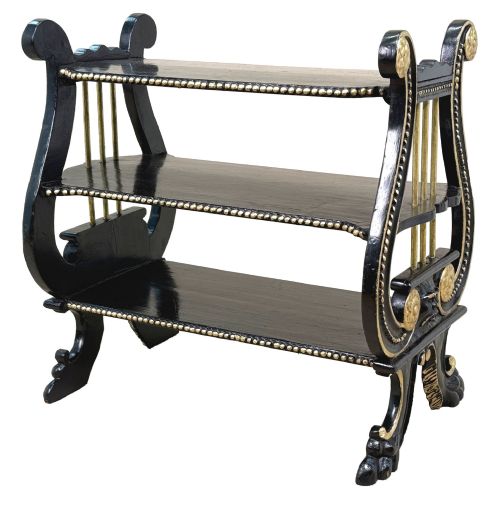
Metal and glass components play a structural and decorative role, featuring brass castors, ormolu mounts, and glazed doors to protect displayed items. Ebonised finishes and bamboo frameworks demonstrate the varied material experimentation characteristic of late nineteenth-century production.
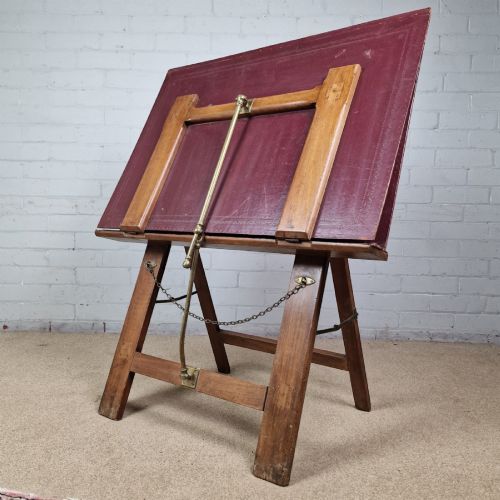
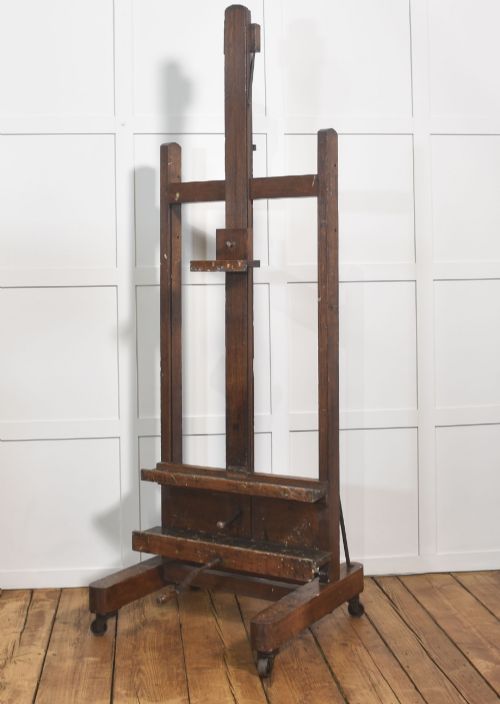
Studio furniture of this era includes fully adjustable oak easels built to support the grand artistic ambitions of late nineteenth-century painters.
What Varies in Quality
The calibre of a piece is determined by the precision of its joinery, the selection of timber veneers, and the execution of carved or inlaid details. Finer examples display meticulous marquetry, well-figured grains, and original hardware such as brass castors or period glass.
Attribution to documented makers or workshops elevates a piece, as seen in items bearing the stamp or distinct design characteristics of firms like Edwards & Roberts or Liberty & Co. The integration of structural elements, from adjustable shelves to sound framing, separates workshop standards.
Collinson & Lock·Liberty & Co.·Shoolbred·Edwards & Roberts·Gabriel Viardot·Lambs of Manchester
The Late Victorian Display Stand Glossary
- Étagère
- A piece of furniture consisting of a set of open shelves for displaying small objects. These multi-tiered stands emerged in popularity during the nineteenth century.
- Marquetry
- Decorative veneer applied to furniture in geometrical patterns or pictorial designs. Craftsmen used contrasting woods to create intricate surface decoration.
- Aesthetic Movement
- A late nineteenth-century design style that emphasised visual and material beauty over narrative content. Pieces often incorporated ebonised wood, gilding, or Japanese-inspired motifs.
- Chippendale Revival
- A nineteenth-century revival of mid-eighteenth-century furniture designs associated with Thomas Chippendale. Characteristics include ornate carving and fretwork.
- Whatnot
- An open set of shelves used for displaying ornaments or books. They typically feature three or more tiers supported by slender uprights.
Late Victorian Display Stand: Frequently Asked Questions
What is a late victorian display stand?
A late victorian display stand is a piece of nineteenth-century furniture built to exhibit decorative objects, books, or plants. Forms range from multi-tiered etagères and bookcases to corner cabinets and occasional tables.
These pieces reflect the stylistic diversity of the late nineteenth century, incorporating revival styles, Aesthetic Movement design, and various cabinet timbers like mahogany and walnut.
How were these stands used originally?
Original domestic use centred on the display of ceramics, photographs, and decorative ornaments within drawing rooms and parlours. Tiers and glazed enclosures kept prized possessions visible while protecting them from dust.
Larger furniture forms also functioned as bookcases or studio easels, combining practical storage with the decorative staging of domestic life.
How do I identify the style of a stand?
Stylistic identification relies on specific decorative details, such as the fretwork and carved legs of Chippendale revival pieces or the ebonised surfaces and gilt highlights of the Aesthetic Movement. Materials like bamboo or marquetry inlay point directly to late nineteenth-century design tastes.
Maker signatures, stamps, and labels provide definitive attribution to workshops active during the final decades of the nineteenth century.
How do I care for a wooden display stand?
Care involves placing the furniture away from direct sunlight and sudden temperature shifts to protect nineteenth-century veneers and polished wood surfaces. Regular dusting with a dry, soft cloth maintains the finish without moisture damage.
Period brass castors and metal mounts benefit from gentle cleaning if required, avoiding harsh chemical polishes that can alter the patina.