




Late Victorian Desk Box
A late victorian desk box gathers correspondence and papers neatly, bringing period character to a modern workspace.
Late Victorian Desk Box
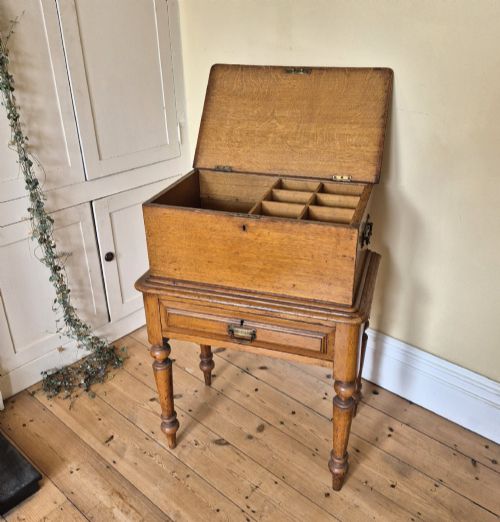
A late victorian desk box encompasses utilitarian stationery cabinets, drop-front storage chests, and fitted writing slopes designed for nineteenth-century correspondence. These pieces served to organise paper, pens, and daily business in domestic studies and offices.
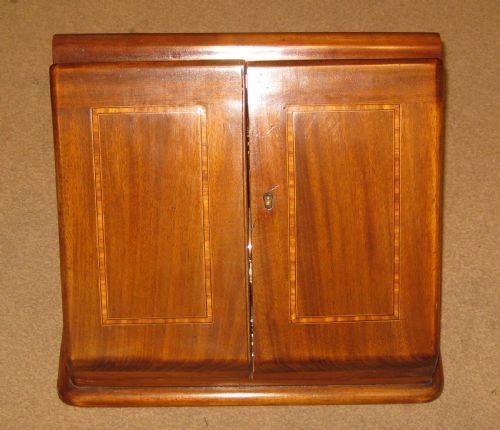
The version most commonly encountered on this page originates from the late nineteenth century, reflecting the Victorian era's dedication to desk organisation. Examples include oak stationery boxes, mahogany writing slopes, and brass-inlaid rosewood boxes.
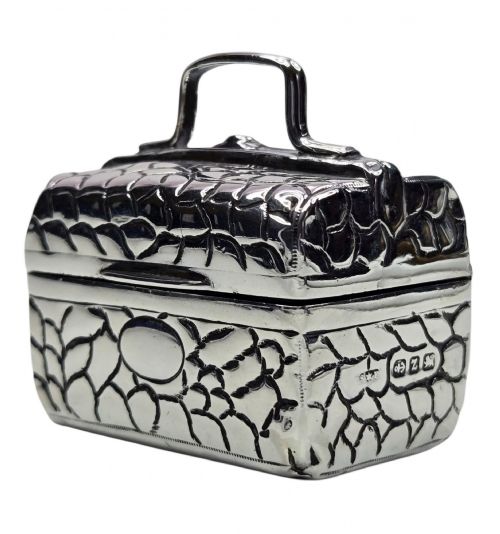
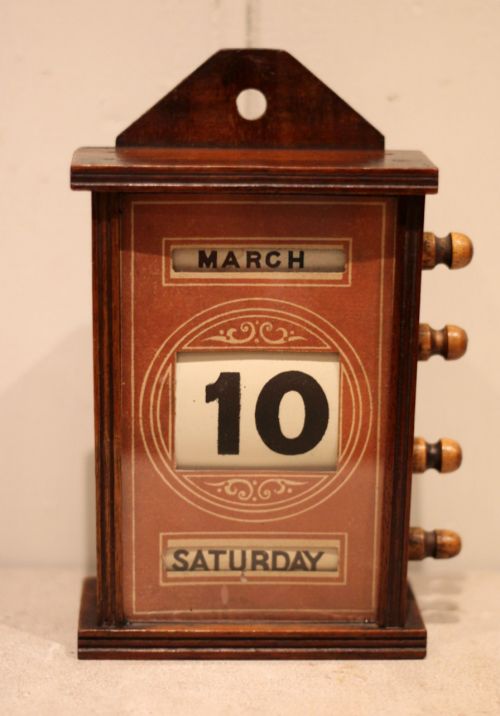
Beyond standard boxes, the category extends to associated desk accessories such as calendar stands, string jars, and novelty trunks. Each form demonstrates the period's preference for compartmentalised storage on the desktop.
How they were made
Cabinet makers utilised durable hardwoods such as mahogany, oak, and rosewood to construct the primary bodies of these boxes. These timbers provided the structural integrity required for daily use and frequent handling.
Decoration relied upon brass mounts, delicate inlay work, and glass inserts combined with sterling silver details. Interior arrangements frequently featured secret drawers and fitted compartments designed for specific stationery needs.
Listings feature items spanning the Georgian and Victorian periods, constructed from oak, mahogany, rosewood, and olivewood.
What varies in quality
The distinction between standard utility items and superior examples lies in the complexity of the internal fittings and the precision of the cabinet work. Elaborate secret drawers and fine brass inlay elevate an object beyond basic office furniture.
Material selection significantly influences the overall character, with dense rosewood and substantial oak standing apart from simpler constructions. The integration of sterling silver mounts or novelty designs indicates a higher grade of manufacture.
The Late Victorian Desk Box Glossary
- Writing slope
- A box featuring a slanted lid designed to provide a comfortable writing surface when opened. Interiors typically house compartments for inkwells and pens.
- Stationery cabinet
- An upright cabinet designed to hold writing paper and envelopes, often featuring a drop-front or compartmentalised interior. These pieces kept desks tidy in Victorian studies.
- Secret drawer
- A concealed compartment hidden behind moveable partitions within a desk box. Makers incorporated these to secure private documents and valuables.
- Sterling silver
- A silver alloy containing ninety-two point five percent pure silver by mass, frequently utilised for mounts, lids, and novelty trunk details.
Late Victorian Desk Box: Frequently Asked Questions
What is a late victorian desk box?
It is a piece of desktop storage furniture created during the final decades of the nineteenth century. These items were built to hold stationery, correspondence, and writing implements.
They range from simple oak stationery boxes to elaborate rosewood writing slopes with secret compartments.
How were writing slopes used?
Writing slopes provided a portable desk surface for writing letters before the widespread use of fitted study furniture. Users opened the hinged lid to reveal slanted writing boards and inkwell holders.
Papers and envelopes remained stored securely inside the lower section when not in use.
What materials are common?
Makers relied heavily on hardwoods such as mahogany, oak, and rosewood for the structural bodies. Brass inlay and mounts provided decorative contrast against the dark timber.
Finer examples incorporate glass and sterling silver details, particularly on associated items like twine jars and novelty boxes.
How do I identify the period?
Dating relies upon construction techniques, timber choices, and specific hardware styles characteristic of the nineteenth century. Pieces often feature adjustable dates, calendar mechanisms, or hallmarks on silver components.
Victorian design favoured heavy timber construction alongside functional internal organisation.