



Late Victorian Coat Rack
These late victorian coat rack pieces combine utility and craftsmanship, offering practical hallway storage formed from oak, walnut, mahogany, brass, and cast iron.
Late Victorian Coat Rack
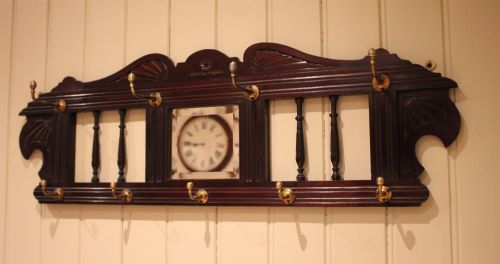
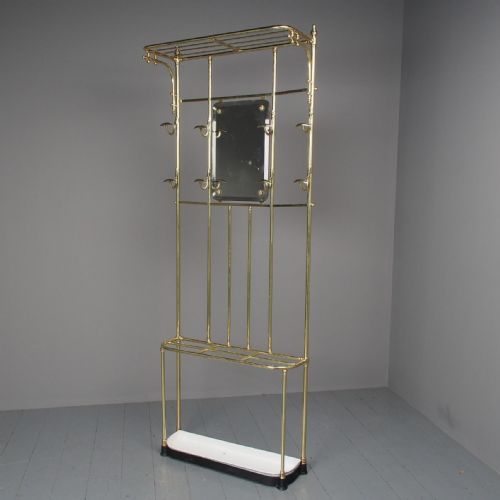
A late victorian coat rack provides sturdy hanging storage for hallways, combining practical hooks with mirrors, shelves, or umbrella holders. You will most frequently meet wall-mounted wooden racks or larger freestanding hall stands featuring carved details.
The objects span varied forms including narrow hall stands, wall hat and coat racks, and matching pairs of brass coat hooks. Origins recorded in the evidence range from English workshops to French, Swiss, and South German makers.
Makers of the period utilised durable timbers such as oak, mahogany, and walnut alongside metals like brass and cast iron. Decorative styles lean towards traditional Victorian aesthetics, alongside Gothic Revival, French nineteenth century, and Black Forest designs.
How they were made
Woodworkers shaped solid timbers like oak, mahogany, walnut, and linden wood through traditional carpentry and carving techniques. Carved motifs such as Greenman faces and deer antlers demonstrate the sculptural ambition of late nineteenth-century artisans.
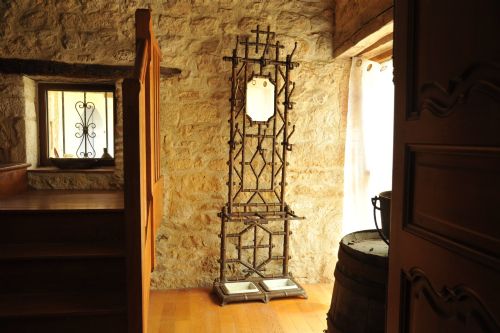
Metal components relied on brass and cast iron, sometimes moulded into faux bamboo or shaped as crossed halberds and pikes. These metallic elements provided both structural strength and decorative contrast against polished wood backboards.
The listings show materials spanning oak, mahogany, walnut, brass, cast iron, glass, and linden wood.
What varies in quality
Quality rests upon the depth of the timber carving and the architectural ambition of the overall piece. Simple wall-mounted boards differ significantly from elaborate hall stands incorporating bevelled mirrors, stick stands, and figural carvings.
The choice of materials and the integrity of the hardware dictate the standard of the piece. Robust brass hooks and well-preserved linden wood or oak elevate an item above simpler utilitarian versions.
The Late Victorian Coat Rack Glossary
- Hall Stand
- A freestanding hallway furniture piece combining coat hooks, a mirror, and storage for umbrellas or sticks. These items served as central organizational hubs in nineteenth-century entrance halls.
- Black Forest
- A nineteenth-century carving style originating from the Swiss and German border regions, characterised by naturalistic representations of animals and foliage. Pieces often incorporate carved antlers, horns, and linden wood.
- Faux Bamboo
- A decorative technique where metal or lesser woods are carved and painted to imitate the segmented stems of bamboo. This aesthetic was popular in nineteenth-century European furniture design.
- Gothic Revival
- An architectural and decorative style drawing inspiration from medieval forms, featuring pointed arches and heavy ornamentation. This style appears frequently in carved oak hall furniture.
- Greenman
- A sculptural architectural motif depicting a human face disgorging or entwined with foliage and vines. It symbolises rebirth and appears on carved nineteenth-century woodwork.
Late Victorian Coat Rack: Frequently Asked Questions
Where should a coat rack go?
These pieces suit entrance halls, porches, and boot rooms where practical hanging space is required. Wall-mounted versions function well in narrower corridors, while freestanding hall stands require adequate floor depth.
Ensure the wall fixings are secured into solid masonry or studs when hanging heavier oak and cast iron examples.
How do I care for the wood?
Maintain the timber surfaces by dusting regularly with a soft cloth and applying a traditional beeswax periodically. Avoid placing these items in direct sunlight or near heat sources to prevent the wood from drying out.
Keep brass and cast iron hardware clean by wiping gently with a dry cloth without using abrasive chemical cleaners.
How do I identify the period?
Late nineteenth-century pieces often display specific stylistic markers such as carved Greenman faces, Gothic Revival tracery, or ebonised finishes. The use of solid oak, walnut, and mahogany alongside heavy brass hooks points directly to this era.
Construction methods like hand-cut joints and bevelled mirror glass further support nineteenth-century dating.