


Late Victorian Canvas Painting
A late victorian canvas painting brings the depth of nineteenth-century brushwork and oil pigments directly into domestic spaces.
Late Victorian Canvas Painting
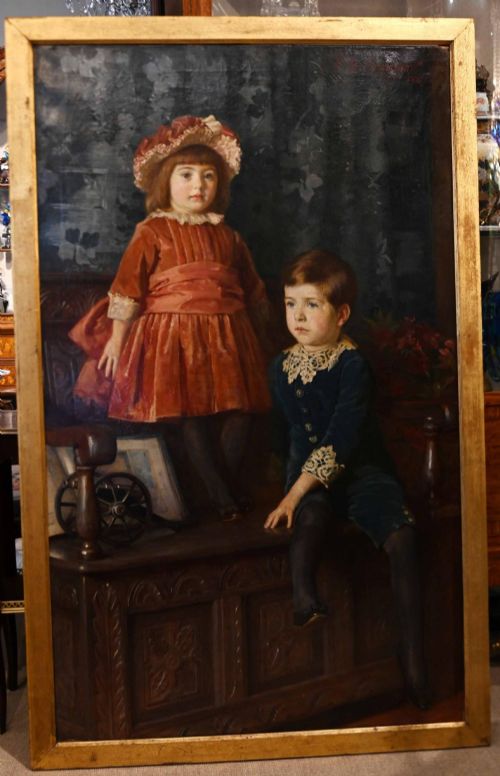
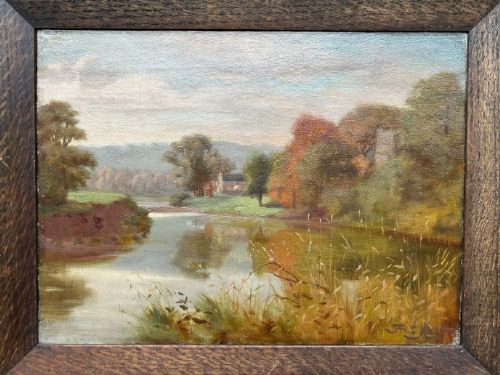
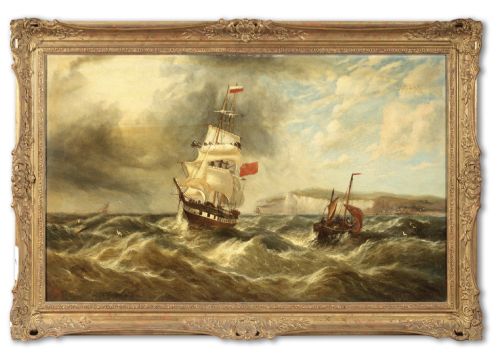
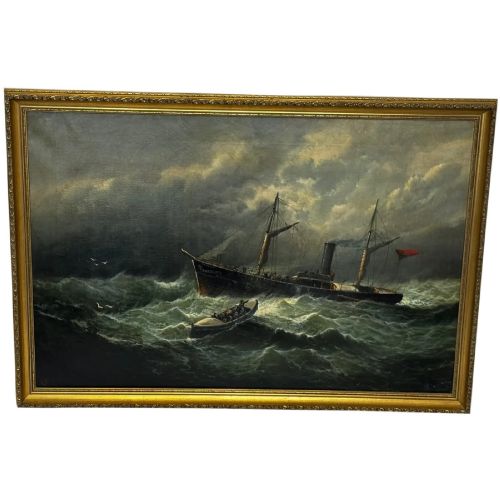
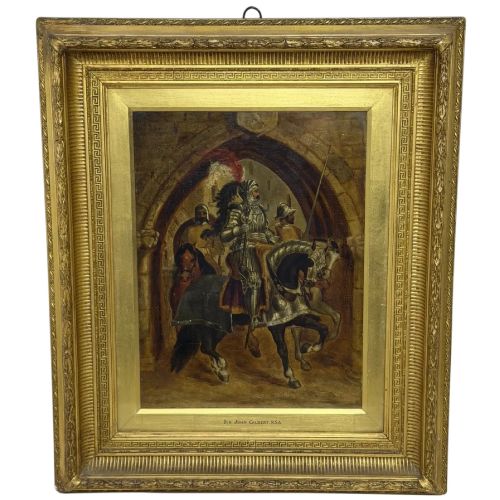
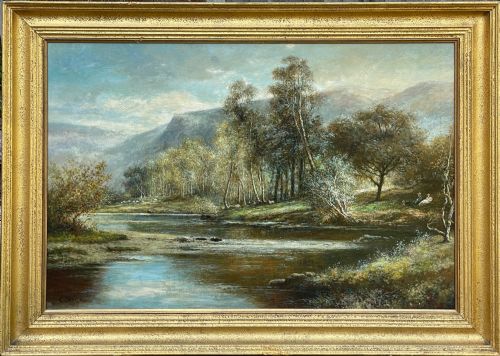
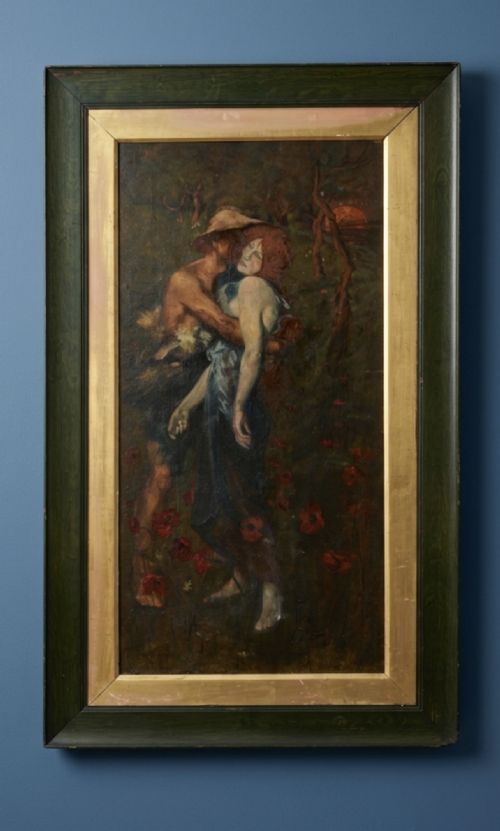
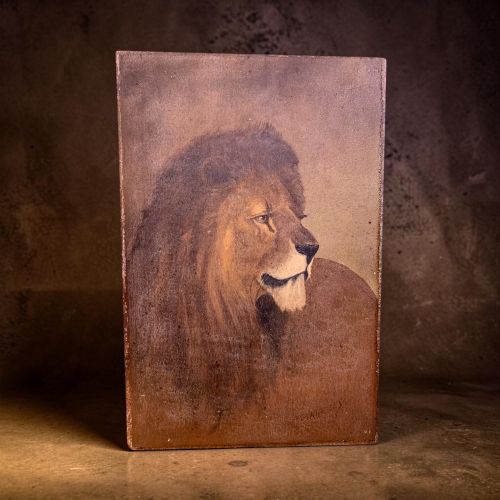
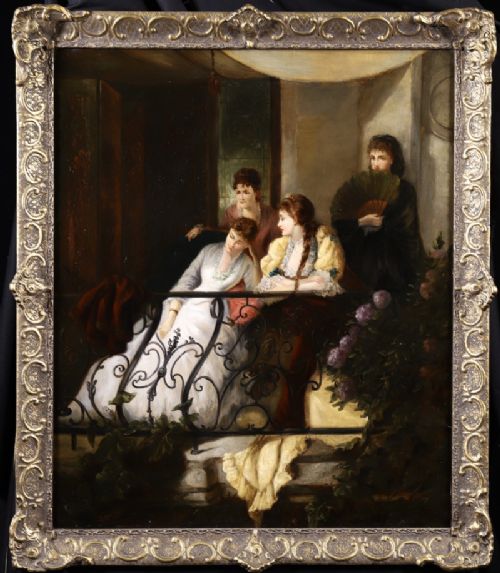
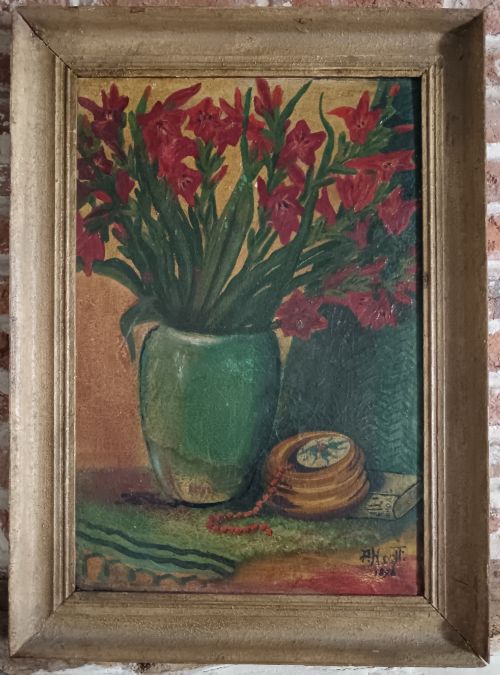
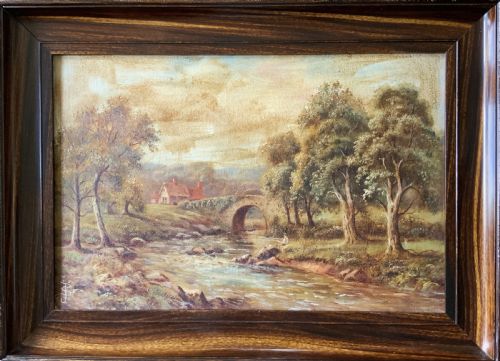
When you search for a late victorian canvas painting, you encounter original works spanning maritime views, rural landscapes, domestic portraits, and narrative scenes. The most common version met on this page is the oil painting on canvas, frequently signed by the artist and retained in period wooden frames.
Subjects range from British coastal waters and Scottish highlands to quiet woodland paths, pastoral farmyards, and intimate figure studies. These works reflect late nineteenth-century artistic movements, including Victorian naturalism, classicism, and early impressionist influences.
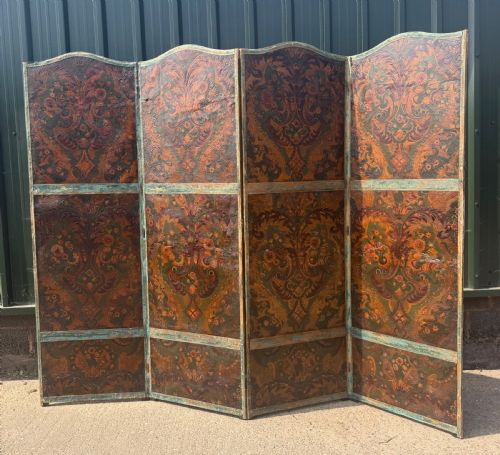
The format extends beyond standard wall art into larger decorative objects such as polychrome decorated four-fold room divider screens. Such pieces demonstrate how period canvas works were integrated into interior architecture and domestic furnishings.
How they were made
Paintings of this period rely primarily on oil paint applied to a woven canvas support, often stretched over a wooden frame. Many works incorporate gesso layers to prepare the surface for pigment adherence.
Finished canvases were secured within wooden frames, frequently enhanced with gilt detailing. Some specialised items, such as folding room dividers, utilise heavy canvas mounted onto multi-panel wooden structures with decorative polychrome surfaces.
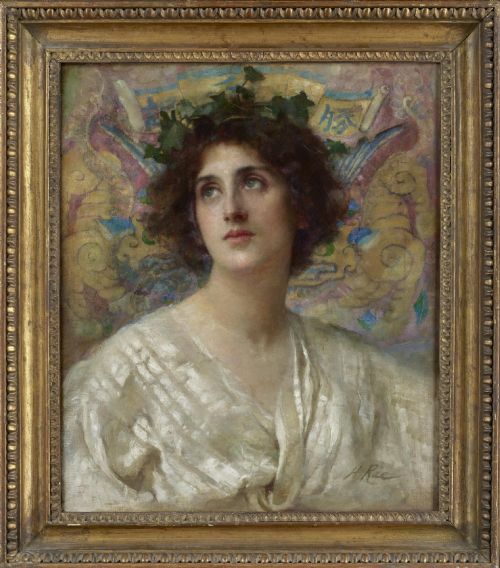
Several domestic scenes capture everyday moments, including children by rivers, mothers reading, and one very stern-faced nineteenth-century lady.
What varies in quality
The distinction between tiers rests upon the confidence of the brushwork, the handling of light, and the anatomical or topographical accuracy within the composition. Master painters achieve atmospheric depth through subtle layering of oil pigments, whereas naive or provincial works display simpler, flatter application.
Condition and presentation heavily influence standing. Original frames, clear artist signatures, and well-preserved canvas integrity elevate a piece above salvaged fragments or works requiring extensive restoration.
Frederick Marriott·John Rose Miles·Thomas W Lascelles·Henrietta Rae·Sydney Yates Johnson·Thomas Bromley Blacklock·Robert John Hammond·William Joseph Carroll·John Syer Junior·Frederick William Jackson·William Greaves·Eva Hollyer·Harold Arthur Burke·Ralph Hedley·Walter Emsley·Robert Gemmell Hutchison·Clarence Roe
The Late Victorian Canvas Painting Glossary
- Canvas
- A heavy woven fabric used as a surface for painting. It provides the textured foundation for nearly all nineteenth-century oil works on this page.
- Gesso
- A white paint mixture consisting of a binder mixed with chalk or plaster. It was applied to prepare wooden or canvas surfaces before painting.
- Gilt
- Covered thinly with gold leaf or gold paint. This finish frequently highlights the wooden frames enclosing late nineteenth-century art.
- Oil Paint
- A slow-drying paint made of pigments suspended in a drying oil, typically linseed oil. It allowed artists to blend tones smoothly and build rich surface textures.
- Grisaille
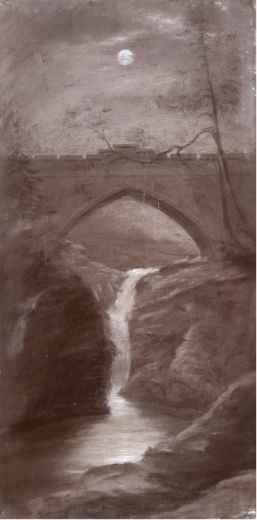
- A painting executed entirely in shades of grey or neutral monochromatic tones. This technique often mimics the appearance of relief sculpture.
Late Victorian Canvas Painting: Frequently Asked Questions
How do I identify a late Victorian canvas painting?
Examine the materials and stretcher frames behind the canvas, as nineteenth-century construction methods differ significantly from modern synthetic boards. Signatures, artist inscriptions, and stylistic cues pointing towards naturalism or late nineteenth-century academic training also help confirm the era.
Look closely at the surface crazing and pigment oxidation under natural light. Genuine period oils develop a specific craquelure pattern over decades that remains difficult to replicate artificially.
Where should I hang these paintings?
These works suit traditional reception rooms, studies, or hallways where period oil paintings complement antique furnishings. Ensure they are placed away from direct sunlight and damp walls to protect the canvas and oil pigments.
Consider the scale of the frame when positioning the artwork on a wall. Larger landscape or maritime pieces require substantial wall space to balance their visual weight.
Are these paintings supplied with frames?
Most pieces listed include their period wooden frames, often featuring original gilt or carved details that match the age of the canvas. Listing descriptions generally specify whether a work is framed.
Retaining the original frame preserves the historical integrity of the piece. Collectors frequently value the pairing of a nineteenth-century canvas with its contemporary framing.