


Late Victorian Bamboo Furniture
Late victorian bamboo furniture brings lightness and exotic detail into a room, offering practical utility wrapped in the decorative spirit of the nineteenth century.
Late Victorian Bamboo Furniture
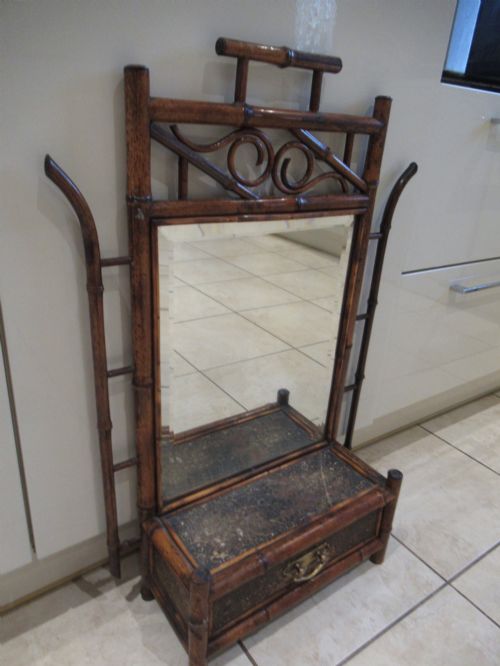
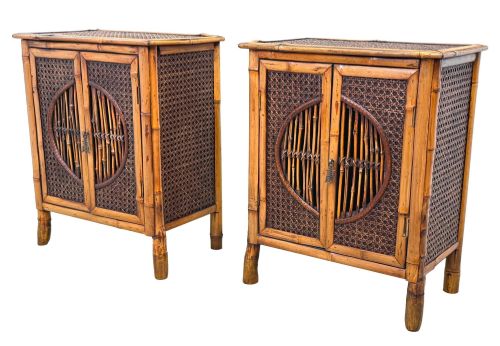
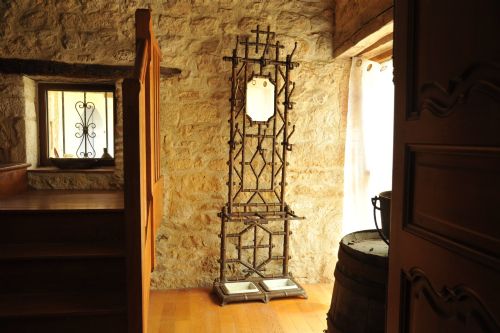
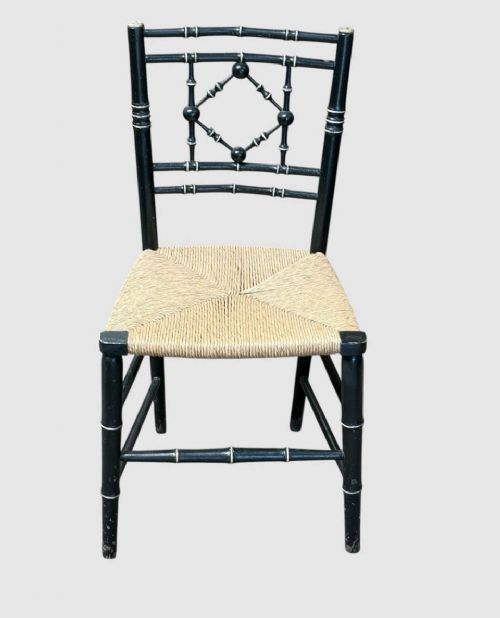
When you search for late victorian bamboo furniture, you find pieces designed to satisfy nineteenth-century tastes for exotic and lighter domestic items. The selection on this page spans side tables, miniature cabinets, washstands, hall stands, side chairs, dressing tables, and corner cabinets originating around the late nineteenth century.
You are most likely to meet occasional tables, cabinets, and chairs reflecting the Aesthetic Movement, Victorian Chinoiserie, and faux bamboo styles. These items combine natural materials with decorative panels, lacquer work, and occasional marble tops to create functional household furnishings.
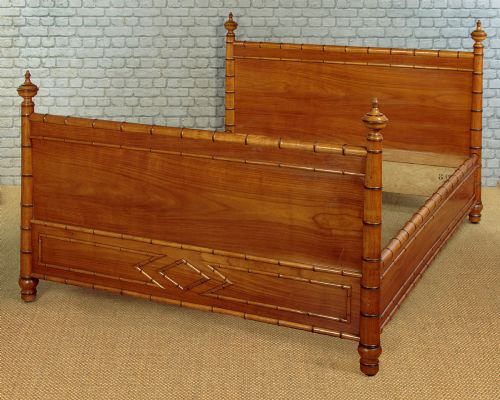
Origins include British and French interpretations of the period, demonstrating how makers adapted Eastern influences for Western interiors. The forms range from small table-top cupboards and side chairs to substantial dressing tables and bedframes.
How they were made
Construction relies upon natural bamboo, rattan, and cane combined with supportive structural woods such as pine and maple. Makers utilised these flexible stalks alongside turned and painted wood designed to imitate bamboo in the French faux bamboo tradition.
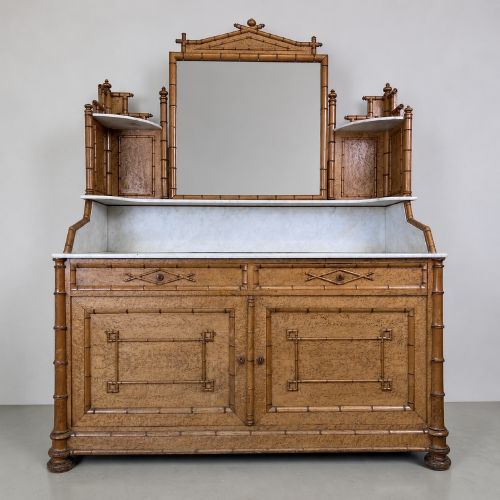
Surface decoration frequently incorporates lacquer panels, glass inserts, and inset marble slabs on dressing cabinets and washstands. Cast iron also appears in specific hall stands to provide structural rigidity for hanging coats and umbrellas.
The aesthetic is completed through pagoda tops, carved wooden elements, and Japanois motifs that define the decorative language of the period.
Even umbrellas found a bamboo-inspired home in cast iron before the century closed.
What varies in quality
Quality reveals itself in the integrity of the natural bamboo joints and the stability of the secondary woods used for framing. Superior examples maintain tight structural connections without excessive splitting in the cane or lacquer work.
The sophistication of the surface decoration separates standard production from finer pieces. Hand-applied lacquer, detailed Chinoiserie motifs, and the inclusion of materials like bird's-eye maple and marble indicate a higher grade of manufacture.
The Late Victorian Bamboo Furniture Glossary
- Aesthetic Movement
- A late nineteenth-century design style emphasising visual beauty over narrative subject matter. It drew heavy inspiration from Japanese and other Eastern art forms.
- Faux bamboo
- Simulated bamboo created by turning and painting hardwood, such as maple or pine, to mimic natural cane joints. This technique was particularly popular in French nineteenth-century furniture workshops.
- Chinoiserie
- European artistic interpretations of Chinese and East Asian decorative traditions. It manifests in these pieces through pagoda tops and lacquered surface designs.
- Bijouterie table
- A glass-topped display table designed for small valuables and curiosities. They often incorporated bamboo frames and lacquer finishes during the late nineteenth century.
- Escritoire
- A small writing cabinet featuring a fall-front desk space and internal compartments. Examples from this period occasionally adopted pagoda-topped bamboo and lacquer structures.
Late Victorian Bamboo Furniture: Frequently Asked Questions
What is late victorian bamboo furniture?
Late victorian bamboo furniture comprises household furnishings produced in the late nineteenth century using natural bamboo, rattan, and cane. These items often reflect Aesthetic Movement and Chinoiserie styles.
They range from small occasional tables and miniature cabinets to washstands, beds, and hall chairs designed to add exotic lightness to Victorian interiors.
Where were these pieces used?
These furnishings were typically placed in drawing rooms, bedrooms, and hallways of late nineteenth-century homes. Pieces like side tables and bijouterie cabinets served decorative display functions in public reception rooms.
Larger items such as washstands, dressing tables, and bedsteads furnished domestic bedrooms with lighter, more fashionable alternatives to heavy mahogany or oak.
How do I clean bamboo furniture?
Cleaning requires a soft, dry cloth to remove dust from the natural cane joints and crevices. Avoid excessive moisture, which can damage the lacquer panels and weaken the natural fibres.
Preserve the finish by keeping the pieces away from direct heat sources and strong sunlight that might dry out the bamboo over time.
What styles influence these pieces?
The primary influences include the Aesthetic Movement, Victorian Chinoiserie, and French nineteenth-century design. These styles embraced Japanese and Chinese motifs, resulting in decorative lacquer work and asymmetrical forms.
Makers combined these Eastern inspirations with traditional European furniture types like escritoires and dressing cabinets.