






Late 19th Century Textile
These late 19th century textile pieces span tribal hangings, French panels and temple art, offering tactile historical depth for interiors.
Late 19th Century Textile
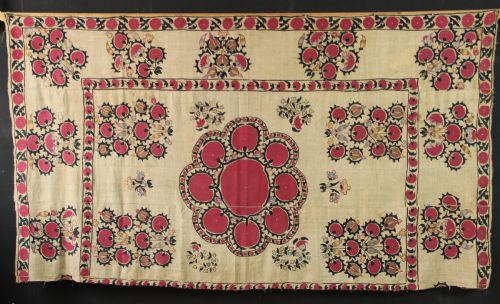
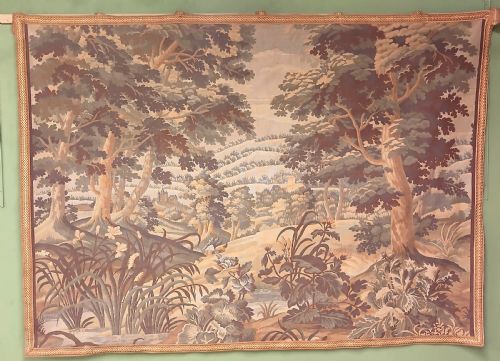
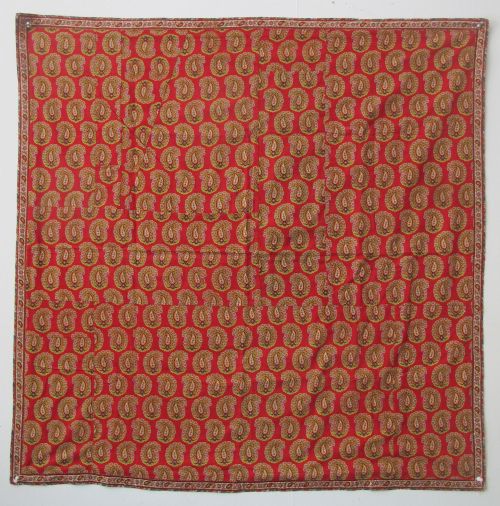
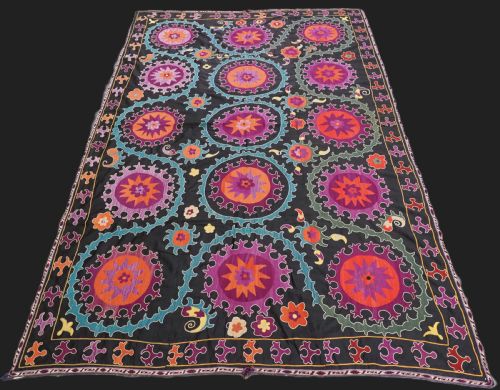
When you search for a late 19th century textile, you encounter a diverse group of objects encompassing wall art, decorative hangings, tribal trappings and domestic embroidery. The selection ranges from Central Asian suzanis and Turkmen tribal faces to French tapestries, Greek island embroideries and Indian blockprint panels.
You are most likely to meet Central Asian needlework, particularly Uzbek suzanis and tribal bags, alongside European tapestry panels and folk embroideries. These items reflect the domestic, ceremonial and nomadic traditions of their respective origins during the late 1800s and around 1900.
Materials and construction methods
The construction relies heavily on natural textiles such as cotton, wool, silk and linen, frequently worked with coloured threads or mineral pigment on cotton grounds. Artisans utilised techniques ranging from fine embroidery and blockprinting to weaving kilims and tapestries.
Many examples incorporate supplementary materials like wood, leather and glass alongside metallic thread, as seen in gold-embroidered jackets. The structural integrity depends on the density of the weave and the precision of the hand-stitched details.
Susan Mary Williams stitched her name into a sampler in 1800, leaving a domestic footnote that outlasted the establishments of the era.
Distinctions in quality
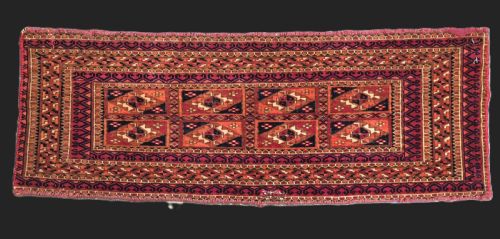
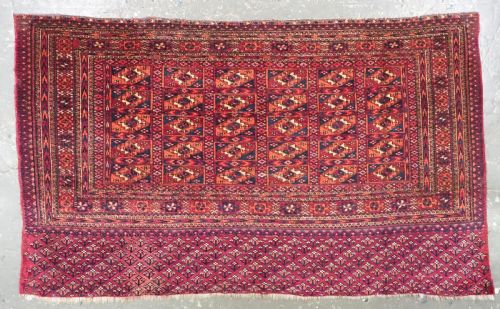
Quality rests on the fineness of the weave, the complexity of the design and the preservation of the materials. Pieces featuring intricate motifs, such as the aina gul design on Turkmen items or detailed pictorial elements in Tibetan paintings and French tapestries, demonstrate superior execution.
The vibrancy of natural and mineral pigments, the tightness of the ground fabric and the completeness of sets or panels distinguish finer examples from simpler domestic fragments.
The Late 19th Century Textile Glossary
- Suzani
- An embroidered textile panel from Central Asia, traditionally worked in silk on a cotton ground for domestic or ceremonial use.
- Torba
- A small Turkmen tribal bag or hanging, often featuring repeating geometric motifs such as the aina gul design.
- Kilim
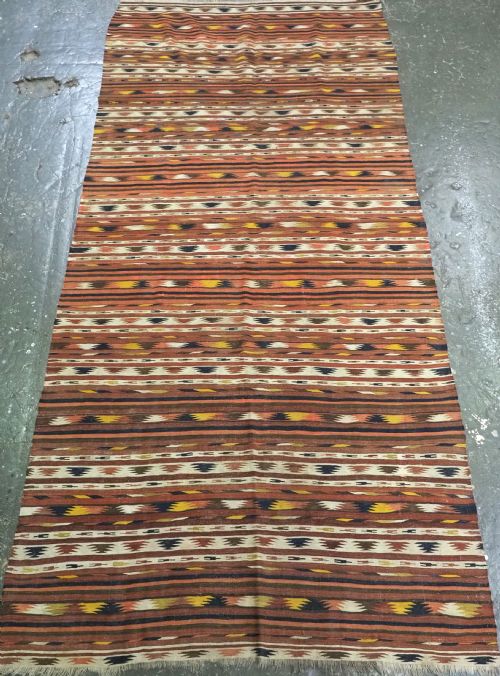
- A flatwoven carpet or rug produced in regions including Anatolia and Persia, utilised for floor coverings or functional trappings.
- Toile
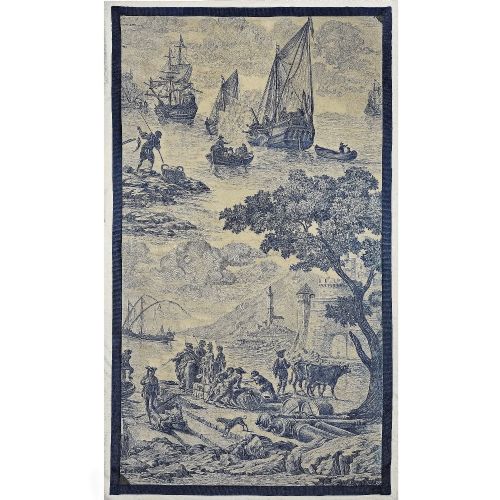
- A type of linen or cotton fabric featuring a monochromatic printed or painted design, commonly French in origin.
- Ilgich
- A dowry embroidery piece created by the Lakai tribe in Central Asia specifically for wall hanging.
Late 19th Century Textile: Frequently Asked Questions
How were suzanis used originally?
Uzbek suzanis served primarily as dowry items, wall hangings and ceremonial covers within nomadic and village households.
Families displayed them on special occasions to mark important life events.
What is a Turkmen torba?
A torba is a small utility bag or wall hanging produced by Turkmen tribes to store household goods and personal items.
They often displayed specific tribal crests and geometric patterns associated with weaving groups.
How do I care for antique textiles?
Keep textile pieces out of direct sunlight to prevent fading of cotton, wool, silk and mineral pigments.
Mount them professionally using breathable backing materials rather than hanging them by direct tension.
Are tribal saddle bags complete?
Some listings include complete sets of saddle bags or face panels from nomadic groups such as the Shahsavan and Yuruk.
These survivals retain their original form, construction and functional structure.