





Late 19th Century Benches
Late 19th century benches offer solid timber construction and distinct period revival forms, providing durable seating with historic character.
Late 19th Century Benches
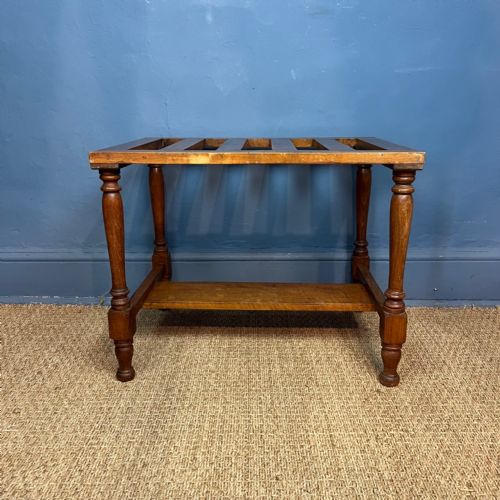
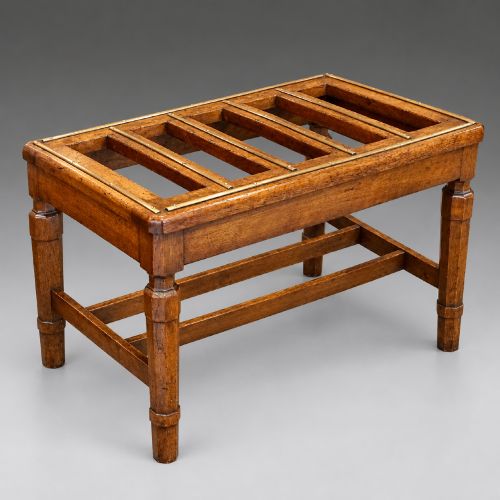
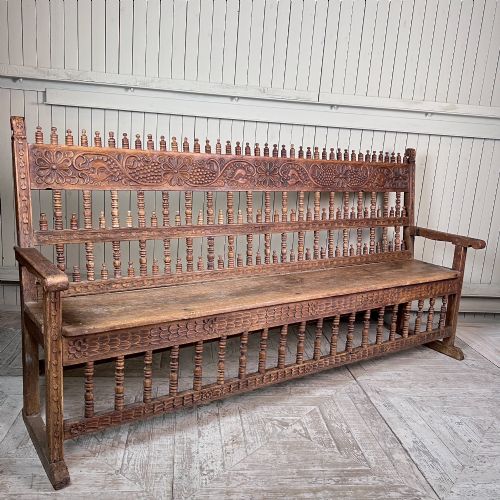
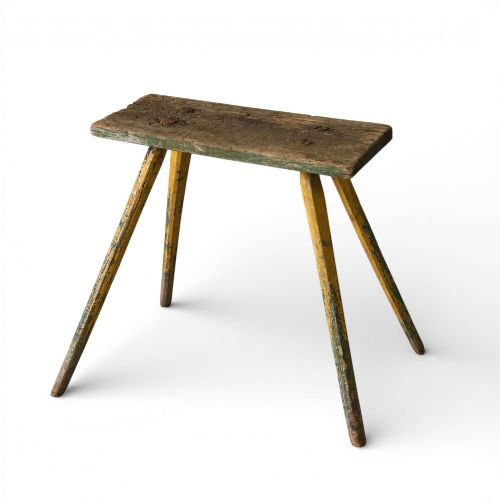
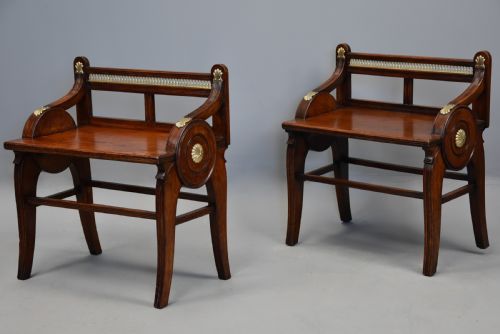
Late 19th century benches encompass a diverse group of seating furniture, ranging from utilitarian elm milking stools and rustic workshop pieces to formal mahogany and walnut hall benches designed for grand interiors. These objects appear in styles spanning French provincial, Victorian Gothic revival, and Sheraton revival, reflecting the eclectic tastes of the period.
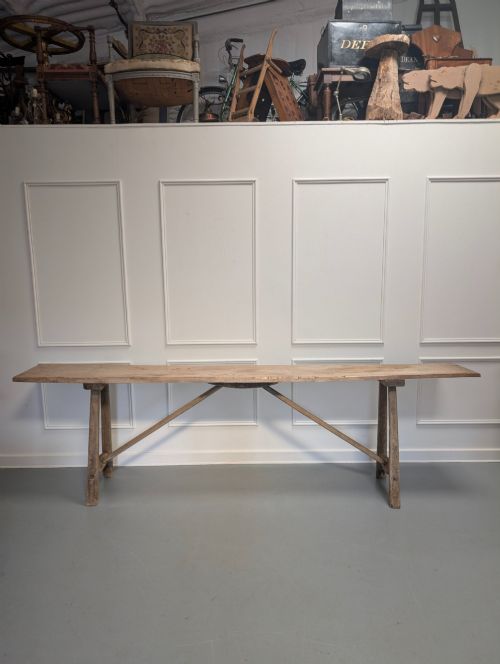
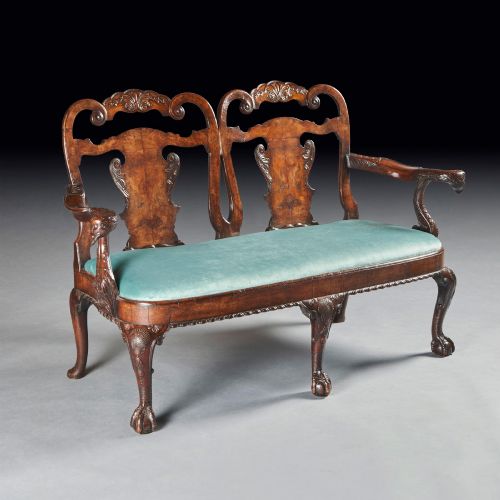
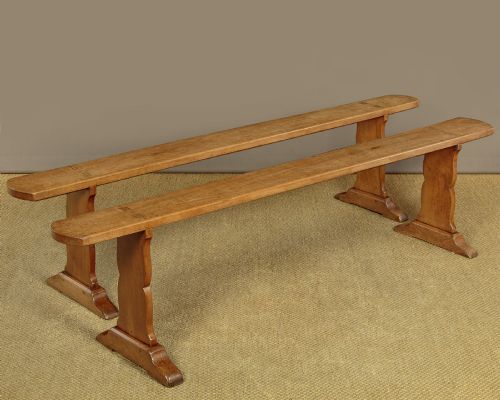
The buyer meets many regional variations on this page, including heavy oak hall seats with lift-up storage, long elm boards used in country settings, and upholstered twin chair-back settees modelled on earlier Georgian designs. Such forms served practical domestic, commercial, and communal functions across Europe, Britain, and America.
Makers and workshops of this era frequently drew inspiration from past centuries, producing revival pieces alongside simpler utilitarian seating like railway station benches and pig benches. This mix of formal revivalism and vernacular practicality defines the category available today.
How they were made
Makers utilised a wide range of native and exotic hardwoods, predominantly oak, walnut, mahogany, fruitwood, elm, and beech, often selected for strength and grain pattern. Secondary materials such as brass, woven rattan, and textiles including velvet and painted surfaces appear on upholstered window seats, club fenders, and salon sofas.
Joinery techniques combined traditional hand-carving with sturdy pegged mortise and tenon joints, ensuring the durability seen in heavy hall benches and refectory dining pairs. Surface finishes vary from original paint on rustic French stools to polished mahogany and decorated satinwood on formal drawing-room settees.
Late 19th Century Benches Retail Price Guide 2026
Typical asking prices for late 19th century benches among the pieces listed under this phrase on Sellingantiques today, from the lower quarter to the upper quarter. They describe what is for sale here now, not the wider market.
Listings feature oak, walnut, mahogany, fruitwood, and elm across Victorian, Gothic revival, and rustic country styles.
What varies in quality
The standard of carving and timber selection separates utilitarian utility seating from bespoke salon furniture, with fine walnut, mahogany, and satinwood demonstrating superior grain and intricate hand-chiselled detail. Workshops employing named cabinet makers or distinct regional building traditions generally achieve a higher level of execution in their joinery and proportions.
Originality of surface finish and hardware also dictates value, where pieces retaining untouched patination, original upholstery materials, or authentic maker stamps command greater attention than heavily restored examples.
James Shoolbred & Co·Butlers of Dublin·John Tesch
The Late 19th Century Benches Glossary
- Hall bench
- A sturdy wooden seat placed in an entrance hall, frequently featuring a high back and a lift-up storage compartment beneath the seat.
- Settee
- A medium-sized upholstered or wooden seat with a back and arms, designed to accommodate two or more people comfortably.
- Club fender
- A low, U-shaped hearth seat constructed from metal such as brass, topped with padded leather or fabric cushions.
- Milking stool
- A small, simple three-legged stool traditionally used by agricultural workers for milking livestock.
- Canapé
- An ornamental French sofa featuring an upholstered seat and backrest enclosed within a decorative wooden frame.
Late 19th Century Benches: Frequently Asked Questions
What are late 19th century benches?
These items are period seating pieces produced during the Victorian era, encompassing everything from plain elm work benches to carved oak hall seats and revival settees.
They reflect the diverse domestic and public interior styles popular during the late 1800s.
How were these benches used?
Depending on their form, they served practical functions in hallways, dining rooms, and commercial settings like railway stations, or decorative roles in formal drawing rooms.
Many incorporated storage compartments under the seat for household items.
How do I live with them?
These benches integrate easily into modern hallways, living rooms, and kitchens, providing practical seating combined with strong historical presence.
Their varied timber tones complement both contemporary and traditional interior schemes.
How to tell periods apart?
Distinguishing periods relies on identifying stylistic revival cues, such as George II or Hepplewhite influences, contrasted against Victorian Gothic or rustic vernacular designs.
Timber choice and construction methods also offer clues to the exact decade of manufacture.