



Late 19th Century Bed
A late 19th century bed brings substantial presence to a bedroom through rich timber frames and carved detailing.
Late 19th Century Bed
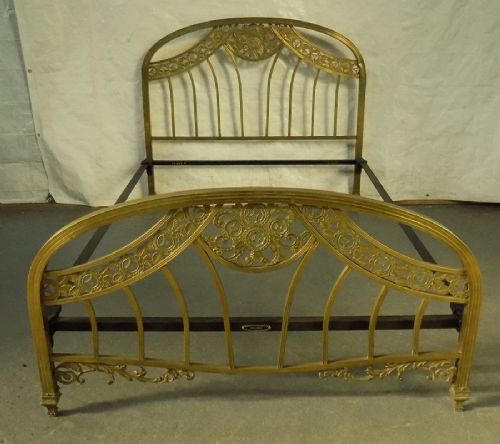
A late 19th century bed encompasses sturdy wooden bedsteads, daybeds and complete bedroom suites from the Victorian and continental European traditions. Walnut, mahogany, pine and ebonised wood dominate the forms, often accompanied by matching bedside cabinets and window seats.
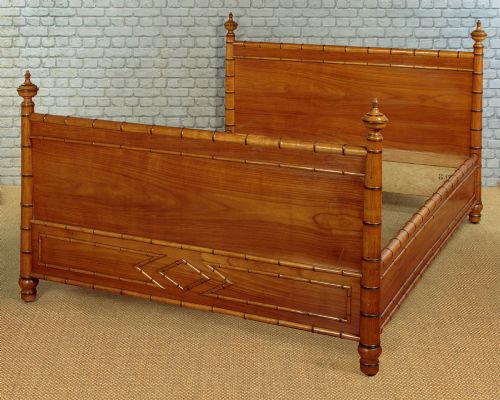
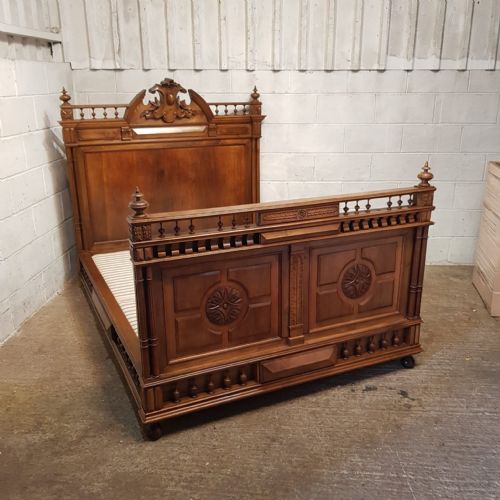
Buyers meet French carved walnut bedsteads and faux bamboo designs most frequently on this page. These pieces reflect specific period revivals, including French Renaissance, Louis XVI and the Aesthetic Movement.
How they were made
Cabinetmakers utilised solid timbers such as walnut, mahogany and pine for structural integrity, often applying decorative veneers or ebonisation to the surfaces. Hand carving brings depth to headboards and footboards, particularly on French revival pieces.
Metal components like brass mounts and iron side rails provide the necessary mechanical support for the wooden frames. Additional detailing relies on bone inlay, parcel gilt and marble tops on associated bedside furniture.
Late 19th Century Bed Retail Price Guide 2026
Typical asking prices for late 19th century bed among the pieces listed under this phrase on Sellingantiques today, from the lower quarter to the upper quarter. They describe what is for sale here now, not the wider market.
Listings feature walnut, pine, mahogany, and ebonised wood across Victorian and French revival periods.
What varies in quality
The depth and crispness of the hand carving distinguish standard production from superior examples. Timber selection also dictates grade, with figured walnut or dense mahogany marking out finer work.
Hardware and secondary elements, such as ormolu mounts, tambour fronts or integrated bone inlay, indicate the original workshop's investment in the piece.
Heal and Son·Ferdinand Barbedienne·P Chorier
The Late 19th Century Bed Glossary
- Bedstead
- The framework of a bed, comprising headboard, footboard and side rails, designed to support a mattress. These structures often dismantle for transport using iron side irons.
- Aesthetic Movement
- A late 19th century design style emphasising visual beauty over narrative subject matter. Pieces often feature ebonised wood or faux bamboo finishes.
- Bedside Cabinet
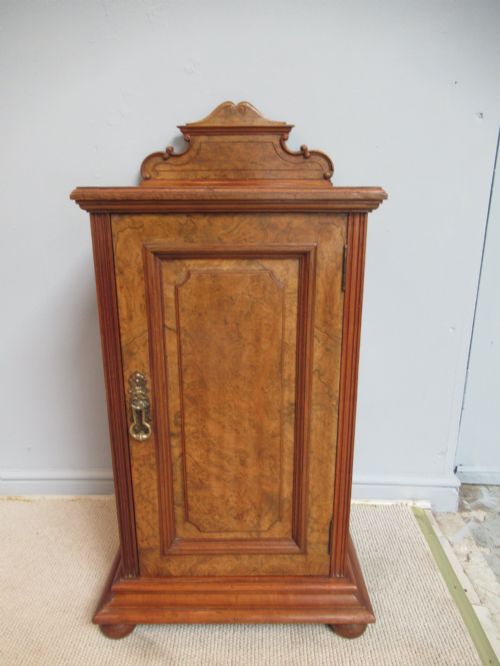
- A small storage piece designed to sit beside a bed, frequently topped with marble or fitted with a cupboard and single drawer. These items often appear as matched pairs.
- Daybed
- A multipurpose piece of furniture functioning as a seat during the day and a bed at night. Examples range from Chinese Qing dynasty low tables to drop-back Victorian frames.
- Boiserie
- Wooden panelling applied to walls or integrated into large furniture pieces like bed heads. This French technique brings architectural depth to bedroom suites.
Late 19th Century Bed: Frequently Asked Questions
Will a late 19th century bed fit modern mattresses?
Many older bedsteads were built to historical sizing standards that differ slightly from current metric dimensions. Buyers often check internal side rail measurements to ensure standard modern mattresses fit comfortably.
Adjustments to side irons or custom slat bases are sometimes utilised to accommodate modern mattress depths safely within antique frames.
How are wooden bedframes assembled?
These pieces typically rely on heavy iron side rails that slot directly into sockets on the headboard and footboard posts. Tightening the joint bolts secures the entire structure before wooden slats are laid across.
Care is needed during assembly to align the original hardware correctly without forcing vintage timber joints.
What styles are common in late 19th century bedroom furniture?
Victorian and French revival designs dominate this era, featuring rich walnut, carved panels and occasional Aesthetic Movement influences like faux bamboo. Complete suites often coordinate wardrobes, bedside cabinets and bedsteads in a single timber.
Regional variations span from English pine farmhouse pieces to elaborate French chateau walnut and gilt furnishings.
How do I care for antique wood and marble?
Routine maintenance involves dusting with a dry cloth and occasionally applying natural beeswax to nourish dry timber surfaces. Moisture should be kept away from wood and unsealed marble tops to prevent staining.
Placing furniture away from direct heat sources protects the timber from splitting or warping over time.