


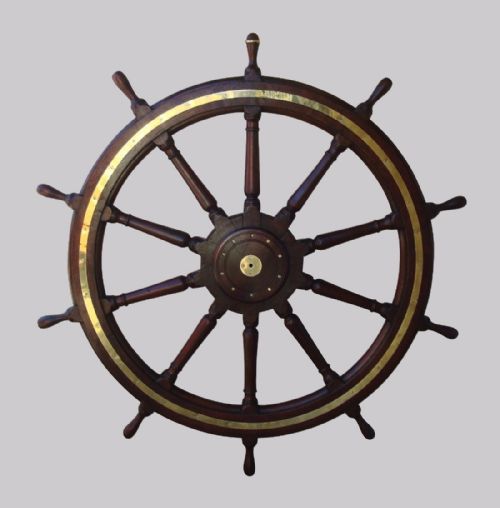


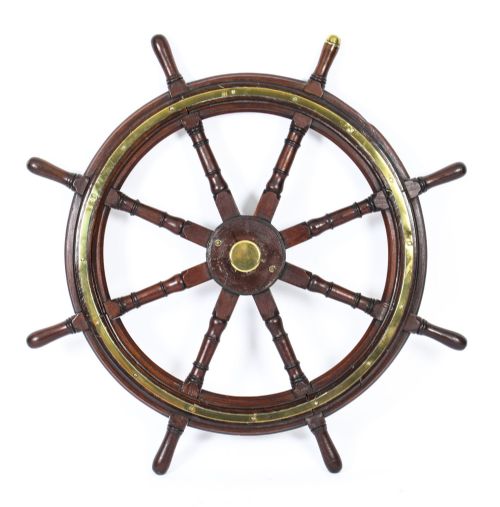

Large Wooden Wheel
A large wooden wheel brings genuine maritime history and robust industrial character into a room.
Large Wooden Wheel
A large wooden wheel connects interior spaces directly to 19th century maritime and agricultural heritage. These substantial objects often take the form of heavy ship wheels fashioned from teak and brass, or agricultural and cart components built from oak and cast iron.
Buyers encountering this selection will find items ranging from nautical helms dated around 1850 to 1890 alongside rustic French shop displays and colonial furniture elements. The variety reflects utilitarian origins repurposed over time for decorative and architectural display.
Most examples originate from the Victorian era and the broader 19th century, carrying the marks of heavy daily use in ships and workshops. Their robust construction ensures they remain striking focal points for modern interiors.
Construction and materials
Makers utilised durable timbers like teak, oak, and mahogany to withstand harsh marine environments and heavy agricultural labour. These woods were often combined with structural iron and brass components to reinforce the spokes and rims against immense strain.
Traditional joinery methods, including pegged joints and metal banding, held the heavy segments together under constant tension. Craftspeople turned the timber on large lathes to shape the handles and rims of ship wheels, while agricultural cart wheels relied on bolted iron tyres for strength.
Large Wooden Wheel Retail Price Guide 2026
Typical asking prices for large wooden wheel among the pieces listed under this phrase on Sellingantiques today, from the lower quarter to the upper quarter. They describe what is for sale here now, not the wider market.
Current listings feature 19th century materials including teak, oak, mahogany, cast iron, and brass across items dated from 1850 to 1920.
Assessing quality and authenticity
Quality rests in the integrity of the original construction and the survival of authentic working surfaces. Pieces retaining their untouched patination and original metal mountings carry greater historical weight than heavily restored alternatives.
The precision of the turned spokes and the quality of the timber selection separate standard utilitarian items from finer examples. Heavier brass detailing and robust teak framing indicate a higher grade of manufacture intended for professional maritime use.
The Large Wooden Wheel Glossary
- Patina
- The surface sheen and colour developed through decades of handling, exposure, and age. This gradual change in the wood and metal distinguishes authentic period pieces from modern reproductions.
- Teak
- A dense, oil-rich tropical hardwood prized for its resistance to moisture and decay. It frequently appears in maritime artefacts due to its exceptional durability at sea.
- Cast iron
- An iron-carbon alloy poured into moulds to create rigid structural elements. Found supporting wooden wheels and reinforcing hubs against heavy loads.
- Cart wheel
- A heavy wooden wheel with an iron tyre designed for agricultural or transport vehicles. These items often find new life as architectural salvage or coffee table bases.
Large Wooden Wheel: Frequently Asked Questions
How do I hang a large wooden wheel on the wall?
Hanging a heavy wooden wheel requires locating structural wall studs and employing heavy-duty steel brackets or steel cable rated for significant weight. Because these objects often combine dense teak and cast iron, secure mounting is essential for safety.
Professional installation ensures the weight distributes evenly across the frame without damaging the historic timber or the wall surface.
Are these wheels waterproof for garden display?
While many pieces originated in demanding maritime or agricultural environments, historical artefacts require care when exposed to modern outdoor weather. Untouched 19th-century timbers can degrade if left unprotected against continuous moisture and frost.
Sheltered garden positions or interior placement will better preserve the original surface patination and prevent the wood from splitting.
How can I date a ship wheel?
Dating relies on examining the construction techniques, timber species, and metal fittings used in the hub and spokes. Earlier 19th-century examples often feature distinct brass boss designs and hand-turned wooden components characteristic of naval workshops.
Comparing the specific spoke count, such as an eight-spoke configuration, alongside known naval hardware styles helps narrow down the manufacturing decade.
What is the best way to clean historic wood?
Maintenance should focus on gentle dusting with a dry cloth rather than wet washing or harsh chemical cleaning. Preserving the accumulated patina protects the historic surface built up over generations of use.
Applying a microcrystalline wax can occasionally nourish dry timber without altering the authentic colour or finish.