




Large Wooden Tray
A large wooden tray brings tactile warmth to a room, offering a sturdy surface shaped from timber and metal over past centuries.
Large Wooden Tray
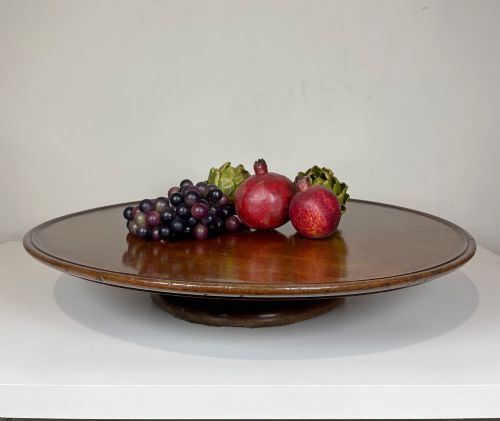
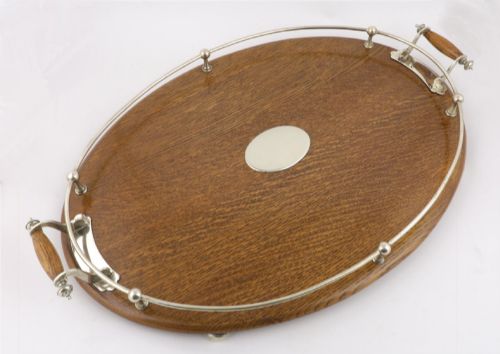
A large wooden tray covers serving pieces, platters, and galleried designs found across the centuries. These utilitarian objects span periods from the Georgian era through to the Edwardian decades.
Mahogany and oak form the backbone of these pieces, alongside ash, pine, and pitch pine. Many incorporate metal mounts, brass details, or silver plate.
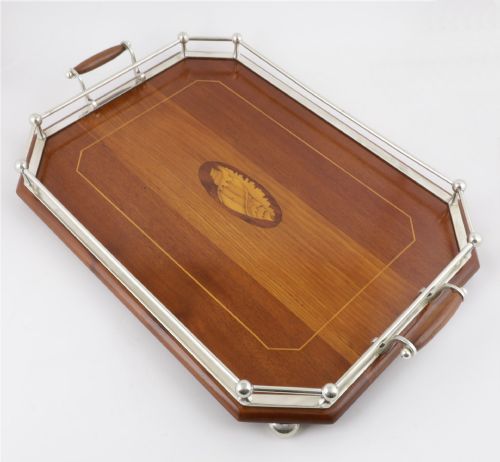
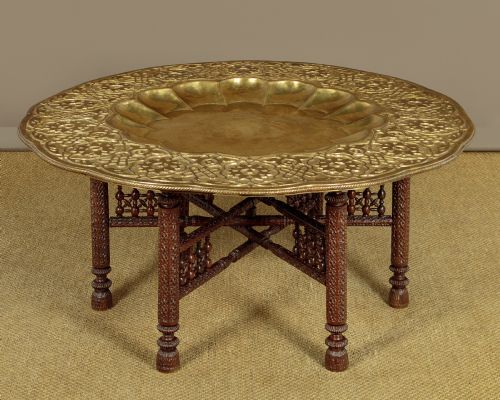
Stylistic influences range from English Country and Victorian to Sheraton Revival, Arts and Crafts, and Anglo-Indian designs. Forms vary from oval serving platters to octagonal gallery trays.
How they were made
Timbers such as mahogany, oak, and ash provide the primary structural body for these pieces, often shaped into solid planks or turned rims. Craftsmen selected woods for grain pattern and durability.
Metal elements, including brass handles, iron fittings, and silver-plated galleries, attach directly to the wooden bases to create raised edges. Inlays and carved details appear on specific surfaces to add decorative contrast.
Large Wooden Tray Retail Price Guide 2026
Typical asking prices for large wooden tray among the pieces listed under this phrase on Sellingantiques today, from the lower quarter to the upper quarter. They describe what is for sale here now, not the wider market.
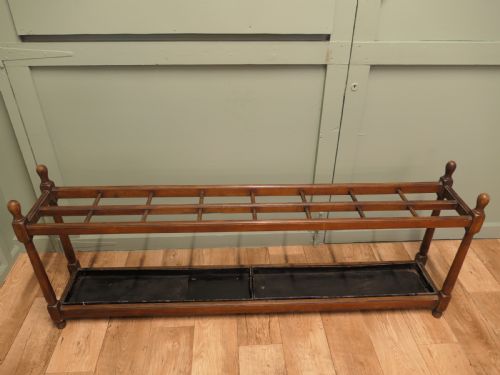
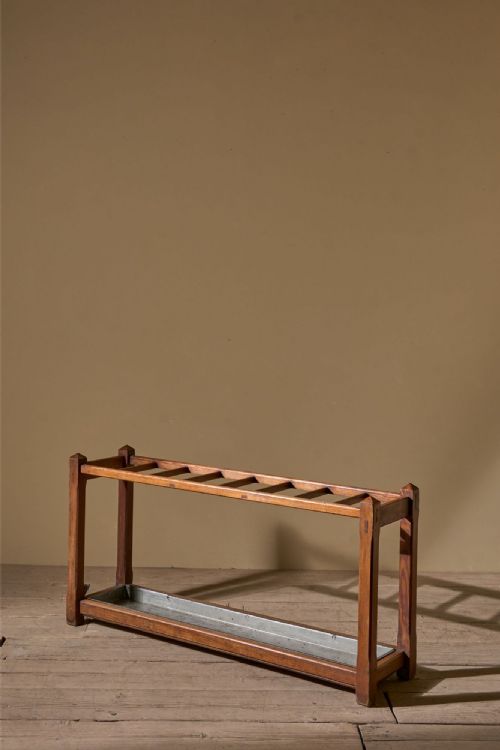
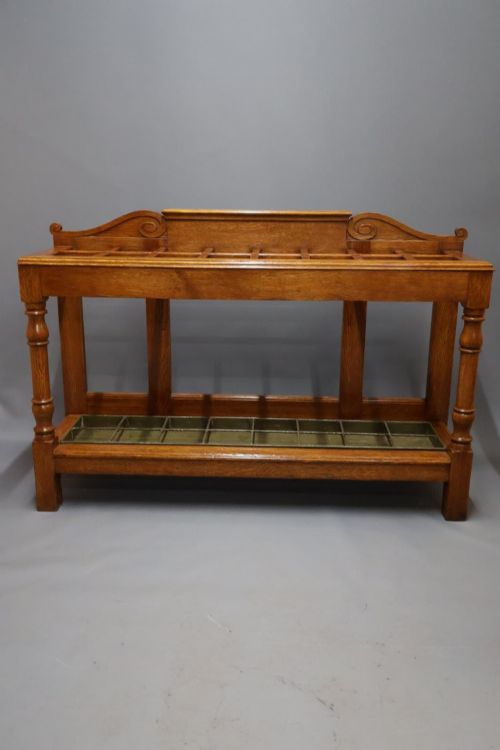
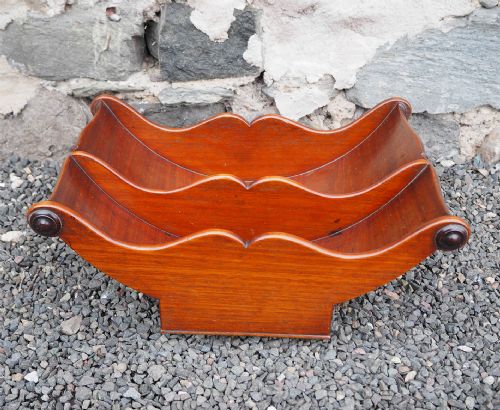
Object types stretch beyond serving pieces to encompass umbrella stands, cheese coasters, and desk accessories.
What varies in quality
The refinement of the timber grain and the precision of joinery define the distinction between standard examples and finer works. Hand-cut dovetails, balanced proportions, and careful timber selection elevate certain pieces.
The integration of materials also sets standards, such as the weight and fastening of a silver-plated gallery or the crispness of shell inlay within the wood. Superior items maintain structural integrity alongside decorative execution.
James Mein of Kelso
The Large Wooden Tray Glossary
- Gallery tray
- A serving tray featuring a raised pierced metal or wooden border around the perimeter. This gallery prevents items from sliding off during transport.
- Treen
- Small handmade wooden items for the home, ranging from platters to bowls. This term applies to utilitarian turned or carved wooden objects.
- Silver plate
- A thin layer of silver fused to a base metal such as copper or nickel. It provides the appearance of solid silver on trays and serving pieces.
- Shisham
- A durable Indian hardwood with a rich grain pattern often utilised for platters and tables. It brings deep natural colouration to oriental pieces.
Large Wooden Tray: Frequently Asked Questions
How were large wooden trays used originally?
These items served primarily for carrying food, beverages, and tableware across dining rooms and country houses. They functioned both in domestic service and formal entertaining.
Over time, many adapted to other interior uses, resting on tables to hold desk accessories or smaller decorative objects.
What woods appear most frequently?
Mahogany and oak dominate the selection, bringing dark reddish tones and strong visible grain to Georgian and Victorian examples. Ash, pine, and pitch pine appear frequently in country house and utility pieces.
Exotic timbers like Shisham also feature within pieces originating from overseas trade and production.
How do I care for a wooden tray?
Keep timber surfaces away from direct heat sources and moisture to prevent warping or splitting. Occasional gentle dusting preserves the natural finish of the wood.
Silver-plated galleries require specific metal polishes used sparingly to avoid contact with the surrounding timber.
How can I tell the period?
Georgian examples often display fine mahogany construction with simple, elegant proportions. Victorian and Edwardian versions frequently introduce mixed materials like silver-plated brass galleries.
Construction marks, tool traces, and timber choice help distinguish between eighteenth-century craftsmanship and later nineteenth-century production.