
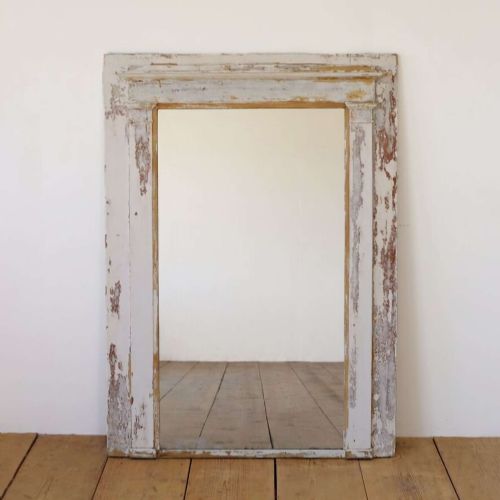
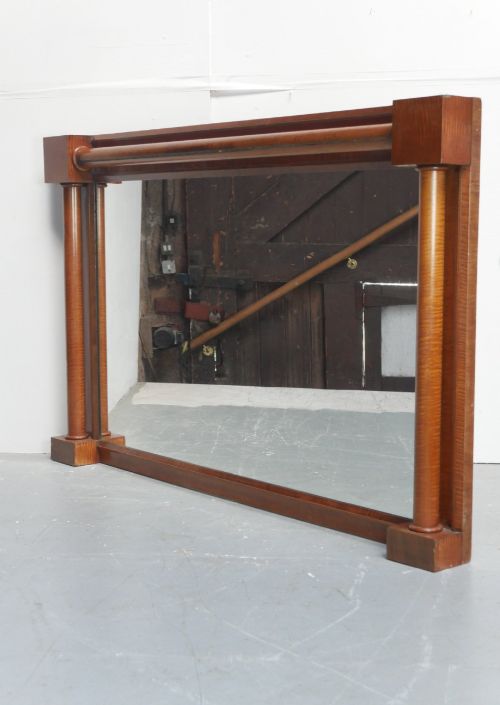
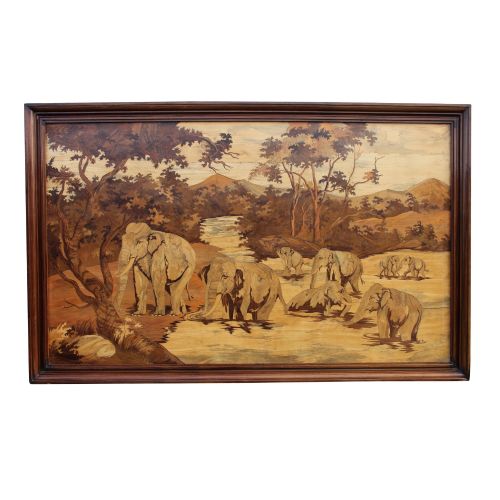
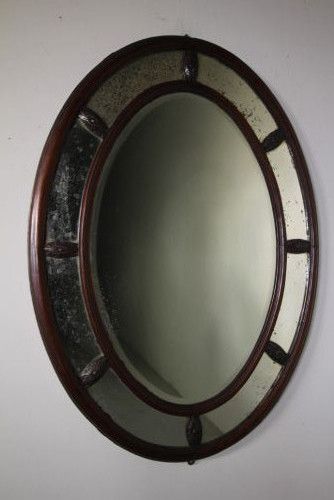

Large Wooden Frame
A large wooden frame holds presence in a room, turning everyday glass or canvas into architecture.
Large Wooden Frame
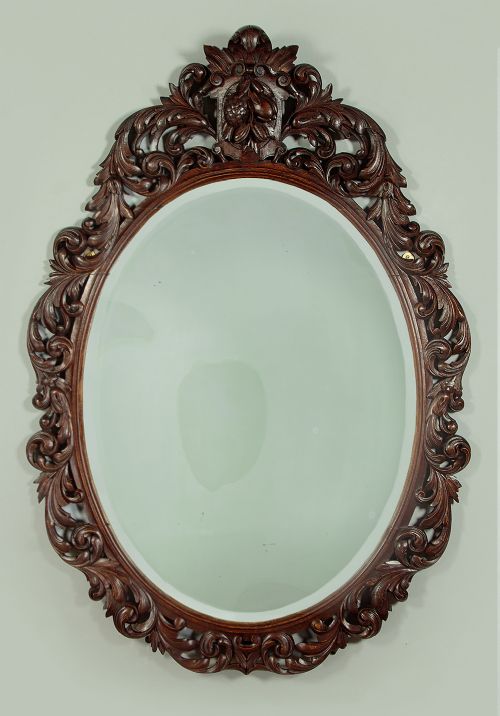
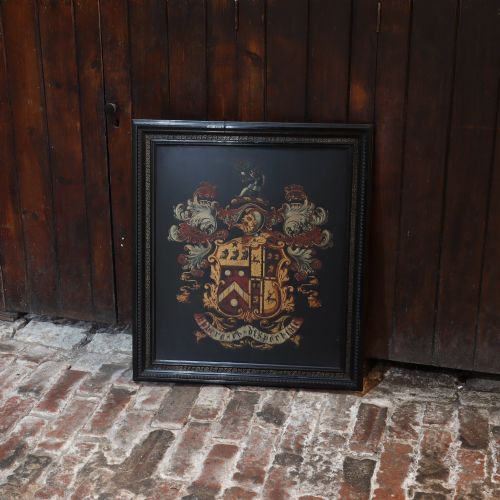
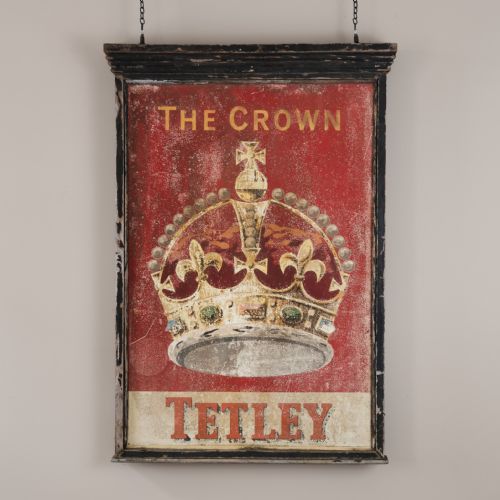
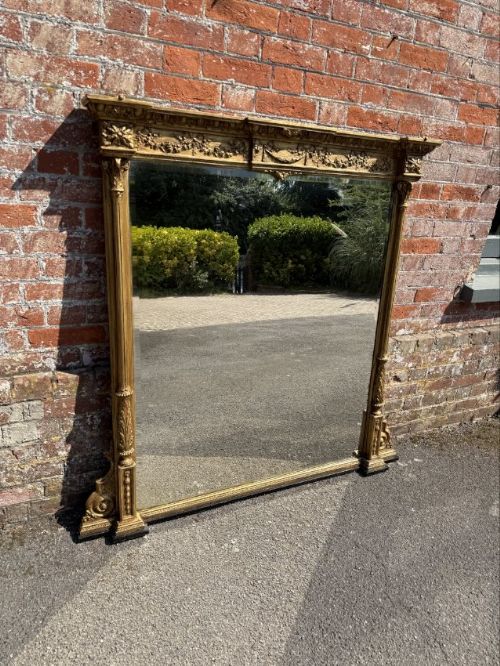
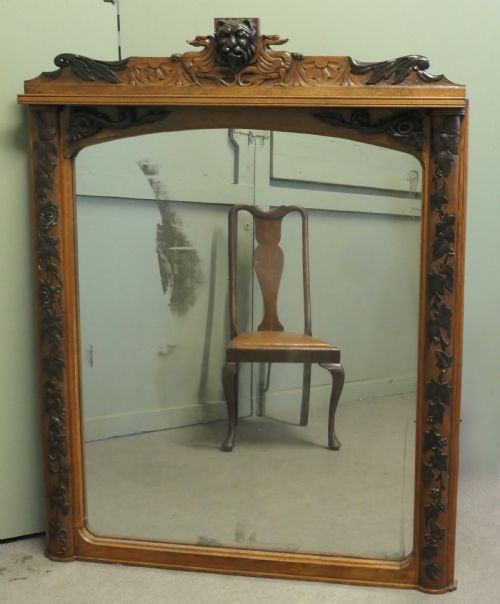
A search for a large wooden frame brings forward substantial surrounds designed to hold mirrors, paintings, panels, or photographs. These pieces emerge from the nineteenth century into the early decades of the twentieth, spanning periods from the Victorian and Edwardian eras back to Regency and Georgian influences.
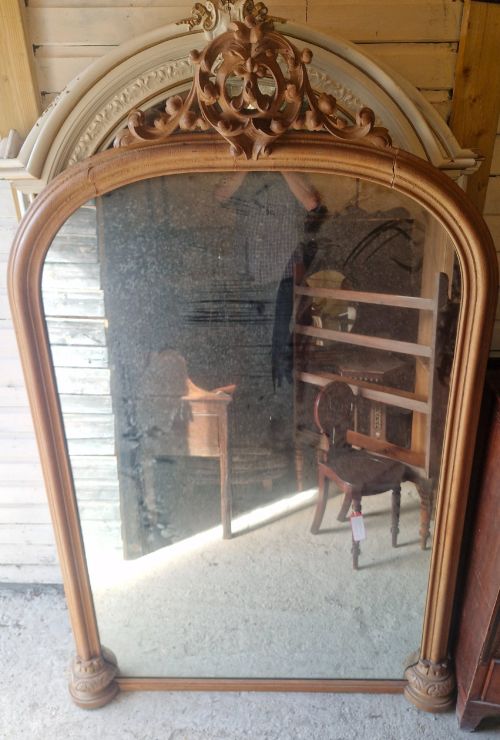
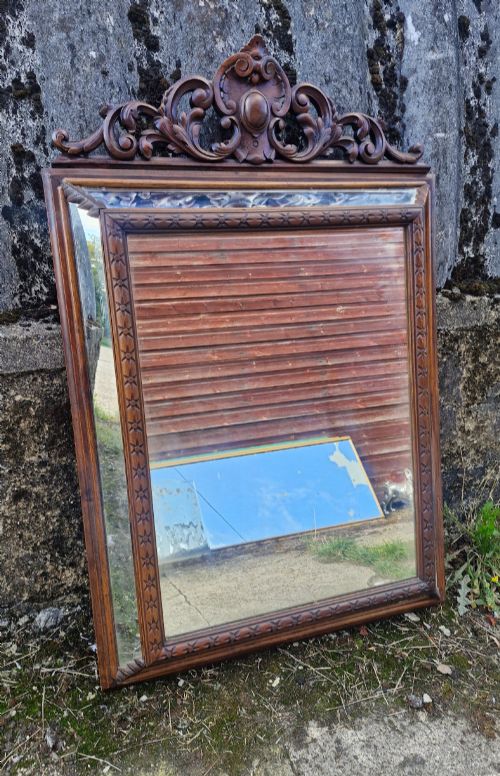
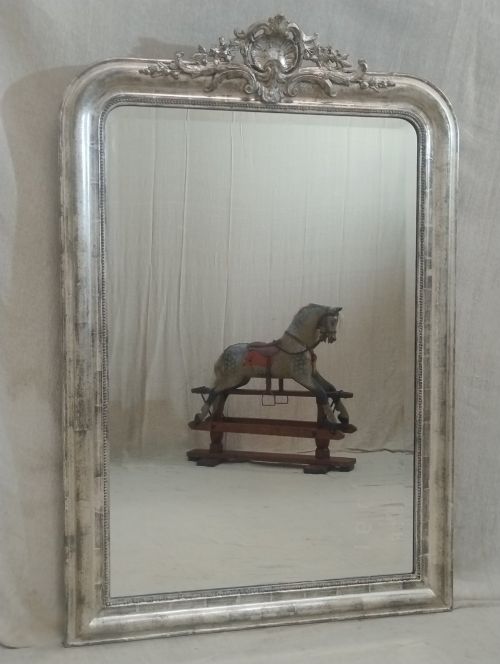
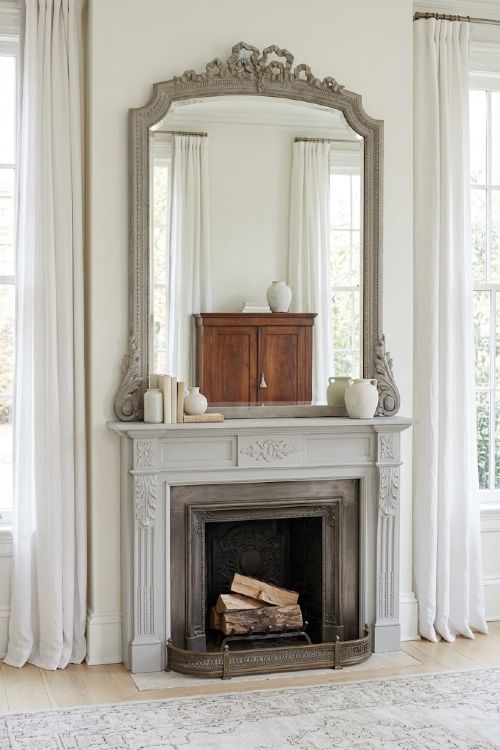
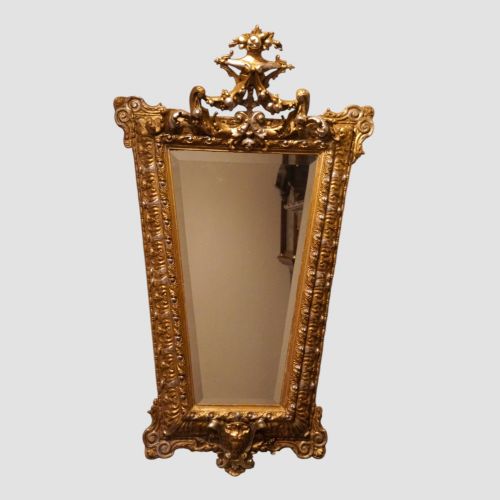
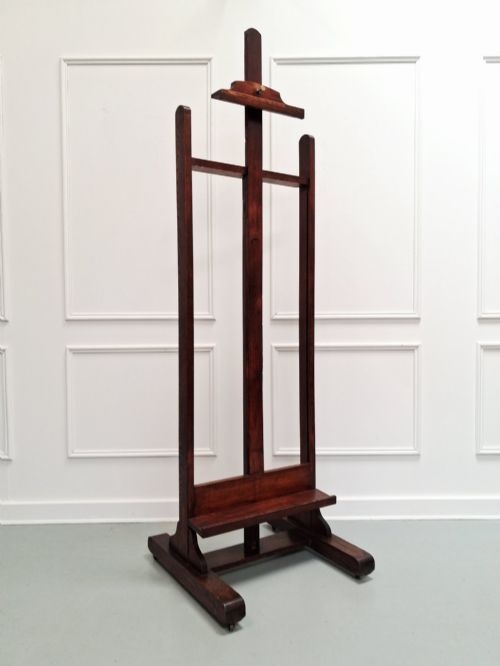
The most common iterations on this page take the form of substantial wall mirrors and overmantels, constructed to anchor a room or sit above a fireplace. Alongside mirrors, the selection includes heavy picture frames, artist studios and display easels, architectural clock cases, carved panels, and large items of furniture incorporating significant timber surrounds.
Origins stretch across English country houses, French provincial workshops, and continental hunting lodges, reflecting regional tastes in carving and timber selection. Pieces range from simple rectangular oak mouldings to elaborate gilt and gesso creations adorned with cresting or fretwork.
Materials and construction methods
Construction relies heavily on dense hardwoods such as oak, mahogany, walnut, and satin birch, chosen for their structural integrity and ability to take deep carving. Pine and other softer timbers appear in internal framing or larger structural elements like harvest tables and bedframes.
Surface decoration frequently involves applied gesso moulded over timber to receive gold leaf, silver gilt, or paint finishes. Carving is executed by hand directly into the wood, while other examples utilise marquetry, fretwork, or inlaid contrasting woods to create pattern.
Some frames carry the quiet proof of past lives, including an oak hunting lodge piece once owned by the King of Bavaria.
Distinctions in standard and execution
Quality rests in the depth and crispness of the hand-carved detail, distinguishing deeply undercut foliage or heraldic motifs from shallow, mechanically cast composition ornament. The choice of timber grain, such as figured mahogany or quarter-sawn oak, dictates the visual weight and richness of the piece.
Integrity of construction separates standard items from superior works, visible in sturdy joinery at the corners and the preservation of original mirror glass, mercury backing, or historic gilding. Frames that retain their original finish without over-restoration hold greater cohesion and character.
The Large Wooden Frame Glossary
- Gesso
- A plaster-like mixture applied to wood surfaces to form a smooth base for gilding or painting. It is often modelled or carved into relief ornamentation.
- Overmantel mirror
- A large mirror designed specifically to hang on the wall directly above a fireplace mantelpiece. These often match the architectural proportions of the chimney breast.
- Giltwood
- Timber that has been coated with a thin layer of gold leaf. This technique creates a luminous surface that catches ambient light in a room.
- Marquetry
- The art of applying pieces of veneer to a structure to form decorative patterns or pictorial designs. It relies on contrasting colours and natural grains of various woods.
- Fretwork
- Openwork ornamentation created by cutting patterns through thin boards of wood. This technique provides a delicate, lace-like border to mirrors and clock cases.
Large Wooden Frame: Frequently Asked Questions
How do I hang a heavy wooden frame safely?
Substantial wooden surrounds require secure wall fixings distributed evenly to support the combined weight of the timber and glass. Heavy mirror frames benefit from steel brackets screwed directly into wall studs or masonry.
Professional mirror hangers utilise split battens or heavy-duty D-rings rated for the specific load. Ensuring the hanging wire or cord matches the weight capacity prevents shifting over time.
How do I clean antique gilt and wood?
Dusting requires a soft, dry ostrich feather brush or a clean microfibre cloth used gently across carved recesses. Moisture can damage historic gesso and water gilding.
Chemical cleaners and abrasive cloths must be avoided entirely to preserve the original patina and leaf. Professional conservators should handle any lifting gilt or ingrained grime.
Are these mirrors original to the nineteenth century?
Many pieces retain their original mercury glass or early plate glass, which displays characteristic soft oxidation and tiny dark speckling. Examining the rear boards and joining pegs helps confirm the age of the structure.
Replacement glass occasionally appears in frames that have survived centuries of use. The timber frame itself remains the primary indicator of period and manufacture.
Where should I place an overmantel mirror?
Positioning an overmantel directly above a fireplace anchors the room and reflects light back into the space. This placement follows traditional interior layouts found in period homes.
Large frames also function effectively on blank dining room walls or above low sideboards. Ensuring the scale matches the surrounding furniture creates visual balance.