




Large Wooden Bed
A large wooden bed anchors a room with undeniable presence, offering substantial scale and enduring craftsmanship from the eighteenth, nineteenth, and early twentieth centuries.
Large Wooden Bed
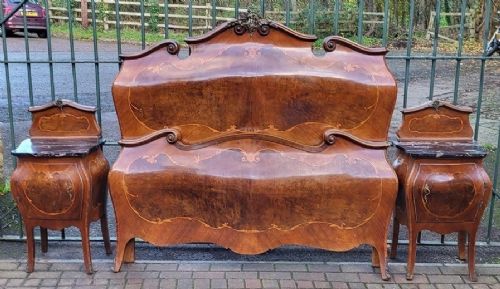
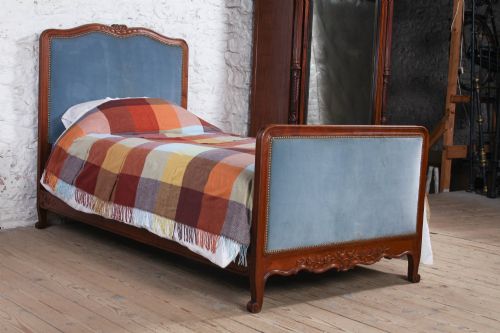
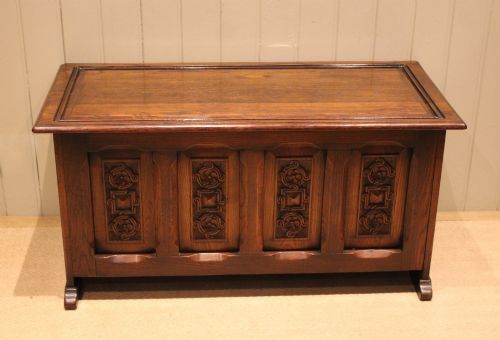
When you search for a large wooden bed, you encounter substantial sleeping furniture and related storage pieces created across several distinct historical periods. The selection spans nineteenth-century French chateau designs, Edwardian satinwood bedsteads, and robust oak coffers that share timber construction.
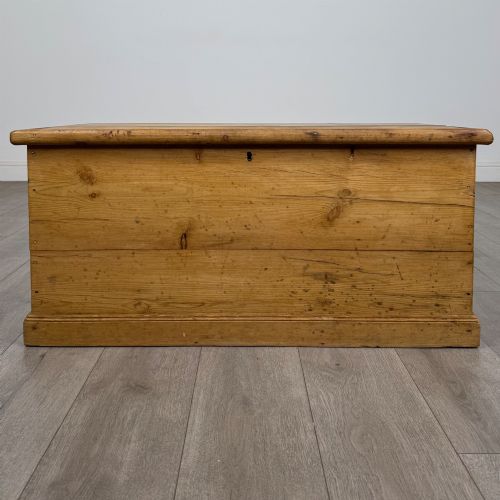
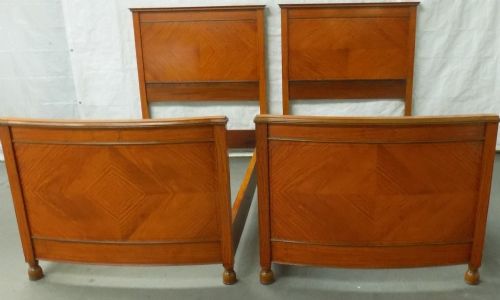
You are most likely to meet pieces originating from the Victorian era alongside twentieth-century French painted or walnut examples. These range from grand superking and emperor dimensions to pairs of single bedsteads and associated blanket boxes.
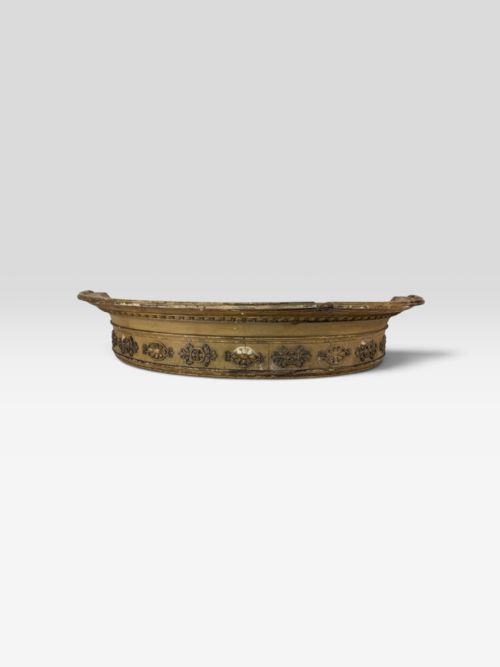
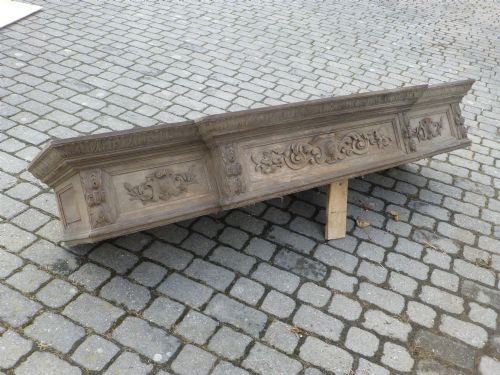
The category extends beyond standard sleeping frames to encompass carved oak bed canopies, architectural pelmets, and ceremonial items. Each piece reflects the domestic requirements and woodworking skills of its specific period of origin.
How they were made
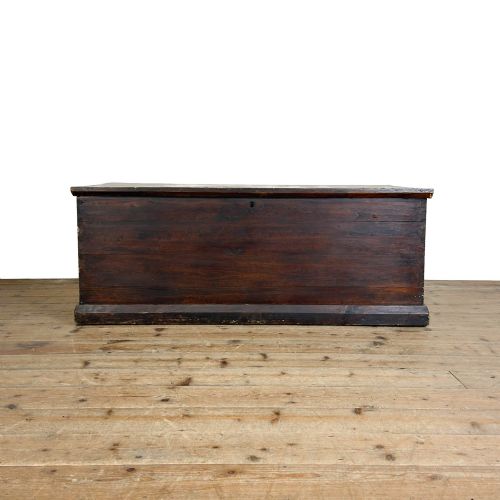
Makers utilised solid timbers such as oak, pine, walnut, fruitwood, and mahogany to construct these substantial frames and chests. Selected hardwoods provided structural integrity for large proportions, while softer woods like pine served for utilitarian blanket boxes.
Construction techniques involve hand carving, parquetry, and architectural framing, particularly evident on French Renaissance revival and Jacobean style pieces. Surface finishes range from stained and polished natural grain to painted treatments and inlaid satinwood details.
Large Wooden Bed Retail Price Guide 2026
Typical asking prices for large wooden bed among the pieces listed under this phrase on Sellingantiques today, from the lower quarter to the upper quarter. They describe what is for sale here now, not the wider market.
One listed piece serves a dual purpose as a ceremonial bed or a coffee table, proving historical furniture adapts to modern living.
What varies in quality
The distinction between tiers of quality rests upon the depth of hand carving and the selection of timber figures. Superior examples display crisp architectural mouldings, well-executed parquetry, and integrated proportions that elevate utilitarian furniture into statement pieces.
Secondary elements such as original side handles, structural solidity in large frames, and the preservation of authentic surface finishes dictate the standing of individual items. Pieces retaining their original configuration demonstrate higher integrity than altered items.
The Large Wooden Bed Glossary
- Cofer
- A traditional large wooden chest used historically for storing valuables and household goods. These often feature solid oak construction and hinged lids.
- Bedstead
- The framework of a bed supporting the mattress and springs. In older pieces, this typically incorporates decorative headboards and footboards in walnut, pine, or oak.
- Parquetry
- A geometric mosaic of wood pieces used for decorative effect on furniture surfaces. This technique appears on fine single bed frames.
- Pelmet
- A framework placed above a window or bed to conceal fixtures and support drapery. Architectural examples in wood often match the style of larger chamber furnishings.
- Satinwood
- A durable timber yielding a lustrous, satin-like finish used for high-quality Edwardian inlays and furniture decoration.
Large Wooden Bed: Frequently Asked Questions
How do I choose the right size?
Consider the scale of your room alongside the dimensions of the bed frame, noting that historical sizes like emperor and superking require generous floor space. Measure access routes through doorways and stairwells to ensure large wooden components can be delivered safely.
Account for associated furniture such as blanket boxes or side tables that often accompany these substantial sleeping frames. Matching the proportions of the bed to the height of your ceilings maintains visual balance in the room.
Are these beds suitable for daily use?
Many historical wooden bed frames accommodate modern mattresses with appropriate slat systems or structural adaptation. Solid timber construction provides the necessary strength for regular domestic service.
Consult the specific description of each frame to understand its construction and whether modern support bases integrate easily. Proper assembly ensures stability over years of daily habitation.
How do I care for antique wood?
Maintain stable humidity and temperature in your bedroom to prevent timber from splitting or warping over time. Dust regularly with a dry cloth and apply appropriate natural waxes periodically to nourish the polished surface.
Avoid placing wooden furniture directly against heating radiators or in strong direct sunlight. Gentle cleaning preserves the patina accumulated across centuries of existence.
How do I identify different periods?
Examine the timber selection, joinery methods, and decorative motifs to determine the era of manufacture. Victorian and Edwardian pieces often display machine-assisted precision alongside hand finishing, while earlier oak pieces show pegged joints and hand adzing.
Stylistic revivals such as French Renaissance or Jacobean styles borrow motifs from earlier centuries but utilise nineteenth or twentieth-century construction techniques. Comparing hardware and surface wear helps confirm the age of the piece.