


Large Wall Sconce
A large wall sconce commands attention in a room, combining architectural presence with functional illumination from centuries past.
Large Wall Sconce
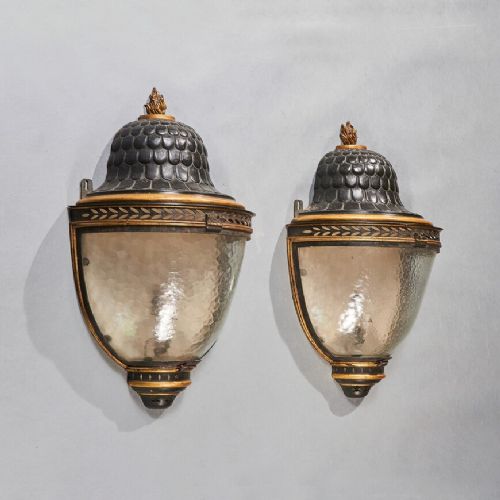
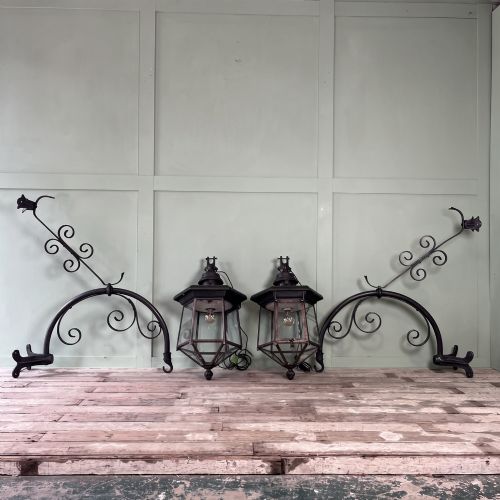
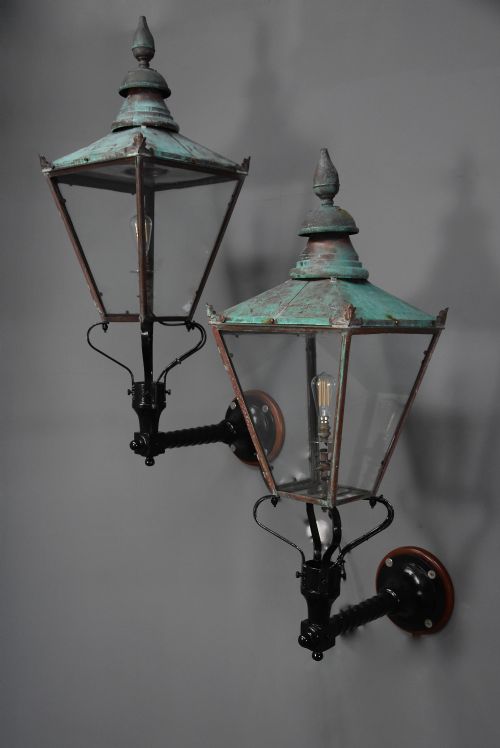
A large wall sconce serves as both a primary light source and a commanding decorative element mounted directly onto vertical surfaces. When searching this phrase, buyers encounter substantial fixtures designed to project light outward into high-ceilinged or expansive interior spaces. The selection ranges from multi-branched candelabra fittings to enclosed glass lanterns intended for both indoor galleries and exterior facades.
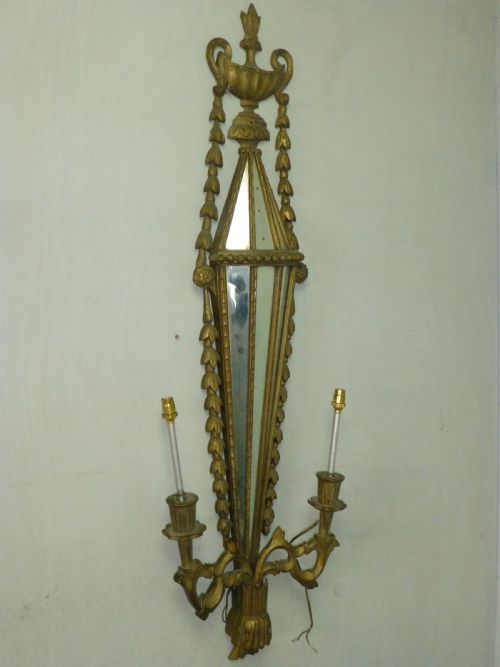
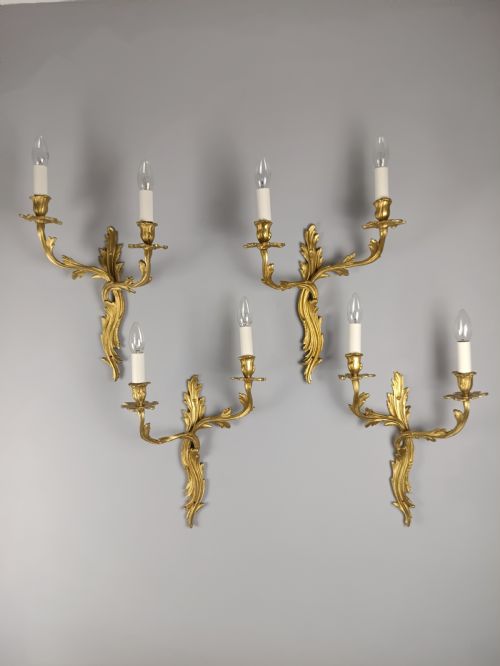
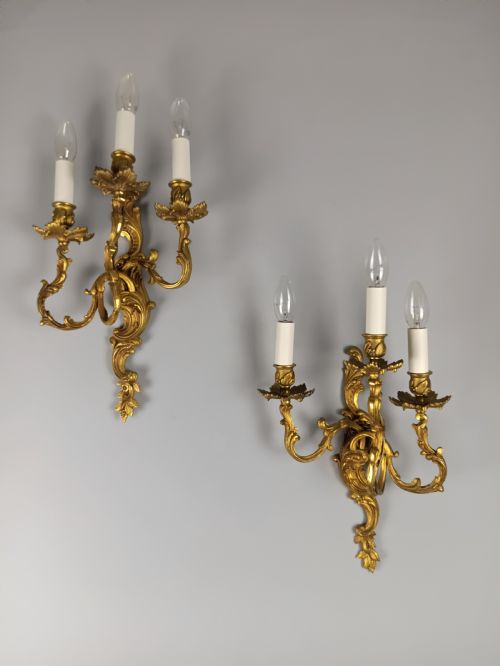
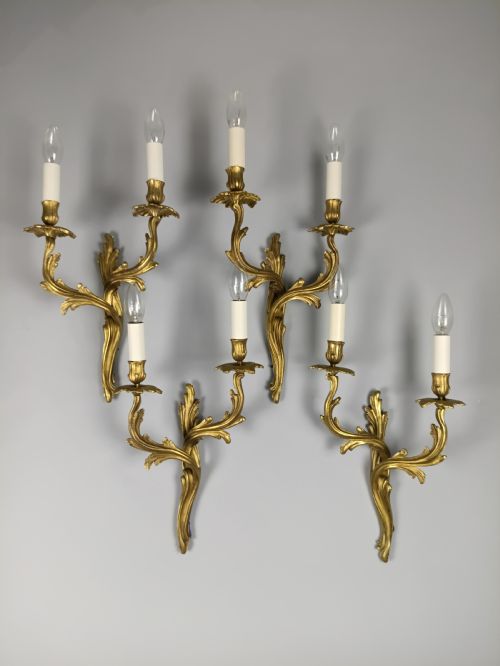
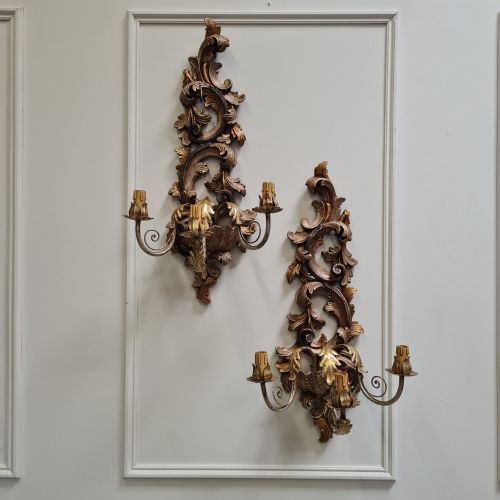
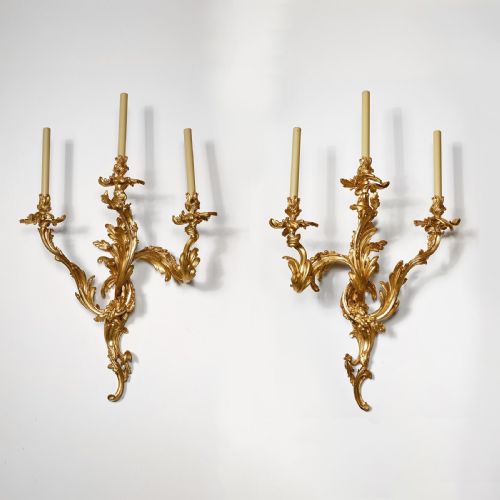
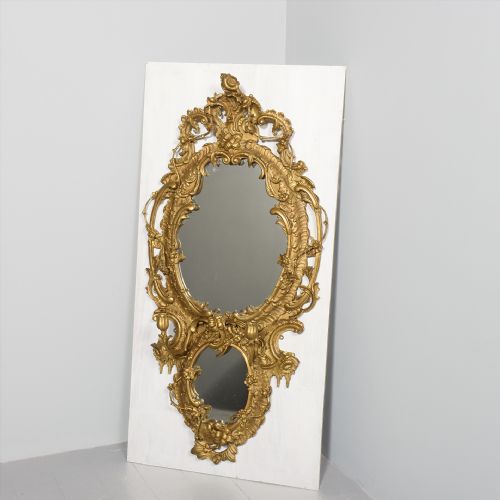
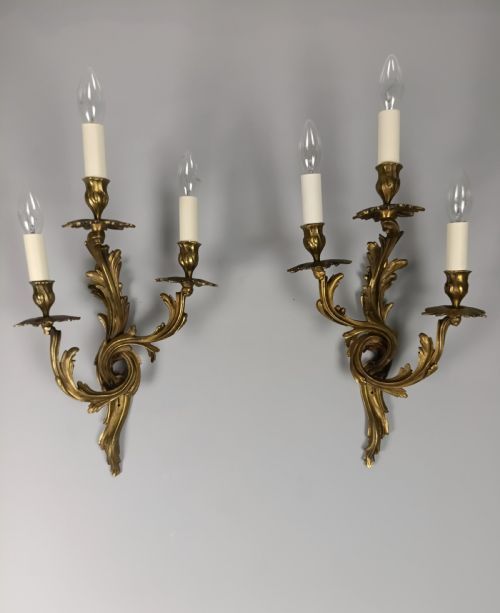
The versions most frequently met on this page originate from nineteenth- and early twentieth-century French workshops, heavily influenced by Rococo and Neoclassical design vocabularies. These pieces commonly feature gilded bronze, carved wood, or cast brass arms designed to hold multiple candles or electric bulbs. Alongside traditional candle and light brackets, the inventory includes mirrored wall sconces and girandoles that reflect and multiply the ambient illumination within a room.
How They Were Made
Foundry casting formed the foundation for metal fixtures, utilising brass, bronze, and ormolu shaped into complex armatures and ornate backplates. Artisans chased these metal surfaces by hand to sharpen floral motifs, scrollwork, and figurative details after removal from the mould.
Carved wooden fixtures relied on seasoned timbers such as walnut, oak, and pine, which were shaped with gouges and chisels before receiving layers of gesso, paint, or gold leaf. Glass components, including Murano drops and moulded shades, were worked while molten by skilled blowers to achieve specific opacities and forms.
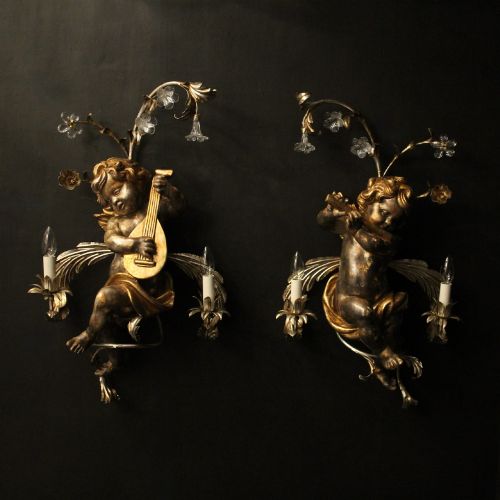
Several pieces incorporate cheerful carved cherubs peering out from the arms to hold the light.
What Varies in Quality
The distinction between standard production and exceptional work lies primarily in the crispness of the chasing and the depth of the carving. Superior bronze and brass castings retain sharp undercuts and refined anatomical details on figures like cherubs, whereas lesser examples appear soft and indistinct.
Surface preparation dictates the longevity and visual resonance of gilded and painted finishes. Fine pieces display multiple well-applied layers of gold leaf over carefully smoothed gesso, while lower tiers show hasty application that obscures the underlying hand-carved grain.
REVO Leicester·Florrie Jones
The Large Wall Sconce Glossary
- Ormolu
- Gilded bronze produced by applying a mercury and gold amalgam to a bronze base and heating it until the mercury vaporised, leaving a durable gold coating. This technique creates a warm, deep lustre characteristic of high-end eighteenth- and nineteenth-century lighting.
- Girandole
- A decorative wall bracket featuring a mirror backplate that reflects the light cast by attached candles or lamps. The reflective glass amplifies the illumination and serves as a decorative focal point.
- Gesso
- A plaster mixture applied to carved wooden sconces to create a smooth surface for gilding or painting. It allows intricate relief work to hold crisp edges.
- Appliqué
- A French term frequently used interchangeably with a wall sconce or decorative wall-mounted light bracket. It denotes a fixture applied directly to the wall surface rather than standing free.
- Tole Peinte
- Painted sheet metal used to form the bodies and shades of decorative lanterns and sconces. It permits vibrant coloration and hand-painted botanical or abstract motifs.
Large Wall Sconce: Frequently Asked Questions
How do I wire an antique sconce?
Many vintage and antique fixtures arrive already rewired for modern electrical standards by professional restorers. When unwired versions are acquired, a qualified electrician must channel internal wiring through the existing hollow arms and backplates to preserve the structural integrity of the metal or wood.
Careful placement of internal insulating materials ensures that heat from modern bulbs does not damage historic components. Wall mounting requires heavy-duty fixings anchored securely into masonry or wooden studs to support the substantial weight of cast metal and carved timber frames.
Were these originally for candles or gas?
The lighting medium depends entirely on the period of manufacture, with eighteenth- and early nineteenth-century pieces designed strictly for wax candles or oil. Later nineteenth-century examples occasionally show adaptations for gas lighting before the widespread adoption of electricity around the turn of the twentieth century.
Examining the internal drip pans and nozzle sockets often reveals evidence of these transitional fuel systems. Sconces from the 1920s and 1930s were frequently manufactured from the outset to accommodate electric wiring.
How high should I mount a wall sconce?
Standard interior design practice places the centre of a wall sconce approximately eye level, roughly fifteen hundred millimetres from the floor. This height prevents glare from the exposed bulbs or candles and positions the decorative backplate effectively within the room's vertical space.
When positioning fixtures flanking a mirror, fireplace, or doorway, symmetry and proportional clearance take precedence over strict height measurements. Exterior lanterns require placement high enough to clear door swings while providing adequate downward illumination for thresholds.
How do I clean gilded bronze and wood?
Maintenance requires gentle dusting with a soft, dry brush to prevent abrasive particles from scratching delicate gold leaf or patinated bronze surfaces. Moisture and chemical cleaning agents must be avoided, as they strip water-soluble gesso and degrade historical finishes.
If deeper cleaning is necessary, professional conservation methods should be employed rather than commercial metal polishes. Polishing compounds will strip away the remaining traces of original gilding and ormolu.