




Large Vintage Tapestry
A large vintage tapestry brings warmth, texture, and centuries of narrative skill into a room through woven wool, silk, and cotton.
Large Vintage Tapestry
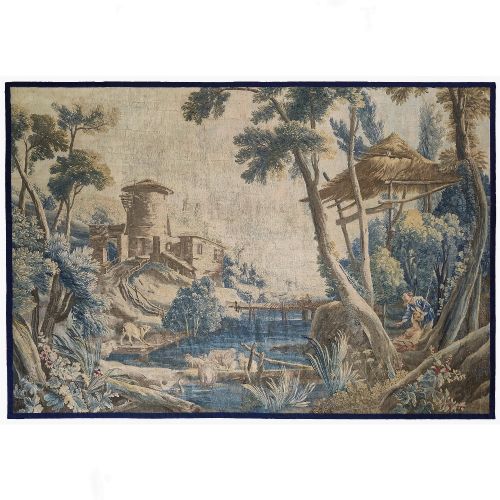
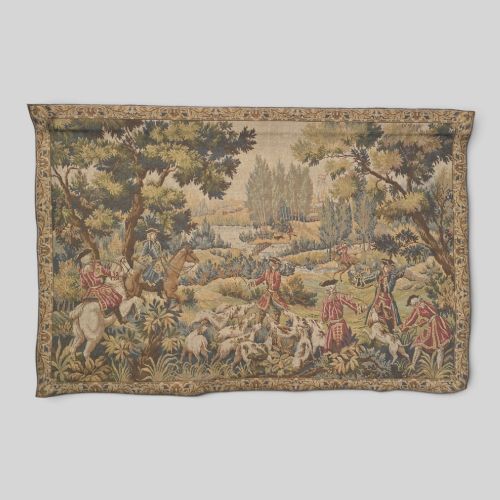
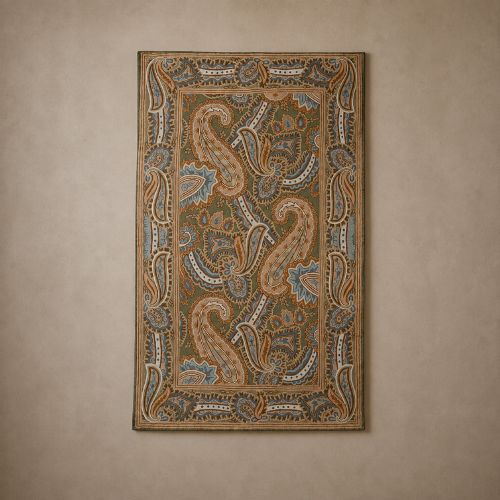
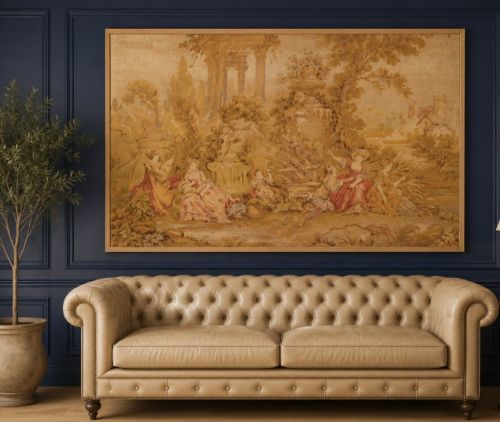
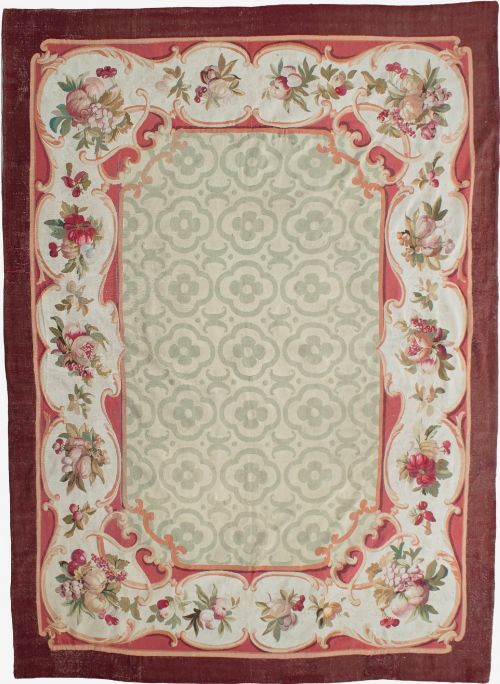
A large vintage tapestry covers diverse textile forms, from framed French wall panels and woven carpets to embroidered panels and heavy wool blankets. Buyers searching this phrase most frequently encounter nineteenth-century European wall hangings, floral Aubusson pieces, and twentieth-century decorative textiles.
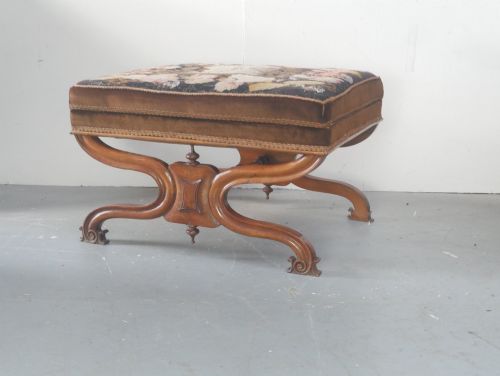
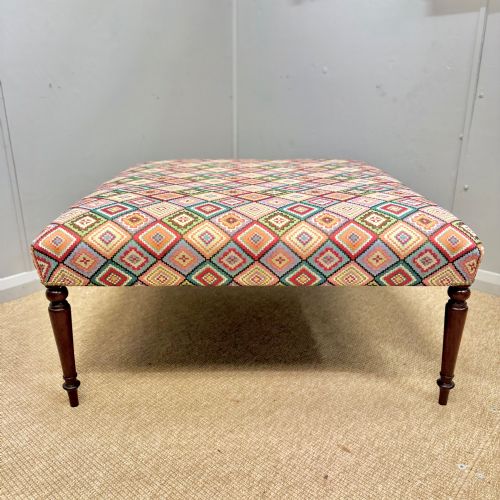
The selections span distinct periods, including Victorian creations, Edwardian works, and revivalist pieces drawing on eighteenth-century styles. These textiles function equally as wall art, floor coverings, or heavy upholstery on footstools and armchairs.
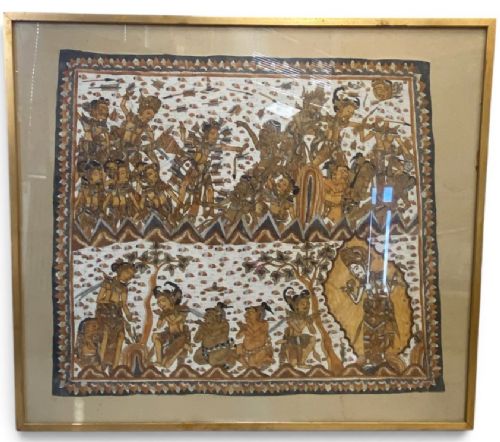
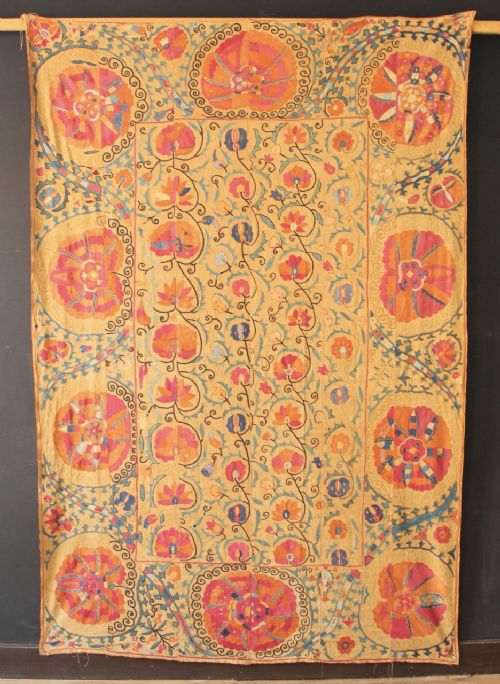
Geographic origins vary widely across the inventory, ranging from French chateau workshops and Scottish baronial items to Central Asian Suzanis and Indian temple paintings. Each object reflects the decorative tastes and textile traditions of its specific region and era.
Materials and construction methods
Makers utilised natural fibres such as wool, cotton, and silk, frequently combining them with metal threads to create rich surface textures and subtle light reflection. These textiles often incorporate substantial backing materials or wooden stretcher frames to support heavy woven areas.
Underpinning structures utilise sturdy timbers including walnut, oak, mahogany, pine, and giltwood, particularly when the textile forms part of a heavy storage chest, room divider, or open armchair. Brass fittings and velvet trim occasionally accent the main textile components.
Large Vintage Tapestry Retail Price Guide 2026
Typical asking prices for large vintage tapestry among the pieces listed under this phrase on Sellingantiques today, from the lower quarter to the upper quarter. They describe what is for sale here now, not the wider market.
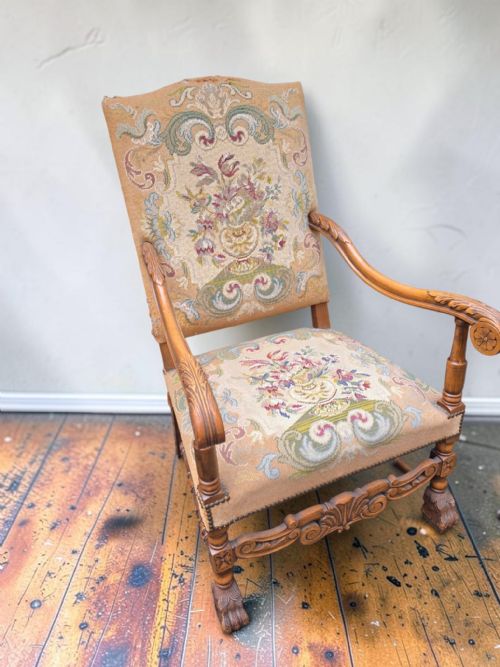
Several armchairs on this page wear their tapestries so proudly they outlasted the original stuffing.
Distinctions in craftsmanship and materials
Quality separates through the density of the weave, the complexity of the pictorial design, and the survival of the original fibres without extensive modern intervention. Finer examples display meticulous colour blending and securely anchored threads that maintain structural integrity across large expanses.
The underlying support materials also dictate overall standards, distinguishing sturdy period frames and dense secondary textiles from more fragile or hastily assembled mountings. Superior pieces balance artistic composition with robust physical construction that endures centuries of display.
Hallett & Sons
The Large Vintage Tapestry Glossary
- Aubusson
- A traditional French style of woven tapestry or carpet, originating from the town of Aubusson, typically featuring pastoral scenes or floral motifs. These pieces often employ muted pastel tones alongside deep earthy shades.
- Crewelwork
- A type of embroidery utilising wool yarn on a heavy fabric ground, commonly seen on antique wall hangings and panels. This technique creates raised, tactile patterns with notable depth.
- Suzani
- A type of embroidered tribal textile originating from Central Asia, traditionally made with silk or cotton threads on a cotton foundation. They frequently display bold geometric or floral medallion designs.
- Tapisserie
- The French term for tapestry, frequently used to describe woven wall panels produced in European workshops during the nineteenth and early twentieth centuries. These items rely on complex warp and weft interlacings to build pictorial scenes.
- Needlework
- A broad term covering various forms of decorative stitching executed by hand on a canvas or fabric mesh base, often applied to upholstery and footstools. This method differs from loom weaving by building stitches over an existing ground fabric.
Large Vintage Tapestry: Frequently Asked Questions
How do I hang a large tapestry safely?
Heavy wall textiles require even weight distribution across a custom wooden batten or a concealed metal rod rather than a single fixing point. This prevents localized stretching and protects the integrity of the vintage fibres over time.
Professional mounting also ensures the textile hangs flat against the wall without placing undue strain on the upper edge or any integrated lining fabrics.
Were these textiles made for walls or floors?
Makers produced these large textile works for multiple purposes, including architectural wall insulation, formal reception room decoration, and heavy floor coverings. Aubusson pieces and kilims typically served as carpets, while crewelwork panels and framed works functioned as wall art.
Examining the backing materials and wear patterns often reveals whether a specific piece spent its history underfoot or mounted upright in a country house.
How do I clean an antique textile panel?
Routine maintenance should be limited to gentle surface dusting with a soft brush or low-suction vacuum applied through a protective mesh screen. Direct washing or aggressive mechanical cleaning risks shrinking or dissolving fragile historical threads.
Specialist textile conservators should handle any deep cleaning or stain removal to prevent permanent damage to delicate silk, wool, and cotton fibres.
What is the difference between a rug and a wall tapestry?
Wall tapestries and decorative carpets utilise distinct weaving structures designed to resist gravity in suspension versus friction on the floor. Tapestries generally feature pictorial narratives or floral panels intended for eye-level viewing, possessing lighter warp tensions than heavy floor rugs.
Some large pieces cross these categories, serving flexibly as both wall hangings and substantial area coverings depending on the owner's preference.