


Large Vintage Clock
A large vintage clock commands a room, combining practical timekeeping with strong architectural presence across periods from the nineteenth century onward.
Large Vintage Clock
A large vintage clock serves as a focal point in domestic and commercial interiors, spanning wall-mounted timepieces, mantel designs, and carriage models. When searching this phrase, buyers encounter substantial pieces designed to dominate a wall or mantelpiece.
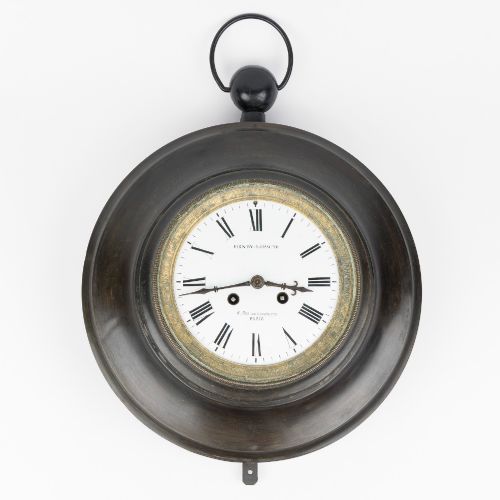
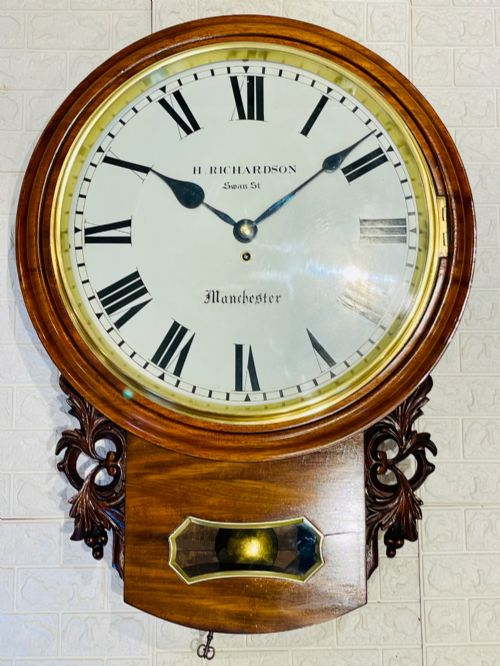
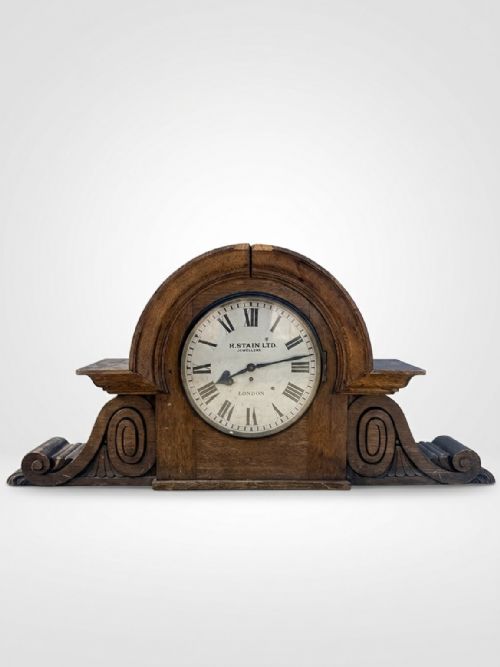
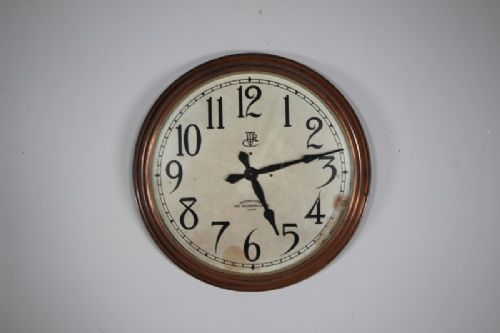
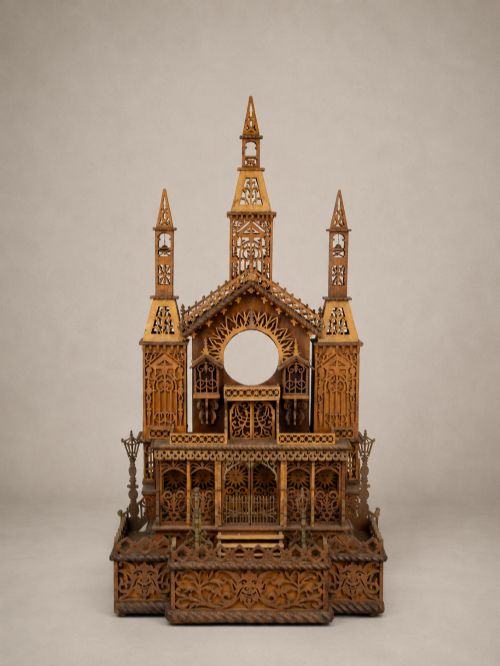
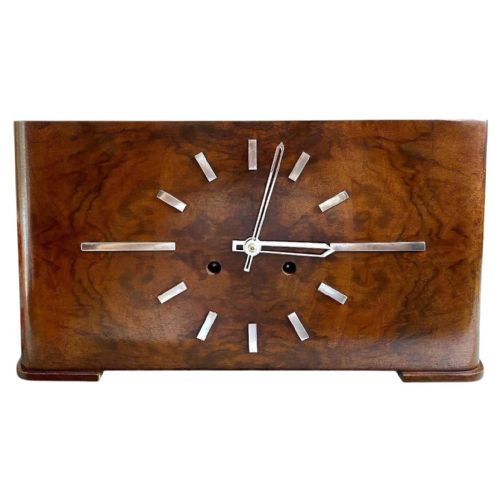
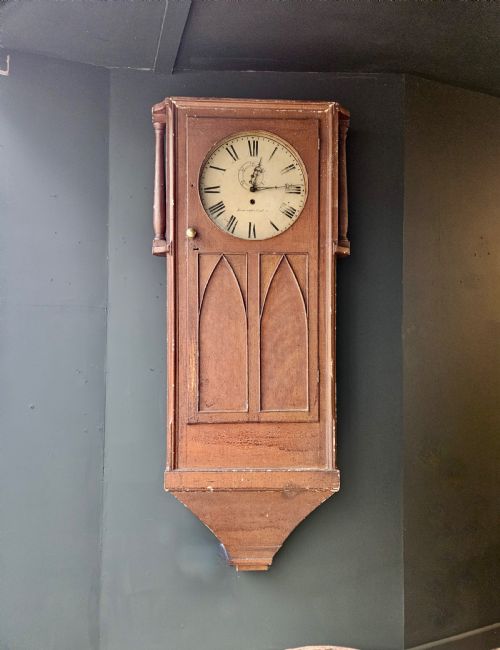
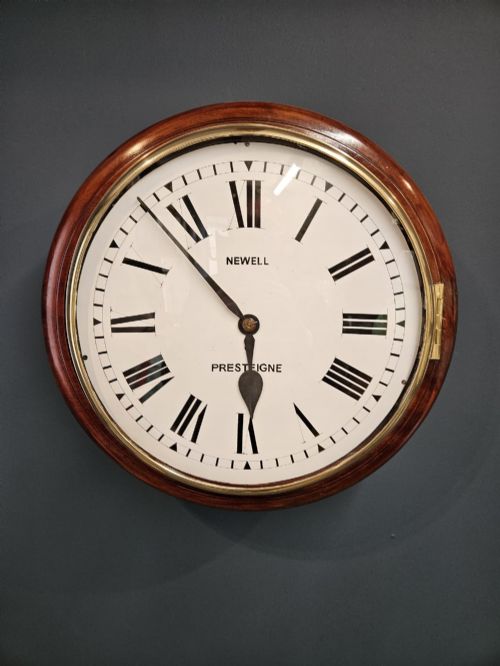
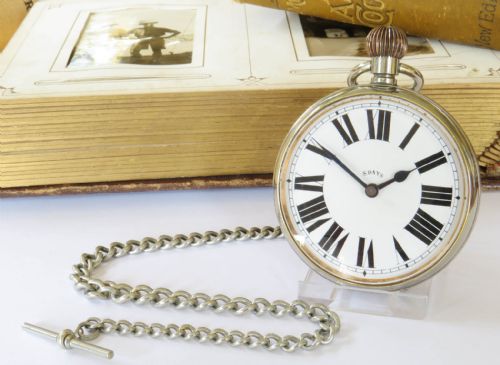
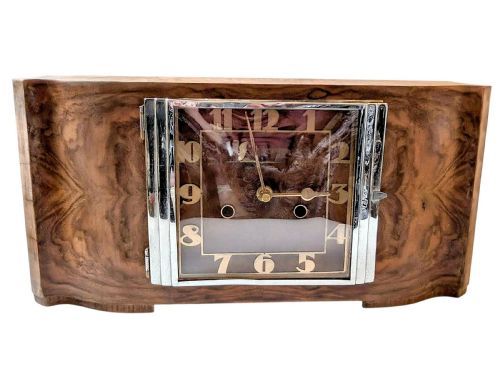
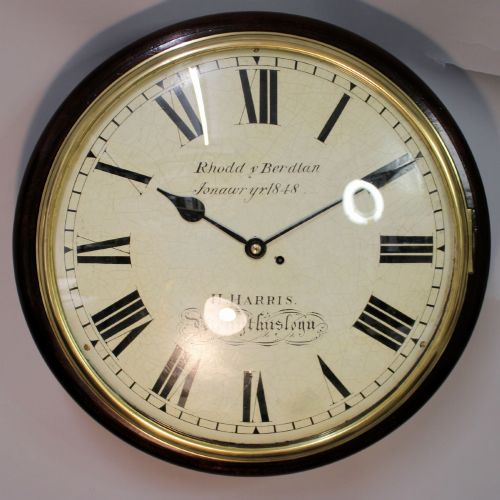
The selection includes drop dial wall clocks, factory timepieces, and heavy mantel clocks originating from Victorian, Edwardian, and Art Deco periods. Forms range from architectural wooden cases to industrial dials and display domes.
Origins vary from English workshops to French makers and Japanese railway stations, offering diverse aesthetic traditions in large-scale timekeeping.
Materials and construction methods
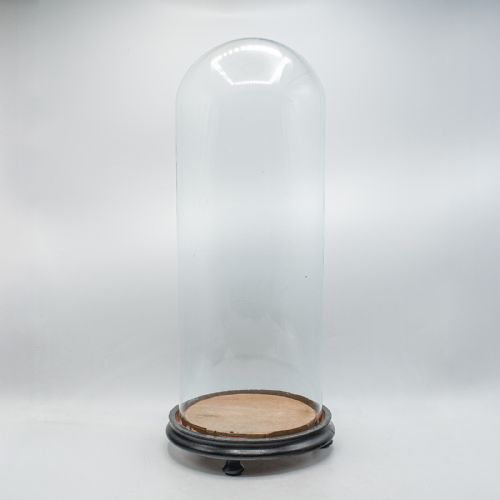
Glass protects delicate dials and mechanisms, particularly in carriage clocks and display domes, while enamel and faux marble create striking visual surfaces on clock faces and surrounds.
Large Vintage Clock Retail Price Guide 2026
Typical asking prices for large vintage clock among the pieces listed under this phrase on Sellingantiques today, from the lower quarter to the upper quarter. They describe what is for sale here now, not the wider market.
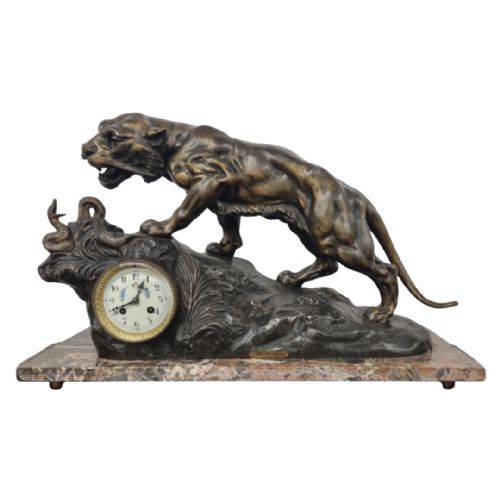
A ferocious brass serpent coiled around a tiger guards the hours on one nineteenth-century mantel clock.
Assessing quality in large timepieces
Quality rests upon the execution of the case work and the refinement of the dial and movement, distinguishing standard production from exceptional craftsmanship. Superior examples display precise inlay, robust mahogany or walnut construction, and clear, well-executed enamel or metal dials.
The integration of signed movements by notable makers elevates a piece, demonstrating superior mechanical reliability and artistic oversight during manufacture.
Henry Lepaute·R Varnier·Henry Harris·Haller·George Orpwood·Joyce Whitchurch·Smiths Clockmakers·L Epee
The Large Vintage Clock Glossary
- Fusee
- A conical pulley connected to the mainspring by a chain or cord, designed to equalise the torque as the spring unwinds. This mechanism ensures consistent timekeeping accuracy across the power reserve.
- Drop dial
- A clock case featuring a circular dial at the top and an extended lower trunk, often used to accommodate a swinging pendulum in wall-mounted timepieces.
- Bracket clock
- A portable spring-driven clock originally designed to sit on a bracket attached to a wall, later placed on shelves or mantelpieces.
- Carriage clock
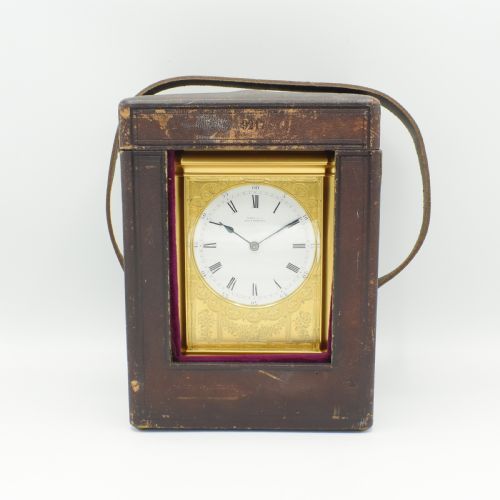
- A small, spring-driven timekeeper equipped with a handle, originally intended for travelling during the nineteenth century.
Large Vintage Clock: Frequently Asked Questions
Where should I hang a large wall clock?
A large wall clock requires a wall with sufficient clearance to balance its visual weight without crowding surrounding furniture. High-ceilinged hallways, kitchens, and living rooms provide ideal proportions for heavy dial and drop dial clocks.
Ensure the wall construction supports the substantial weight of mahogany or oak cases, particularly for fusee wall clocks and heavy factory timepieces.
How do I maintain a vintage clock movement?
Vintage clock movements require regular winding following the specific instructions for fusee or spring-driven mechanisms. Keeping the clock level on a stable wall or mantel ensures the pendulum swings evenly.
Professional servicing every few years keeps the gears clean and prevents wear on brass components.
What is the difference between a mantel clock and a bracket clock?
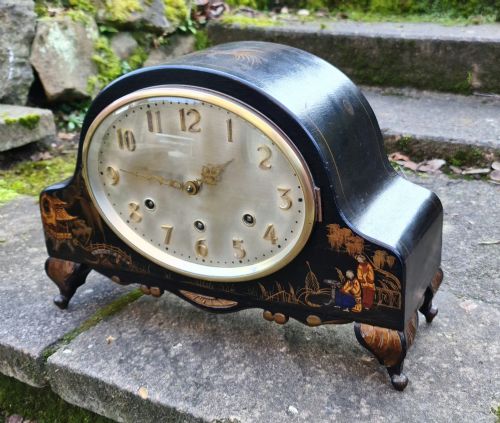
Mantel clocks are designed to sit directly on a fireplace mantel or shelf, featuring varied architectural cases made of wood, metal, or faux marble. They often incorporate striking mechanisms or decorative figures.
Bracket clocks originate from earlier portable designs with carrying handles, typically housed in refined wooden cases with brass inlay.
How do I date an antique clock?
Dating relies on stylistic clues such as the cabinet wood, dial materials, and decorative motifs reflecting Victorian, Edwardian, or Art Deco periods. Inscriptions, maker signatures, and patent marks on the movement or dial offer precise attribution.
Comparing the case construction and brasswork to known pieces helps narrow the decade of manufacture.