
Large Victorian Garden Antiques
Large Victorian garden antiques bring robust cast iron, hand-riveted copper, and weathered terracotta directly into open-air settings to anchor borders and terraces with proper nineteenth-century scale.
Large Victorian Garden Antiques
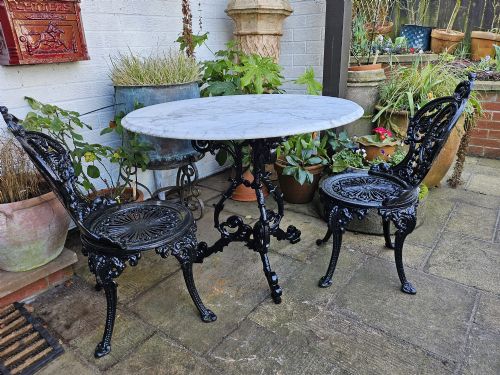
Large Victorian garden antiques comprise heavy metal vessels, sturdy gates, and durable clay containers designed for practical outdoor use during the nineteenth century. Buyers searching for large victorian garden antiques frequently encounter substantial campana urns, riveted copper pots, and estate-made wrought iron gates originating from the 1850s to the end of the century.
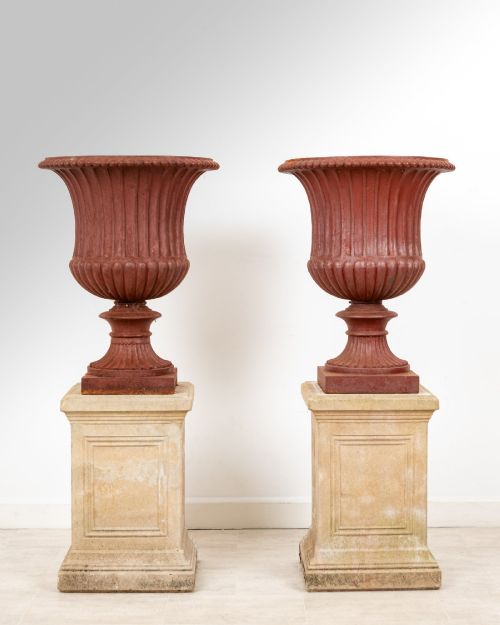
The selection centres on utilitarian forms adapted for planting and boundary marking, including glazed terracotta salting crocks, rhubarb forcers, and cast iron tazza urns. These objects reflect the heavy industrial output and large country house requirements of the period, executed in durable materials meant to withstand constant exposure to the elements.
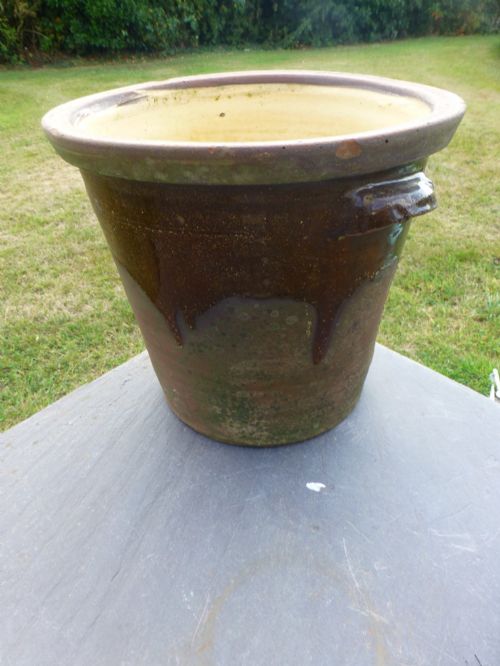
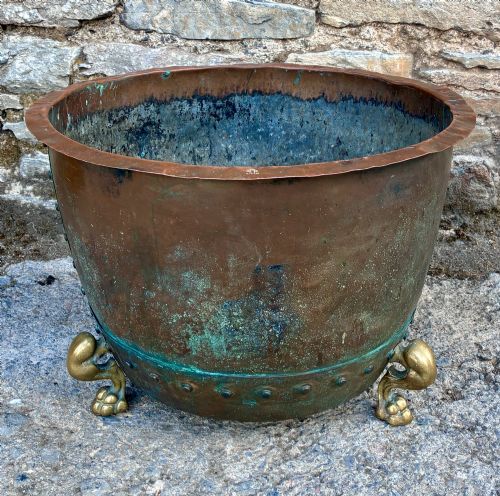
Many items bridge domestic utility and garden display, such as copper wash tubs and log bins repurposed as planters alongside purpose-built architectural salvage. Their substantial presence suits large lawns, conservatory entrances, and walled kitchen gardens where modest ornaments would lose their visual impact.
Materials and construction
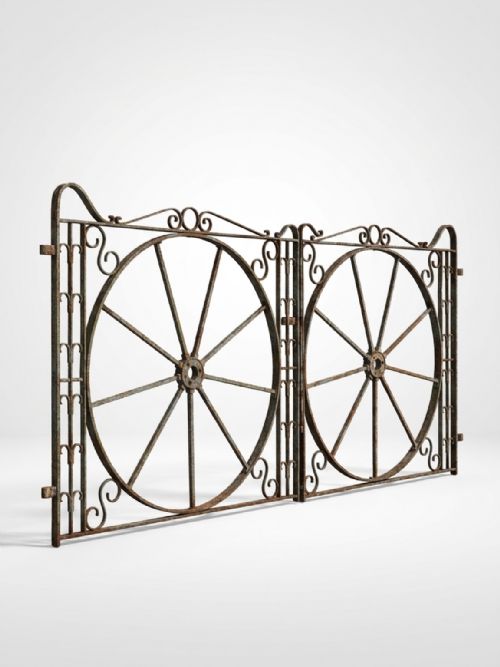
Foundries produced cast iron urns, boot scrapers, and tazza vessels using sand moulds, resulting in thick walls and crisp classical detailing that weathered into deep patinas. Wrought iron gates and strapwork were hand-forged by blacksmiths, relying on lap joints and riveted connections to achieve structural rigidity across long spans.
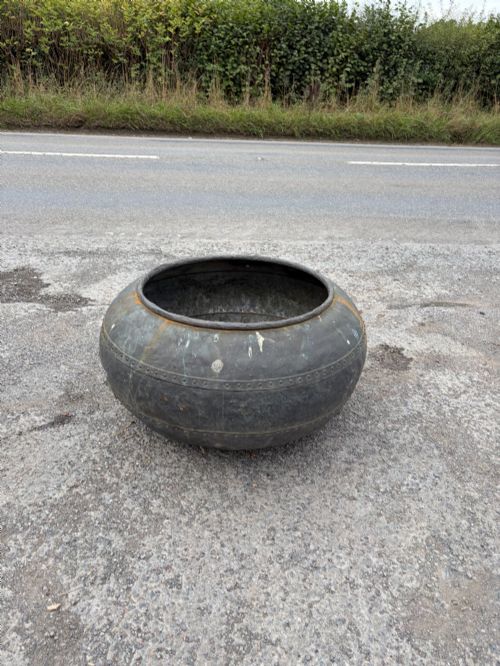
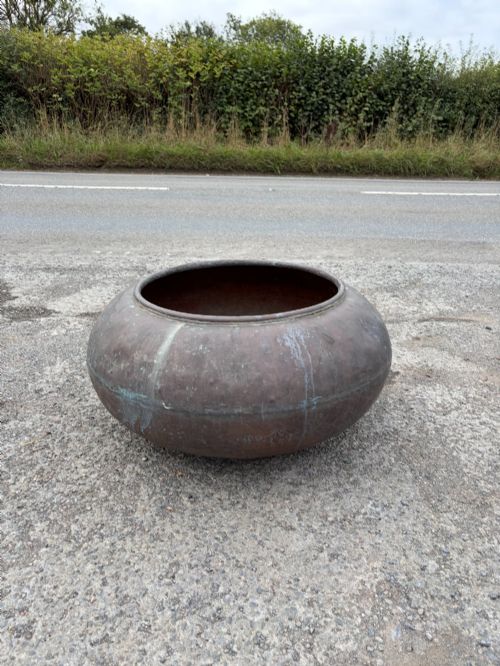
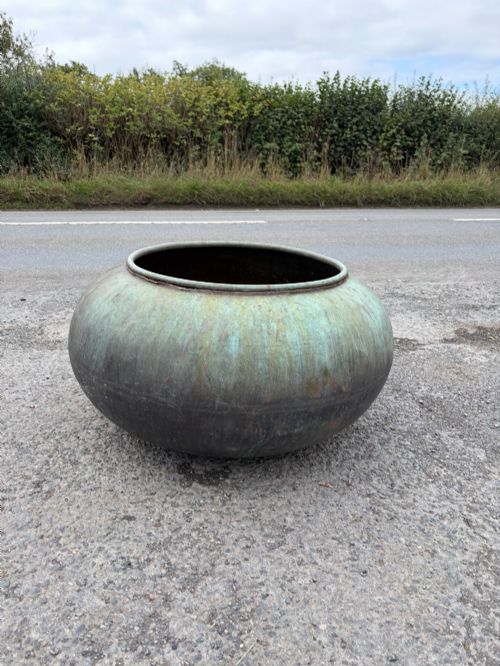
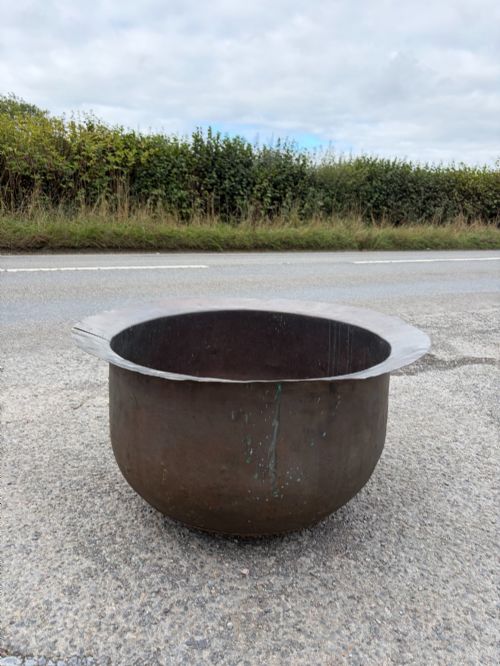
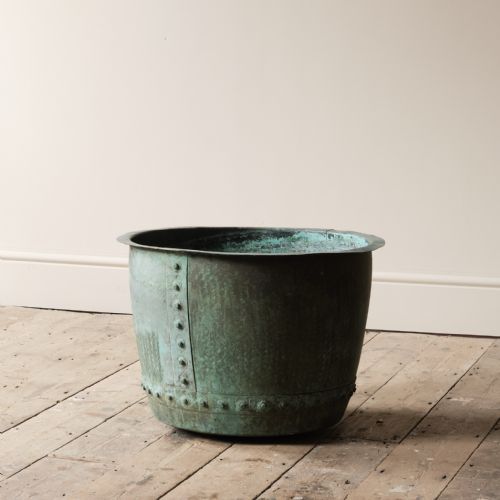
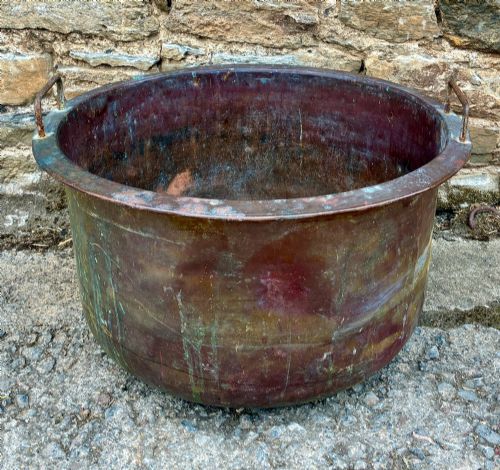
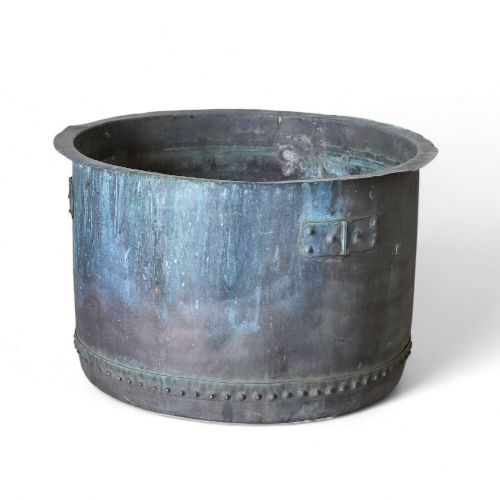
Coopers and metalworkers constructed large copper pots, boilers, and log bins by hammering sheet metal and joining seams with hand-beaten rivets, frequently attaching iron swing handles for lifting. Terracotta planters and rhubarb forcers relied on local clay thrown or moulded in kilns, left unglazed or partially glazed depending on their agricultural or decorative purpose.
Listings feature 19th-century copper, cast iron, and terracotta pieces dating from 1850 to the 1930s, spanning utilitarian vessels and architectural gates.
Judging quality and integrity
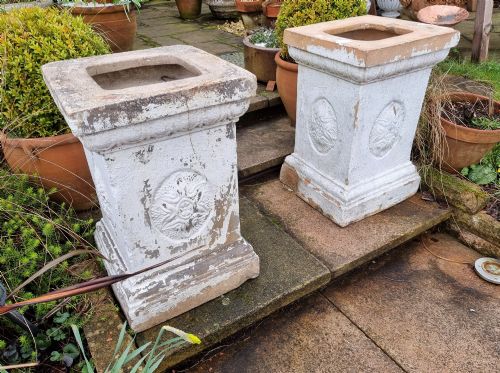
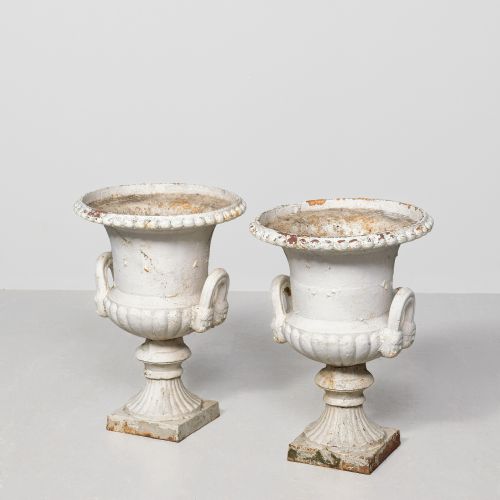
The standard of a cast iron urn or tazza rests on the crispness of the moulded ornament and the thickness of the original metal wall rather than smooth surfaces. Pieces that retain their matched pedestals or original structural ironwork show higher integrity than those assembled from mismatched components over time.
Hand-riveted copper vessels demonstrate quality through the regularity of the hand-beaten seams and the depth of the natural verdigris accumulated through decades of exposure. Estate gates and architectural metalwork derive distinction from the weight of the strapwork and the scale of the forged hinges, showing the hand of the blacksmith in every joint.
Dunfermline Clay Company
The Large Victorian Garden Antiques Glossary
- Campana urn
- A bell-shaped garden vessel with an everted rim, rising from a pedestal base and frequently cast in iron.
- Rhubarb forcer
- A heavy ceramic cover placed over plants in darkness to encourage early, tender shoots.
- Tazza urn
- A shallow cup-shaped garden ornament mounted on a high stem and foot, often cast in iron during the nineteenth century.
- Verdigris
- The green patina formed naturally on copper and brass surfaces through long exposure to moisture and air.
- Strapwork
- Flat bands of wrought iron crossed or riveted together to form structural reinforcement on gates and doors.
Large Victorian Garden Antiques: Frequently Asked Questions
How do I use heavy cast iron urns?
Cast iron urns provide strong vertical accents when positioned on stone pedestals at path intersections or terrace corners. Their weight requires a level, stable foundation of stone or compacted gravel to prevent settling into soft soil.
Fill the lower section with broken crocks or gravel to ensure adequate drainage before adding soil for deep-rooting planting schemes.
Can antique copper pots stay outside?
Copper pots withstand outdoor conditions well, developing a stable verdigris surface over time when exposed to rain and sun. Ensure they have drainage holes drilled or managed so standing water does not freeze and strain the riveted seams during winter months.
Position them on patios or garden steps where their reflective metal surface contrasts with natural stone and foliage.
What are rhubarb forcers used for?
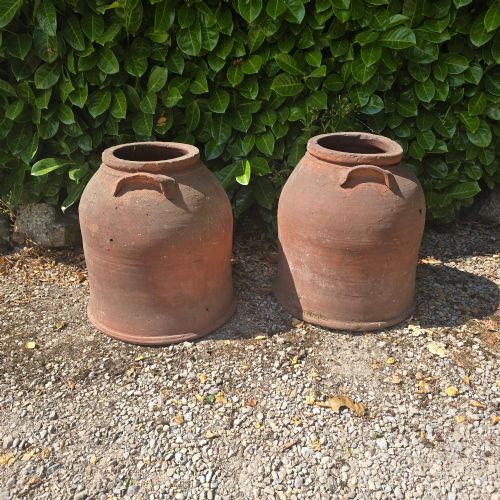
Gardeners used ceramic rhubarb forcers to exclude light from emerging crowns, forcing the plant to grow rapidly upward in search of sunlight. This traditional technique produced tender, pale stalks earlier in the spring season.
Today, they serve as sculptural garden ornaments placed singly on lawns or grouped within kitchen garden borders.
How do I date a cast iron urn?
Nineteenth-century cast iron urns often show deep casting seams, layered exterior paint finishes, and heavy oxidation beneath accumulated grime. Comparing the decorative motifs against classical neoclassical pattern books helps narrow the production window.
Matched pairs with recorded provenance from 1870 or 1890 offer reliable benchmarks for stylistic dating.