


Large Victorian Artwork
When you search for large victorian artwork, you find substantial nineteenth-century oil paintings, watercolours, prints, and drawings that command a room through their sheer scale.
Large Victorian Artwork
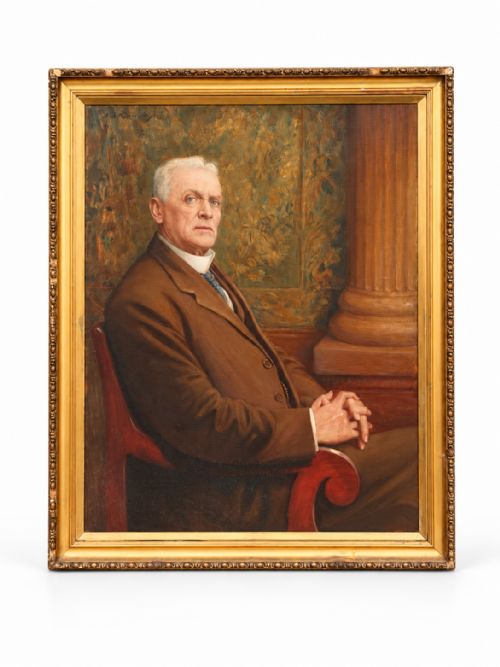
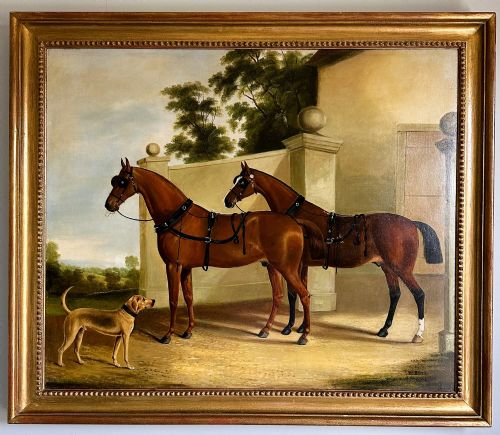
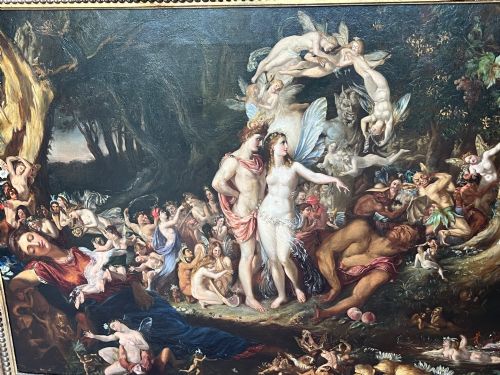
Large victorian artwork encompasses expansive oil paintings, watercolours, pastels, and detailed engravings produced during the nineteenth century. These substantial formats were designed to dominate the principal reception rooms of period homes, reflecting the taste and status of their original owners.
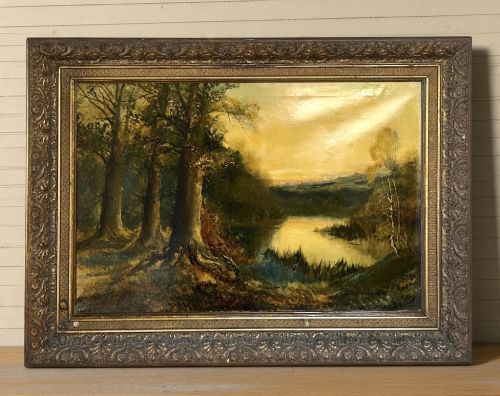
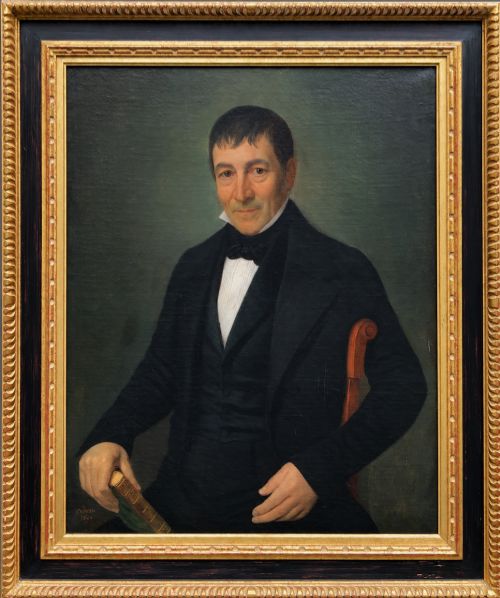
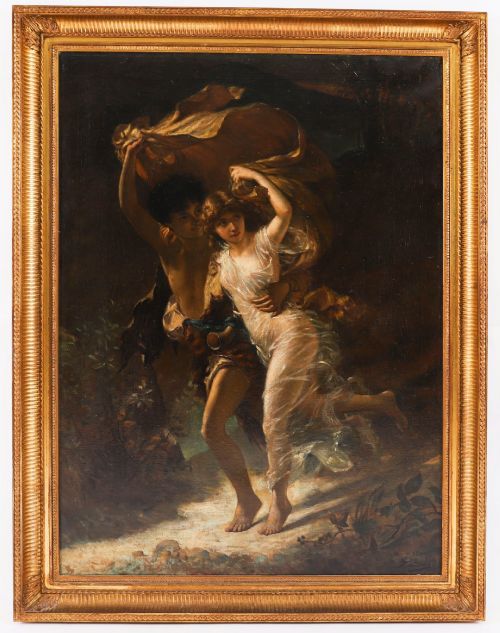
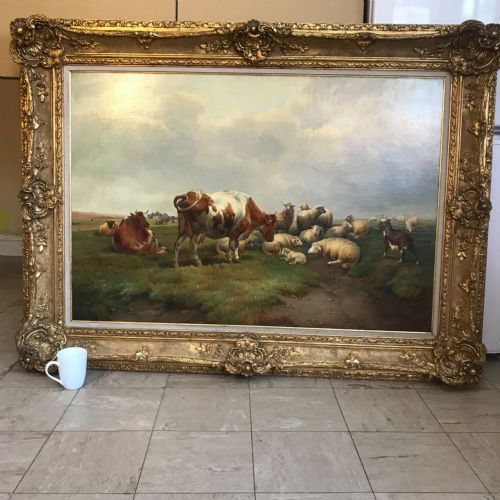
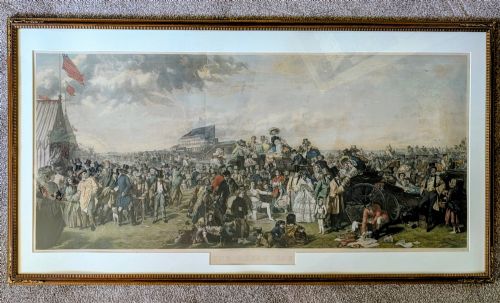
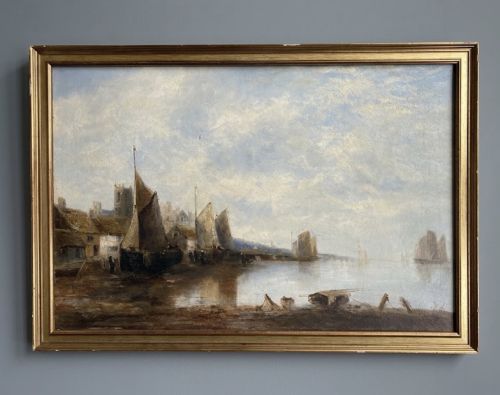
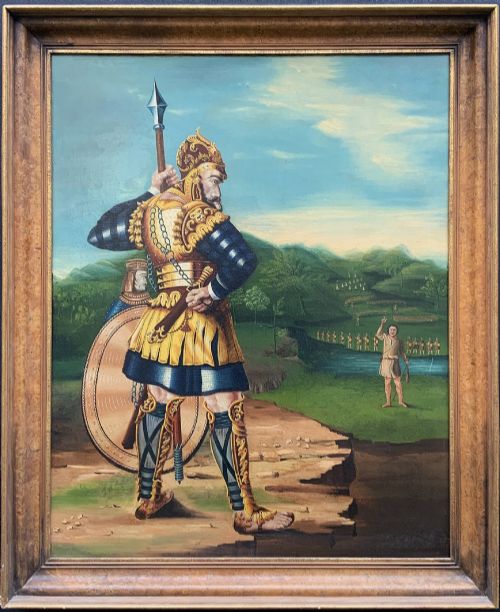
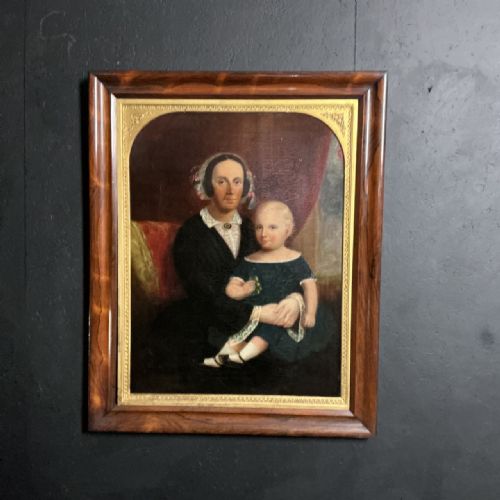
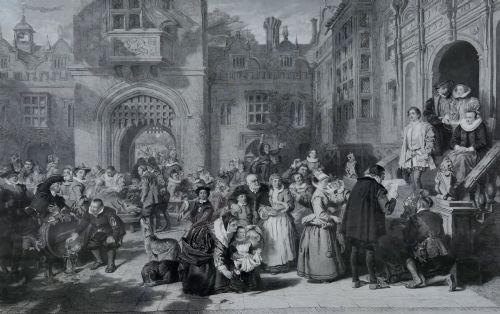
You are most likely to encounter oil on canvas works depicting maritime scenes, rural landscapes, animal portraits, and historical genre subjects. Alongside these original paintings, the selection includes large framed prints, mezzotints, and watercolours that demonstrate the period's appetite for visual narrative.
How they were made
The primary medium for major works is oil on canvas, often supported by heavy timber stretchers to sustain the generous proportions. Pigments were applied with varied brushwork, ranging from the smooth realism of portraits to the textured impasto found in landscape and maritime scenes.
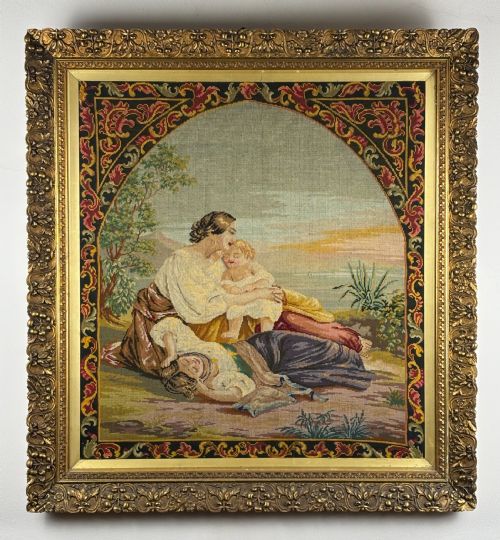
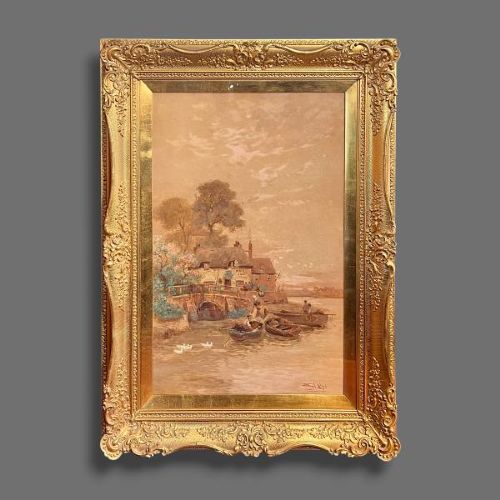
Works on paper, including watercolours, pastels, and engravings, required protective mounting under glass. Many of these pieces are housed in their original heavy giltwood and gesso frames, which frequently utilise moulded ornament and applied gold leaf to complement the art within.
Large Victorian Artwork Retail Price Guide 2026
Typical asking prices for large victorian artwork among the pieces listed under this phrase on Sellingantiques today, from the lower quarter to the upper quarter. They describe what is for sale here now, not the wider market.
Materials recorded across the archive include giltwood, gesso, gold leaf, glass, and wood alongside traditional canvas and paper.
What varies in quality
Quality in these large formats rests upon the surety of the draughtsmanship and the artist's handling of light, scale, and composition across a broad canvas. Works by accomplished or exhibited hands maintain a compositional balance and narrative clarity that lesser decorative pieces miss.
The integrity of the physical structure also determines standing. Original frames carved from giltwood and gesso that retain their crisp enrichment add considerably to the historic weight of a piece, whereas later reframing or heavy restoration changes the character of the object.
Stuart Lloyd·Alfred Walter Bayes·Sir Joseph Noel Paton·Felix Stone Moscheles·William Powell Frith·Thomas Smythe·W.R. Waters·Konstantin Stoitzner·James Hamilton·Robert Cleminson·Alexandre Le Bihan·William Henry Mander·Thomas Sidney Cooper·Thomas Bromley Blacklock·Thomas G. Appleton·George Armfield·David Cox Jnr.
The Large Victorian Artwork Glossary
- Giltwood
- Wood that has been coated with a thin layer of gold leaf. It is commonly found on ornate nineteenth-century picture frames.
- Gesso
- A plaster-like mixture applied to wood frames as a base for gilding and moulding. It allows craftsmen to carve intricate decorative details.
- Mezzotint
- A printmaking process of the tonal engraving family. It enables the creation of subtle gradations of light and shade.
- Impasto
- The technique of laying paint thickly on a canvas so that it stands out from the surface. This method adds a tangible texture to oils.
- Heraldic panel
- A painted or carved display of a coat of arms. These panels record family lineage and identity.
Large Victorian Artwork: Frequently Asked Questions
Where were these large pieces hung originally?
Large nineteenth-century artworks were commissioned or purchased to anchor the walls of grand drawing rooms, dining rooms, and entrance halls. Their substantial scale reflected both the architectural proportions of the properties and the social ambitions of the household.
Today, these works require similar architectural generosity, performing best on high walls with adequate distance for the viewer to take in the composition.
How do I care for antique oil paintings?
Oil paintings on canvas need stable environmental conditions away from direct sunlight and dramatic fluctuations in humidity. Keeping them in moderate temperatures prevents the canvas from slackening and protects the paint layers from cracking.
Dust should be removed gently from the surface and frame using a soft, dry brush, avoiding any chemical cleaning agents or damp cloths.
Are original frames important?
The frame is an integral part of the piece, often contemporary with the artwork itself. Original giltwood and gesso frames provide historical context and complement the scale of the canvas they enclose.
While frames can suffer knocks or losses to the moulding over the decades, retaining the original housing preserves the complete aesthetic intent of the period.
How can I distinguish watercolours from oil paintings?
Watercolours are painted on paper and almost invariably displayed behind glass to protect the delicate pigments from moisture and atmospheric damage. They tend to have a luminous, translucent quality where the white of the paper contributes to the light of the image.
Oil paintings use an opaque medium applied to stretched canvas or panel, offering a heavier texture and deeper saturation of colour that does not strictly require glass.