




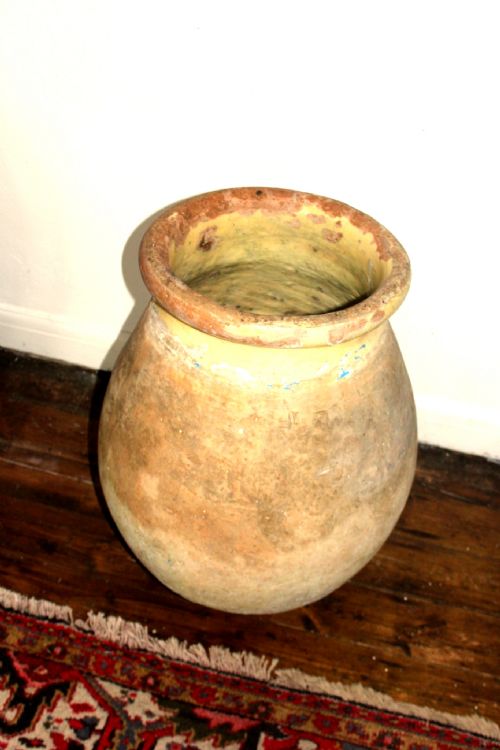


Large Storage Jar
These large storage jar pieces offer practical volume and genuine period character for country interiors.
Large Storage Jar
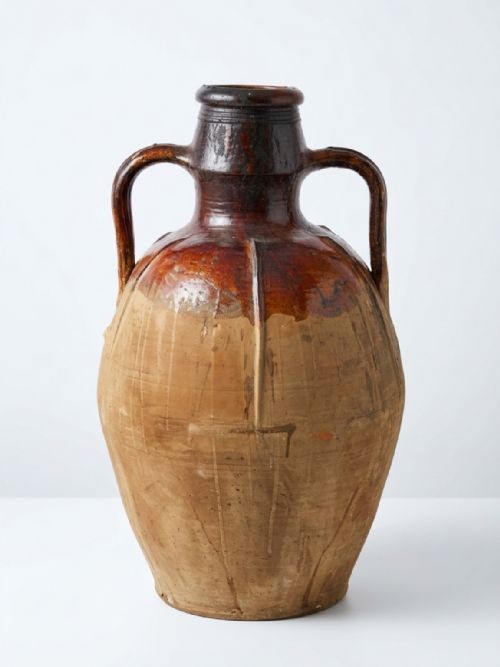
A large storage jar brings substantial presence to a room, functioning primarily as a floor-standing vessel or a substantial tabletop centrepiece. Buyers encounter forms ranging from rustic earthenware vessels and terracotta oil jars to tall apothecary glass carboys and porcelain ginger jars. Most examples on this page hail from the eighteenth and nineteenth centuries, reflecting domestic, agricultural, and commercial uses.
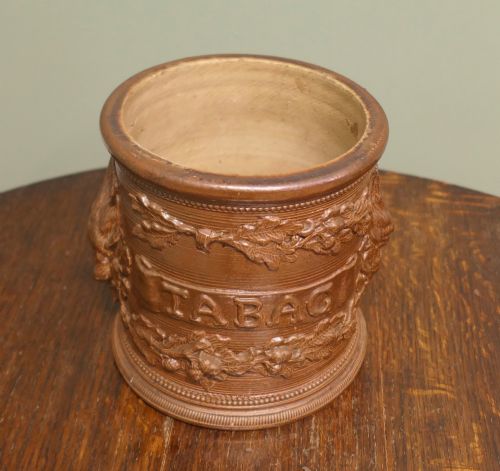
The selection encompasses diverse regional origins, including French Biot jars, Italian wine jars, Portuguese olive jars, and English chemist vessels. These pieces range from garden planters to heavy stoneware alcohol jars and delicate blue and white porcelain. Each object preserves the physical evidence of its utilitarian past, whether through weathered patinas or intact glass covers.
Utilising these vessels in modern spaces provides an effective balance of scale and texture. Apothecary and chemist jars offer transparent height, whilst terracotta and earthenware pots introduce earthen weight and warmth. The variety ensures a suitable match for rustic farmhouse settings, French country rooms, and traditional apothecary displays.
Materials and construction
Potters shaped these earthenware and terracotta storage vessels by hand or on heavy wheels, utilising local clay bodies that burnt to warm red, buff, or brown tones. Glaze treatments vary from simple salt-glazes on utilitarian stoneware to decorative painted finishes and blue and white designs on porcelain. Terracotta pots often display the natural porous texture of fired earth, while others receive surface coatings or gold leaf highlights.
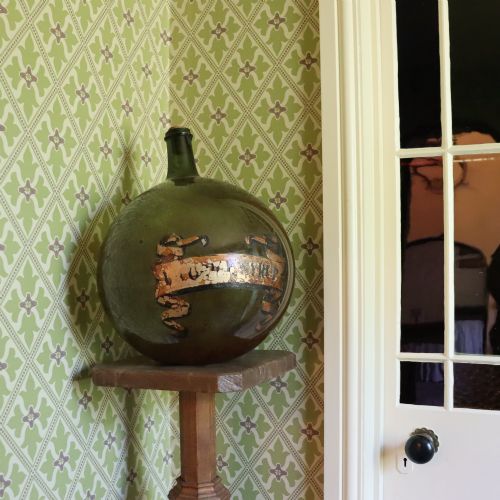
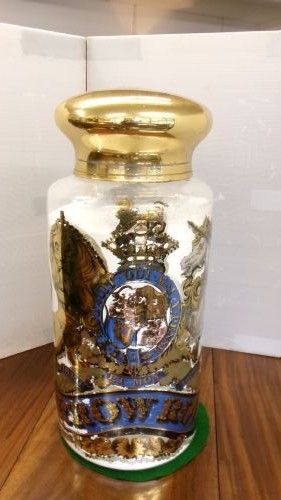
Glass vessels, such as the apothecary carboys and liquid jars, required skilled glassblowing techniques to achieve their considerable volume and thick walls. Blowers manipulated molten glass into bulbous forms, leaving pontil marks and bubbles that confirm their age and handmade nature. Brass components occasionally appear as collars, lids, or stands, adding a contrasting metallic element to the ceramic and glass bodies.
Large Storage Jar Retail Price Guide 2026
Typical asking prices for large storage jar among the pieces listed under this phrase on Sellingantiques today, from the lower quarter to the upper quarter. They describe what is for sale here now, not the wider market.
Materials range from porous Mediterranean terracotta and Chinese porcelain to heavy brass-fitted glass carboys.
Assessing quality and authenticity
Quality in a large storage jar rests upon the integrity of the body and the honesty of the surface wear. Superior terracotta and earthenware pieces retain their original weight and structural balance, showing surface patinas earned through genuine exposure to the elements rather than artificial distressing. Glass examples gain distinction from deep bubble inclusions, thick rims, and heavy bases that demonstrate high manufacturing skill.
The presence of original lids, covers, or matched stands elevates the desirability of a vessel. Potter's marks, factory stamps, and historic labels provide definitive evidence of origin and maker, distinguishing standard utilitarian ware from superior commercial productions. Pieces with undamaged rims and stable structural conditions command greater attention from discerning collectors.
Doulton of London
The Large Storage Jar Glossary
- Carboy
- A large, bulbous glass or earthenware vessel with a narrow neck, traditionally used for holding liquids safely. These tall glass containers often served in nineteenth-century apothecaries for storing chemicals or distilled water.
- Biot Jar
- A traditional heavy terracotta storage vessel originating from the French village of Biot, historically utilised for holding olive oil or grain. These pots typically feature aged patinas and robust handles.
- Ginger Jar
- A decorative ceramic container originally made in China for storing and transporting spices, featuring a wide mouth and rounded body. Examples often display blue and white painted porcelain designs.
- Pontil Mark
- A scarred indentation on the base of a blown glass vessel where the pontil rod was snapped off after shaping. This physical trace indicates traditional hand-blown manufacturing methods.
- Stoneware
- A dense, impermeable ceramic fired at high temperatures until vitrified, making it resistant to liquids without requiring a glaze. It forms the robust material of heavy industrial and shipping jars.
Large Storage Jar: Frequently Asked Questions
What were large storage jars originally used for?
These vessels served demanding practical roles in domestic, agricultural, and commercial storage across centuries. Farmers and merchants utilised terracotta and earthenware pots for holding olive oil, wine, walnuts, and grain.
In urban settings, glass carboys and ceramic vessels functioned in apothecary shops and shipping houses for storing chemicals, alcohol, and medicines safely.
How do I style a large storage jar at home?
A large storage jar works best when placed directly on the floor in an entrance hall, empty corner, or beside a fireplace. Their substantial scale allows them to stand alone as sculptural objects without needing additional contents.
Glass apothecary jars can be displayed on tabletops to catch the light, whilst terracotta garden urns suit sheltered porches or garden rooms.
How can I tell the age of a terracotta jar?
Age in terracotta is read through the surface patina, weathering patterns, and the texture of the clay body. Hand-shaped vessels often display subtle irregularities, lime scale deposits, and historic surface wear from decades of exposure.
Examining the base and interior surfaces for tool marks and historical residue helps confirm an eighteenth or nineteenth-century origin.
Are glass apothecary jars fragile?
Glass apothecary jars possess thick, heavy-walled construction designed for commercial utility, making them surprisingly robust despite their antique status. Their substantial weight helps maintain stability when placed on firm surfaces.
Care should be taken around the rims and covers, which represent the most vulnerable areas of these blown glass vessels.