





Large Silver Tea Waiter
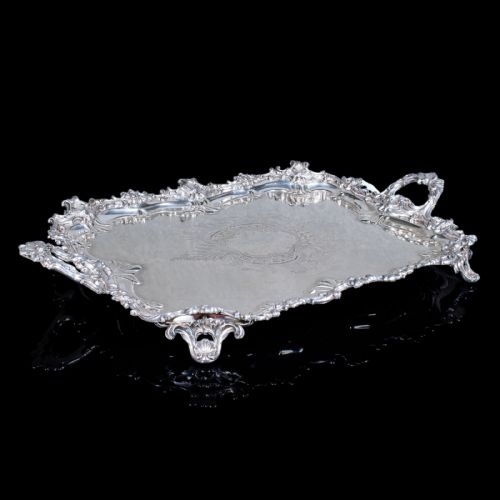
A large silver tea waiter serves drinks and afternoon tea with gravitas, bringing heavy metal craftsmanship and period polish straight to your table.
Large Silver Tea Waiter
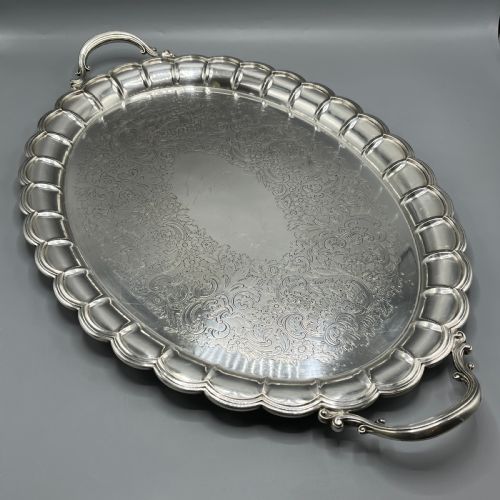
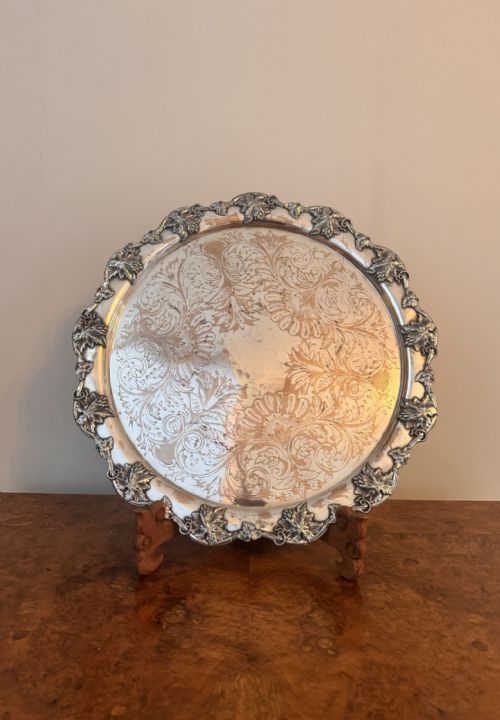
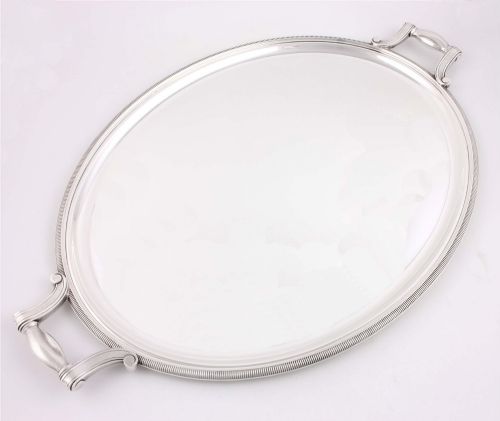
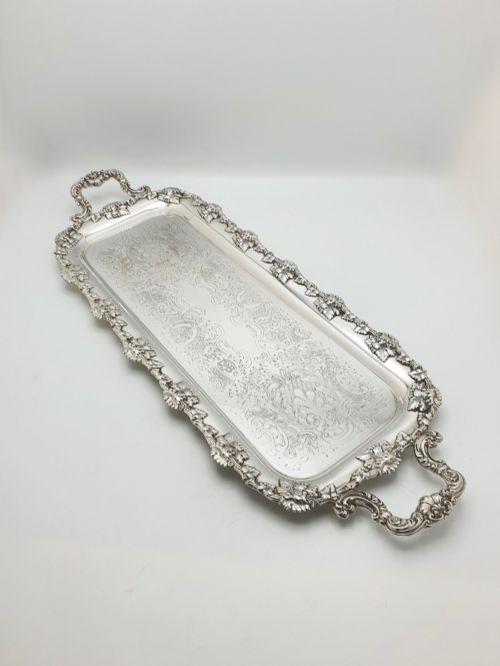
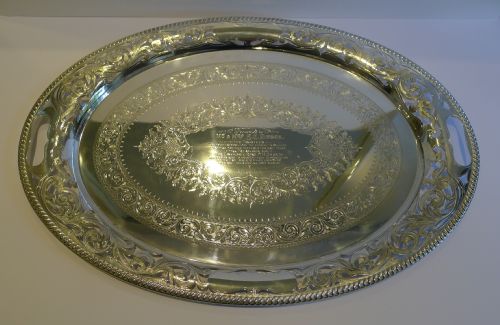
When you search for a large silver tea waiter, you encounter substantial serving vessels designed for hosting and display across the Victorian, Edwardian, and Art Deco periods. These pieces take the form of circular, oval, and rectangular trays and salvers used historically for afternoon tea and drinks service.
The most common examples you meet on this page are silver plated pieces originating from the nineteenth and early twentieth centuries. Makers applied heavy plating over base metals, nickel silver, and copper to create impressive domestic items without the full cost of solid sterling silver.
Many items feature raised galleries, reticulated pierced borders, or classical motifs influenced by French Empire and William IV styles. You also find monumental English and European platters bearing elaborate chased engraving and grapevine borders.
How they were made
Makers constructed these trays using solid sterling silver or base metals like copper and nickel silver coated in silver plate or electroplated nickel silver. Workshops employed techniques such as Old Sheffield plating or later electroplating processes to bond silver layers to foundational metals.
Craftsmen applied surface decoration through hand-chasing, intricate engraving, and applied cast borders depicting motifs like grapes and foliage. Pierced and reticulated galleries were meticulously cut out of sheet metal, while wooden bases occasionally provided structural rigidity beneath metal surfaces.
Large Silver Tea Waiter Retail Price Guide 2026
Typical asking prices for large silver tea waiter among the pieces listed under this phrase on Sellingantiques today, from the lower quarter to the upper quarter. They describe what is for sale here now, not the wider market.
Many a Victorian butler discovered too late that a monumental silver tray makes an exceptionally loud clatter when dropped on a hardwood floor.
What varies in quality
The distinction between ordinary and exceptional work rests on the thickness of the silver plating and the crispness of the hand-chased ornamentation. Superior examples display deep, sharp engraving and robust structural weight rather than thin, pressed metal that flexes under a heavy load.
Makers' marks and signatures from renowned workshops or retailers distinguish finer historical pieces from anonymous factory production. The quality of applied borders, such as cast grapevine galleries or pierced pierced galleries, indicates the level of artisan labour invested in the construction.
Christofle·Fenton Russel·Elkington·Atkin Brothers·Lee and Wigfull·J.H. Potter·Peters Hamburg·Paul Storr
The Large Silver Tea Waiter Glossary
- Silver plate
- A thin layer of silver bonded or electroplated to a base metal such as copper, brass, or nickel silver. This process allowed makers to produce large, decorative serving pieces at a fraction of the cost of solid silver.
- EPNS
- Electroplated Nickel Silver, a common manufacturing standard for nineteenth and twentieth-century tableware. It provides a durable and bright silver surface over a strong nickel alloy foundation.
- Gallery tray
- A serving tray featuring a raised pierced or solid metal wall around its perimeter. This decorative fence prevented cups and decanters from sliding off during transport.
- Salver
- A flat serving tray typically supported on small feet, traditionally used for presenting letters, glasses, or tea services. In older usage, the term often distinguished footed trays from flat platters.
- Old Sheffield plate
- An early composite material made by fusing a sheet of silver to a thicker copper ingot before rolling them together into sheets. This method produced durable wares valued by collectors for their warm, mellow tone.
Large Silver Tea Waiter: Frequently Asked Questions
What is a large silver tea waiter used for?
These large trays serve as functional centerpieces for carrying teapots, cups, sugar basins, and crystal decanters during formal entertaining.
Beyond service, they function historically as decorative display pieces on sideboards and tables to reflect light and showcase fine metalwork.
How do I clean a silver plated tray?
Maintenance requires gentle cleaning with a specialised silver polish and a soft cloth to preserve the thin plating over the base metal.
Avoid abrasive cleaners or harsh scrubbing that can wear through the silver layer and expose the underlying copper or nickel.
How can I tell the age of a tray?
Dating relies on maker stamps, registration numbers, style periods such as William IV or Art Deco, and manufacturing methods like Old Sheffield plating.
Examining the wear patterns, engraving style, and construction details provides further clues to the decade of origin.